When summer temperatures climb, keeping your home comfortable without running up a massive electric bill is a top priority for most homeowners. For decades, whole-house attic fans have been touted as a low-cost, natural alternative to central air conditioning. The promise is simple: instead of running a power-hungry compressor all day and night, you use a large, ceiling-mounted fan to pull cool evening air through open windows, flush out the accumulated heat, and exhaust it out through the attic. But how do whole house attic fan energy savings actually hold up in practice? Are they a smart substitute for your AC, or do they occasionally introduce unintended moisture and comfort issues?
Understanding the true value of an attic ventilation system requires looking past the marketing claims and examining the physics of heat transfer, local climate patterns, and operating costs. While these fans consume a fraction of the electricity that central air conditioners do, their effectiveness depends heavily on outdoor dew points, home airtightness, and how well your attic is insulated. This analysis breaks down the thermal performance, cost trade-offs, and operational caveats you need to know before cutting a massive hole in your hallway ceiling.
How Whole-House Attic Fans Work
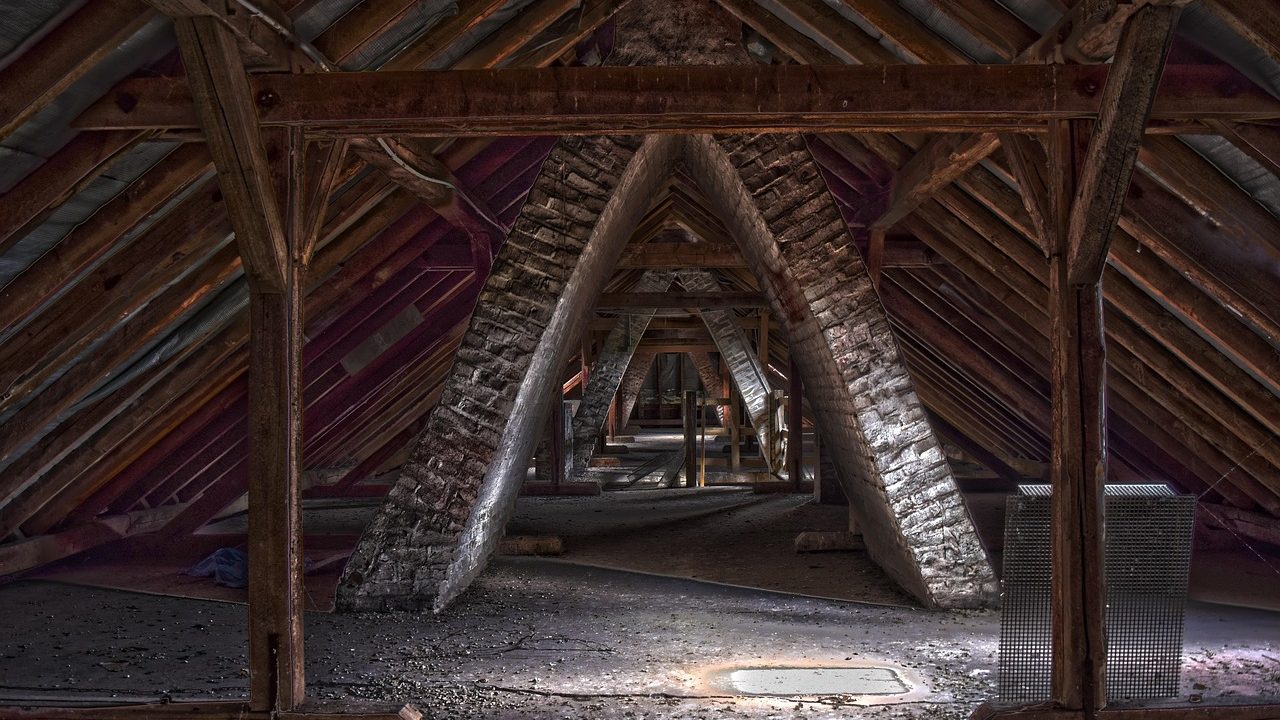
To understand the mechanics of whole-house attic ventilation, you have to look at the entire thermal envelope of the house. During a hot summer day, solar radiation beats down on your roof, heating the shingles and the framing beneath them. This creates a thermal reservoir in your attic space that can easily exceed 130 degrees Fahrenheit. That trapped heat radiates downward through your ceiling insulation, gradually warming the living space below and forcing your central air conditioner to work overtime.
A whole-house fan is installed in the ceiling of the upper story, typically opening into the hallway or an open-plan living area. When turned on, the powerful blades create a negative pressure inside the living space, drawing cooler outdoor air inward through open windows and doors. Simultaneously, the fan forces that indoor air up into the attic, pressurizing the attic space and pushing the super-heated air out through gable vents, ridge vents, or soffits. By exchanging the warm indoor air with cooler evening air, the fan cools the framing, drywall, and furniture, effectively resetting the thermal baseline of the house before the next day’s heat sets in.
Energy Consumption: Attic Fan vs. Central AC
The primary driver for installing a whole-house fan is the drastic reduction in kilowatt-hour consumption compared to traditional mechanical refrigeration. Central air conditioners rely on compressors and heavy-duty blowers that typically consume between 2,000 and 5,000 watts of electricity, depending on the tonnage and SEER rating. Running a central AC unit for hours on end during peak summer afternoons accumulates significant electrical usage.
By contrast, a modern, belt-driven or direct-drive whole-house fan typically draws between 200 and 700 watts. Because it uses simple convection and high-volume air displacement rather than a refrigerant cycle, it requires a fraction of the electrical current. When you calculate attic ventilation costs based on running a 400-watt fan for four hours versus a 3,500-watt central AC unit for the same duration, the energy savings are striking. A central AC might use 14 kilowatt-hours (kWh) over that four-hour window, while the whole-house fan uses only 1.6 kWh. Multiply those savings across a three-month cooling season, and the reduction in your monthly utility bill becomes substantial.
To put this into sharper financial perspective, consider average residential utility rates across the United States. If electricity costs roughly 15 cents per kilowatt-hour, running a 3,500-watt central air conditioner for four hours a day over a 90-day summer cooling season adds up to approximately 1,260 kWh, or roughly $189 in operational expenses for that specific timeslot alone. By contrast, running a 400-watt whole-house fan for the exact same duration and schedule consumes only 144 kWh, totaling about $21.60. While you may still need occasional air conditioning during the hottest afternoon peaks, shifting a substantial portion of your cooling load to natural nighttime ventilation produces immediate, measurable household savings.

Climate Considerations: The Humidity Trap
Despite the clear electrical savings, whole-house attic fans are not universally effective across all geographic regions. The success of a natural ventilation strategy is inextricably linked to outdoor humidity and dew points, not just dry-bulb temperature.
In arid or semi-arid climates—such as the Intermountain West, parts of California, and the high desert—summer days are hot, but the air cools down rapidly and dramatically once the sun goes down. Furthermore, the relative humidity remains comfortably low. In these environments, pulling night air into the home provides exceptional comfort and rapid cooling without adverse side effects.
However, in humid subtropical or tropical climates—such as the American Southeast or the Gulf Coast—outdoor air often remains heavy with moisture even after dark. When you run a whole-house fan under high-humidity conditions, you draw that moisture-laden air directly into your home. This can elevate indoor relative humidity above 60 percent, creating a clammy, comfortable living environment. High indoor humidity not only feels warmer than it actually is, but it also promotes condensation on cool interior surfaces, encouraging mold growth and dust mites. In these humid zones, central air conditioning remains necessary because it actively dehumidifies the air as it cools.
Meteorologists and building science experts often point to the outdoor dew point as the ultimate decision-making metric. As a reliable rule of thumb, when the outdoor dew point climbs above 60°F or 65°F, pulling outdoor air inside via mechanical ventilation will likely degrade indoor air quality and comfort by introducing excessive latent moisture. Homeowners living in humid regions must carefully check local weather data before flipping on their ventilation switches.
Cooling Load Reduction and Thermal Mass
One of the most misunderstood aspects of whole-house ventilation is how it interacts with the thermal mass of your home. Building materials like concrete slabs, brick veneer, drywall, and heavy furniture absorb heat throughout the day and slowly release it during the evening.
When outdoor temperatures drop below indoor temperatures, running an attic fan accelerates the removal of this stored heat. By sweeping large volumes of cool air across interior surfaces, the fan rapidly strips thermal energy from the building materials. This cooling load reduction means that when the sun comes up the next morning, your home starts from a much lower thermal baseline. Consequently, you can delay turning on your central air conditioning system well into the afternoon, effectively compressing your peak cooling hours into a much shorter window.
This thermal purging process relies heavily on structural heat capacity. Homes built with heavy masonry, dense plaster walls, or concrete subfloors absorb massive amounts of thermal energy during scorching summer afternoons. Without an attic fan, that heat radiates inward well into the night, keeping indoor temperatures elevated and forcing mechanical systems to cycle continuously. By pulling high volumes of cool night air through the structure, the entire thermal battery is discharged, providing passive comfort that lingers deep into the following day.
Installation Requirements and Attic Venting Math
Installing a whole-house fan is not as simple as dropping a unit into a ceiling joist space. Proper engineering is required to ensure the system functions safely and efficiently. The most critical factor is ensuring adequate attic exhaust area.
Because a whole-house fan moves massive amounts of air—often ranging from 3,000 to 7,000 cubic feet per minute (CFM)—your attic must have enough vent area to exhaust that air without creating excessive backpressure. If the attic vents (soffit, ridge, or gable vents) are too small, the restricted airflow will decrease the fan’s efficiency, strain the motor, and potentially create positive pressure in the attic that forces air back down into the living spaces.
As a general rule of thumb, building guidelines recommend providing at least 1 square foot of net free vent area for every 750 CFM of fan capacity, though many manufacturers recommend even more generous ratios. If your existing home lacks sufficient attic venting, you will need to install additional gable or roof louvers before operating a high-capacity fan.
To calculate your home’s specific CFM requirement, multiply your total square footage by your ceiling height to find the total cubic volume of your living space. If you want the fan to complete a full air exchange roughly once every two minutes, divide that total volume by two. For instance, a 2,000-square-foot home with standard 8-foot ceilings contains 16,000 cubic feet of air. Dividing by two yields an ideal target of approximately 8,000 CFM of fan capacity, though most installations split this across one large unit or two smaller, strategically placed units to balance the load and minimize noise.
Air Sealing and Winter Energy Losses
Another operational consideration that impacts overall energy efficiency is how the whole-house fan is sealed during the off-season. Because a whole-house fan creates a large opening directly between your conditioned living space and your unconditioned attic, it acts as a massive thermal bypass during winter and peak summer heat.
In the winter, warm air from your living space naturally rises and escapes through the louvered ceiling shutters into the freezing attic, driving up your heating bills. Conversely, during scorching summer afternoons when the fan is off, super-heated attic air can leak down through the louvers if the unit lacks an insulated attic door or cover box.
To prevent these thermal losses, modern high-end whole-house fans feature insulated, airtight motorized doors that seal tightly shut when the fan is off. If you have an older, gravity-louvered model, you should install a custom insulated cover in your attic over the fan housing during both the dead of winter and the peak of summer air conditioning season to prevent conditioned air from escaping.
Neglecting this crucial maintenance step can completely negate the energy savings generated during the summer operating season. An uninsulated ceiling opening acts like an open window in January, continuously bleeding heated air into the attic space and forcing your furnace to work significantly harder. Taking ten minutes to install a fitted R-value rated cover box in your attic ensures your building envelope remains tight year-round.

Noise Levels, Dust, and Allergens
When evaluating comfort trade-offs beyond pure energy savings, indoor environmental quality and acoustics deserve careful attention. Older whole-house fan models are notoriously loud, emitting a low-frequency hum or vibration that can make conversation or television watching difficult while running.
Modern systems have made significant strides by utilizing belt-driven motors, balanced multi-blade propellers, and rubber acoustic mounting brackets that isolate vibration from the ceiling joists. When shopping for a fan, look for units rated with low sone levels (a measure of perceived loudness) if noise is a primary concern for your household.
Additionally, because these fans pull air directly from the outdoors through open windows, they also pull in pollen, dust, smog, and insect life. If anyone in your household suffers from severe seasonal allergies, running a whole-house fan during peak pollen counts can trigger symptoms. In these instances, homeowners often choose to rely on closed-window air conditioning equipped with high-efficiency particulate air (HEPA) filtration.
Cost Analysis: Upfront Investment vs. Payback Period
Evaluating whether a whole-house fan makes financial sense requires balancing the initial purchase and installation cost against projected electrical savings. A quality fan unit typically costs between $400 and $1,500, while professional electrician and carpentry installation can add another $500 to $1,500 depending on wiring complexity and attic modifications.
If your summer climate allows you to substitute the fan for central air conditioning three or four nights a week for four months out of the year, you can easily save several hundred dollars annually on electricity. In temperate, dry regions, the payback period for a professionally installed whole-house fan often ranges from two to four years. However, in marginal climates where you can only run the fan a few weeks out of the summer without causing humidity issues, the financial payback period stretches out considerably, making it more of a luxury comfort upgrade than an essential energy-saving investment.
Common Mistakes to Avoid
To maximize efficiency and avoid household comfort issues, keep these common operational mistakes in mind:
- Running the fan with closed windows: Creating a vacuum inside a sealed house strains the motor, reduces airflow, and can backdraft combustion appliances like gas water heaters or furnaces. Always crack windows open in the rooms you want to cool.
- Ignoring outdoor humidity levels: Operating the fan when the dew point is high will flood your home with moisture, offsetting any temperature benefits and dampening furniture and drywall.
- Sizing the fan incorrectly: Choosing a fan that is too small fails to move enough air to cool the thermal mass, while a fan that is vastly oversized for your square footage can create excessive noise and window flutter.
- Leaving uninsulated dampers open: Failing to seal or insulate the fan opening during winter or peak AC season results in significant heat loss or heat gain.
- Failing to interlock with gas appliances: Operating a high-CFM exhaust fan in a tightly sealed modern home without adequate make-up air can create dangerous backdrafting conditions for natural gas water heaters, furnaces, or fireplaces. Always ensure adequate window openings to prevent pressure imbalances.
Maintenance Checklist for Long-Term Efficiency
To keep your whole-house attic fan operating safely and efficiently year after year, establish a simple routine maintenance schedule. At the beginning of each cooling season, inspect the louver doors or motorized dampers to ensure they open and close fully without obstruction. Clean dust and debris from the fan blades, as particulate buildup can throw the blades out of balance, creating excessive vibration and strain on the motor bearings. For belt-driven models, check the belt tension annually and apply lubricant to any specified motor ports according to the manufacturer’s instructions. Finally, test the wall timer and control switches to verify that all electrical connections remain secure and responsive.
Frequently Asked Questions
- Can I run my whole-house fan at the same time as my central air conditioner? No, running both systems simultaneously is counterproductive and inefficient. The whole-house fan will exhaust your expensive, conditioned air right out through the attic, while the negative pressure can strain your HVAC blower. Use the fan during the morning and evening hours when outdoor air is cooler, and switch to closed-window AC only when daytime temperatures and humidity make natural ventilation impractical.
- Do whole-house fans require a dedicated electrical circuit? Because these fans draw significant amperage during startup and continuous operation, most local electrical codes and manufacturer specifications require a dedicated circuit wired directly from your main electrical panel, managed by a heavy-duty wall switch or programmable timer.
- Will a whole-house fan help lower my winter heating bills? No. In fact, unless the fan is properly sealed and insulated during the winter months, it will act as a major thermal leak, allowing heated indoor air to escape into the unconditioned attic and driving your heating bills up.
Making the Final Decision
Whole-house attic fans offer a genuinely effective, low-energy method for cooling homes in the right environments. By capitalizing on cool evening air and flushing out accumulated roof heat, they provide substantial whole house attic fan energy savings for homeowners living in dry or temperate summer climates. They reduce reliance on energy-intensive central air conditioning, lower indoor thermal baselines, and provide a refreshing natural breeze.
However, they are not a universal drop-in replacement for air conditioning. If you live in a humid climate, suffer from severe allergies, or have an attic with inadequate venting and poor air sealing, the trade-offs in moisture, comfort, and installation complexity may outweigh the electrical savings. Assess your local climate, calculate your typical summer cooling loads, and ensure your home envelope is properly prepared before investing in a whole-house ventilation system.