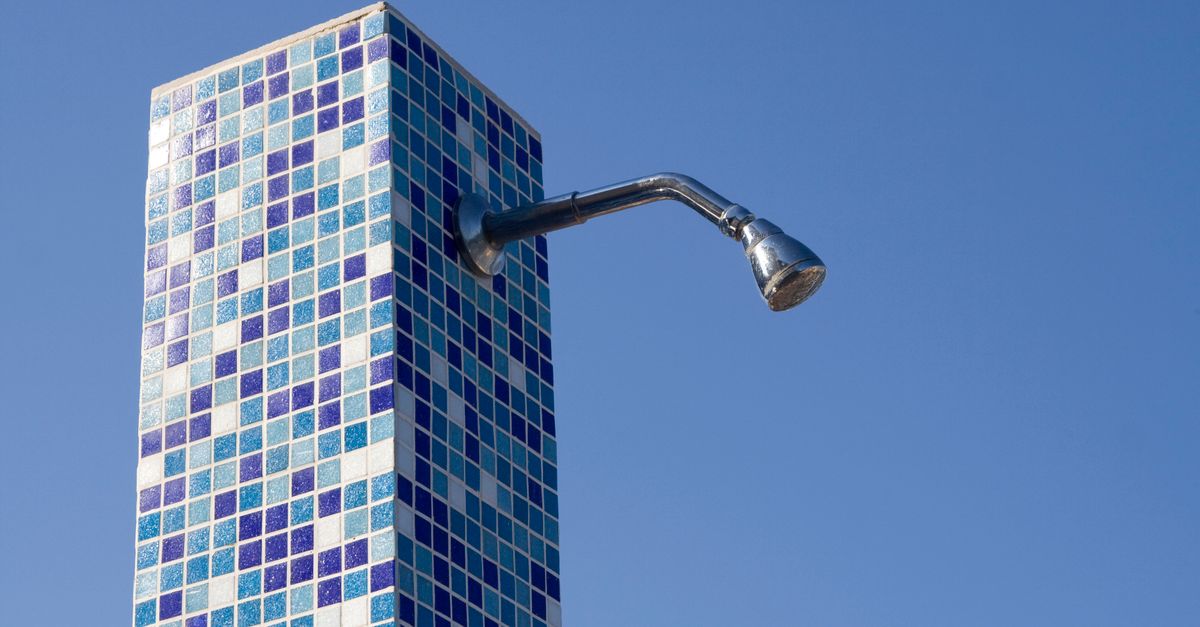
When homeowners look for straightforward ways to cut utility costs, bathroom fixtures are rarely the first place they think to check. Yet, heating water is typically the second largest energy expense in a typical American household, right behind space heating and cooling. Every minute you spend under a standard showerhead draws heavily on your water heater, whether it is a traditional tank model or a modern tankless system. Installing low flow showerheads energy savings projects is one of the most reliable DIY home improvements you can make, but many buyers worry that saving water means saving on comfort and sacrificing a strong, comfortable spray.
Understanding the actual mechanics of water heating and fixture design helps clear up the confusion. Modern high-efficiency fixtures have evolved significantly from the frustrating trickle-streams of decades past. Today’s engineering utilizes aeration and clever internal nozzle designs to maintain a forceful sensation against the skin while using significantly less water. This comprehensive guide breaks down how gallon-per-minute (GPM) thresholds affect your monthly energy bills, what trade-offs exist regarding water pressure, and how to select the best fixture for your household.
The Math Behind Water Heating and Flow Rates
To understand why low-flow fixtures reduce utility bills, you have to look at the direct relationship between water volume and energy consumption. Your water heater does not care how long you are in the bathroom; it only cares about how many gallons of water pass through its heating element or burner. Standard older shower fixtures typically pump out 2.5 to 3.5 gallons of water every single minute. By contrast, high-efficiency models certified under programs like WaterSense generally operate at 2.0 GPM or lower, with many premium models delivering a satisfying experience at 1.5 GPM.
Consider a standard household with multiple family members taking daily showers. If you reduce your flow rate from 2.5 GPM to 1.75 GPM, you decrease your hot water consumption by 30 percent over the exact same duration. Because your water heater has to heat 30 percent less water to the same target temperature (usually around 120 degrees Fahrenheit), it runs less often and uses less electricity or natural gas. Over the course of a year, that reduction translates into meaningful savings on both your water utility bill and your gas or electric bill.
To put the thermodynamics into perspective, raising the temperature of water from incoming municipal groundwater temperatures (roughly 50 to 60 degrees Fahrenheit) up to a comfortable shower temperature requires a substantial amount of thermal energy. Every gallon of water that goes down the drain takes that heat energy with it. By curbing the sheer volume of heated water sent down the drain during a standard ten-minute shower, you directly lower the duty cycle of your water heater. For electric water heaters, this means fewer kilowatt-hours drawn by the heating elements. For gas water heaters, it means fewer therms consumed by the burner assembly.
The Pressure Dilemma: Myth Versus Reality
The single biggest hesitation homeowners have regarding water-saving shower fixtures is the fear of low pressure. No one wants to spend their morning standing under a weak, sputtering stream that makes rinsing shampoo out of thick hair feel like an exhausting chore. This fear is rooted in early generations of water-saving showerheads from the late 1980s and 1990s, which simply restricted the volume of water without redesigning how the stream was delivered, resulting in a miserable experience.
Modern engineering solves this problem through two primary methods: aeration and laminar flow with pressure-compensating aerators. Aerated showerheads mix air directly into the water stream as it exits the nozzle, creating larger, fuller droplets that feel more voluminous than they actually are. Laminar shower fixtures produce distinct, individual streams of water without introducing air, which prevents cooling and maintains heat better in drafty bathrooms. Furthermore, quality fixtures include pressure-compensating flow restrictors that automatically adjust to maintain a consistent spray pattern even if your home’s overall water pressure fluctuates throughout the day.
It is also helpful to distinguish between water pressure and water volume. Water pressure is the force (measured in pounds per square inch, or PSI) pushing water through your pipes, while volume is the actual quantity of water coming out (measured in GPM). Many homes actually have plenty of PSI—often between 50 and 80 PSI—but suffer from wasteful fixtures that dump excessive volume without directing that force efficiently. A well-engineered low-flow fixture leverages your existing home water pressure, channeling it through tighter, precision-molded exit ports to maintain a high-velocity, invigorating spray without needing extra gallons.
Evaluating Flow-Rate Thresholds
When shopping for a new fixture, you will encounter a range of flow rates. Choosing the right one depends heavily on your existing plumbing infrastructure, your personal preferences, and your geographic location.
- 2.0 GPM: A great middle-ground option for households transitioning away from older 2.5 GPM fixtures. It provides an exceptionally familiar feel that rarely draws complaints from family members while still delivering noticeable energy reductions.
- 1.75 GPM: The sweet spot for modern high-efficiency performance. It offers a substantial drop in hot water usage while leveraging advanced nozzle patterns to ensure strong tactile feedback.
- 1.5 GPM and Below: Best suited for homes with high baseline water pressure or for secondary bathrooms where heavy rinsing is less common. In homes with naturally low water pressure, these ultra-low-flow models can sometimes feel inadequate unless paired with a powerful pulsing massage setting.
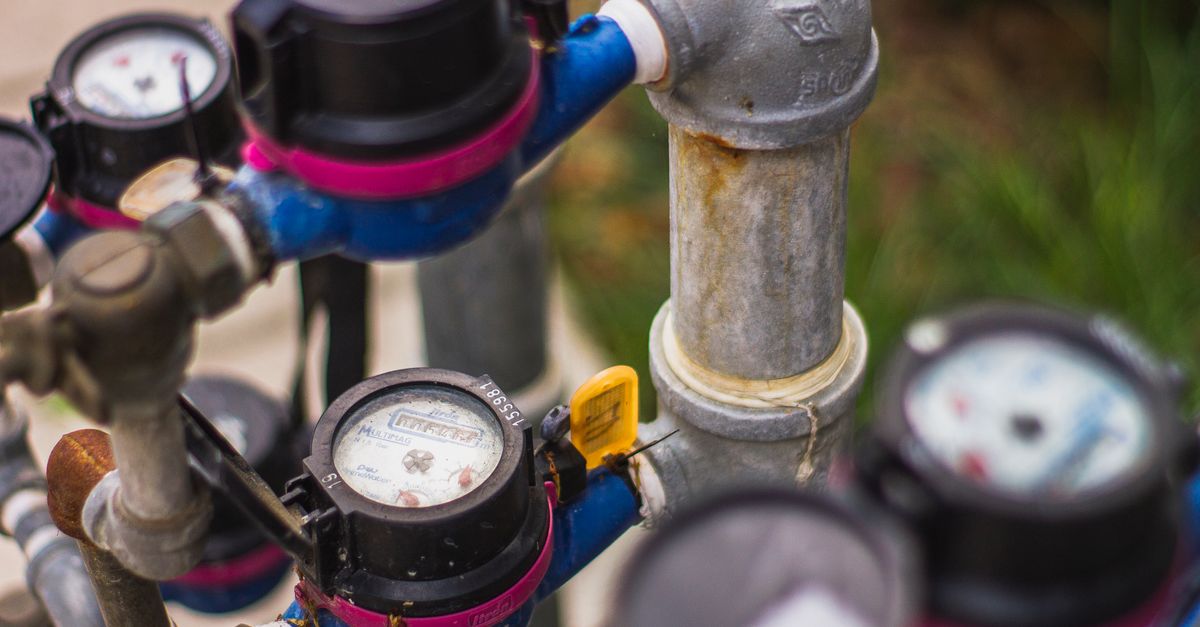
Before purchasing any fixture, it is wise to test your home’s current water pressure. You can easily measure your existing showerhead’s flow rate at home by holding a one-gallon bucket under the stream and timing how many seconds it takes to fill. If your bucket fills in 24 seconds, your flow rate is exactly 2.5 GPM. If it takes longer, your fixture may already be restricted, or your home pressure might be on the lower side. Additionally, you can screw a cheap pressure gauge onto an outdoor hose spigot to read your home’s static PSI. If your static pressure is below 40 PSI, you will want to select your low-flow showerhead carefully, perhaps opting for a 2.0 GPM model rather than an ultra-low 1.5 GPM variant to ensure satisfactory performance.
Local building codes and regional climate considerations also play a role. Many states—most notably California, Colorado, and Washington—have adopted strict efficiency standards that mandate lower maximum flow rates for all newly manufactured or installed plumbing fixtures. Checking your local utility provider’s website is another smart step, as many municipal water and electric districts offer rebate programs, free conservation kits, or bill credits when you upgrade to certified high-efficiency hardware.
Impact on Electric Versus Gas Water Heaters
The financial return on investment for low-flow shower fixtures varies depending on how your home heats water. Electric storage tank water heaters are generally the most expensive way to heat domestic water. Because electricity costs per kilowatt-hour are typically higher than natural gas therm costs in most regions, cutting down the volume of hot water required yields a faster financial payback on an electric setup.
Gas water heaters, whether tank-based or tankless, cost less to operate on a monthly basis, meaning the dollar-for-dollar savings will appear smaller on your monthly statement. However, the conservation benefits remain identical. Additionally, for tankless gas water heaters, low-flow fixtures can sometimes introduce a minor operational quirk: if the flow rate drops below the minimum activation threshold of the heater, the unit may not fire up, resulting in lukewarm water. High-quality low-flow fixtures are specifically designed with this in mind, maintaining sufficient flow to keep tankless burners engaged while still reducing overall water consumption.
Understanding your specific heater type helps set realistic expectations for your utility bill adjustments. If you rely on an aging electric resistance tank water heater, cutting your hot water usage by 30 percent can noticeably decrease your monthly electric statement. Conversely, if you have a modern, high-efficiency condensing natural gas tankless unit, your baseline energy bills are already quite low, so the absolute dollar savings will be more modest, though the cumulative water and energy conservation over the lifespan of the fixture remains significant.
Installation Practicalities and Common Mistakes
Installing a new showerhead is one of the most accessible DIY plumbing tasks available. You do not need to hire a professional or own specialized pipe-wrench tools for a standard swap. However, rushing through the installation can lead to frustrating leaks and poor performance.
The most common mistake homeowners make is failing to remove old plumber’s tape and debris from the shower arm threads before installing the new fixture. Old tape hardens over time and can prevent the new showerhead from screwing on straight, leading to cross-threading or leaks around the connection point. Always clean the threads thoroughly with a wire brush or cloth, wrap fresh PTFE plumber’s tape clockwise around the threads two to three times, and hand-tighten the new fixture before giving it a gentle final snugness with a pair of adjustable pliers wrapped in a cloth to protect the finish.
Another frequent oversight is ignoring hidden flow restrictors. Some municipalities or state plumbing codes require strict maximum flow rates, and manufacturers sometimes ship fixtures with removable internal flow restrictors or secondary washers. If you live in an area with very low water pressure and find your new showerhead too weak, check the manufacturer instructions to see if the internal flow regulator is designed to be removed or swapped for an alternative setting.
It is also worth noting the material quality of the showerhead you select. While budget plastic models are inexpensive, they are prone to thread stripping, cracking under pressure, and mineral scale buildup that ruins spray patterns over time. Choosing a solid brass or heavy-duty stainless steel fixture ensures durability, while rubberized spray nozzles make it easy to wipe away mineral deposits simply by rubbing your thumb across them during routine cleaning.
Balancing Comfort, Cost, and Conservation
Ultimately, evaluating whether high-efficiency shower fixtures are worth the investment comes down to balancing utility savings with personal comfort. Because a quality low-flow showerhead typically costs anywhere from twenty to sixty dollars, the payback period is remarkably short—often recouping its initial purchase price within just a few months of reduced energy and water bills.
When shopping for best low flow shower head options, look beyond marketing terms and check for independent certifications like EPA WaterSense. These labels ensure the fixture has been rigorously tested for both water efficiency and spray coverage performance. By selecting a reputable model that matches your household’s pressure characteristics, you can enjoy a powerful, invigorating shower every morning while shrinking your home’s environmental footprint and keeping your monthly utility bills firmly under control.
Beyond immediate financial savings, conserving hot water places less mechanical strain on your water heater. Because the tank or burner handles fewer total gallons per day, sediment buildup occurs at a slightly slower rate, and heating elements or heat exchangers experience fewer thermal shock cycles. While regular maintenance like flushing your water tank is still essential, minimizing excessive hot water demand contributes positively to the longevity of your home’s entire plumbing and heating ecosystem.
Frequently Asked Questions About Low-Flow Showerheads
Homeowners exploring these fixtures often have additional questions regarding daily use and upkeep. Here are clear answers to common concerns:
- Do low-flow showerheads take longer to rinse soap off? With modern aerated or high-velocity spray designs, rinsing time is virtually identical to older fixtures because the velocity of the water droplets remains high even though total volume is reduced.
- Can I install a low-flow showerhead in a rental apartment? Yes. A standard showerhead swap is fully reversible. You can easily remove the high-efficiency fixture when you move out and reinstall the original landlord-provided showerhead without leaving any permanent changes behind.
- How do I clean clogged nozzles on a water-saving showerhead? Mineral scale from hard water can clog tiny spray holes over time. Soak the showerhead in a bag filled with white vinegar overnight, then scrub gently with a soft brush to restore full water flow.
Key Takeaways for Homeowners
Upgrading your bathroom hardware is a low-risk, high-reward project that delivers immediate dividends. Keep these core principles in mind as you plan your upgrade:
- Measure first: Determine your current flow rate to understand how big of a jump you are making.
- Check your water heater type: Electric water heaters yield faster dollar savings due to higher per-unit energy costs, but conservation benefits apply universally.
- Prioritize quality spray technology: Look for aerating or pressure-compensating designs to ensure strong performance without a weak stream.
- Inspect your plumbing: Clean old tape from threads and verify that your water pressure can support your chosen GPM threshold.
By taking a thoughtful, measured approach to fixture selection, you can drastically cut down on water heating energy consumption without ever feeling like you are compromising on your daily routine.