When you are buying a used utv for property maintenance, fencing, or hauling firewood, finding the right machine requires looking past shiny plastic body panels and focusing entirely on mechanical integrity. Unlike recreational trail machines that may live easy lives, utility side-by-sides often endure heavy workloads, deep mud, and dusty farm environments. Evaluating a pre-owned utility terrain vehicle demands a methodical approach to inspecting the drivetrain, frame, and CVT system to ensure you do not inherit someone else’s expensive repair project.
The secondary market offers substantial savings compared to buying new, but it also carries hidden risks. A machine with low physical mileage might have accumulated thousands of grueling idle hours spraying pastures or dragging heavy loads. Conversely, a higher-mileage unit that received meticulous professional maintenance might prove significantly more reliable. This guide breaks down the essential inspection points, mechanical red flags, and ownership realities you need to understand before handing over your money.
Understanding UTV Usage: Hours Versus Mileage
One of the first challenges buyers face when evaluating a pre-owned side-by-side is interpreting usage metrics. Unlike passenger cars that rely strictly on an odometer, UTVs track both mileage and engine hours. For property maintenance vehicles, engine hours are almost always the superior indicator of true wear and tear.
A utility vehicle used for slow-speed fencing work, spraying weeds, or checking perimeter gates might rack up hundreds of engine hours while showing minimal odometer distance. This constant idling or low-speed operation places unique demands on the engine oil, cooling system, and clutch assembly. On the other hand, a machine used primarily for property transit across large acreage might show high miles accrued at moderate, steady speeds, which is generally less stressful on internal engine components.
When inspecting a listing, look for a digital hour meter alongside the odometer. As a general rule of thumb, anything under 500 hours is considered moderate use for a well-maintained utility machine, provided routine fluid changes were performed. Once a utility vehicle climbs past 1,000 hours, expect that major components—such as suspension bushings, wheel bearings, and clutch sheaves—may be approaching the end of their service life and will require replacement soon.
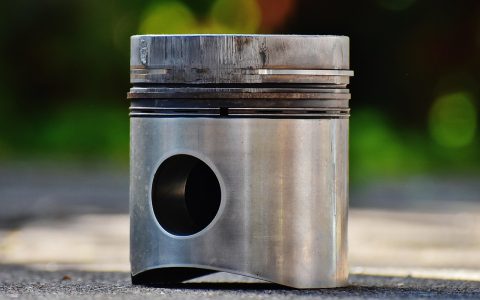
Furthermore, consider the implications of cold-weather idling. Utility UTVs often serve as winter plow vehicles. Extended idling in sub-freezing temperatures without reaching proper operating temperatures can cause fuel dilution in the crankcase, where unburned fuel washes past the piston rings and contaminates the engine oil. When you inspect a machine that was used heavily for snow removal, check the oil dipstick immediately for a strong gasoline odor and abnormally thin oil viscosity.
Evaluating the CVT Belt-Drive System
Almost all modern utility side-by-sides utilize a continuous variable transmission, commonly known as a CVT. Unlike a traditional geared manual transmission or an automotive automatic with torque converters, a CVT relies on a drive belt, a primary clutch, and a secondary clutch to transfer power to the wheels. Understanding how to inspect this system is critical when you are buying a used utv.
Ask the seller if you can remove the plastic CVT cover to inspect the belt and sheaves. While some sellers may hesitate, a private party with nothing to hide will typically allow it. Inside the housing, look for the following warning signs:
- Belt fraying or cracking: A healthy belt has clean, straight edges. Cracks along the inner cogs or missing chunks indicate imminent failure.
- Rubber dust buildup: Excessive black rubber dust inside the housing points to belt slippage, which can be caused by heavy towing in high gear rather than low range.
- Grooved clutch sheaves: Run your finger along the metal faces of the primary and secondary clutches. Deep grooves or ridges mean the clutches are worn out and require expensive replacement.
- Water or mud contamination: Mud staining or rust inside the CVT housing suggests the machine was swamped in deep water and the sealing gasket was compromised.
Always test-drive the machine to evaluate clutch engagement. A healthy CVT should engage smoothly without jerking, hesitation, or squealing as you press the accelerator pedal. If the machine stutters when taking off, the clutch weights or spring may be worn or contaminated with debris. It is also worth noting whether the machine features an engine braking system (EBS). A functional EBS should slow the vehicle down smoothly when you lift your foot off the accelerator while descending a slope. If the machine free-wheels down hills, the one-way bearing in the primary clutch may be seized or worn out.
Inspecting the 4×4 Drivetrain and Suspension
Property maintenance frequently requires navigating slick mud, steep hills, and uneven terrain, making a functional 4×4 system non-negotiable. Testing the four-wheel-drive system requires more than just flipping a dash switch; you need to feel how the front differential engages and whether the axles are sound.
Find a patch of loose gravel or dirt during your test drive, engage the 4×4 system, and turn the steering wheel sharply. You should feel the front wheels pull consistently without binding, clicking, or loud popping noises. Popping sounds under acceleration while turned nearly always indicate worn constant velocity (CV) joints or damaged front differential components.
Next, visually inspect all four axle shafts. Look closely at the rubber CV boots located at both ends of each axle. These flexible boots protect the internal joints from dirt and moisture. If a boot is torn, cracked, or leaking grease, dirt has likely contaminated the joint. While replacing a CV boot is inexpensive, replacing an entire axle assembly due to neglected joint wear can become costly.
Suspension components also take a severe beating on working properties. Check the A-arm bushings, ball joints, and shock absorbers. Lift each corner of the machine off the ground with a floor jack if possible, and grab the tire at the 12 o’clock and 6 o’clock positions. Rock it back and forth to check for play in the wheel bearings and ball joints. Leaking shock absorbers, indicated by wet oil running down the shock body, mean the damping units need rebuilding or replacement.
Additionally, examine the steering rack and tie rods. Property utility vehicles often take hard impacts against hidden rocks, tree stumps, or deep ruts. With the engine off, wiggle the steering wheel back and forth and watch the tie rod ends for any slop or delayed movement. Excessive play means you will need to invest in replacement steering components before trusting the machine on long property patrols.
Frame Rust and Structural Integrity
Suburban and rural property owners often store utility vehicles in open sheds, barns, or outside exposed to the elements. Moisture accumulation inside tubular steel frame members can lead to internal rust that compromises structural integrity.
Do not just look at the exterior paint; get down on your hands and knees with a flashlight. Inspect the frame underside, skid plates, and suspension mounting points. Surface rust on factory welds is common and usually harmless, but deep flaking rust, bubbling paint, or structural pitting indicates severe degradation.
Pay special attention to machines used around livestock or fertilizer spreaders. Animal waste and agricultural chemicals are highly corrosive to steel frames and aluminum components. If you notice heavy corrosion around the footwells, floorboards, or receiver hitch area, inspect the frame rails closely for thinning metal.
Skid plates also tell a story about how the vehicle was treated. Heavy aluminum or plastic factory skid plates will show scuffs and scrapes—that is normal for utility work. However, deep structural dents, cracked frame tabs, or missing hardware suggest the UTV took severe impacts from rocks, stumps, or ledges, which may have tweaked the frame alignment. If the machine pulls hard to one side on a flat, straight road, it may suffer from a bent frame or a tweaked A-arm rather than simple bad wheel alignment.
Engine, Cooling System, and Maintenance History
The engine of a utility vehicle works hard under constant load. When evaluating a pre-owned machine, start the engine cold. A healthy engine should fire up promptly without excessive cranking, blue smoke from the exhaust, or metallic rattling noises from the valve train.
Let the machine idle up to operating temperature while you inspect the cooling system. Check the coolant recovery tank and radiator fins. Mud-packed radiator fins are a primary cause of overheating in farm UTVs. Ensure the cooling fan cycles on properly as the temperature rises. Overheating episodes can lead to warped cylinder heads or blown head gaskets, which require major engine teardowns.
Ask the seller for maintenance records. While many DIY owners do not keep a formal binder, receipts for oil filters, air filters, differential fluid, and drive belts provide valuable reassurance. The air filter is particularly critical in utility UTVs. Because these machines frequently operate in heavy dust stirred up by tires or field work, a neglected air filter allows abrasive dirt particles straight into the combustion chamber, destroying piston rings and cylinder walls. Always unclip the air box lid and inspect the clean side of the filter housing; any sign of dirt past the filter element is an absolute dealbreaker.
Choosing the Right Configuration: Two-Seater vs. Crew Cab
When shopping in the pre-owned utility market, you will encounter various seating configurations, primarily standard two-seaters and larger crew cab models that accommodate four to six passengers. Your choice should be dictated entirely by your property maintenance workflow rather than passenger capacity alone.
Standard two-seater utility models feature a longer cargo bed, making them exceptionally well-suited for hauling heavy loads of firewood, gravel, feed bags, or tools. The shorter wheelbase also provides tighter maneuverability when navigating narrow timber trails, orchard rows, or tight barnyard gates.
Conversely, crew cab models offer extended seating, which is invaluable if you frequently work alongside family members, farm hands, or fencing crews. However, keep in mind two distinct trade-offs: crew cabs have significantly shorter cargo beds, limiting bulk hauling capacity, and their longer wheelbases make them more prone to high-centering when crossing steep drainage ditches, gullies, or cresting property ridges. Carefully weigh these practical operational factors before selecting a chassis layout.
Common Maintenance Mistakes That Destroy Utility UTVs
Understanding how previous owners might have mistreated a machine helps you spot latent mechanical issues before they turn into expensive garage projects. Many utility UTV failures stem from simple, avoidable maintenance oversights.
One of the most common errors is towing heavy loads in high gear instead of low gear. Continuous towing in high gear places extreme thermal stress on the CVT belt and clutch faces, glazing the belt and warping the sheaves. If a seller mentions using the machine to tow heavy trailers loaded with logs or gravel, pay extra attention to CVT health during your inspection.
Another frequent issue is neglecting differential and transmission fluid changes. While most owners remember to change engine oil, differential and transmission fluids are frequently ignored for thousands of miles. Contaminated gear oil accelerates ring-and-pinion wear, leading to noisy differentials and eventual gear failure.
Common Pitfalls and Red Flags When Buying Used
Navigating the pre-owned market requires vigilance against common seller tactics and hidden mechanical traps. Recognizing these warning signs can save you from buying a costly lemon:
Total Cost of Ownership and Budgeting
When calculating your budget for buying a used utv, the purchase price is only part of the equation. Savvy buyers set aside an immediate reserve fund for baseline maintenance. Even if the machine runs well during the test drive, expect to perform a thorough service immediately after taking possession.
A realistic baseline service package should include changing the engine oil and filter, replacing the differential and transmission fluids, installing a fresh air filter, and inspecting the spark plugs. If the drive belt shows any signs of wear, replacing it proactively prevents a breakdown out in the back pasture. Factor these routine parts and fluid costs into your initial negotiation strategy.
Insurance and transport are additional considerations. If you plan to haul the UTV on a utility trailer behind your truck, ensure your towing setup is rated for the machine’s wet weight, which typically ranges from 1,200 to over 1,800 pounds depending on the model and cab configuration. Factor in tie-down straps, a reliable trailer hitch lock, and regular trailer maintenance such as greasing wheel bearings.
Making the Final Decision
Purchasing a pre-owned utility terrain vehicle comes down to balancing mechanical condition against your specific property needs. If you find a machine with a solid frame, healthy CVT system, and clean maintenance history, it can serve as a dependable workhorse for years to come.
Take your time during the inspection, verify engine hours, test every gear and four-wheel-drive function, and do not hesitate to walk away from a deal that feels rushed or hides suspicious mechanical issues. By approaching the market with a structured inspection routine, you will secure a capable, reliable utility vehicle that handles your property maintenance tasks without draining your wallet.