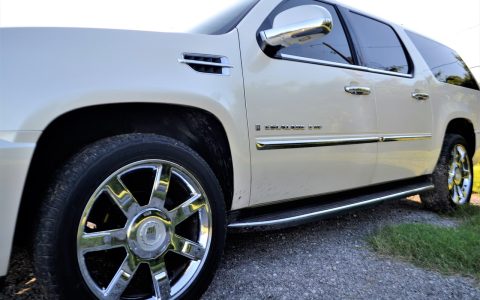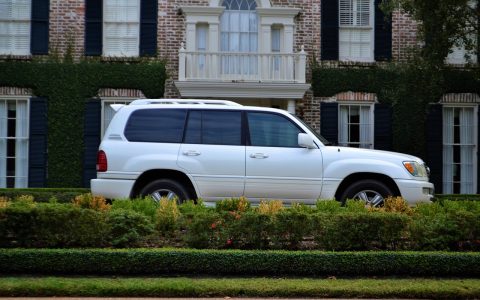
When your family expands and car pools become part of your weekly routine, your vehicle needs change overnight. Suddenly, cargo capacity, door access, and seat configurations matter more than horsepower or styling. For decades, the driveway showdown has pitted the traditional minivan against the modern three-row crossover. If you are shopping the pre-owned market, evaluating a used minivan vs 3 row suv requires looking past initial curb appeal to analyze long-term financial commitments and daily usability.
While SUVs dominate showroom marketing, minivans quietly win almost every practical metric for family transport. However, total cost of ownership involves more than just fuel and monthly payments. Insurance premiums, depreciation rates, maintenance schedules, and tire replacement costs all influence which vehicle keeps more money in your bank account over a five-to-seven-year ownership cycle.
Understanding the fundamental design philosophy of each vehicle class helps clarify why they perform so differently in everyday family life. Crossovers are built on car platforms styled to mimic rugged off-road vehicles, prioritizing ground clearance, aggressive front fascias, and muscular proportions. Minivans are purpose-built boxes designed around maximizing interior volume, lowering the step-in height, and creating flexible floor plans. That core engineering difference dictates everything from how easily you can load a sleeping toddler to how much you will pay for your annual brake service.
Initial Purchase Price and Depreciation Realities
The pre-owned vehicle market treats these two segments quite differently. Three-row midsize and large SUVs command high resale values because of their rugged styling and crossover popularity. Buyers frequently pay a stylistic premium for SUVs, meaning a three-year-old crossover often costs more upfront than a minivan of the exact same vintage and mileage.
Minivans, conversely, depreciate more steeply in their first few years simply because corporate fleets, rental agencies, and commercial buyers purchase them in volume, and consumer demand leans heavily toward SUVs. For a pre-owned shopper, this steep initial drop works in your favor. You can frequently purchase a higher-trim minivan—equipped with leather seating, rear entertainment screens, premium audio systems, and advanced safety suites—for thousands less than a comparably aged, mid-trim SUV with cloth seats and fewer features.
When calculating depreciation, remember that you lose money on the initial purchase price differential. Buying a lower-cost, high-feature used minivan reduces your capital outlay and softens the blow of future depreciation, provided you plan to keep the vehicle for several years. Furthermore, because used minivans have already absorbed their steepest depreciation curve during years one and two, purchasing a three-to-four-year-old model places you in a very stable equity position, minimizing the risk of finding yourself upside down on your auto loan if you need to sell or trade it in down the road.
Fuel Economy and Powertrain Efficiency
Fuel costs represent a steady drain on the family budget. Despite their boxy profiles, modern minivans generally feature optimized front-wheel-drive platforms powered by efficient V6 engines or, in the case of newer models like the Toyota Sienna, standard hybrid powertrains. Their aerodynamic design and optimized gearing make highway commuting relatively painless at the pump.
Three-row SUVs, on the other hand, often carry extra weight, higher ground clearance, and optional all-wheel-drive (AWD) or four-wheel-drive configurations. While AWD is a major selling point for families living in snowy climates, it comes with a fuel economy penalty due to increased drivetrain drag and vehicle weight. Even front-wheel-drive three-row SUVs typically consume more fuel than minivans due to higher overall vehicle weight and less aerodynamic body shapes that create greater high-speed drag.
If you drive 12,000 to 15,000 miles annually, the fuel savings of a minivan over a heavy V6 SUV can add up to hundreds of dollars per year. Over a five-year ownership span, that difference easily covers a couple of scheduled maintenance services or a brand-new set of tires. For families opting for hybrid minivans, the fuel savings become even more pronounced during urban driving and school drop-off cycles, where traditional internal combustion SUVs idle away significant amounts of fuel in drop-off lines.

Insurance Rates: Surprising Differences
Many buyers assume that SUVs are safer and therefore cheaper to insure than minivans. Insurance risk algorithms, however, look at real-world claims data rather than marketing images. Minivans frequently enjoy lower insurance rates than comparable three-row SUVs for several distinct reasons.
First, insurance companies categorize minivans as family haulers driven primarily by cautious parents with children on board. The demographic profile associated with minivans generally correlates with lower accident rates and fewer aggressive driving claims. Conversely, certain three-row SUVs are purchased by younger or more diverse demographics, and their higher center of gravity can lead to more severe damage claims in single-vehicle incidents or rollovers.
Second, repair costs for bumpers, sliding doors, and standard body panels on mainstream minivans are often well-documented and straightforward for collision shops to fix. Before finalizing any purchase, run insurance quotes using the VINs of specific vehicles you are considering. You might be surprised to find that the SUV carries a noticeably higher monthly premium, adding hundreds of dollars to your annual operating costs over the life of the loan.
Car Seats, Passengers, and Daily Access
No category comparison is complete without analyzing how these vehicles handle the physical chaos of parenting. Car seats, booster seats, diaper bags, and sports gear test the architectural limits of any cabin.
Minivans excel here because they were engineered from the ground up for human cargo. Sliding doors are the single greatest family-vehicle feature ever invented. In tight parking lots, sliding doors eliminate the risk of children swinging doors into neighboring cars, preventing costly parking lot disputes. Furthermore, the wide door openings allow parents to step directly into the vehicle cabin to buckle stubborn toddlers without twisting their backs awkwardly against adjacent vehicles or garage walls.
Three-row SUVs rely on traditional swinging doors. While rear doors open wide, squeezing past a second-row captain’s chair or folding a bench seat forward with a rear-facing car seat installed is notoriously difficult. Many SUVs require you to uninstall certain car seats entirely just to let third-row passengers climb in and out, a frustrating daily hurdle when managing multiple children.
Legroom and headroom in the third row also heavily favor minivans. In a minivan, adults or teenagers can sit comfortably in the back row on long road trips without having their knees pressed against the front seatbacks. In most midsize three-row SUVs, the third row is a punishing environment featuring low seat cushions and cramped footwells, making it best reserved for small children or short emergency trips.
Cargo Capacity: Packing for Road Trips
When packing for a family vacation, space is the ultimate luxury. A three-row SUV with all seats in use typically leaves very little behind-the-row depth for luggage, strollers, or coolers. You are forced to stack items vertically, blocking your rearview mirror, or invest in a roof box that hurts fuel economy and creates wind noise.
Minivans feature a deep rear cargo well—originally popularized by Stow ‘n Go seating systems and similar fold-flat innovations—that swallows bulky items effortlessly. With the third row folded flat into the floor, a minivan turns into a moving van capable of transporting furniture, bicycles, or massive amounts of camping gear without obstructing your view.
Even with all three rows occupied, the floor well in a minivan provides secure storage for groceries and smaller gear bags, space that simply does not exist in standard crossovers where the floor is flat over the rear axle. This vertical depth means you can slide a large stroller upright or sideways without dismantling it completely, saving precious minutes every time you arrive at your destination.
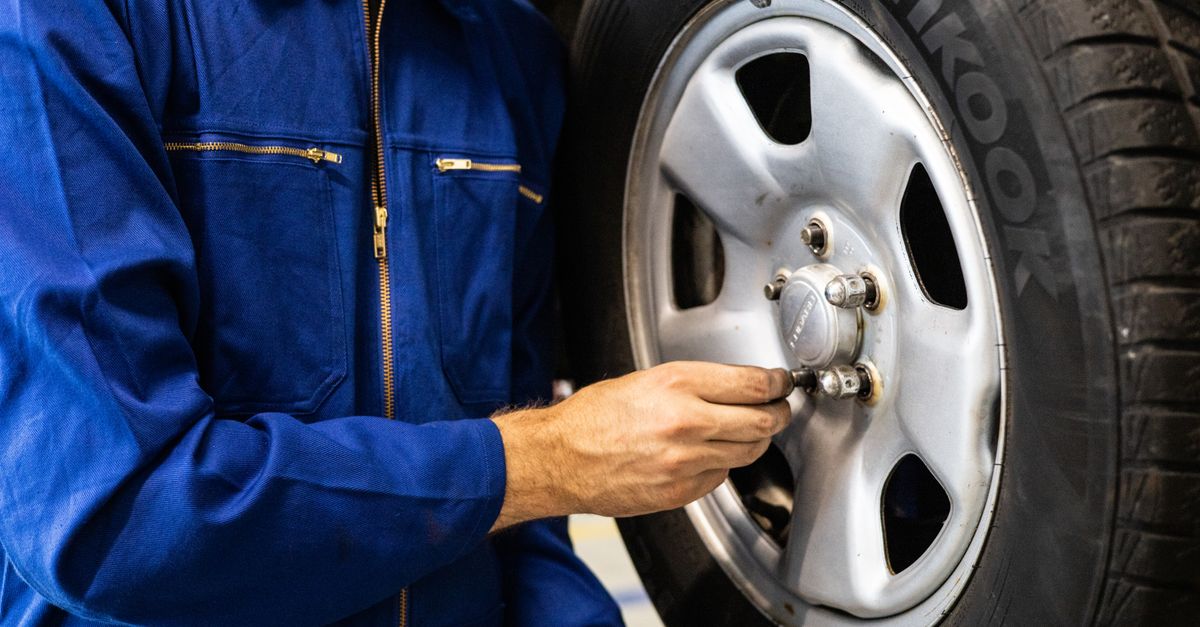
Maintenance, Brakes, and Tire Wear
Long-term maintenance costs can derail a tight family budget if you purchase a vehicle prone to expensive mechanical failures. Both classes of vehicles share mechanical underpinnings with common sedan and crossover platforms, keeping basic parts widely available and familiar to independent mechanics.
However, weight is the enemy of maintenance longevity. Heavier three-row SUVs put more stress on brake rotors, pads, suspension bushings, and tires. Replacing a set of tires on a large crossover often costs significantly more due to larger wheel diameters and heavy-duty load ratings required to support the vehicle’s gross weight.
Minivans manage weight efficiently, resulting in reasonable wear rates for standard wearable components. One caveat with older used minivans involves the sliding door motors and power liftgates. Complex electronic doors can fail over time, and replacing actuators or sensors can be pricey. When shopping pre-owned, thoroughly test every power door function—including key fob operation and obstacle detection sensors—to ensure smooth operation before signing the paperwork.
Common Mechanical Pain Points to Check on Used Models
When evaluating pre-owned options, specific mechanical and electrical components deserve careful inspection during a pre-purchase inspection (PPI) by an independent mechanic.
For used minivans, pay attention to sliding door tracks, window regulators, and transmission shift quality. Certain model years across brands like Chrysler, Honda, and Toyota have known transmission quirks or suspension component wear, particularly lower control arms and sway bar links that bear the brunt of heavy passenger loads. Reviewing service records helps verify whether previous owners addressed factory technical service bulletins (TSBs).
For used three-row SUVs, inspect the condition of the all-wheel-drive transfer case, suspension struts, and cooling systems. Because many three-row SUVs are heavier and driven harder on highway grades, cooling systems and brakes work overtime. Check brake pad thickness and rotor condition, as replacing warped rotors on a heavy crossover can quickly add up to a costly initial repair bill right after purchase.
Real-World Family Scenarios: Road Trips, Sports Leagues, and Carpools
To truly understand the value proposition, consider how these vehicles perform across standard family use cases. Picture a rainy Saturday morning involving soccer tournaments, grocery runs, and transporting four kids with varying gear requirements.
In a minivan, you simply slide open the door, toss sports bags into the deep rear well, click children into their respective rows without contorting your body, and slide the door shut with a touch of a button. Groceries sit securely in the back well without rolling around. If the weather turns foul, everyone stays dry while climbing aboard because the sliding door creates a massive sheltered portal.
In a three-row SUV, loading gear requires careful tetris-style packing. If the third row is up, gear must fit into the narrow space between the tailgate and seatbacks. If you fold the third row down to create cargo space, you sacrifice seating capacity, meaning you cannot take extra neighborhood kids to the game. These operational compromises compound over years of ownership, impacting daily convenience in subtle ways.
Resale Value and Long-Term Market Trends
While minivans depreciate faster initially, their long-term value flattens out remarkably well. A clean, reliable pre-owned minivan with working electronics and a solid service history will always find a steady market among budget-conscious growing families who refuse to pay inflated crossover prices.
SUVs hold higher sticker prices throughout their lifecycle, but they are also subject to shifting fuel prices and consumer trends. If fuel costs spike, large SUV values can soften quickly, whereas practical family transport remains consistently in demand regardless of macroeconomic swings. When it comes time to sell your vehicle after five years of family duty, a well-maintained minivan often sells surprisingly fast because supply in the used market is relatively constrained compared to the flooded crossover segment.
Frequently Asked Questions About Pre-Owned Family Vehicles
Is an all-wheel-drive minivan better than a front-wheel-drive minivan with winter tires?
While some modern minivans offer all-wheel drive, equipping a front-wheel-drive minivan with a dedicated set of winter tires provides superior braking and cornering grip in snow compared to an AWD vehicle running standard all-season tires. Tires dictate grip; drivetrain configuration only dictates forward momentum.
How many car seats can realistically fit in a used minivan vs a 3-row SUV?
Minivans easily accommodate three car seats across the second or third rows due to generous cabin width and multiple LATCH anchor sets. Most midsize three-row SUVs struggle to fit more than two car seats comfortably without blocking access to the third row or forcing awkward configurations.
Are sliding doors expensive to repair if they break?
Power sliding door repairs can range from minor sensor adjustments to expensive motor replacements. Always test power doors manually and electronically during a test drive to ensure smooth operation and avoid unexpected post-purchase repair bills.
Making Your Final Decision
Choosing between a used minivan and a three-row SUV comes down to prioritizing your family’s daily workflow over exterior styling. If you routinely transport three or more children, manage multiple car seats, and value effortless parking-lot loading, a pre-owned minivan delivers unmatched functional value and lower total cost of ownership.
If you live in a region with severe winter weather requiring high ground clearance, frequently tow a heavy trailer, or simply refuse to drive a van for aesthetic reasons, a three-row SUV remains a viable alternative—provided you budget adequately for higher fuel consumption and steeper purchase prices.
Inspect service records, verify previous use as a personal vehicle rather than a commercial rental when possible, and test-drive both options with your actual car seats installed. Your wallet and your sanity will thank you.