When summer temperatures climb and household air conditioning struggles to keep up, indoor pet owners face a hidden hazard. While humans feel warm, enclosed glass and wooden vivariums can rapidly transform into literal ovens. Executing an effective reptile heat stress care guide routine is essential for maintaining safe microclimates. Because reptiles are ectotherms relying entirely on external environmental sources to regulate their core body temperature, they cannot sweat or pant effectively to cool themselves down. When ambient room temperatures rise unchecked, a terrarium can easily exceed safe biological thresholds, putting your pet at immediate risk of neurological damage, organ failure, or fatal heatstroke.
Managing seasonal temperature fluctuations requires more than simply unplugging a heat mat. It demands a systematic approach to habitat design, accurate digital monitoring, strategic ventilation, and rapid intervention when summer heat waves overwhelm your home climate control system. This guide breaks down the science of thermoregulation, helps you map out your enclosure’s thermal gradients, and outlines practical, safe steps to keep your scaly companions cool and healthy all season long.
Understanding Ectotherm Physiology and Thermal Limits
To prevent overheating, you must first understand how reptiles interact with heat. Unlike mammals, a reptile’s internal body temperature matches its immediate environment. In nature, a bearded dragon, leopard gecko, or corn snake moves dynamically between direct sunlight and deep underground burrows to maintain its preferred optimal temperature zone, known as the POTZ. Inside an artificial glass box, however, the animal’s movement options are restricted by the physical boundaries of the cage.
When external room temperatures push past eighty degrees Fahrenheit, the ambient baseline of the entire room rises. If your house lacks central air conditioning, the cool side of your terrarium may no longer offer a true thermal refuge. Without a genuine cool zone, your reptile cannot dump excess body heat. This continuous, unrelieved thermal exposure forces accelerated metabolic rates, rapidly depleting energy stores, straining renal function, and initiating systemic dehydration.
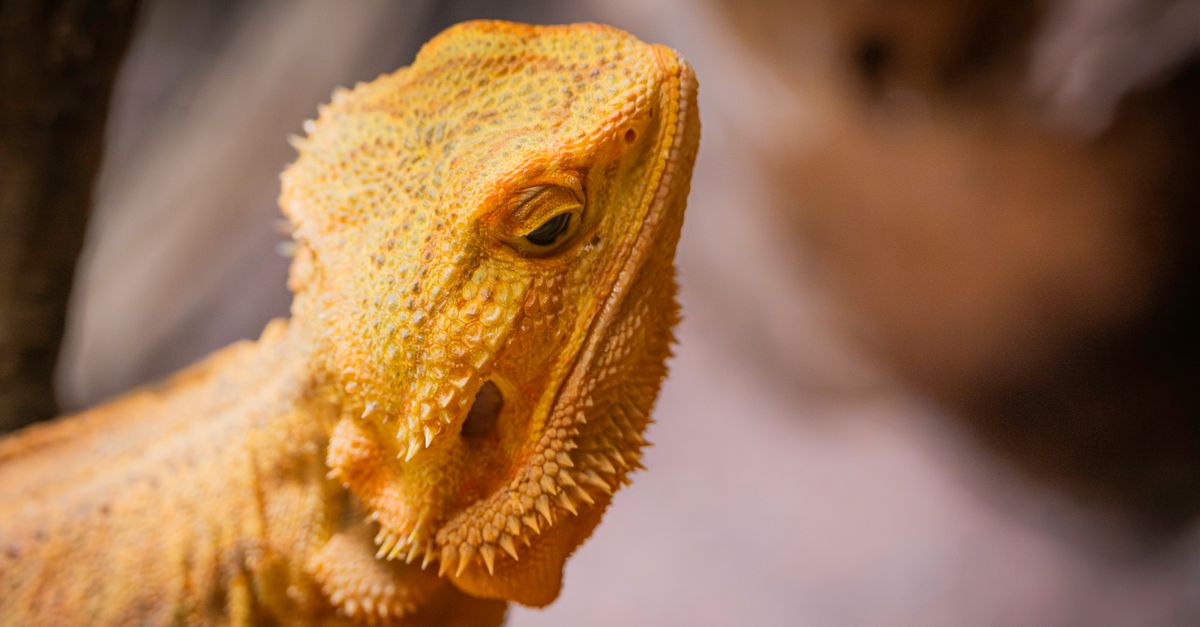
It is vital to recognize that different species possess wildly different biological tolerances. Desert species like bearded dragons, uromastyx, and leopard geckos are adapted to intense daytime heat in their natural habitats, but even they have strict thermal ceilings. Once ambient temperatures inside an enclosure persistently exceed ninety-five to one hundred degrees Fahrenheit without a cooler gradient, proteins within the animal’s cells begin to denature. Tropical species, such as green tree pythons, red-foot tortoises, and emerald tree boas, have an even lower threshold; temperatures sustained above eighty-five to eighty-eight degrees can trigger fatal heat stress in these rainforest dwellers much faster than their arid counterparts.
Furthermore, prolonged heat exposure disrupts normal enzyme function. Reptiles rely on specific internal temperatures to digest food properly. When environmental heat forces their body temperature too high, metabolic processes speed up dangerously. The animal’s heart rate increases, cellular oxygen demands skyrocket, and the liver and kidneys work overtime to process waste products. If this state persists for days or weeks during a prolonged summer heat wave, the animal’s internal organs suffer chronic wear and tear, leading to long-term health complications even if immediate survival is maintained.
Establishing Accurate Temperature Monitoring Systems
You cannot manage what you do not accurately measure. Relying on cheap, adhesive analog dial thermometers stuck to the side of a glass tank is one of the most common and dangerous mistakes reptile owners make. These stick-on dials often read ambient glass temperature rather than actual air temperature, and they can be off by ten to fifteen degrees—a margin of error that can prove fatal during a heat wave.
A reliable monitoring setup requires independent digital thermometers with remote probes placed at multiple levels within the enclosure. You need at least one probe on the warm basking side, one in the middle ambient zone, and a third on the cool side near the substrate. For precision, invest in an infrared temp gun. This handheld device lets you instantly scan surface temperatures across rocks, branches, and hides from across the room, giving you an immediate picture of how heat is distributing across the habitat.
Beyond static thermometers, modern keeper setups benefit greatly from smart digital hygrometers and thermometers equipped with Wi-Fi alerts. These devices can notify your smartphone if temperatures in the terrarium cross a pre-set threshold while you are away at work or running errands during a hot afternoon. This proactive layer of technology bridges the gap between manual checks and potential disasters, ensuring you can return home to adjust room cooling or modify habitat lighting before your pet suffers thermal distress.
When positioning your probes, avoid placing them directly under the intense focus of a basking bulb or immediately against heating elements, which only measures the heater’s output rather than the actual air temperature experienced by the animal. Suspend probes securely using clips or zip ties in the open air of the enclosure where your reptile actually moves, ensuring your readings reflect true ambient conditions across the thermal gradient.
Humidity Management During Summer Heat Waves
Temperature and relative humidity are inextricably linked inside an enclosed vivarium. As ambient heat rises, the capacity of the air to hold moisture shifts, often leading to rapid drying out of substrate or, conversely, dangerous tropical humidity spikes if rooms are stuffy and stagnant.
Monitoring humidity requires digital hygrometers placed on both ends of the cage. If you keep desert species like bearded dragons or uromastyx, high summer humidity combined with elevated heat creates a stifling, humid-heat trap that mimics a dangerous tropical swamp. Conversely, tropical species like ball pythons or red-foot tortoises need adequate moisture to prevent shedding complications and respiratory distress, but high heat can dehydrate them rapidly.
To balance humidity during hot spells, increase physical ventilation without causing a complete draft. If your enclosure uses a full mesh screen top, avoid covering any portion of it during heat waves, even if you are struggling to keep humidity up. Prioritizing airflow to prevent stagnant heat buildup always supersedes minor humidity deficits during extreme weather events. You can manage localized moisture by offering a slightly larger, clean water bowl for soaking, or by spot-misting specific hides rather than soaking the entire substrate.
Additionally, keep in mind that high ambient temperatures combined with damp organic substrates create an ideal breeding ground for harmful bacteria, mold, and fungi. During hot summer weeks, monitor your vivarium substrate daily. Spot-clean waste immediately, remove unconsumed fresh foods that spoil rapidly in the heat, and consider replacing absorbent substrates more frequently if you notice any musty odors or excessive condensation forming on the interior glass walls.
For tropical species requiring elevated ambient moisture, evaluate your automatic misting systems or manual spray schedules. In intense heat, water evaporates much faster, which can cause sudden spikes in relative humidity immediately after misting followed by bone-dry conditions hours later. Splitting misting cycles into shorter, more frequent bursts or utilizing deep, moisture-retaining subterranean layers like coconut coir beneath topsoil can help stabilize humidity fluctuations without turning the enclosure into a stifling greenhouse.
Adjusting Lighting, Heating Elements, and Thermostats
Your standard winter and spring lighting schedules must be modified as summer arrives. Ambient indoor heating combined with high-wattage basking lamps will easily overheat a tank. The most critical tool in your seasonal adjustment kit is a reliable thermostat with dimming or proportional control capabilities.
Check your heating devices and ensure every heat source—ceramic heat emitters, incandescent basking bulbs, and under-tank heating pads—is plugged directly into a quality thermostat. During summer heat waves, you may need to step down to lower-wattage basking bulbs or reduce the daily operational hours of secondary heat sources. If your home regularly stays above eighty degrees Fahrenheit during the day, you may not need any artificial ambient heat source at all; your primary focus shifts entirely to managing UVB output and providing a safe, unheated thermal refuge.
When selecting alternative basking bulbs for summer, consider bulbs that produce lower overall ambient heat while maintaining appropriate UVA and UVB spectra required for vitamin synthesis. Many keepers successfully switch to lower-wattage halogen flood bulbs or compact fluorescent UVB tubes paired with separate linear fluorescent fixtures that emit minimal waste heat. Always test your lighting adjustments for at least forty-eight hours before peak summer weather hits, monitoring the enclosure continuously to verify that your new thermal gradient meets your species’ specific requirements.
Furthermore, review your photoperiod timers. In natural equatorial and temperate regions, summer days are longer, but in an indoor room already warmed by late-afternoon sun, running heat lamps for twelve to fourteen hours can push enclosures past safe limits. Shortening the runtime of primary basking lamps by an hour or two on exceptionally hot days—while maintaining consistent UVB exposure schedules—can significantly reduce the total heat load introduced into the habitat.
Recognizing Early Signs of Heat Stress and Hyperthermia
Reptiles rarely vocalize distress, making subtle behavioral changes your primary warning system. Catching the early stages of overheating can prevent irreversible organ damage. Familiarize yourself with the behavioral shifts that signal a reptile is struggling to cope with excessive warmth.
- Ceaseless Glass Surfing: While normal in new enclosures, frantic, nonstop pacing along the front glass often indicates the animal is desperately searching for a cooler area that does not exist.
- Persistent Open-Mouth Breathing: Unlike dogs, reptiles rarely pant. Gaping or keeping the mouth open inside a warm enclosure is a clear sign of severe heat stress and respiratory compensation.
- Lethargy and Paralysis: Extreme heat cooks cellular proteins. A sluggish animal that refuses to right itself or appears uncoordinated requires immediate cooling intervention.
- Abnormal Skin Tenting: Dehydration accompanies heat stress. Gently pinch the skin; if it stays elevated rather than snapping back immediately, the animal is critically low on fluids.
Beyond these primary indicators, watch for subtle postural changes. A reptile suffering from thermal discomfort may flatten its body against the coolest available surface, submerge itself entirely in its water bowl for uncharacteristically long periods, or display erratic, frantic climbing behavior as it tries to escape the warm air accumulating at the bottom of the enclosure. In snakes, excessive soaking or restlessness accompanied by bubbling saliva or mucus around the nostrils can signal that heat-induced stress has compromised the immune system, paving the way for secondary respiratory infections.
Appetite suppression is another early indicator of environmental stress. While reptiles may naturally slow down their eating during the hottest months of the year, a sudden refusal of food combined with unusual restlessness or muscle twitching should immediately prompt you to check your digital thermometers and evaluate the overall thermal gradient of the vivarium. Documenting these behavioral shifts in a notebook or pet care log can also provide valuable context if you need to consult an exotic veterinarian.
Step-by-Step Emergency Cooling Protocols
If your home loses power during a summer heat wave, or if ambient temperatures spike beyond safe biological limits, you must act quickly. However, emergency cooling must be executed gradually; shocking a reptile with ice-cold water or rapid air conditioning blasts can trigger severe physiological shock and respiratory infections.
- Unplug All Heat Sources Immediately: Cut power to basking lamps, heat mats, and ceramic emitters to halt further heat input.
- Relocate to the Coolest Room: Move the entire enclosure—or safely transfer your reptile into a secure, ventilated transport tub—to a basement, windowless interior bathroom, or the lowest level of your home.
- Increase Airflow Safely: Set up a room fan to circulate air around the enclosure, but never point a direct, high-velocity fan squarely at a stressed reptile, as this causes rapid, dangerous evaporative drying.
- Provide a Cool Soak: Fill a shallow container with lukewarm to tepid water—never cold water. Allow the reptile to soak its lower body and belly for fifteen to twenty minutes while closely supervising.
- Offer Hydration: Use a clean syringe or eyedropper to place droplets of fresh water on the tip of the reptile’s snout, allowing them to drink voluntarily if they choose.
When executing these emergency steps, remain calm and handle your pet gently. Stressed and overheated reptiles are often more defensive or uncoordinated than usual. If you must transfer your pet to a temporary plastic storage tub with drilled ventilation holes, line the bottom with damp paper towels to maintain gentle humidity and provide a secure, dark hide box where the animal can decompress away from human activity.
Monitor your reptile closely throughout the cooling process. As body temperatures normalize, you should see normal posture return, breathing rates stabilize, and alertness improve. If the animal remains unresponsive, limp, or displays involuntary muscle spasms after thirty minutes of gentle cooling in a safe environment, prepare for an immediate emergency veterinary visit. Time is critical when hyperthermia progresses past the point of home intervention.
Designing a Heat-Resilient Summer Vivarium Setup
Long-term prevention is vastly superior to emergency intervention. Designing or modifying your reptile habitats with seasonal shifts in mind ensures stability year-round. Start by evaluating the physical placement of your terrariums within your home. Never place an enclosure directly in front of a sunny, unshaded window, even if the window remains closed. Direct sunlight shining through glass acts as a greenhouse, superheating the interior within minutes regardless of room temperature.
Ensure your furniture and tank stands place enclosures at least a few feet off the floor where air circulation is generally more stable. Consider upgrading to enclosures with superior cross-ventilation, such as PVC cages with side vents rather than solid glass aquariums that trap warm air like a dome. Additionally, incorporate heavy cork bark flats, dense slate tiles, and subterranean hide boxes filled with slightly damp sphagnum moss. These natural materials act as thermal sinks, providing cool subterranean microclimates where your pet can escape ambient heat peaks naturally.
When selecting internal decor, prioritize items that do not absorb and retain excessive ambient heat. Heavy limestone or ceramic rocks placed on the warm side of the enclosure can store thermal energy long after lights are turned off, inadvertently heating the cage overnight during warm summer evenings. Opt for lightweight woods like ghost wood or manzanita, and utilize hollow cork rounds that offer shaded retreats without trapping dense heat masses.
Furthermore, evaluate the room housing your reptiles. If possible, invest in a dedicated portable window air conditioning unit or a high-efficiency ceiling fan for the pet room. Keeping the ambient temperature of the room stable between seventy-two and seventy-eight degrees Fahrenheit provides a reliable foundation upon which you can build a safe, controllable thermal gradient inside every terrarium in your collection.
Common Mistakes to Avoid During Heat Waves
Well-meaning owners often make critical errors when trying to cool down an overheating pet. Avoiding these pitfalls will protect your animal from secondary injuries:
- Using Ice Cubes or Ice Water: Submersing an overheated reptile in ice water causes rapid peripheral vasoconstriction, trapping core heat inside the body and inducing severe physiological shock.
- Over-Misting Glass Tanks: Drenching a hot, enclosed glass tank turns it into a humid sauna, creating a breeding ground for harmful bacteria and making breathing difficult.
- Forced Feeding: High temperatures suppress digestive enzyme function. Offering large meals to a heat-stressed reptile can lead to food rotting in the gut and fatal regurgitation.
- Neglecting Nighttime Temperature Drops: Reptiles need a nighttime cooling period to recover metabolically. If your house stays hot twenty-four hours a day, use portable air conditioning units in the pet room to ensure nighttime relief.
Another frequent error is relying on chemical cooling packs or frozen gel packs placed directly inside the enclosure. While these items can lower local temperatures, direct contact with frozen surfaces can cause severe thermal burns and tissue necrosis on a reptile’s sensitive belly scales. If you use frozen packs during an extreme emergency, wrap them thoroughly in thick towels and place them on top of the exterior mesh screen lid—never inside the cage where the animal can touch them directly.
Finally, avoid panicking and drastically altering all enclosure parameters at once. Making rapid, radical changes to lighting, substrate, and humidity multiple times a day creates chronic instability that stresses the animal far more than a stable, slightly elevated environment. Implement changes thoughtfully, measure the results with digital tools, and give your pet twenty-four hours to adjust before making further modifications.
When to Consult an Exotic Veterinarian
While minor heat stress can often be resolved by adjusting room environments and providing tepid soaks, severe hyperthermia is a veterinary emergency. If your reptile exhibits signs of neurological impairment—such as head tremors, loss of balance, inability to lift its head, or unresponsiveness—contact an experienced exotic animal veterinarian immediately.
Prolonged overheating causes cellular breakdown, secondary kidney damage, and severe electrolyte imbalances that require professional fluid therapy and supportive medical care. Do not wait for symptoms to resolve on their own if your pet has suffered from prolonged exposure to temperatures significantly above its species’ maximum safe threshold. Routine annual wellness checks also establish a healthy baseline, ensuring your pet enters the summer season in peak physical condition and better equipped to handle minor environmental stress.
When transporting an overheated reptile to the clinic during hot summer months, ensure your vehicle’s air conditioning is running and cooling the cabin before placing the transport carrier inside. Line the carrier with a damp, room-temperature towel, keep direct sunlight off the container using a light blanket or sunshade, and call the veterinary clinic ahead of time to let them know you are en route with an emergency heat-stroke case so their medical team can prepare supportive equipment immediately upon your arrival.