When summer temperatures rise, households without central air conditioning or those experiencing sudden heat waves face a hidden vulnerability: pet rabbits. A thorough rabbit heat stroke prevention care guide is essential because rabbits are biologically engineered to survive in underground burrows and lack efficient natural cooling mechanisms. They do not sweat effectively across their bodies, possessing only rudimentary sweat glands on the pads of their feet that do little to release thermal load. Furthermore, they cannot pant the way dogs and cats do to evaporate moisture and cool down. Instead, they rely primarily on their large, highly vascular ears to dissipate heat into the surrounding environment. When indoor temperatures climb past 80 degrees Fahrenheit, this natural cooling system can easily become overwhelmed.
Understanding your rabbit’s biological vulnerability is the first step toward keeping them safe throughout the grueling summer months. Unlike cats or dogs, rabbits mask physical discomfort exceptionally well. In the wild, showing weakness makes a rabbit an immediate target for avian and terrestrial predators, so domestic rabbits retain this instinctual stoicism even in climate-controlled living rooms. By the time an owner notices that something is wrong, a rabbit may already be in critical distress. This guide explores the intricate biology of rabbit body temperature regulation, early behavioral indicators of heat stress, safe passive cooling methods, advanced hydration strategies, breed-specific risk factors, and emergency steps to take if the worst happens.
Understanding Rabbit Thermoregulation and Heat Tolerance
To keep your rabbit safe, it helps to understand how their bodies process and expel heat. Rabbits thrive in ambient temperatures between 60 and 70 degrees Fahrenheit. When room temperatures creep into the upper 70s, rabbits begin working noticeably harder to stay comfortable. Once temperatures hit 85 degrees Fahrenheit or higher, the risk of heat stroke skyrockets dramatically, particularly for long-haired breeds like Angoras, overweight rabbits, seniors, or bunnies with underlying health conditions.
A rabbit’s ears are packed with an intricate network of delicate blood vessels, known technically as arteriovenous anastomoses. As warm blood flows through these vast vascular beds in the ears, heat is released into the surrounding air through convection and radiation. However, this physiological mechanism only works effectively if the ambient air temperature is lower than the rabbit’s internal body temperature, which normally sits between 101 and 103 degrees Fahrenheit. If your home is stuffy and hot, the ears actually absorb ambient heat rather than releasing it, trapping thermal energy inside the body and causing the core temperature to rise rapidly without warning.
Furthermore, humidity plays a major role in this thermal equation. High humidity prevents moisture from evaporating off the skin and respiratory surfaces, rendering the rabbit’s minor cooling pathways virtually useless. A room sitting at 75 degrees Fahrenheit with 80 percent humidity can feel far more dangerous and oppressive to a rabbit than a much drier room sitting at 80 degrees.
Metabolic heat production also increases when rabbits digest heavy, fibrous diets or experience anxiety. During a heat wave, your rabbit’s body is fighting a constant battle against both internal metabolic processes and external environmental heat. Recognizing this dual pressure highlights why active temperature management is non-negotiable during peak summer months.
Recognizing Early Signs of Heat Stress vs. Full Heat Stroke
Catching heat stress in its earliest stages can save your rabbit’s life. Owners must monitor their pets daily during hot weather, looking past routine resting behaviors to spot subtle shifts in posture, appetite, and activity levels before they escalate into an irreversible medical crisis.
- Red Flags and Behavioral Changes: Lethargy, refusal to eat favorite treats or fresh greens, uncharacteristic aggression, panic, or hiding in unusual dark corners are early warning signs that the body is overheating.
- Postural Shifts: A heat-stressed rabbit will often flatten out completely on a cool floor, stretching its legs out behind it to maximize surface contact, and breathing heavily with flared nostrils and rapid chest movements.
- Physical Indicators: Salivation around the mouth, wetness under the chin from drooling, and hot, bright red ears indicate that the cardiovascular system is working overtime to push blood to the surface in a desperate bid to cool down.
As heat stress transitions into full heat stroke, symptoms become severe and life-threatening. You may notice extreme weakness, stumbling, loss of coordination, muscle tremors, seizures, or total unresponsiveness. Heat stroke causes multi-organ failure, neurological damage, and requires immediate veterinary intervention. Knowing the difference between mild discomfort and a medical emergency allows you to act decisively before permanent damage occurs.
Preparing Your Indoor Environment Before Heat Waves Hit
Prevention starts with meticulous environmental management. You do not necessarily need to blast air conditioning 24/7, but you must control the microclimate around your rabbit’s habitat. Place enclosures away from direct sunlight streaming through windows, as glass acts as a greenhouse and can quickly overheat a localized space in a matter of minutes.
If you rely on natural ventilation or electric fans, remember that electric fans do not lower room temperature; they only move air. While a fan can help circulate cooler air when positioned near an open window at night, blowing hot air directly onto a rabbit can actually cause rapid dehydration and unnecessary stress. Instead, use fans indirectly to exhaust warm air out of a room or to push air across cooling surfaces rather than blowing it straight onto your pet.
Consider moving your rabbit’s primary living space to the coolest level of your home. Since heat rises naturally, upper floors and finished attics can easily become stifling, while basements or lower-level rooms stay noticeably cooler throughout the summer months. Always ensure good airflow in these spaces to prevent stagnant, humid air pockets from forming around the enclosure.
Investing in a reliable digital hygrometer and thermometer placed directly at rabbit height in the enclosure ensures you have accurate, real-time data rather than guessing room conditions based on a thermostat located across the house or on a different floor level.
Safe Passive Cooling Methods: Tiles, Jugs, and Ice Packs
When outdoor temperatures peak, passive cooling tools provide immediate relief without posing electrical hazards or requiring constant monitoring. Ceramic and granite tiles are a rabbit owner’s best friend during the summer. You can purchase inexpensive unglazed ceramic floor tiles from a local hardware store, wipe them clean, and place them directly in your rabbit’s enclosure or exercise area. Rabbits naturally gravitate toward these cool surfaces, pressing their bellies against the stone to draw heat away from their bodies efficiently.
Another effective strategy is using frozen water bottles or commercial ice packs wrapped securely in thick fleece or cotton pillowcases. Never place bare ice or frozen packs directly against a rabbit’s fur or skin, as extreme cold can cause tissue damage, frostbite, or systemic shock. Wrap the bottles tightly so your rabbit cannot chew on the plastic or ingest condensation, and place two or three bottles around the enclosure so the rabbit can choose how close to get.
To maximize the effectiveness of ceramic tiles, you can even place a few spare tiles in your refrigerator or freezer for a short time before placing them in the enclosure, giving your rabbit an extra chilling boost on blistering afternoons.
Optimizing Hydration Support During Hot Weather
Proper hydration is vital for successful thermoregulation. When rabbits get hot, they need constant access to fresh, clean water. Relying on a single water bottle can be risky if the ball bearing gets stuck, if the bottle becomes clogged with mineral buildup, or if the water warms up quickly and becomes unpalatable.
- Provide both heavy ceramic bowls and sturdy water bottles to give your rabbit multiple drinking options.
- Change the water at least twice a day, adding a few fresh ice cubes to keep it cool and refreshing throughout the afternoon.
- Encourage fluid intake by offering water-rich fresh vegetables such as washed leafy greens (romaine lettuce, cilantro, and parsley) dripping with water.
- Monitor water consumption daily; a sudden drop in drinking habits during hot weather is a major warning sign of impending illness or distress.
Emergency Cooling Protocols If Heat Stroke Occurs
If your rabbit exhibits advanced signs of heat stroke—such as limpness, confusion, or labored breathing—you must initiate emergency cooling immediately while arranging for professional veterinary transport. Speed is critical, but extreme caution is required to prevent putting the rabbit into shock through rapid, uncontrolled temperature drops.
Never submerge a rabbit in cold water or use ice-cold water baths. Instead, use room-temperature or slightly cool water to dampen their ears gently using a wet washcloth or cotton ball. As the water evaporates from the thin skin of the ears, it helps draw heat away safely. You can also place the rabbit near a gentle fan blowing past a frozen jug, ensuring the airflow is cool rather than hot.
Call your veterinarian or an emergency animal hospital while you begin cooling procedures so they can prepare for your arrival. Keep the transport carrier air-conditioned and line it with damp towels or cool tiles to maintain temperature control during the drive.
Breed-Specific Vulnerabilities During Summer
Not all rabbits possess the same tolerance for heat. Certain breeds face exponentially higher risks due to their physical conformation, coat density, or respiratory anatomy:
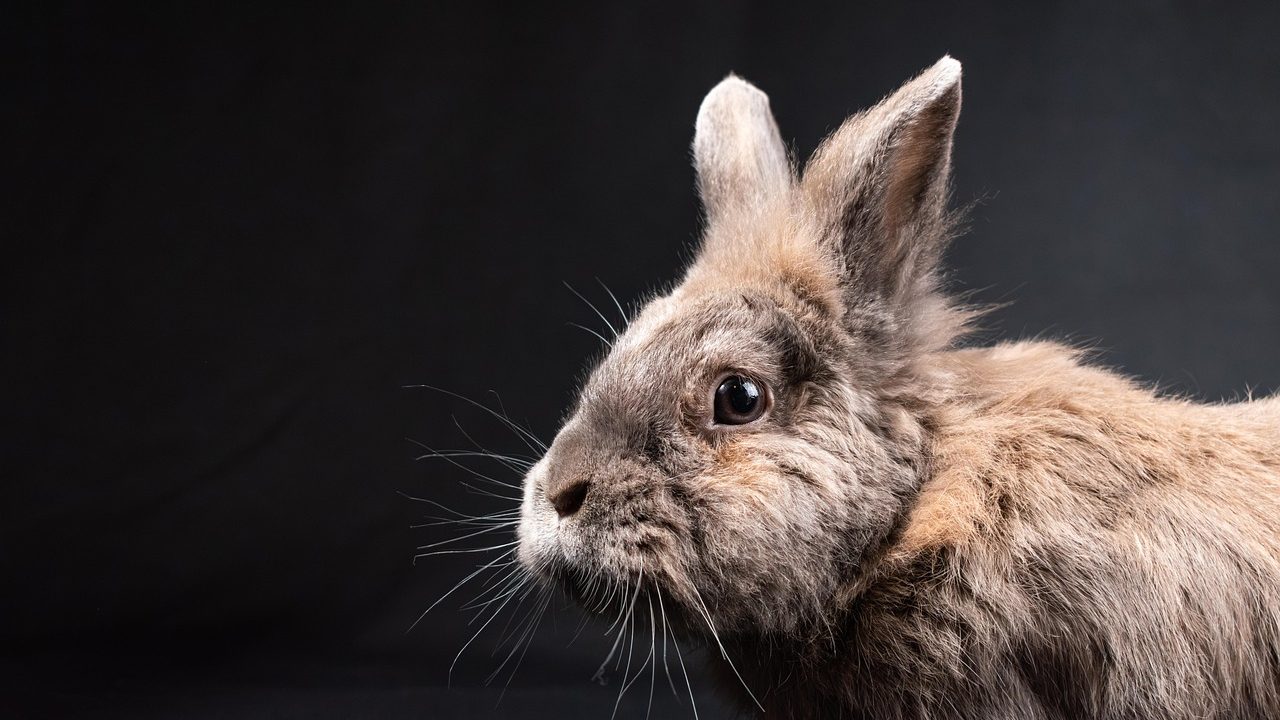
- Angoras and Lionheads: Their thick, dense wool coats act as heavy insulation traps. Regular summer shearing or brushing out dead undercoat is essential to prevent heat buildup.
- Brachycephalic Breeds (Dwarf breeds with shortened nasal passages): Similar to flat-faced cats and dogs, these rabbits already have compromised respiratory tracts, making it much harder for them to breathe efficiently when ambient temperatures rise.
- Overweight and Senior Rabbits: Extra fat layers retain internal body heat, while older rabbits have diminished cardiovascular endurance to handle the added strain of thermoregulation.
Summer Diet Adjustments for Heat Stress Management
Feeding habits often shift during hot weather, and owners should adapt accordingly. High-fiber diets consisting primarily of fresh grass hay generate metabolic heat during digestion. While hay must always remain available, supplementing with high-water-content vegetables and greens helps maintain hydration. Avoid feeding excessive high-calorie pellets during peak heat waves, as excess calories contribute to metabolic heat production and sluggishness.
Common Mistakes to Avoid When Cooling Pet Rabbits
Even well-managed households can make critical errors when trying to protect their pets from summer heat. Avoiding these common pitfalls ensures your rabbit remains safe throughout the season.
- Mistake: Using loose ice packs without barriers. Punctured ice packs or direct skin contact with frozen gel can cause severe cold burns and digestive distress if chewed.
- Mistake: Locking rabbits in small, unventilated carriers. Confining a rabbit in a plastic pet carrier in a warm room creates a humid microclimate that accelerates heat stroke.
- Mistake: Ignoring humidity. High humidity prevents moisture from evaporating off the rabbit’s body and ears, making 75 degrees feel much more oppressive than it would in dry air.
- Mistake: Relying solely on misting fur. Spraying water directly onto a heavy fur coat can trap moisture against the skin, creating a humid greenhouse effect rather than cooling the animal.
- Mistake: Placing fans directly facing the rabbit. Constant direct wind can cause eye irritation, respiratory discomfort, and stress without effectively lowering core body temperature.
Long-Term Summer Maintenance and Routine Monitoring
Maintaining a safe indoor environment requires consistent daily habits throughout the summer months. Check weather forecasts proactively so you can set up cooling tiles and extra water stations before heat waves peak. Grooming also plays an understated role in temperature regulation; brushing out loose winter undercoats helps long-haired and shedding rabbits stay significantly cooler.
By combining strategic environmental controls, reliable passive cooling tools, vigilant observation, and a solid emergency plan, you can protect your indoor rabbit from the dangers of summer heat and ensure they stay comfortable all season long.
Frequently Asked Questions About Rabbit Heat Safety
What is the safe temperature range for indoor rabbits?
Indoor rabbits are most comfortable in ambient temperatures between 60 and 70 degrees Fahrenheit. Temperatures above 80 degrees Fahrenheit require active monitoring and cooling interventions.
Can I use an air conditioner safely around rabbits?
Yes, air conditioning is one of the best ways to keep indoor rabbits safe. Just ensure the unit does not blow freezing air directly onto the rabbit’s enclosure, causing drafts.
How can I tell if my rabbit’s ears are too hot?
A rabbit’s ears should feel warm to the touch under normal conditions. If they feel hot, bright red, and the rabbit is lethargic or breathing heavily with flared nostrils, the rabbit is likely overheated.