Finding shop power equipment that fits a realistic budget often leads DIYers and home garage mechanics to look beyond brand-new inventory. A refurbished air compressor buyer guide is essential when evaluating units that have been returned, repaired, and recertified by the manufacturer or a third-party vendor. While a factory-renewed machine can easily save you twenty to forty percent off retail pricing, pneumatic tools demand rigorous mechanical health checks. Unlike a standard power drill, an air compressor relies on a pressurized vessel, an electric motor, and a mechanical pump working in harmony. If any single component is compromised, your bargain purchase can quickly turn into a safety hazard or a money pit.
When shopping for reconditioned shop equipment, you have to separate cosmetic blemishes from deep-seated mechanical wear. A scratched tank shroud or a dented plastic belt guard has zero impact on performance, but a scored cylinder wall, a leaking check valve, or a failing pressure switch will render the machine useless. This guide breaks down the exact evaluation framework you need to assess motor duty cycles, pump longevity, tank pressure retention, and warranty limitations before handing over your money. Understanding the distinction between a machine that was returned due to a minor cosmetic shipping box blemish versus one that suffered catastrophic internal thermal overload is the single most important factor in making a smart secondary-market purchase.
Understanding Factory-Certified vs. Third-Party Refurbished
Before examining hardware specifications, you must understand who actually performed the reconditioning work. The marketplace generally splits refurbished tools into two distinct categories: factory-certified (or factory-renewed) and third-party vendor refurbished. Knowing the difference protects you from unexpected mechanical failures and ensures you are not inheriting someone else’s unfixable workshop abandonment.
Factory-certified units are returned to the original manufacturer or their authorized service centers. Technicians typically replace worn soft goods, test the motor under load, recalibrate the pressure switch, and recertify the ASME safety valve. These machines usually ship with a legitimate manufacturer warranty and arrive in standardized packaging with all original accessories, including manual packets, air filters, and isolation feet. By contrast, third-party refurbishments are often handled by liquidators or independent tool repair shops. The quality of these rebuilds varies wildly depending on the technician’s expertise, access to genuine OEM replacement parts, and willingness to test the pneumatic system under actual working pressures rather than just checking for a basic motor spin.
When reviewing product listings, always verify the source of the reconditioning. If a major pneumatic brand stands behind the restoration with a formal one-year warranty, the risk drops significantly. If the warranty is a skimpy 30-day dealer guarantee, proceed with extreme caution and factor potential repair costs into your purchase price. Ask the seller whether internal wear parts like piston rings, reed valves, and check valves were inspected or replaced during the rebuild process. Reputable refurbishers will readily supply a checklist detailing the exact steps taken to restore the machine to working order.
Evaluating Motor Duty Cycles and Electrical Demands
The electric motor is the beating heart of any shop compressor, and it is also the most expensive component to replace if it fails. When evaluating a used or reconditioned machine, you need to understand how the motor was rated and how its past duty cycle might affect its remaining lifespan.
A duty cycle expresses the percentage of time a motor can run continuously within a given ten-minute window. A 50% duty cycle means the motor runs for five minutes and must rest for five minutes to dissipate heat. In home garages, mechanics frequently make the mistake of buying high-demand air tools—like sanders, grinders, or paint sprayers—and running a light-duty pancake compressor past its thermal limit. A refurbished unit that spent its previous life overextended in a small workshop may have compromised winding insulation, leaving it prone to premature burnout under standard loads. When evaluating a motor, inspect the cooling fins for heavy dust, grime, or paint overspray, which can trap heat and degrade motor longevity significantly.
Always check the motor’s amperage draw against your garage’s electrical setup. Many larger shop compressors require dedicated 230V circuits, while smaller portable units run on standard 120V household outlets. If a reconditioned motor hums instead of spinning when you test it, you could be dealing with a seized pump, a failed centrifugal switch, or a bad capacitor—issues that require immediate part replacement. Check the start and run capacitors for signs of bulging, leaking dielectric fluid, or a burnt electrical smell, all of which indicate that the motor has experienced severe electrical stress or power surges in its past service life.
Pump Wear Limits: Oil-Free vs. Oil-Lubricated Units
The pump is where ambient air is compressed into high-pressure pneumatic energy, and different pump designs wear out in distinctly different ways. As you compare options in this refurbished air compressor buyer guide, pay close attention to whether the unit features an oil-free or an oil-lubricated pump design.
Oil-free pumps rely on self-lubricating materials like Teflon-coated piston rings and composite cylinder sleeves. They require virtually zero maintenance, making them popular for casual DIY tasks, finish nailing, and tire inflation. However, oil-free pumps have a finite wear limit. Once those synthetic rings wear down against the cylinder wall, the pump loses volumetric efficiency, runs continuously, and eventually overheats. Because you cannot easily rebore an oil-free cylinder, a heavily used oil-free compressor has a strictly limited second life. If you are buying a factory-certified oil-free unit, verify that the cylinder sleeve shows no scoring or uneven wear lines visible through the intake port.
Oil-lubricated cast-iron pumps, conversely, are built for longevity and continuous duty cycles. They run cooler and quieter, and they can be rebuilt multiple times by replacing piston rings, reed valves, and gaskets. If you are looking at a heavy-duty vertical shop compressor that has been factory renewed, an oil-lubricated cast-iron pump is generally the safer long-term bet, provided the previous owner maintained proper oil levels. Check the sight glass or dipstick on oil-lubricated models; milky or metallic oil indicates severe internal wear, moisture contamination, or bearing failure. Always change the compressor oil immediately upon bringing a reconditioned unit home to establish a clean maintenance baseline.
Tank Pressure Retention and Structural Safety
Air compressor tanks are pressure vessels holding tremendous stored energy. A catastrophic tank failure is catastrophic for your safety, which makes tank inspection non-negotiable when buying reconditioned equipment.
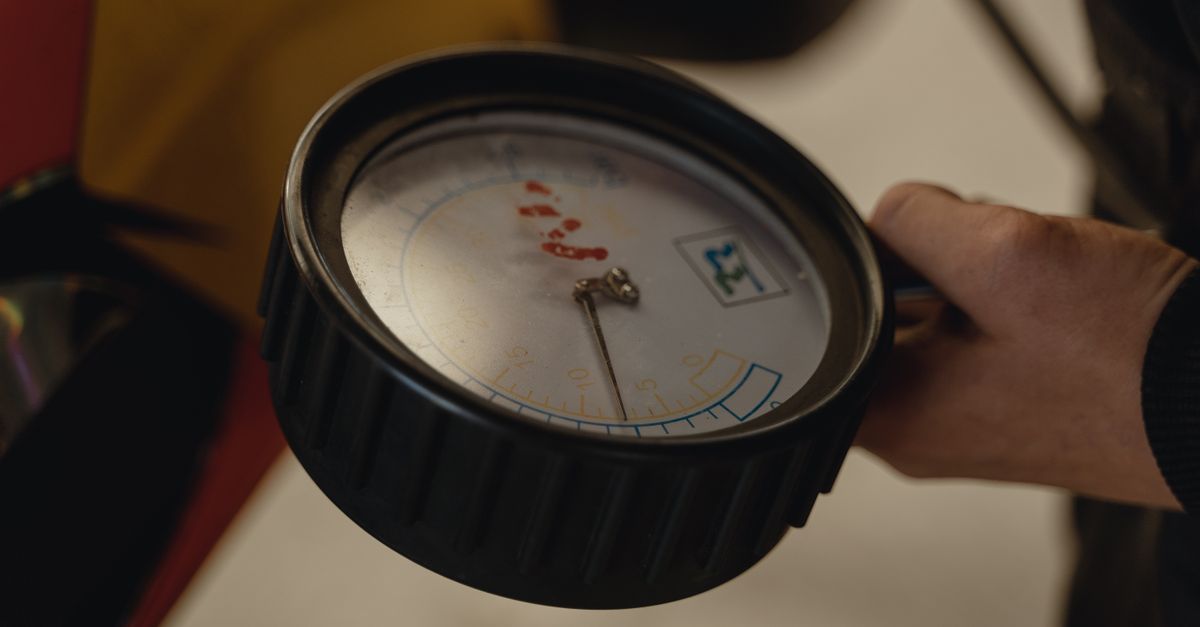
Start by testing the tank’s pressure retention. A healthy compressor should hold maximum tank pressure for hours without significant leakage. If you pump a unit up to 125 PSI and notice the needle dropping steadily while the machine is unplugged, you are dealing with a leak. Common culprits include a faulty check valve, a loose tank drain cock, loose plumbing fittings, or pinhole corrosion in the tank itself. Use a soapy water solution sprayed across all tank welds and fittings to isolate microscopic air leaks before finalizing your purchase.
Perform a thorough visual and tactile inspection of the tank exterior. Look for deep rust pitting, especially along the bottom welds where condensation naturally pools if the previous owner neglected to drain the tank daily. Factory refurbishers typically pressure-test tanks before resale, but a visual check gives you peace of mind. Never purchase a compressor with visible structural bulging, severe rust scaling, or evidence of amateur welding repairs on the pressure vessel. If a tank has been structurally compromised by internal rust, no amount of cosmetic paint touch-ups can restore its structural integrity under high pneumatic loads.
Pressure Switches, Check Valves, and Regulators
Pneumatic control systems consist of several small, highly stressed components that frequently take a beating in field service. When inspecting a refurbished unit, test every valve, switch, and gauge to ensure proper operation.
The pressure switch is responsible for cutting power to the motor when the tank reaches its maximum cutoff pressure and restarting it when pressure drops to the cutout threshold. Listen closely during a fill cycle: does the switch snap cleanly at the rated PSI, or does it hesitate and arc? A failing pressure switch will weld its internal contacts shut, causing the motor to run indefinitely and triggering the thermal overload protector or safety relief valve. Check the unloader valve line connected to the pressure switch as well; this small line vents trapped head pressure when the motor stops, allowing it to restart freely without fighting back against tank pressure.
Next, check the check valve located between the pump discharge tube and the tank. If this valve leaks backward when the pump stops, high-pressure air pushes back against the pistons, making it impossible for the electric motor to restart under load. You will hear a straining hum followed by a tripped breaker. Finally, verify that the regulator knob adjusts delivery pressure smoothly and that the safety relief valve pops open when manually pulled to prove it is not seized shut with varnish or corrosion.
Decoding Warranty Coverage Exclusions
Manufacturer warranties on factory-renewed power tools are your primary financial safety net, but they rarely mirror the coverage offered on brand-new equipment. Reading the fine print prevents unpleasant surprises if your compressor fails a month after purchase.
Many refurbished warranties shorten the coverage window from a standard three-year term down to 90 days or one year. Furthermore, warranty terms frequently distinguish between commercial and consumer use. If you purchase a reconditioned unit for a professional job site and it fails, the manufacturer may void the claim entirely based on commercial use restrictions. Always check whether the warranty covers both parts and labor or if you will be responsible for diagnostic and service bench fees.
Pay careful attention to shipping exclusions. Air compressors are heavy, bulky freight items. Many warranty policies require you to cover the cost of shipping a defective 150-pound vertical compressor back to an authorized service center, which can easily cost more than the original savings on the machine. Look for local authorized service dealer networks where you can drop off the equipment in person if warranty service becomes necessary. Additionally, confirm that consumable components like air filters, belts, and pump oil are excluded from warranty replacement claims, as manufacturers typically classify these items as standard owner maintenance.
Common Secondhand Pitfalls to Avoid
Even with factory certifications, certain red flags should cause you to walk away from a deal. Recognizing these common pitfalls keeps your workshop safe and productive.
- Unusual vibration or knocking: A loud metallic knock from the crankcase points to a spun rod bearing, loose connecting rod, or worn wrist pin.
- Excessive oil blow-by: If an oil-lubricated pump spits heavy oil mist out of the air filter or down the discharge line, the piston rings are shot.
- Modified electrical cords: Altered plugs or spliced power cords indicate past electrical abuse, incorrect phase matching, or DIY wiring fixes.
- Missing safety guards: Never accept a compressor missing its belt guard or shroud; exposed pulleys pose severe entanglement hazards.
- Vague return policies: Avoid purchasing reconditioned equipment from sellers who do not offer a clear inspection, testing, and return window.
Frequently Asked Questions About Refurbished Compressors
Navigating the secondary market for pneumatic tools raises several practical questions for DIYers and home garage mechanics. Reviewing these common inquiries helps clarify what to expect from reconditioned equipment.
Are factory-refurbished compressors as reliable as brand-new ones? In many cases, a factory-certified unit undergoes more rigorous hands-on testing than a mass-assembled brand-new unit fresh off the assembly line, because individual technicians must diagnose and resolve any initial manufacturing defects. However, their overall lifespan depends heavily on how well the previous owner maintained oil levels and tank drainage before the unit was returned.
Can I convert an oil-free compressor to an oil-lubricated pump? No, conversion is structurally impossible due to fundamental design differences in the crankcase casting, motor shafts, and cylinder head mounting configurations. You must purchase the pump type that matches your intended duty cycle and noise tolerance from the start.
What is the best way to test a refurbished compressor before buying? If purchasing in person, plug the unit into a dedicated circuit, drain the tank completely, and time how long it takes to reach maximum pressure while listening for unusual motor strain, slipping belts, or air leaks around the fittings and check valves.
Making the Final Buying Decision
Weighing the pros and cons of reconditioned shop gear comes down to balancing upfront savings against your technical comfort level. If you need a reliable machine for weekend automotive work, framing, or general inflation, a factory-certified unit from an established brand can deliver exceptional value without the premium price tag.
Always verify the source, inspect the pump and tank integrity, test the electrical draw under load, and read the warranty exclusions before buying. By applying this systematic evaluation framework, you can secure a high-performing shop compressor that handles your pneumatic workload reliably for years to come.