Shopping for outdoor power equipment often brings homeowners to a crossroads between premium retail prices and the deep discounts offered by renewed or factory-certified pre-owned inventory. A refurbished chainsaw buyer guide becomes essential when you are looking at savings that can easily reach thirty to forty percent off original retail pricing. However, gas-powered chainsaws are high-stress mechanical tools operating at high RPMs under demanding loads. Unlike a refurbished smartphone or household appliance, a discounted chainsaw carries distinct mechanical safety risks if it has been improperly serviced, poorly stored, or abused by a previous owner.
When manufacturers or authorized third-party liquidators offer a factory-certified refurbished chainsaw, the tool typically undergoes a multi-point inspection, replacement of consumable wear items, and functional testing before being repackaged. Even so, understanding what to look for when the box arrives on your porch can save you from costly downtime, fuel system headaches, or dangerous mechanical failures out in the woodlot. This guide breaks down the critical inspection steps, mechanical wear limits, and warranty conditions you need to evaluate before pulling the trigger on a renewed gas saw.
Understanding Factory-Certified Refurbished vs. Standard Used Saws
Before examining mechanical components, it helps to clarify what refurbished actually means in the realm of outdoor power equipment. A standard used chainsaw bought through a private peer-to-peer marketplace is typically sold strictly as-is. It may have hidden cylinder scoring, old varnish clogging the carburetor, or a warped chassis from overheating. You bear one hundred percent of the risk, with no recourse if the engine seizes after ten minutes of cutting firewood.
Factory-certified refurbished units, by contrast, usually originate from customer returns, minor cosmetic transit damage, or shelf displays that were sent back to the manufacturer or an authorized service center. Technicians are supposed to clean the unit, replace damaged plastics, rebuild or replace the carburetor if necessary, and test-run the engine. Crucially, these units come backed by a limited manufacturer warranty, which provides an essential safety net that private-party purchases completely lack. However, quality control can vary depending on whether the refurbishment was performed by the original tool manufacturer (such as Husqvarna or Stihl authorized facilities) versus a third-party liquidator, making a personal post-delivery inspection mandatory.
It is also helpful to distinguish between consumer-grade and professional-grade saws when shopping the refurbished market. Professional-grade saws feature split-case magnesium crankcases built for daily commercial abuse, whereas homeowner models often utilize polymer clamshell engine housings. When a homeowner saw is returned, it is often because the user attempted to cut large hardwood logs with a dull chain, overheating the plastic chassis and pinching the guide bar. Knowing the original pedigree of the saw helps you anticipate where hidden wear and tear is most likely to reside.
Initial Visual and Structural Inspection
Your physical evaluation should begin the moment you unpack the saw. Do not immediately fuel it up and pull the starter cord. Instead, systematically examine the exterior housing, fasteners, and major structural components for signs of severe previous trauma that slipped past the refurbishing facility’s quality control team.
Look closely at the polymer chassis and anti-vibration mounts. Cracks in the plastic fuel tank housing or handlebar frame indicate the saw was likely dropped from a height or suffered a severe pinch while felling. Check all external Torx or hex fasteners; stripped screw heads suggest an amateur previous owner attempted DIY teardowns without proper tools, potentially stripping internal threading within the engine block or handle mounts. Inspect the starter housing and pull-rope handle. A frayed rope or a cracked recoil cover points to excessive pulling force, often caused by trying to start a flooded engine incorrectly or ignoring a failing ignition module that fails to spark when hot.
Pay special attention to the muffler area. Remove the outer screen if accessible and look inside the exhaust port. A light coating of carbon is normal for a gas engine, but thick, oily sludge or heavy scoring visible on the exhaust side of the piston skirt indicates the saw was run on incorrect fuel ratios or straight gasoline without two-stroke oil. If you spot heavy scoring here, pack the saw back into its shipping box immediately; no amount of external cleaning will save an engine with a ruined piston and cylinder wall.
Evaluating Guide Bar and Saw Chain Wear Limits
The cutting attachment is the most visible indicator of how hard a chainsaw was worked prior to refurbishment. While manufacturers often replace heavily worn chains during the renewal process, they occasionally reuse the original guide bar to keep costs down to maintain their profit margins on discounted inventory.
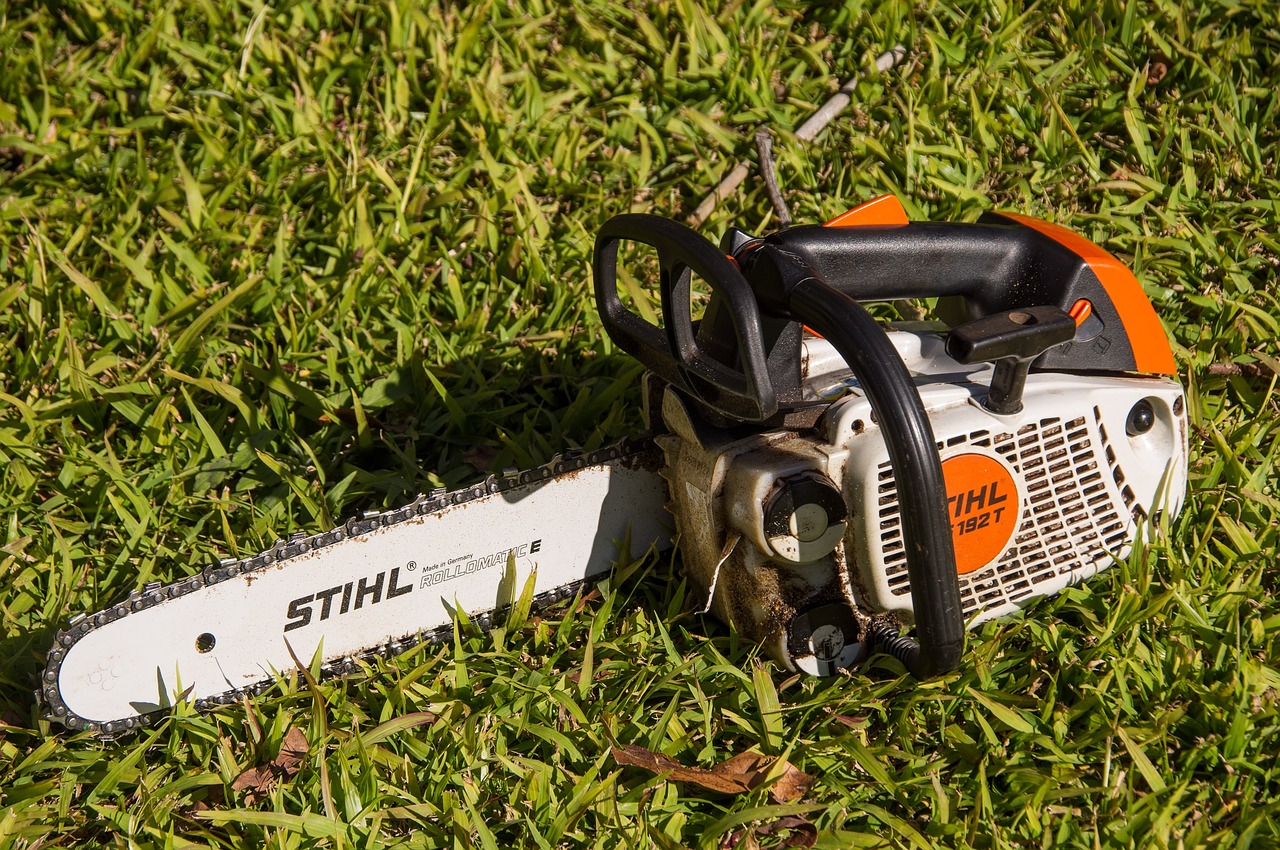
Inspect the guide bar rails for uneven wear, pinching, or burring. Run your thumb across the top edge of the rails; a healthy bar features crisp, square 90-degree edges. If the rails are mushroomed over, dished out in the middle, or deeply grooved on one side, the bar will cause the saw to cut crookedly and could cause the chain to throw mid-cut. Check the sprocket nose at the tip of the bar if it is a laminated sprocket-nose style. Spin the tip sprocket with a small screwdriver; it should rotate smoothly without grinding resistance or side-to-side slop. For the saw chain itself, look at the depth gauges (rakers) and cutter teeth. If the cutters have been filed back past the wear-indicator line or sharpened aggressively at incorrect angles, the chain will chatter, cut slowly, and throw excessive vibration into the powerhead, accelerating wear on the crankshaft bearings.
Furthermore, inspect the oil delivery hole on the guide bar tail. If this port is plugged with sawdust and resin, the bar will starve for lubrication, leading to accelerated friction and bluing of the steel bar tip. A professional refurbishment should include a cleaned and cleared oil channel, but checking it yourself prevents unexpected bar smoke during your first trial cut.
Engine Compression Testing
Internal engine health determines whether a refurbished gas chainsaw will run reliably for years or die an early death from scored cylinder walls. While a smooth pull on the starter rope gives you a general tactile impression of resistance, a proper compression test provides objective data that leaves no room for guesswork.
Remove the top engine cover to access the spark plug. Clean away any debris around the plug port before extraction to prevent foreign matter from falling into the combustion chamber. Thread a small-engine compression tester securely into the spark plug hole. Set the choke to the open position, lock the throttle wide open if the saw design allows, and pull the starter cord briskly four to six times until the gauge needle stops climbing. While exact psi specifications vary by displacement, cylinder design, and whether the engine features a decompression valve, a healthy two-stroke chainsaw engine generally requires a minimum of 120 to 130 psi to run efficiently and idle dependably under load.
Readings below 100 psi typically indicate scored piston skirts, worn piston rings, or deep cylinder scoring caused by running straight gas or operating under severe thermal stress. Some larger professional saws feature manual or automatic decompression valves that can leak slightly if carbon builds up around the plunger, giving a falsely low compression reading. If a low reading occurs, remove the valve, clean it, or plug the port temporarily to verify true cylinder pressure. If your refurbished saw arrives with genuinely low compression, initiate a return immediately rather than attempting a complex top-end rebuild yourself.
Fuel System and Carburetor Evaluation
Modern two-stroke carburetors feature tiny internal metering diaphragms, check valves, and minuscule fixed or adjustable jets. When a chainsaw sits unused in a warehouse or garage with standard ethanol-blended gasoline in the tank, the fuel breaks down over a matter of weeks, leaving behind a varnish-like crust that plugs these delicate internal passages.
Check the fuel lines inside the translucent tank using a bright flashlight. High-quality fuel lines should remain pliable, soft, and amber or clear depending on material. If the lines feel stiff, cracked, or gummy, they are degraded from old fuel exposure and will soon leak or suck air, leading to a dangerously lean-running condition that can melt a piston skirt. Inspect the fuel filter dangling inside the tank; it should be clean, porous, and free of dark varnish deposits.
When you finally add fresh mixed fuel (following the exact oil-to-gas ratio specified in the owner’s manual, typically 50:1 for modern synthetic oils), prime the bulb if equipped, and test-run the saw. It should start within a few pulls on full choke, transition smoothly to a fast idle once you blip the throttle to drop the choke flag, and settle into a steady, non-stalling low idle when you release the trigger. If the saw bogs down upon acceleration, hesitates, or refuses to hold an idle despite adjusting the low-speed carburetor screw, the internal diaphragms have likely stiffened and the carburetor will need a rebuild kit or ultrasonic cleaning.
Chain Brake and Safety Mechanism Checks
Safety features are non-negotiable on any power tool, but they are doubly important on a discounted or pre-owned machine where previous maintenance history is unknown or unverified. The chain brake is your primary defense against rotational kickback, which occurs when the upper quadrant of the guide bar tip contacts wood unexpectedly.
Test the mechanical inertia brake by pushing the front hand guard forward firmly; it should snap into the locked position with a distinct, audible click, immediately stopping the rotation of the clutch drum and drive sprocket. Next, perform a functional brake test: start the saw, elevate it safely off the ground at a low idle setting, and tap the front hand guard forward with the back of your left hand. The chain must halt instantly while the engine continues to run. If the brake slips, or if oil and wood debris have caked inside the clutch cover housing to impede the brake band, do not operate the saw until it is thoroughly serviced and cleaned.
Also inspect the chain catcher pin located beneath the clutch cover near the bottom of the bar mount. This small metal or heavy-polymer tab is designed to catch a derailed or broken chain and prevent it from whipping backward toward the operator’s hand. A missing or sheared chain catcher is a major red flag indicating a previous high-speed chain failure that must be inspected for collateral damage to the crankcase.
Common Startup Gremlins and How to Diagnose Them
When unboxing a refurbished chainsaw, it is not uncommon to encounter minor startup hurdles that stem from shipping procedures or residual testing fluids. Knowing how to differentiate between a simple flooded engine and a deeper mechanical fault prevents unnecessary panic or premature returns.
If the saw refuses to fire after ten pulls on full choke, you may have a flooded engine—a situation where raw fuel has saturated the spark plug electrode, preventing combustion. To clear a flood, switch the ignition to the off position, remove the spark plug, invert the saw so the spark plug hole points toward the ground, and pull the starter rope briskly five to six times to expel excess fuel from the cylinder. Wipe the spark plug dry, check the electrode gap, reinstall it securely, move the choke to the run or half-choke position, and attempt starting again.
Another frequent issue is a fouled spark plug resulting from excessive oil used during factory test runs. If the plug tip is coated in black soot or wet oil, clean it with a wire brush or replace it with the exact heat-range plug specified by the manufacturer. Ensuring your ignition spark is strong and blue—by grounding the threaded body of the removed plug against the cylinder head while pulling the rope—verifies that the ignition module is fully functional.
Decoding Manufacturer Warranty Terms and Exclusions
One of the primary benefits of buying factory-certified refurbished equipment is the accompanying warranty coverage. However, reading the fine print is vital because refurbished warranties often differ significantly from brand-new retail guarantees in duration and scope.
Many manufacturer-refurbished warranties last for 90 days or six months, compared to the one-year or multi-year consumer warranties offered on brand-new saws. Furthermore, review the exclusion clauses carefully. Normal wear items—including spark plugs, guide bars, saw chains, clutch springs, pull ropes, and air filters—are almost universally excluded from warranty coverage after the initial delivery inspection period. Additionally, verify whether warranty service must be performed by an authorized local dealer or if you are responsible for shipping a heavy gas-powered tool back to a central depot at your own expense. Understanding these logistical and financial boundaries ensures you are not unpleasantly surprised if a mechanical failure occurs months down the road.
Essential Maintenance Supplies for Renewed Saws
Keeping a newly acquired refurbished chainsaw running at peak performance requires establishing a proactive maintenance routine backed by the right garage supplies. Because you are working with a tool that has a prior history, staying ahead of consumable wear prevents minor issues from compounding into expensive component failures.
Stock your workbench with a dedicated scrench (combination spark plug wrench and bar tool), round file guides matched to your chain pitch (such as 3/8-inch low profile or .325-inch), a bar groove cleaner, and a can of compressed air or parts cleaner. Always use a high-grade synthetic two-stroke oil mixed fresh with non-ethanol gasoline, as ethanol remains the single leading cause of small-engine fuel system failure. Maintaining clean air filters and blowing out cooling fins after every heavy cutting session ensures your refurbished saw maintains optimal operating temperatures and long-term engine reliability.
Weighing the True Cost of Ownership
When calculating whether a refurbished chainsaw represents a smart purchase, factor in potential post-purchase expenses. If the saw arrives needing a fresh chain ($20 to $30), a new guide bar ($40 to $60), or a replacement fuel filter and lines ($15), your initial savings begin to shrink compared to buying a mid-tier new model. For DIYers equipped with basic mechanical aptitude and standard garage tools, performing minor upkeep is part of the appeal and financial benefit.
For those seeking a turn-key tool that requires zero tinkering out of the box, ensuring the unit is fully operational during the initial return window is critical. By systematically inspecting the compression, fuel delivery, and safety systems upon arrival, you can secure a high-performance woodcutting tool at a fraction of the retail cost without compromising on safety, reliability, or operational peace of mind.
Refurbished Chainsaw Inspection Checklist Summary
To ensure you cover all necessary bases when your renewed saw arrives, use this quick reference checklist during your initial inspection window:
- Exterior Housing: Check for cracks in the polymer chassis, handlebar mounts, and evidence of heavy drops.
- Fasteners: Verify that all external screws and bolts are tight and unstripped.
- Cutting Attachment: Inspect guide bar rails for square edges and ensure the tip sprocket spins freely without binding.
- Compression Test: Confirm cylinder pressure reads above 120 psi with a reliable small-engine gauge.
- Fuel System: Examine fuel lines for pliability and verify the carburetor holds a steady idle without bogging.
- Chain Brake: Test both manual hand guard engagement and inertia-trip functionality before cutting any timber.
- Warranty Paperwork: Review warranty duration, freight responsibilities, and exclusion terms carefully.