When planning a major home renovation or replacing drafty, decades-old frames, homeowners in northern regions face a consequential choice. Selecting the right glazing technology dictates not only your monthly utility expenses but also your everyday indoor comfort during brutal winter months. For decades, standard double-pane glazing has been the baseline default for new residential construction and retrofits. However, manufacturers now heavily market third-pane additions as the ultimate fix for heat loss and street noise. Evaluating double pane vs triple pane windows requires moving past manufacturer marketing to look closely at thermal physics, upfront capital investments, and realistic payback windows.
If you live in an area subject to freezing winters, high heating fuel costs, and biting winds, understanding how these options differ can save you thousands of dollars over the lifespan of your home. This guide analyzes how U-factor ratings, gas fills, frame materials, and local climate zones interact to determine whether an extra sheet of glass is a smart financial investment or an unnecessary luxury.
The Cold Climate Window Dilemma
Windows are notoriously the weakest thermal link in any residential envelope. Even the most advanced glass package cannot compete with an insulated, drywall-finished exterior wall when it comes to stopping heat transfer. In cold US climate zones—generally classified by the Department of Energy as Climate Zones 5 through 8, encompassing the Upper Midwest, New England, the Mountain West, and parts of the Pacific Northwest—heating accounts for the vast majority of annual residential energy consumption.
Older single-pane windows bleed heat so rapidly that touching the glass on a sub-zero morning reveals an icy barrier. Standard double-pane windows, which became mainstream after energy crises in the late 20th century, introduced a sealed airspace filled with insulating gas to slow down thermal conduction. For a long time, these units satisfied building codes everywhere. Yet, as energy codes tighten and homeowners strive for lower carbon footprints and reduced utility bills, the building industry has looked further north—specifically to Scandinavia and Canada—where triple-pane assemblies are standard practice.
The core dilemma for a homeowner is simple: triple-pane glass undeniably performs better on paper, but it also carries a significantly higher purchase and installation price tag. Determining whether that performance premium translates into tangible savings requires a granular look at how windows actually manage heat, cold, and sound.
Understanding Window Thermal Metrics
To evaluate any window upgrade objectively, you must ignore vague marketing terms like “super-insulated” or “ultra-green” and focus instead on standardized ratings certified by the National Fenestration Rating Council (NFRC). These metrics appear on the physical label attached to every new window and form the backbone of any intelligent comparison.
U-Factor
The U-factor measures the rate of non-solar heat transfer through a window, accounting for glass, spacers, and framing materials. Unlike the R-value used for wall insulation (where higher is better), U-factor works in reverse: lower numbers indicate better insulating value. A standard single-pane window might have a U-factor around 1.0, meaning it leaks heat profusely. A standard double-pane window typically achieves a U-factor between 0.25 and 0.30. High-performance triple-pane windows can push that U-factor down to 0.15 or even lower.
Solar Heat Gain Coefficient (SHGC)
SHGC measures how well a product blocks heat caused by sunlight, expressed as a number between 0 and 1. In hot southern climates, you want a very low SHGC to keep air conditioning bills manageable. In cold northern climates, however, the equation changes. During winter, you actually want free solar heat to enter your home through south-facing windows to help warm the living space. When evaluating energy efficient glass upgrades, you must balance a low U-factor with an appropriate SHGC for your home’s orientation.
Air Leakage
Air leakage measures the rate of air infiltration around the window sash and frame joints in the presence of a specific wind pressure. Measured in cubic feet per minute per square foot of window area (cfm/sq ft), lower numbers indicate a tighter seal. Even the best triple-pane glass won’t help if wind whistles through poorly sealed weatherstripping or warped frame joints.
How Double-Pane and Triple-Pane Windows Are Built
To appreciate why triple-pane units perform differently, it helps to understand their physical construction. Both types rely on sealed insulating glass units (IGUs), but the internal architecture differs fundamentally.
A standard double-pane window consists of two lites of glass separated by a spacer bar around the perimeter, creating a hermetically sealed cavity. This cavity is typically filled with an inert, dense gas like argon instead of ordinary air. Argon gas is heavier than air, which reduces convective currents inside the gap and slows down the transfer of heat from your warm living room to the freezing outdoors.
A triple-pane window adds a third lite of glass and a second sealed airspace. This creates two distinct thermal barriers and allows for multiple configurations of Low-E (low-emissivity) microscopic metallic coatings. While a double-pane window usually features one Low-E coating, a triple-pane window can house two or even three distinct coatings applied to different glass surfaces. Furthermore, manufacturers often use a mix of gases—such as krypton gas in one narrower gap and argon in the wider gap—because krypton offers superior thermal performance in tight spaces.
Winter Heating Performance: Where Triple-Pane Shines
The primary operational advantage of triple-pane glass in a cold climate is its superior resistance to conductive heat loss. On a night when outdoor temperatures drop into the single digits, the interior surface of a standard double-pane window will feel cold to the touch. That cold glass chills the air immediately adjacent to it, causing that air to sink and creating convective drafts that circulate across the floor—a phenomenon homeowners often mistake for air leaking through the frame.
Triple-pane windows maintain a significantly warmer interior glass surface temperature. This higher temperature accomplishes three distinct goals:
- Elimination of Drafts: By preventing the air near the glass from dropping precipitously in temperature, convection currents are minimized, neutralizing cold drafts near seating areas and exterior walls.
- Condensation Resistance: Warm interior glass surfaces resist moisture condensation. In extreme cold, double-pane windows frequently develop frost or pooling water along the bottom edges of the sash, which can lead to mold growth and wood rot over time. Triple-pane units push the condensation threshold much lower.
- Reduced Furnace Cycling: Because less heat escapes through the glass, your heating system does not need to run as frequently to maintain a stable thermostat setting.
When looking at window U factor ratings, dropping from a 0.28 double-pane to a 0.17 triple-pane represents a roughly 40% reduction in conductive heat loss through the glass area. Across an entire home with dozens of windows, this reduction is substantial.
Noise Cancellation and Acoustic Comfort Benefits
While thermal efficiency drives most winter upgrade decisions, acoustic comfort is an immediate, highly noticeable byproduct of adding a third layer of glass. Modern life is noisy—between highway traffic, barking dogs, snowplows, and neighborhood activity, sound intrusion can severely degrade indoor tranquility.
Sound waves travel through air and cause physical building materials to vibrate. When sound hits a single pane of glass, it passes through easily. Double-pane windows offer an improvement because the two glass panes and the gas-filled gap disrupt sound waves. However, because standard double-pane IGUs often use two panes of identical thickness (typically standard single-strength or double-strength glass), they share a similar resonant frequency. Sound waves at certain frequencies can cause both panes to vibrate in tandem, allowing noise to penetrate.
Triple-pane windows naturally disrupt this acoustic bridge. By introducing a third pane of glass and varying the thicknesses of the individual glass lites—a technique known as asymmetrical glazing—manufacturers can block a much broader spectrum of sound frequencies. The sound transmission class (STC) rating, which measures a window’s ability to attenuate airborne sound, is routinely higher in triple-pane assemblies. Homeowners living near busy urban corridors or noisy transport routes often report that upgrading to triple-pane glass transforms their home into a quiet sanctuary, regardless of the thermal performance gains.
The Financial Reality: Upfront Costs and Triple Pane Window Payback
Physics clearly favors triple-pane windows, but economics introduce a necessary note of pragmatism. High-performance glass, heavier framing requirements, and more complex manufacturing processes make triple-pane windows substantially more expensive than standard double-pane models.
In a typical residential replacement project, upgrading from a quality double-pane window to a high-end triple-pane unit can increase total material and installation costs by 15% to 30%. Depending on the size of the home, the number of openings, and labor rates in your region, this cost premium can easily translate into thousands of dollars in extra upfront expense.
Calculating the true triple pane window payback period requires balancing this upfront premium against projected annual heating bill savings. If your home currently has failing, drafty single-pane windows, any modern double-pane replacement will deliver massive, immediate energy savings, making the payback period relatively short (often 5 to 8 years). However, upgrading from an existing, relatively modern double-pane window to a triple-pane window yields a much smaller marginal gain in energy efficiency.
Because the incremental energy savings between a good double-pane window and a triple-pane window are measured in fractional percentages of your total heating bill, the pure financial payback period can stretch to 15, 20, or even 30 years—often exceeding the expected lifespan of the window seals. Therefore, evaluating triple-pane windows strictly on a return-on-investment (ROI) spreadsheet rarely justifies the cost. Instead, financial calculations must factor in non-monetary returns: enhanced comfort, eliminated drafts, noise reduction, increased property value, and long-term protection against escalating fossil-fuel or electricity prices.
Weight, Framing, and Installation Challenges
Another critical factor often overlooked during the planning phase is the physical weight of the glass. Adding a third pane of glass increases the weight of the IGU by roughly 50% compared to a double-pane unit of the same dimensions.
This substantial increase in weight places unique demands on window framing materials and operating hardware:
- Frame Integrity: Vinyl, fiberglass, and wood frames must be engineered with reinforced internal chambers to support heavy triple-pane sashes without sagging or binding over time. Cheaply constructed vinyl frames may warp under the continuous load of heavy glass.
- Operating Hardware: Casement cranks, balance systems in double-hung windows, and sliding rollers must be heavy-duty commercial grade to prevent premature wear and difficult operation.
- Structural Opening Support: In extreme cases, exceptionally large picture windows or multi-lite assemblies may require structural header reinforcement to handle the concentrated dead load of triple-pane glass.
Because of these engineering realities, professional installation is non-negotiable. A DIY installation that fails to account for weight distribution or proper flashing can lead to sagging sashes, air leaks, and compromised weather resistance.
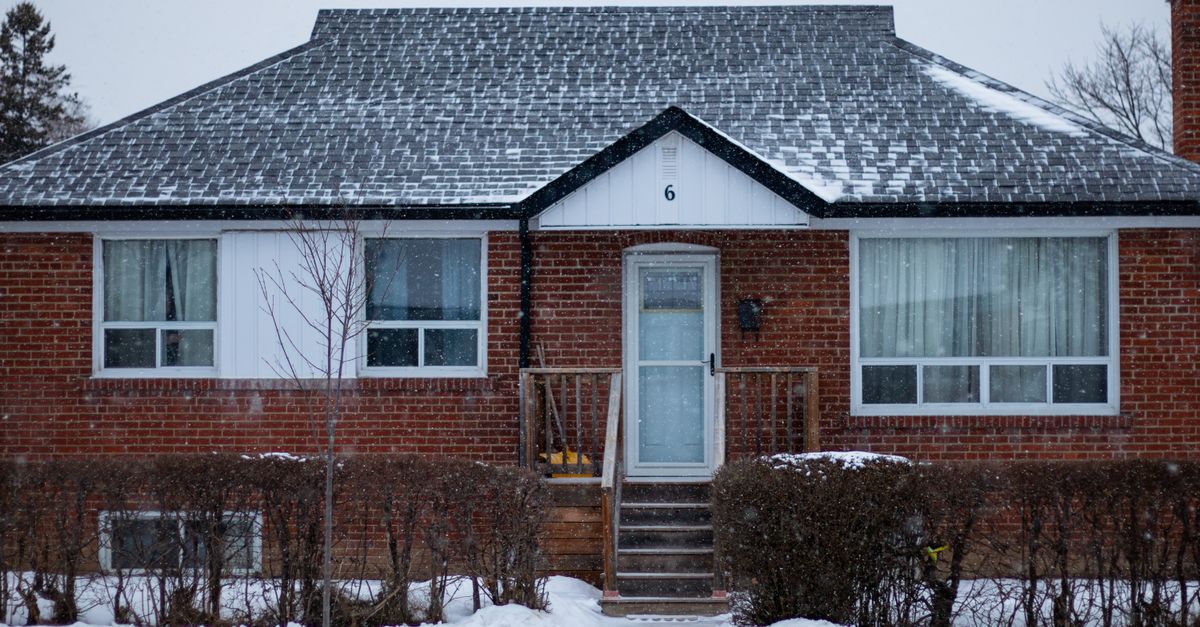
Climate Zone Considerations: Is Triple-Pane Overkill?
Geography is the ultimate arbiter when deciding between double-pane and triple-pane windows. The Department of Energy and regional building codes establish clear guidelines based on heating degree days (HDD), which measure how much and for how long outside air is colder than a specific base temperature.
If you live in Climate Zones 1 through 4—encompassing the American South, Southwest, and much of the Mid-Atlantic—winter heating loads are relatively modest, and cooling loads dominate. In these regions, triple-pane windows are generally considered financial overkill. The extra glass can actually trap unwanted solar heat during cooling seasons, driving up air conditioning energy use unless paired with specialized, expensive solar-control coatings.
Conversely, in Climate Zones 6, 7, and 8—such as northern Minnesota, North Dakota, Maine, and high-altitude mountain regions—long, harsh winters make the thermal performance of triple-pane glass an asset. In these northern pockets, the payback timeline compresses significantly because heating seasons span eight or nine months out of the year, and design temperatures frequently drop well below zero.
For homeowners in Climate Zone 5 (which includes cities like Chicago, Denver, Boston, and Cleveland), the decision is more nuanced. Here, double-pane windows with advanced Low-E coatings and argon fill meet current building codes easily, but triple-pane windows offer noticeable comfort improvements for individuals sensitive to cold drafts near perimeter walls.
Comparing Energy Efficient Glass Upgrades
Window performance is not determined solely by the number of glass panes. Before paying a premium for triple-pane glass, homeowners should understand how other variables within an energy efficient glass upgrade influence thermal dynamics:
- Low-E Coatings: These microscopic, transparent metallic layers reflect infrared thermal radiation back into the room during winter while blocking solar heat in summer. A double-pane window with two high-performance Low-E coatings can sometimes outperform a poorly specified triple-pane window with lower-quality coatings.
- Gas Fills: The gap between panes matters just as much as the number of panes. Ensuring that the insulating gas fill is dense and tightly sealed prevents early thermal degradation. Over decades, some gas loss is inevitable, which is why reputable manufacturers offer robust seal failure warranties.
- Warm-Edge Spacers: Traditional aluminum spacer bars conduct heat rapidly, creating a cold perimeter around the glass edge where condensation forms. Modern non-metallic or composite warm-edge spacers drastically reduce edge-of-glass heat loss, regardless of whether you choose two or three panes.
Often, investing in a high-end double-pane window with premium Low-E coatings, krypton gas, and insulated composite framing delivers 85% of the performance of a triple-pane window at a more palatable price point.
Common Homeowner Mistakes During Window Replacement
Navigating a major window replacement project can be overwhelming, and homeowners frequently make critical missteps that undermine their investment:
- Focusing Exclusively on Glass Count: Assuming that any triple-pane window automatically beats any double-pane window is a mistake. Frame construction, installation quality, and air sealing play an equally vital role in determining overall efficiency.
- Ignoring Installation Quality: Even the most expensive window will leak air if improperly flashed, shimmed, or insulated with low-expansion foam during rough opening installation. Always prioritize hiring experienced, certified installers over chasing the lowest hardware quote.
- Overlooking Orientation: Failing to match glass specifications (like SHGC) to the solar orientation of specific rooms can lead to uncomfortable overheating in sunrooms or under-heated northern bedrooms.
- Neglecting Warranty Terms: Window seal failure (fogging between the panes) can occur years down the road. Always verify that the manufacturer provides a non-prorated lifetime warranty covering both glass seals and mechanical hardware.
Making the Final Decision for Your Home
Choosing between double-pane and triple-pane windows ultimately comes down to balancing your local climate, budget constraints, and personal comfort priorities. If you live in a mild winter climate or are operating on a strict renovation budget, a high-quality double-pane window equipped with advanced Low-E coatings and inert gas fills represents a dependable, cost-effective choice that will drastically outperform older, drafty assemblies.
However, if you live in a severe northern climate zone, plan to stay in your home for decades, or suffer from intrusive external noise and persistent winter drafts near exterior walls, upgrading to triple-pane glass is a justifiable investment in long-term comfort and architectural resilience. By focusing on NFRC ratings, understanding the realities of triple pane window payback, and prioritizing professional installation, you can make an informed decision that keeps your home warm, quiet, and energy-efficient for years to come.