Windows are notorious thermal weak points in the modern American home. Even with double- or triple-pane glass, your windows account for a significant percentage of total residential heat loss during winter and unwanted solar heat gain during summer. When homeowners look for ways to cut utility bills without replacing expensive glazing, attention naturally turns to interior window treatments. Among the most common debates in home improvement is whether upgrading from standard horizontal window coverings to solid wood plantation shutters provides a meaningful thermal advantage.
Understanding plantation shutters vs blinds energy savings requires looking past marketing claims and examining the actual physics of window insulation. Window treatments interact with three primary modes of heat transfer: conduction through materials, convection via air movement, and radiation from the sun and warm indoor surfaces. While both shutters and blinds offer some degree of solar shading, their structural design, mounting methods, and material densities create vastly different thermal barriers. This guide explores how solid wood shutters and standard faux-wood blinds perform in real-world American climates, helping you evaluate whether the substantial upfront investment in shutters pays off on your monthly energy bills.
The Physics of Window Heat Transfer and Insulation
To evaluate any window treatment, you first need to understand how heat moves through a window opening. In the winter, heat generated by your heating system migrates toward the coldest surface in the room—typically your exterior windows. Warm indoor air touches the cold glass, cools down rapidly, becomes dense, and drops to the floor. This downward drafting creates a continuous convective loop that chills the entire room, forcing your furnace to run longer and more frequently.
Conversely, in the summer, shortwave solar radiation streams directly through clear glass, striking interior floors, furniture, and walls. These surfaces absorb the radiation and re-emit it as longwave infrared heat, which cannot easily escape back out through the glass. This phenomenon, known as the greenhouse effect, traps thermal energy indoors and drives up your air conditioning bills.
Window treatments mitigate these forces in two main ways: by reflecting or absorbing incoming solar radiation before it enters the living space, and by trapping a layer of stagnant air between the window glass and the room. This trapped air acts as an insulating thermal buffer. The effectiveness of this buffer depends almost entirely on how tightly sealed the window treatment is against the window frame. Any gaps, louvers that fail to close flush, or loose mounting tolerances allow air to circulate freely, destroying the insulating dead-air pocket and rendering the treatment thermally inefficient.
Solid Wood Plantation Shutters: Construction and Thermal Properties
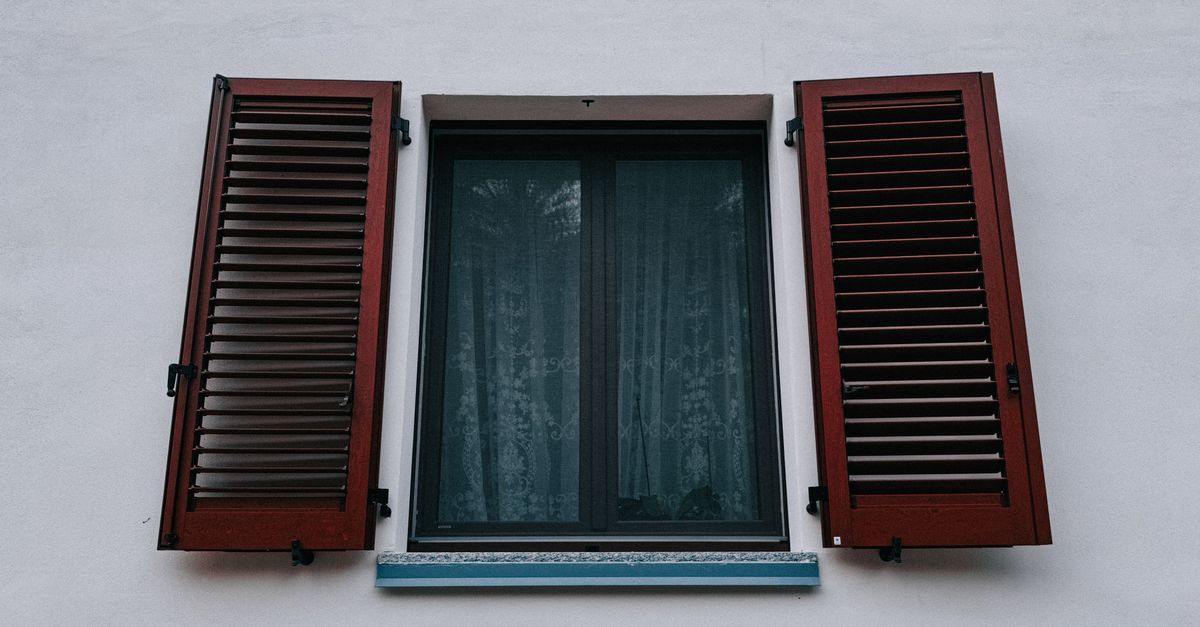
Solid wood plantation shutters are custom-built, heavy-duty window treatments featuring a rigid frame that is permanently screwed or bolted directly into the window jamb or casing. Within this sturdy frame hang operable panels composed of thick stiles, rails, and horizontal louvers that rotate via a tilt rod or hidden gear mechanism.
When closed, high-quality plantation shutters form a semi-permanent architectural barrier over the window opening. Several structural characteristics contribute to their superior thermal performance:
- Dense Framing: Because the outer frame is secured tightly to the window casing with screws, it seals off the perimeter gaps where cold air typically leaks into or out of a room.
- Substantial Material Thickness: Solid hardwoods—such as basswood, poplar, or white teak—have natural insulating properties and a physical thickness (often ranging from 3/4 inch to over 1 inch for louvers and stiles) that significantly slows conductive heat transfer compared to thin vinyl or aluminum slats.
- Louver Rabbet Joints: Premium plantation shutters feature interlocking rabbeted louver edges. When closed in the correct direction, these overlapping edges nest together to eliminate the light and air gaps commonly found between standard shutter louvers.
- Dead-Air Space: Plantation shutters are typically mounted an inch or two away from the actual glass pane. This creates a deep, enclosed pocket of trapped air that provides significant thermal resistance, helping to keep indoor air temperatures stable regardless of exterior weather extremes.
Because of these design traits, plantation shutters can achieve measurable R-value improvements—a standard metric for thermal resistance. While standard single-pane windows sit at a miserable R-1 and basic double-pane windows hover around R-2 to R-3, adding a tight-fitting solid wood shutter can boost the assembly’s overall insulating value by an additional R-2 to R-2.5, effectively doubling the thermal resistance of a standard window.
Standard Faux-Wood Blinds: Materials and Thermal Limitations
Standard horizontal blinds—whether constructed from faux wood (PVC-wrapped composite), vinyl, or lightweight aluminum—are designed primarily for light control and privacy rather than thermal insulation. They are versatile, affordable, and easy to install, making them ubiquitous in residential construction across the United States.
However, from an energy-efficiency perspective, standard blinds suffer from several inherent structural limitations:
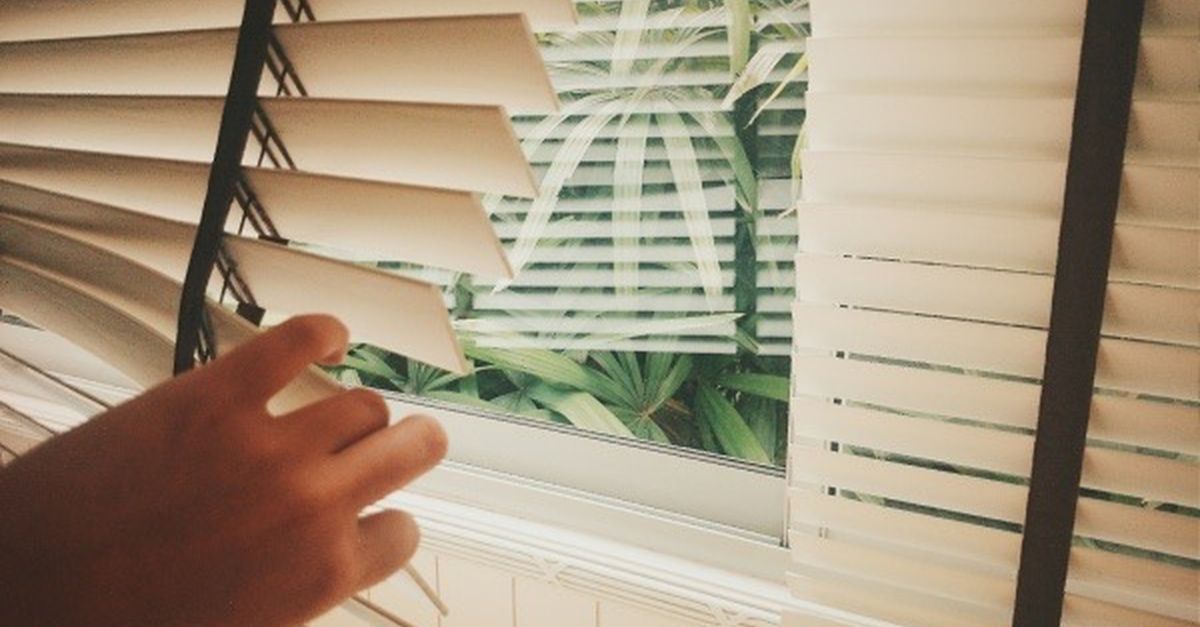
- Loose Perimeter Tolerances: Blinds are typically hung from brackets mounted at the top of the window frame, leaving wide open gaps on the sides, top, and bottom. Convective air currents easily bypass the blinds, flowing up from the floor, across the cold glass, and back into the room unchecked.
- Slat Gaps and Rotational Play: Even when closed completely, standard horizontal slats overlap minimally. The holes punched through the center of each slat to accommodate the lift cords also provide direct pathways for air and radiant heat transfer. Furthermore, inexpensive faux-wood and vinyl slats can warp or sag over time when exposed to intense summer heat, worsening these gaps.
- Lighter Material Density: While faux-wood slats are heavier than flimsy aluminum ones, they are still relatively thin (usually around 2 to 3 millimeters). They lack the mass required to slow down conductive heat transfer effectively over extended periods.
When you evaluate standard blinds for winter draft blocking, you find that they act more like a sieve than a solid barrier. While they do break the direct line of sight and reflect a small percentage of radiant energy, air moves freely around and through them. Consequently, they offer minimal R-value enhancement—typically adding less than R-0.5 to the window opening.
Winter Heat Loss Reduction: How Shutters Outperform Blinds
When freezing temperatures grip your region, minimizing heat loss is the single most important job for your window treatments. This is where the structural differences between plantation shutters and blinds become most apparent on your winter utility statements.
Consider what happens at the window plane on a 20-degree winter night. Air against the window glass chills instantly. With standard blinds, that cold air cascades down the face of the glass, hits the bottom sill, and spills right under the bottom rail of the blinds into the room. At the same time, warm air from the center of the room is pulled into the top of the window opening, creating a convective cycle that constantly robs heat from your living space.
Solid wood plantation shutters disrupt this cycle entirely. Because the shutter frame is screwed directly into the window jamb with tight tolerances, and the panels latch securely shut, the convective loop is effectively bottled up between the glass and the shutter face. The air inside that cavity cools down, but it stays trapped there rather than spilling into your heated room. The solid wood panels act as a massive thermal blanket, keeping the interior surface temperature of the shutter warm to the touch. Homeowners frequently report a noticeable reduction in chilly drafts near shutter-covered windows during severe winter storms.
Furthermore, wood is an organic insulator. Unlike aluminum or hollow vinyl, solid wood does not conduct cold temperatures rapidly to the interior side of the treatment. This prevents condensation from forming as heavily on the interior surface of the shutter, protecting your window sills and drywall from moisture damage during extended cold snaps.
Summer Solar Heat Gain Blocking: Keeping Cool Air Inside
In the sweltering summers experienced across much of the United States, keeping the sun’s energy out of your home is critical for preventing your air conditioner from running continuously. Solar heat gain coefficient (SHGC) measures how much solar radiation passes through a window, and window treatments play a massive role in modifying that figure.
Both plantation shutters and blinds can block direct sunlight when their louvers or slats are angled correctly. However, their long-term effectiveness during peak summer afternoon hours differs significantly:
- Reflectivity and Absorption: Faux-wood blinds, particularly those finished in bright white, are excellent at reflecting visible light. However, thin faux-wood and vinyl slats tend to absorb a portion of the solar radiation, heating up rapidly. Because air can circulate freely around the slats, that absorbed heat is quickly transferred via convection into the indoor air.
- Solid Mass and Thermal Lag: Solid wood plantation shutters possess high thermal mass. When intense sunlight beats against closed wooden louvers, the wood absorbs the thermal energy slowly, creating a significant thermal lag. By the time heat works its way through the thickness of a solid wood louver, the sun has usually moved past the window.
- Complete Closure: Because plantation shutters feature a rigid tilt mechanism that pulls louvers tightly against one another, they can be adjusted to block every ray of direct sunlight while still allowing diffused ambient light to enter if desired. Standard blinds often leave gaps where light leaks through, carrying heat along with it.
By preventing solar radiation from ever striking interior carpets, couches, and hardwood floors, plantation shutters dramatically reduce the secondary radiant heat that makes rooms feel stuffy and overheated during July and August.
Upfront Investment and Long-Term Financial Return
Any honest comparison of window treatments must address the elephant in the room: cost. Standard faux-wood blinds are among the most economical window coverings available. A homeowner can outfit an entire house with faux-wood blinds for a few hundred dollars, and installation is simple enough for most DIYers to complete in a weekend using basic hand tools.
Solid wood plantation shutters, on the other hand, represent a major home improvement investment. Because they are custom-measured, handcrafted from premium hardwoods, and professionally installed to fit out-of-square window openings perfectly, the cost can easily run ten times higher than standard blinds. For a medium-sized American home, outfitting every window with custom wood shutters can represent a multi-thousand-dollar expenditure.
Does this massive price difference make financial sense from an energy savings standpoint? The reality is nuanced:
- Energy Savings Payback Period: While plantation shutters certainly reduce heating and cooling energy consumption better than blinds, window treatments alone will rarely pay for their entire purchase price through utility bill reductions within a reasonable timeframe. Energy savings are a supplementary benefit rather than the primary financial justification for high-end shutters.
- Home Equity and Valuation: Unlike blinds—which are considered temporary window dressings and are often removed or replaced by new homeowners—custom plantation shutters are classified as permanent architectural upgrades. They appraise as part of the home’s permanent fixtures and offer a high retention of value if you decide to sell your property.
- Durability and Lifespan: Standard faux-wood and vinyl blinds have a limited lifespan. Cords fray, tilt mechanisms strip, and slats warp or yellow under UV exposure within 5 to 10 years. Premium solid wood shutters, when properly maintained and finished, can last for decades, outliving multiple sets of blinds.
Therefore, viewing plantation shutters strictly as an energy-savings appliance leads to a distorted cost-benefit analysis. Instead, they should be evaluated as a long-term architectural investment that simultaneously enhances insulation, privacy, aesthetic appeal, and property value.
Installation Factors and Air Sealing Realities
No matter how thick your shutter louvers or how dense your blind slats are, poor installation will completely undermine your energy-saving goals. Air leakage around the perimeter of a window treatment is the silent killer of thermal efficiency.
Standard blinds are almost exclusively inside-mounted with clearance gaps on all sides to ensure the blind operates smoothly without binding against the window frame. These operational gaps allow air to flow freely around the edges, entirely bypassing the insulating potential of the slats. Even outside-mounted blinds leave substantial gaps between the wall and the headrail.
Plantation shutters, by design, require a comprehensive mounting frame that acts as an airtight collar around the entire window opening. Professional installers shim, square, and caulk these outer frames directly to the window jamb or casing. This perimeter sealing stops drafts dead in their tracks. If you are retrofitting older, drafty American windows with single-pane glass or failing weatherstripping, installing framed plantation shutters provides a secondary layer of air sealing that mimics the effect of adding a storm window to the interior of your home.
Common Homeowner Mistakes in Window Energy Retrofits
Homeowners seeking to maximize energy savings through window treatments often fall into several predictable traps:
- Choosing Hollow Synthetic Shutters for Maximum Insulation: Many manufacturers offer hollow vinyl or hollow faux-wood shutters to cut costs and weight. While these resist moisture well (making them great for bathrooms), hollow synthetic materials have zero structural thermal mass and provide poor insulation compared to solid hardwoods or dense engineered wood composites.
- Leaving Tilt Rods Unadjusted: Even the best plantation shutters will leak heat if left wide open during sub-zero winter nights. Homeowners must actively manage their window treatments—closing louvers tightly at dusk during winter and adjusting them to block peak sun angles during summer.
- Neglecting Window Frame Air Leaks: Installing expensive shutters over a window frame that leaks air to the outdoors will not fix your draft problem. The cold air will simply find its way around the shutter frame. Always inspect and caulk exterior window trim and seal interior casing gaps before investing in high-end treatments.
- Expecting Window Treatments to Replace Insulation: Window coverings are a supplement to, not a replacement for, proper attic insulation, wall insulation, and energy-efficient glazing. If your home has zero wall insulation, premium shutters will only make a marginal dent in your overall utility bills.
Decision Framework: Which Treatment Fits Your Home?
Deciding between plantation shutters and standard blinds comes down to balancing your budget, your climate, and your long-term plans for your home.
Choose solid wood plantation shutters if: You live in a climate with extreme seasonal temperatures (very cold winters, very hot summers), you plan to stay in your home long enough to enjoy their durability and aesthetic value, you want maximum draft reduction and R-value enhancement, and you view window treatments as permanent architectural features.
Choose standard faux-wood blinds if: You are working with a strict renovation budget, you are updating a rental property or a home you plan to sell within a few years, your primary concern is basic privacy and light control rather than maximum thermal efficiency, or your window configurations (such as deep arches or sliding glass doors) make shutter installation complex and cost-prohibitive.
Ultimately, while both treatments improve upon naked glass, solid wood plantation shutters represent the gold standard for interior thermal performance. By combining high-density natural materials, tight frame-mounted air sealing, and thick louver construction, they deliver measurable reductions in winter heat loss and summer solar heat gain that standard blinds simply cannot match.