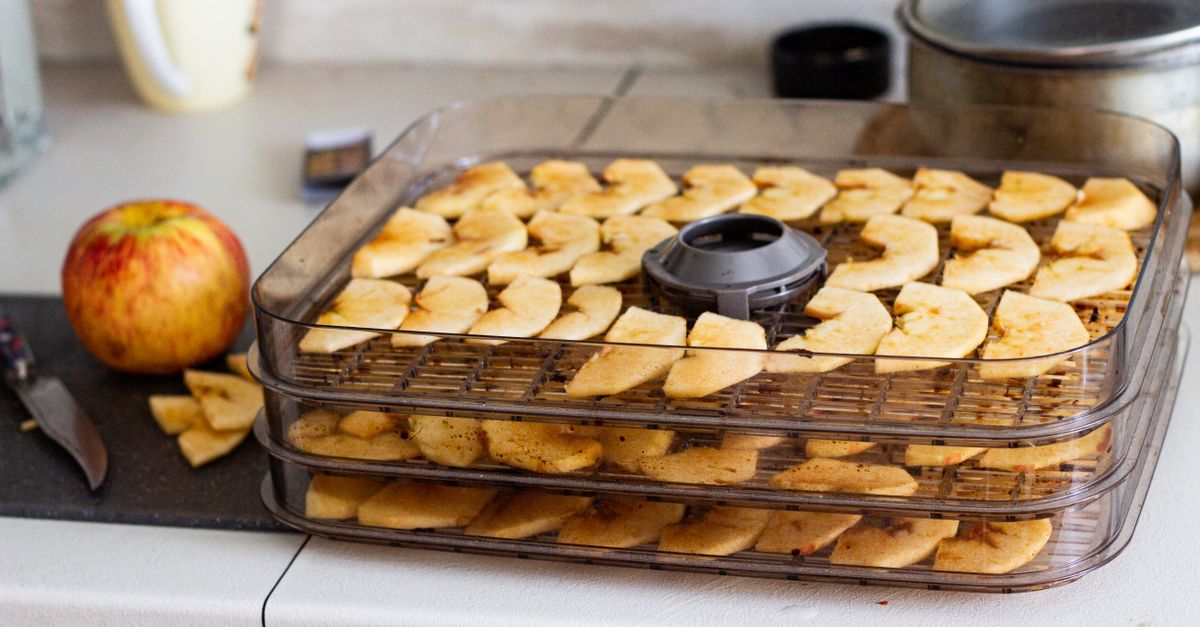
When peak garden harvest hits, preserving pounds of tomatoes, peppers, herbs, and fruit quickly becomes a logistical puzzle. For homesteaders and dedicated home cooks, finding the right appliance is crucial. The debate between a traditional stackable countertop food dehydrator vs commercial style shelf unit centers on capacity, airflow design, electricity draw, and physical footprint. While both styles remove moisture to extend shelf life, they approach the task with entirely different mechanical philosophies.
Understanding these differences helps prevent common preservation pitfalls, such as uneven drying, ruined batches, or unexpected spikes in utility bills. This guide breaks down the core mechanics, performance metrics, and practical trade-offs of each system so you can invest in the equipment that matches your seasonal workflow.
The Core Anatomy of Food Dehydrators
At their most basic level, all food dehydrators perform two functions: they heat air to a controlled temperature and circulate that air across food placed on trays to evaporate moisture. However, the internal architecture of how heat and air move defines the two primary categories available to home users.
Stackable round dehydrators typically place the heating element and fan in the very base of the unit. Air is forced upward through a central chimney or hollow core in each plastic tray, radiating outward across the food. In contrast, commercial-style dehydrators—often called shelf units or cabinet dehydrators—resemble miniature ovens. Their heating elements and fans are mounted on the back wall, pushing air horizontally across solid or mesh shelves.
This mechanical distinction dictates everything from how you load the machine to how evenly your harvest dries. It also influences how much electricity the unit consumes over a multi-day drying run for high-moisture items like beef jerky, tomatoes, or sliced apples.
Materials and Construction Quality
The build quality of a dehydrator dictates not only how long the unit will last under frequent seasonal use, but also how well it insulates heat during the drying cycle. Stackable units are made almost universally from molded food-grade plastics, such as ABS plastic or polypropylene. Higher-grade consumer stackables specify BPA-free construction, which is essential given that plastics undergo prolonged warming cycles. However, thin plastic walls provide minimal thermal insulation. As room temperatures dip in late autumn, heat continuously radiates out through the sides of the stacked trays, forcing the element to work harder to maintain internal warmth.
Commercial-style dehydrators, on the other hand, frequently utilize heavy-gauge food-grade stainless steel (such as 304 stainless) for their interior housing, exterior chassis, and shelves. Some models feature double-walled construction, which creates a dead-air insulation barrier much like a kitchen range. This metal construction stands up to high ambient humidity, resists accidental cracking during cleaning or transport, and maintains interior cabinet temperatures with greater consistency. The inclusion of tempered glass front doors also lets you monitor drying progress without interrupting internal thermodynamics by opening the unit.
Airflow Dynamics: Vertical Stack vs. Horizontal Shelf
Airflow is the single most important factor in successful food preservation. If air cannot move freely across every piece of food, moisture gets trapped, creating pockets for spoilage or mold.
Vertical stackable units rely on upward-moving air. Because the air travels past every tray below it before reaching the top, it picks up moisture along the way. By the time the air reaches the top tiers, it is cooler and more humid than at the bottom. This requires the operator to manually rotate the trays—moving bottom trays to the top and vice versa—several times during a long drying cycle to ensure even results.
Commercial-style horizontal shelf units eliminate this chore. With a rear-mounted fan, air blows horizontally across each shelf simultaneously. Every tray receives air at the exact same temperature and humidity level, resulting in remarkably uniform drying without manual intervention. This design also prevents flavor transfer, allowing you to dry fragrant herbs on the top shelf and sliced onions on the bottom shelf without cross-contaminating flavors.
Understanding Case Hardening and Temperature Gradients
A frequent failure point in home food preservation is a phenomenon known as case hardening. This happens when hot, dry air hits wet food too aggressively, causing the exterior surface of the food to dry, shrivel, and seal shut before the moisture inside the core has evaporated. Once the surface hardens, interior moisture cannot escape, creating a false sense of readiness that ultimately leads to mold growth in storage jars.
Vertical stackable units are especially prone to temperature gradients that cause irregular drying. The bottom trays, situated directly above the heating element, receive dry, high-temperature air that can easily case-harden produce like plums or dense tomato slices. Simultaneously, trays at the top of the stack sit in a warm, moist microclimate where drying stalls out completely. Horizontal cabinet dehydrators minimize this risk by utilizing bifacial or laminar airflow patterns, where rear blowers distribute air across the entire surface area of every rack in parallel. The air moves across both the top and bottom of the food on wire mesh trays without gathering cumulative humidity from adjacent tiers.
Capacity and Loading Flexibility
When you are staring down a five-gallon bucket of Roma tomatoes or a prolific fig tree, total square footage of drying space matters immensely.
Stackable units generally offer modest square footage, typically ranging from four to ten square feet of drying area across four to twelve round trays. They work well for weekend drying projects or smaller garden yields. However, loading them can be finicky. Because the trays nest into one another, you must ensure that tall items, such as whole strawberries or thick meat strips, do not block the tray above them.
Horizontal shelf units, conversely, provide expansive capacity—often ranging from ten to over twenty-five square feet of drying surface. The sliding trays operate independently. If you want to dry a single tray of delicate basil leaves, you can slide out the rest of the trays to save space or clean the interior easily. The flat, rigid shelves also accommodate silicone fruit leather sheets, jerky racks, and even raised bowls or jars if you are proofing bread or culturing yogurt.
Working with Irregular Harvest Volumes and Specialty Items
One structural reality of vertical stackable units is that they require a complete chimney column to operate correctly. If you only have enough fresh sage or rosemary to fill two trays, you still have to assemble the empty tiers on top to complete the air pathway so air can vent through the designated lid holes. Running a stackable unit with missing tiers ruins the pressure balance and reduces airflow velocity.
Horizontal shelf units eliminate that constraint. Because the heating element and fan are situated on the back wall and circulate air through a fixed chamber, you can load a single shelf without affecting airflow dynamics. Furthermore, you can slide out alternate shelves to create generous vertical clearances. This opens up preservation possibilities impossible in round stackable dehydrators, such as:
- Proofing sourdough bread bowls or artisan loaves at a steady 85°F to 90°F.
- Fermenting and culturing whole jars of homemade yogurt or tempeh at 110°F.
- Drying dense seed heads, whole flower blossoms, or decorative bundles of lavender.
- Softening raw honey or setting homemade hard candies without high heat.
- Making thick-cut beef or venison biltong hanging from custom internal hooks.
Electricity Draw and Energy Efficiency
Dehydrators run for extended periods—often anywhere from six to thirty-six hours depending on the food’s water content and thickness. Consequently, energy consumption is a valid concern for homesteaders running multiple batches during peak harvest.
Wattage ratings vary widely across the market. Small stackable units typically draw between 400 and 600 watts. Because they have smaller internal volumes, their heating elements cycle on and off frequently to maintain target temperatures. However, because they are often constructed of thin, uninsulated plastic, they lose radiant heat more easily into the surrounding room, which can slightly increase running times in cool kitchens.
Commercial-style units draw more power, frequently ranging from 800 to 1,000 watts or more. Their larger motors and heavier-duty heating elements require more initial energy. Yet, many high-end shelf units feature double-walled stainless steel construction or insulated doors that retain heat efficiently. While their hourly wattage draw is higher, their precise digital thermostats and efficient horizontal airflow can sometimes complete drying cycles faster, potentially balancing out the total kilowatt-hours used per batch.
To manage energy costs effectively, consider ambient room temperature. Operating any dehydrator in a drafty, unheated garage or basement during autumn will force the heating element to work harder and draw more electricity than running it in a stable indoor kitchen environment.
Calculating Kilowatt-Hours and Real Operating Costs
To accurately compare energy costs, you must look beyond labeled peak wattage. A dehydrator rated at 1,000 watts does not run its heating element continuously at maximum draw. Once the internal chamber reaches the selected temperature, a thermostat cycles the heating coils on and off, while the small circulation fan (which typically draws only 20 to 50 watts) runs continuously.
Consider an average 12-hour drying cycle for sliced orchard apples at 135°F:
- Stackable Unit (500W rated): Assuming a 65% heating duty cycle in a 70°F kitchen, the unit consumes approximately 0.35 kW per hour. Over 12 hours, that totals around 4.2 kWh. At an average US residential utility rate of 16 cents per kilowatt-hour, a single batch costs roughly $0.67 in electricity.
- Commercial Shelf Unit (1000W rated): Assuming a 45% heating duty cycle due to rigid metal housing and superior cabinet sealing, the unit consumes roughly 0.48 kW per hour. Over an 8-hour drying cycle—shortened by uniform, high-velocity horizontal airflow—total consumption is approximately 3.84 kWh, costing roughly $0.61.
While the commercial unit draws more instantaneous current when its coils engage, its ability to dry items faster and hold onto heat can make its overall energy consumption comparable to, or even lower than, a lightweight plastic unit handling the same poundage of produce.
Countertop Footprint, Storage, and Kitchen Integration
Kitchen real estate is precious, and preservation equipment often spends months in storage between harvest seasons.
Stackable round dehydrators have a distinct advantage in storage versatility. Their circular footprint takes up less counter width, and the trays often nest inside each other to reduce height when packed away in a pantry or cabinet. If you have limited counter space or only preserve food seasonally, a lightweight plastic unit is easy to stow out of sight.
Commercial-style dehydrators are heavy, bulky appliances. Built with stainless steel housing and glass doors, they frequently weigh twenty to forty pounds and have a deep, boxy footprint similar to a small microwave oven or toaster oven. Finding a permanent home for them on a countertop or heavy-duty shelving unit is usually necessary, as moving them in and out of cupboards for every use becomes cumbersome.
Clearance Requirements and Kitchen Ventilation
Beyond footprint alone, air clearance is critical. Because food dehydrators work by driving moisture out of the cabinet into the surrounding air, they cannot be shoved flush against a backsplash or operated inside an enclosed cupboard.
Round stackable dehydrators exhaust moisture upward through central or rim vents located in the top lid. If placed directly beneath low upper kitchen cabinets, the hot, moist exhaust can cause steam to condense on the underside of wooden cabinetry, potentially warping finishes or promoting mildew over dozens of preservation cycles. You must place these units on an open island or pull them forward on the counter away from wall cabinets.
Commercial-style units vent moisture through rear louvers, side channels, or front door perimeters depending on the model. Units with rear exhaust require at least four to six inches of clear space between the back of the appliance and the wall to maintain unrestricted intake and exhaust. In peak harvest season, when processing pungent batches of garlic, onions, or hot peppers, commercial units are often relocated to covered outdoor patios, utility rooms, or ventilated pantries to keep strong aromas and humidity out of primary living spaces.
Ease of Cleaning and Maintenance
Food preservation can be a sticky business, particularly when drying high-sugar fruits like peaches, mangoes, or tomatoes that release sticky juices.
Cleaning stackable plastic trays can be tedious. The ribbed bottoms, mesh screens, and center holes trap bits of food and require careful scrubbing by hand. Over time, high heat can warp cheap plastic trays, making them difficult to nest properly and harder to clean.
Commercial-style units feature removable stainless steel mesh shelves and a smooth interior cavity. The shelves can often go directly into a dishwasher or soak easily in a sink. Furthermore, many models include a removable drip tray at the bottom of the cabinet that catches crumbs and stray drops of juice, preventing sticky messes from baking onto the internal heating elements.

Food Safety and Long-Term Durability
Food safety is paramount when dehydrating meat, fish, or poultry into jerky. The USDA Food Safety and Inspection Service recommends heating meat to an internal temperature of 160°F (and poultry to 165°F) to destroy harmful pathogens such as Salmonella and E. coli. Many budget-friendly stackable dehydrators top out at 155°F or have loose analog dials that drift downward by 10 to 15 degrees during the cycle. This forces cooks to pre-cook meat in a conventional oven or post-heat it to ensure food safety.
Commercial-style units routinely reach certified holding temperatures up to 165°F or 170°F with digital precision. Their internal temperature sensors continuously adjust output to prevent cold spots. Additionally, stainless steel trays will not absorb food odors, animal fats, or fruit pigments. In contrast, plastic trays on stackable units often become stained by carotenoids in carrots and tomatoes, or retain a stubborn onion and jerky aroma despite thorough scrubbing.
Noise Levels and Operational Convenience
Because dehydrators run continuously overnight or across entire days, operational noise and control features deserve careful evaluation.
Lower-cost stackable units often feature simple analog switches or basic timers. Some entry-level models lack auto-shutoff features entirely, requiring you to monitor a clock and unplug the unit manually. Their fans can also produce a noticeable, high-pitched hum that echoes through quiet homes.
Commercial-style units are designed for heavy workloads and typically include sophisticated digital controls. Precise thermostatic temperature adjustments (ranging from 95°F to 165°F) and digital countdown timers allow you to set the machine and walk away with confidence. Their larger, slower-turning rear fans generally produce a lower, more muted white noise that is less intrusive in living spaces.
Summary Comparison of Key Factors
To crystallize the differences between these two preservation approaches, review how they stack up across essential operational categories:
- Drying Uniformity: Stackable units require manual tray rotation; commercial shelf units deliver even, multi-level drying automatically.
- Capacity: Stackable units suit small, intermittent batches; commercial units handle bulk harvests in a single run.
- Energy Consumption: Stackable units draw lower wattage (400–600W) but may suffer from heat loss; commercial units draw higher wattage (800–1000W+) with better thermal retention.
- Footprint and Storage: Stackable units are lightweight and compact; commercial units require dedicated counter or shelf space.
- Durability: Stackable models use lightweight plastics prone to warping; commercial models use heavy-duty stainless steel and glass.
- Temperature Control: Stackable units often feature basic dials with variable swings; commercial units offer digital, single-degree precision.
- Food Safety Margin: Stackable units frequently max out near 155°F; commercial models comfortably reach 165°F for compliant jerky processing.
- Maintenance: Stackable trays require careful hand-washing; commercial stainless racks are dishwasher-safe and scrub-resistant.
Practical Testing: Common Produce Scenarios
To see how these mechanical differences translate to day-to-day use, consider three common garden preservation scenarios:
1. Processing a 15-Pound Lug of Plum Tomatoes
Plum tomatoes are dense, high in water content, and slow to dehydrate. On an entry-level stackable unit with six trays, a 15-pound harvest requires two or three consecutive runs because halves and thick slices must not touch. You must visit the kitchen every three to four hours to swap the lowest trays to the top. Total processing time can stretch over two full days.
In a commercial 10-shelf horizontal unit, the entire 15-pound batch fits on the stainless racks at once. The rear fan blows horizontal, moisture-wicking air over every slice simultaneously. You can set the digital thermostat to 135°F for 14 hours and walk away, returning to a completely finished batch with no tray swapping required.
2. Drying Delicate Culinary Herbs
Delicate herbs like dill, basil, and cilantro require low, gentle heat (around 95°F to 105°F) to preserve volatile essential oils, bright green color, and aroma. In a bottom-fan stackable dehydrator, the intense draft from the blower fan can pick up dry herb leaves and blow them into the center heating chimney, creating a burnt smell and messy cleanup.
A commercial shelf dehydrator allows you to dial in low heat accurately. You slide in fine-mesh silicone liners over the wire racks, close the glass door, and let horizontal laminar airflow gently dry the leaves without tossing them around the interior chamber.
3. Making Thick-Cut Jerky
Jerky production requires high initial heat to pasteurize the meat, followed by steady airflow to dry it to a leathery, pliable texture without leaving damp, raw pockets. In a stackable unit, fat and marinade drip straight down toward the heating element and fan base, requiring parchment paper that blocks vertical air circulation.
In a commercial-style shelf dehydrator, drippings fall straight to a flat, removable bottom tray well clear of the rear heating elements. Stainless steel racks can be loaded to their edges without blocking airflow, ensuring the jerky reaches a safe internal temperature uniformly.
Frequently Asked Questions
Do stackable dehydrators take longer to dry food than commercial units?
Yes, in most cases. Because vertical airflow gathers humidity as it rises through the stack, the upper levels take significantly longer to dry unless the trays are frequently rotated. Commercial units move dry air across all shelves concurrently, reducing overall batch times by 15% to 30% depending on produce moisture levels.
Can you leave a food dehydrator running while you are away from home?
Commercial-style units with digital auto-shutoff timers and overheat protection circuits are engineered for unattended operation. Stackable models with manual on/off switches lack automatic shutoff, which means they will continue to run and over-dry or scorch your food if you are not home to monitor them.
Are plastic dehydrator trays safe for long-term food preservation?
Reputable manufacturers use BPA-free, food-grade plastics that are certified for food contact. However, long-term exposure to heat and acidic foods like citrus or tomatoes can etch, discolor, and degrade plastic surfaces over several seasons. Stainless steel trays used in commercial-style dehydrators avoid these degradation and chemical migration concerns entirely.
Is a commercial-style dehydrator worth the extra investment for a casual gardener?
If you only dry herbs once a summer and make a single batch of apple rings in the fall, a budget stackable unit is more than sufficient and saves considerable money and storage space. However, if you harvest from multiple fruit trees, cultivate an extensive vegetable plot, or make regular batches of jerky, the commercial unit’s durability, capacity, and set-and-forget convenience quickly justify its higher initial price tag.
Making Your Decision: Which Unit Fits Your Lifestyle?
Choosing the right preservation tool depends entirely on the scale of your garden, your available space, and your budget.
If you maintain a modest container garden, preserve herbs and a few jars of dried apples each autumn, and need an appliance that tucks away neatly in a hall closet, a quality stackable countertop food dehydrator provides exceptional value without overwhelming your kitchen.
If you manage a large suburban garden, CSA shares, or a small homestead—processing bushels of tomatoes, pounds of jerky, and continuous rounds of fruit leathers throughout the growing season—investing in a commercial-style stainless steel shelf unit pays off quickly. The time saved by skipping tray rotation, combined with the massive capacity and durable construction, makes it a reliable workhorse for serious home food preservation.