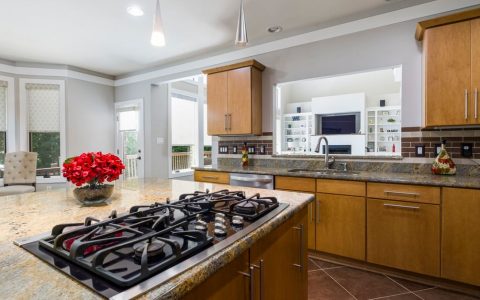
When planning a kitchen remodel, the appliances you choose dictate much more than how quickly you can clean up after dinner. They shape the entire visual rhythm of the space. Deciding on a panel ready dishwasher vs standard stainless steel model forces a choice between streamlined, architectural minimalism and the reliable, utilitarian familiarity of exposed metal. Both approaches have distinct mechanical requirements, installation challenges, and financial implications that require careful upfront planning.
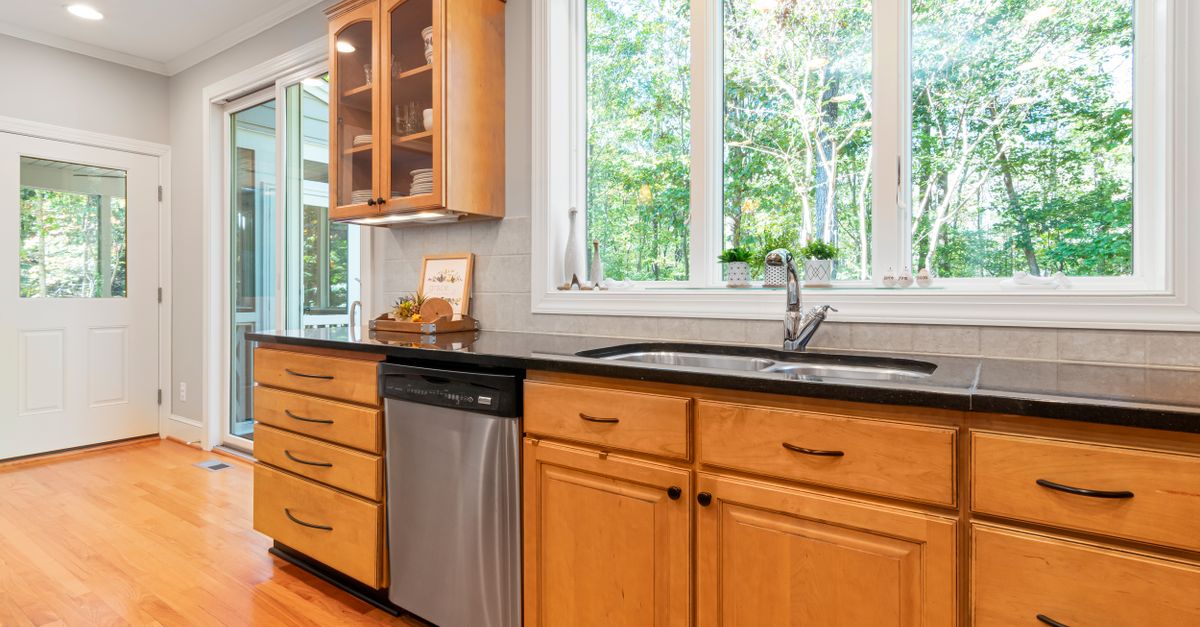
Standard stainless steel dishwashers have dominated American kitchens for decades. They slide into a standard 24-inch cabinet opening, plug into your plumbing and electrical rough-ins, and feature an exposed control panel and stainless door. Panel-ready dishwashers, on the other hand, arrive from the factory without an outer door skin. Instead, they accept a custom wood panel matching your surrounding cabinets, masking the appliance entirely behind your kitchen’s millwork.
Understanding how these two paths diverge in daily use, installation, and long-term value will keep your kitchen project on schedule and prevent costly surprises from your contractor or cabinet maker. To make the best choice for your household, it helps to examine every layer of the decision, from visual continuity and control panel ergonomics to structural installation hurdles, material performance, and long-term repair considerations.
Aesthetic Impact: Seamless Integration vs. Professional Metal
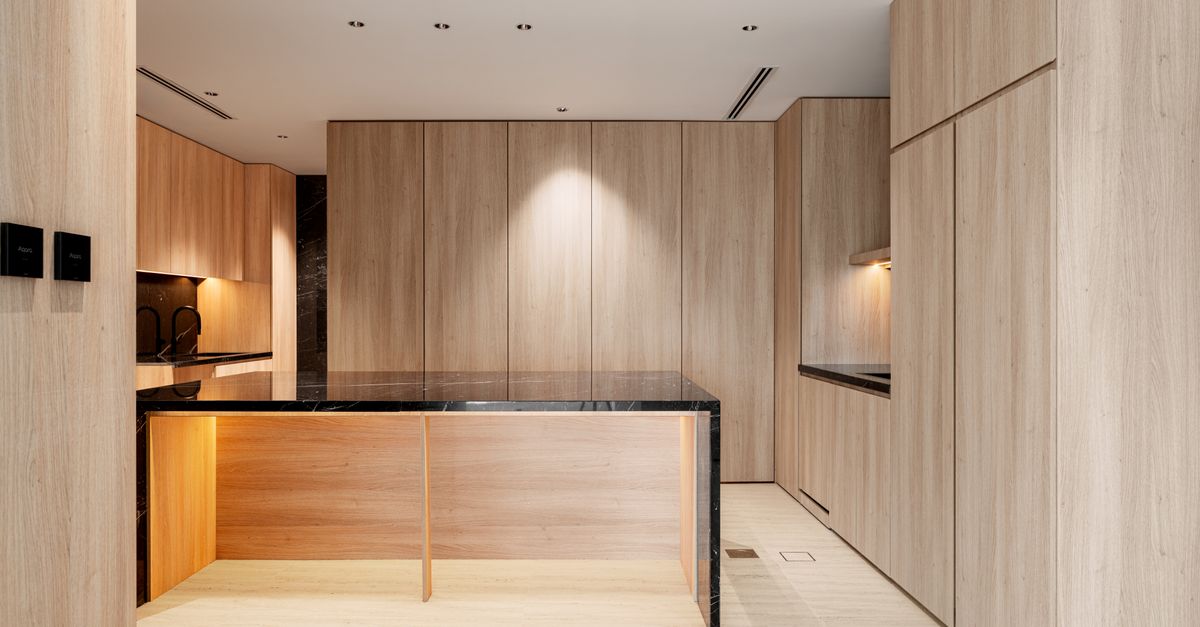
The primary driver for choosing a panel-ready appliance is visual continuity. In contemporary, transitional, or minimalist kitchens, homeowners often prefer an unbroken sweep of cabinetry. If your kitchen features perimeter cabinets with shaker doors, slab panels, or furniture-style finishes, breaking that expanse with a large stainless steel door can disrupt the room’s flow, drawing the eye directly to the appliance rather than the overall architecture of the cooking space.
Matching Shaker, Slab, and Furniture-Style Cabinetry
Panel-ready units solve this by letting your cabinet maker supply a matching door skin and matching hardware pull. When closed, the dishwasher becomes completely invisible, looking like a tall pantry door or a set of deep drawers. This design strategy works exceptionally well in open-concept living spaces where the kitchen is fully visible from the living room or dining area, minimizing the visual clutter of commercial-looking appliances and creating a furniture-like quality across the main floor.
However, achieving this look requires meticulous design coordination. Your cabinet maker must account for the thickness of the panel, usually around three-quarters of an inch, and ensure that the stile and rail profiles align with adjacent base cabinets. If the panel alignment is slightly off, or if the shadow lines do not match neighboring drawer heads, the illusion of hidden cabinetry can falter under direct under-cabinet lighting or natural sunlight streaming through windows.
Furthermore, wood species selection matters deeply. Natural woods like white oak, walnut, or quarter-sawn white oak absorb light and develop patina differently than factory-painted medium-density fiberboard (MDF). When a wood panel is mounted to a dishwasher chassis, it sits right next to standard cabinet doors. Any discrepancy in finishing, staining, or clear-coating will be immediately noticeable. Millwork must be sealed on all sides—including the top and bottom edges—to prevent moisture absorption from steam cycles, a technical requirement that standard metal doors simply bypass entirely.
Coordinating Suite Finishes vs. Pure Minimalist Concealment
Standard stainless steel units offer a different aesthetic, often associated with a professional or semi-commercial kitchen look. Stainless steel pairs easily with other major appliances like ranges, built-in wall ovens, and counter-depth refrigerators, creating a cohesive suite of metal finishes that anchor the room. Furthermore, modern stainless steel finishes often feature fingerprint-resistant coatings that reduce daily smudging from busy hands, whereas custom wood panels may require frequent wiping depending on the wood species, sheen level, and paint or stain formula.
When evaluating the long-term impact on your home’s resale value, both choices have merit. Custom integrated kitchens often appeal strongly to buyers looking for high-end, designer-finished spaces where no expense was spared in custom millwork. Conversely, standard stainless steel suites represent a universally accepted, timeless look that requires no special explanation or maintenance for future occupants, making them a safe choice across diverse real estate markets.
Control Panel Placement and Usability
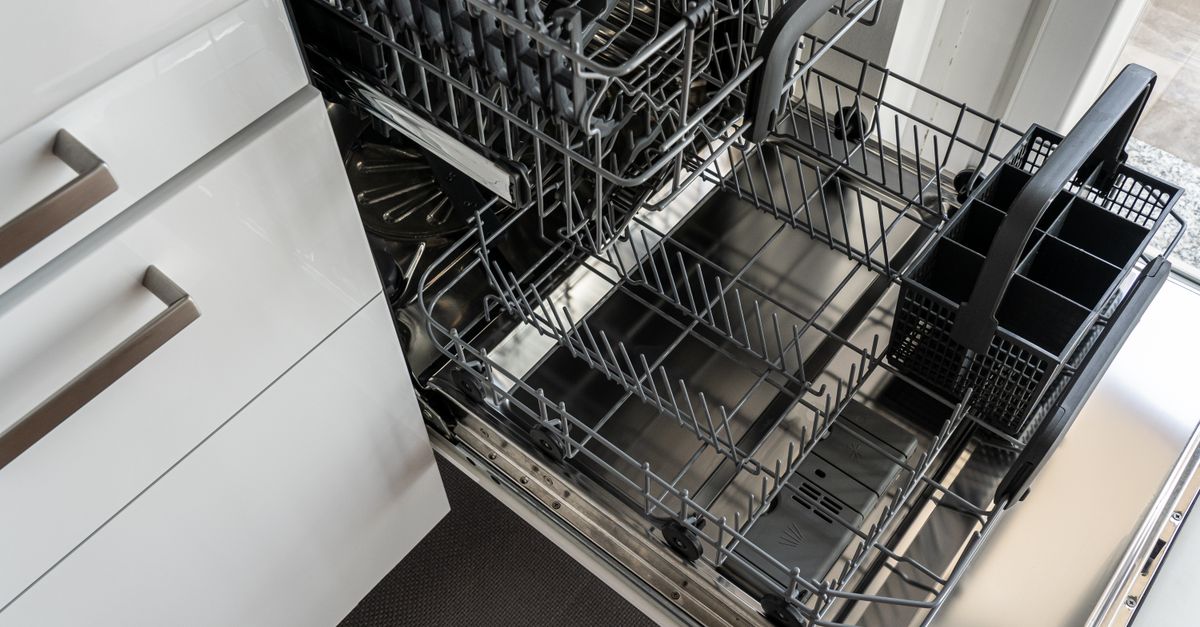
Because panel-ready dishwashers hide the entire front door behind wood, the machine’s controls cannot sit on the traditional front face. Instead, manufacturers place the control board on the top lip of the door. When the dishwasher is open, the touchpads and digital displays face upward, remaining completely hidden from view when the door is closed.
Top-Edge Controls and Cycle Monitoring
This top-control configuration offers specific architectural and functional advantages:
- The Good: It creates an ultra-clean exterior surface with no buttons or glowing LEDs breaking up your cabinet design. It also prevents toddlers from accidentally pressing buttons and interrupting an ongoing wash cycle.
- The Trade-off: You cannot see remaining cycle time or check whether the dishes are clean, washing, or drying without cracking the door open. Some high-end models solve this by projecting a small red or blue light onto the floor (often called a floor beam or status light), or emitting a subtle chime when the cycle finishes.
Standard dishwashers frequently offer a choice between front-facing controls (visible at all times) and top controls. Front controls make it easy to monitor cycle progress at a glance, which many busy households prefer without needing to pull or open the door during operation.
For multi-generational households or homes with guests who may not immediately know how to operate a custom integrated appliance, top controls can sometimes present a minor learning curve. Guests may push against the wood panel expecting a latch or push-to-open mechanism rather than gently pulling the handle to access the top edge. Clear instructions or familiar handle placement helps mitigate this usability hurdle.
Mid-Cycle Interruption and Error Codes
In daily use, the tactile experience also differs. A top-mounted control panel requires you to open the dishwasher door slightly to select a wash cycle and press start before closing it securely. If you frequently add a stray coffee mug or cereal bowl mid-cycle, you will need to pause the machine using the top controls, wait for the internal water spray arms to stop swirling and draining, and then open the door fully—a minor routine that quickly becomes second nature but requires mindfulness regarding hot steam release.
Installation Complexity: The Hidden Labor Factor
While a standard stainless steel dishwasher is relatively straightforward to install—often treated as a straightforward swap during a replacement—a panel-ready unit demands precise coordination between multiple trades, including the cabinet fabricator, plumber, and lead kitchen installer.
The installation process for a panel-ready model requires several specialized steps:
- Precise Measurement: Your cabinet maker must cut the dishwasher panel to exact height, width, and thickness specifications, accounting for the weight limits of the dishwasher’s spring-loaded hinge system. If the panel is too heavy, the door will fall open aggressively; if it is too light, it will not stay closed against the gasket.
- Custom Hardware Alignment: Cabinet pulls or handles must be screwed through both the wood panel and the appliance mounting brackets without piercing the inner door skin or stripping the fastener channels.
- Toe Kick Continuity: To achieve a truly integrated look, the continuous toe kick (or plinth) running beneath your base cabinets must be notched or modified to allow the dishwasher door to swing open fully without hitting the floor or the cabinet base.
Spring Tension and Panel Weight Limits
Unlike standard units that rely on factory-balanced spring assemblies matched specifically to a lightweight metal door, panel-ready chassis feature adjustable tension mechanisms. Installers must calibrate these springs based on the exact weight of the wood panel provided by your cabinet shop. Getting this balance right ensures smooth, controlled motion when opening and closing, preventing undue stress on the hinge pivot points.
Toe Kick Modifications and Continuous Plinths
Standard dishwashers require none of these custom millwork steps. They slide into the opening, anchor to the underside of the countertop or side cabinets, and accept a standard matching toe kick plate provided in the box. If you are managing your own kitchen renovation, a standard unit saves significant labor hours and reduces the margin for error.
Furthermore, standard dishwashers are far more forgiving of slight out-of-square openings or uneven subfloors. Panel-ready units require absolute precision in leveling the surrounding cabinetry. If a base cabinet shifts by even a fraction of an inch during countertop installation, the gaps (or reveals) around the custom dishwasher panel will look crooked, drawing immediate, unwanted attention to the appliance and breaking the illusion of custom cabinetry.
Cost Breakdown: Upfront and Long-Term Expenses
Budgeting for appliances involves looking past the initial sticker price. When comparing costs between these two dishwasher styles, several hidden expenses emerge that can shift your overall kitchen remodeling budget significantly.
Chassis Tier and Internal Engineering Differences
First, appliance acquisition costs generally run higher for panel-ready units. Because they represent a specialty segment, manufacturers often build them on higher-tier chassis with advanced wash arms, quieter sound insulation packages (often measuring 38 to 42 decibels, making them virtually silent), and premium interior racking with fold-down tines and third racks. You rarely find entry-level panel-ready dishwashers; they are almost exclusively mid-to-high-tier appliances.
Cabinet Maker and Carpentry Labor Add-Ons
Second, you must factor in the cost of the custom panel and hardware. Your cabinet package must include the specific panel kit for your chosen dishwasher brand. Cabinet makers charge separately for fabricating, finishing, and drilling these panels to match your kitchen style, adding anywhere from a few hundred to over a thousand dollars to the millwork invoice depending on wood species and finish complexity.
Third, installation labor is invariably higher for integrated units. Carpenters and installers spend more time adjusting door springs, leveling the chassis, and aligning panel reveals so the appliance matches the gaps of adjacent cabinets.
Standard stainless steel dishwashers avoid these extra fabrication and specialized labor costs, making them the more budget-friendly option whether you are buying a mid-range model or a high-end unit.
Durability, Repairs, and Future-Proofing
Kitchen appliances have a finite lifespan, typically running between 8 to 12 years. This reality introduces an important long-term consideration: What happens when your dishwasher breaks down and needs replacement a decade from now?
With a standard stainless steel dishwasher, buying a replacement is simple. You measure the standard 24-inch opening, buy a new unit, and slide it in. The exterior finish matches your other appliances, and you are done without coordinating custom trades.
Another factor is the potential exposure of wood panels to moisture and heat. Dishwashers vent steam and hot air during drying cycles. While high-quality custom cabinet panels are sealed and finished to withstand typical kitchen humidity, inferior finishes or improper edge banding can lead to warping, swelling, or peeling over years of exposure to escaping moisture. Standard stainless steel doors are entirely impervious to internal moisture leaks along the outer face.
Chassis Discontinuation and Future Replacement Challenges
With a panel-ready model, replacement is more complex. Appliance manufacturers frequently change their internal chassis dimensions, door mounting brackets, and weight tolerances over a 10-year span. If your specific model is discontinued, finding a new dishwasher that accepts your existing custom wood panel without modification can be difficult. You may need to hire a cabinet maker to alter the panel or order an entirely new front skin, adding unexpected cost to a routine appliance replacement down the road.
Making Your Decision: Which Style Fits Your Kitchen?
To determine whether a panel-ready dishwasher or a standard stainless steel model belongs in your kitchen, weigh your priorities across three main criteria:
- Choose Panel-Ready If: You are investing in custom, high-end cabinetry, your kitchen opens directly into a primary living area where you want to minimize appliance visibility, and your budget accommodates custom millwork and specialized installation labor.
- Choose Standard Stainless Steel If: You prefer straightforward installation, want to minimize extra carpentry costs, value visible cycle status indicators, and want easy appliance replacement options down the road without worrying about matching custom wood finishes.
Frequently Asked Questions
Can I convert a standard stainless steel dishwasher into a panel-ready model?
No. Standard dishwashers are engineered with doors designed to hold permanent metal skins and front controls. Panel-ready units require specialized internal frames, top-edge control boards, and heavy-duty adjustable hinges that cannot be retrofitted onto a standard machine.
Do panel-ready dishwashers cost more to operate?
Energy and water consumption depend on the specific efficiency ratings (such as ENERGY STAR certification) of the chassis rather than the exterior door style. However, because panel-ready models are typically built on higher-end platforms, they frequently include advanced energy-saving sensors and wash modes that optimize resource use.
What happens to the dishwasher handle if I choose a panel-ready model?
You supply your own hardware. Most homeowners choose to use the same cabinet pulls or handles installed throughout the rest of their kitchen cabinetry to ensure visual consistency across the entire wall of millwork.
Are panel-ready dishwashers harder to clean than stainless steel models?
The exterior cleaning depends on the finish. A painted or sealed wood panel requires gentle wiping with a damp microfiber cloth, avoiding harsh chemical cleaners that can degrade the clear coat. Stainless steel, by contrast, requires stainless cleaner or mild soapy water to prevent streaks and fingerprint buildup, though modern fingerprint-resistant coatings have made stainless much easier to maintain than in past decades.
By understanding these practical distinctions in installation, aesthetics, material behavior, and total cost, you can select the dishwasher design that balances your visual goals with everyday kitchen functionality.