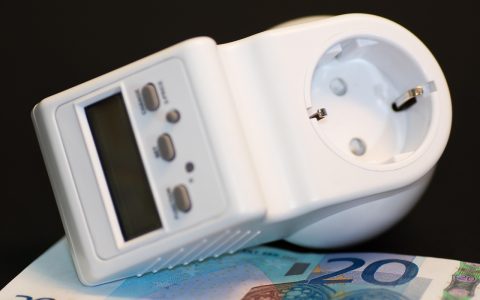
When opening a monthly housing statement, few surprises cause more immediate frustration than an unexpected spike in utility charges. Navigating an apartment sub metered electricity billing dispute US renters face requires understanding the complex technical, legal, and financial mechanics of multi-family utility distribution. For tens of millions of tenants living in modern apartment complexes, power costs are no longer billed directly by a municipal utility company. Instead, property management companies increasingly rely on third-party billing vendors, dedicated sub-meters, or mathematical allocation formulas.
While utility shifting is often presented as an eco-friendly measure designed to encourage individual energy conservation, the reality on the ground is frequently fraught with accounting errors, uncalibrated hardware, undisclosed administrative markups, and structural cross-metering. Unlike traditional public utilities, which operate under strict rate caps and public service commission oversight, apartment sub-metering and utility allocation often occupy a murky regulatory gray area. Understanding how your building measures electric usage, recognizing common billing distortions, and exercising your statutory dispute rights can save you hundreds—or even thousands—of dollars over the course of a lease.
Understanding Multi-Family Utility Billing: Direct Meters vs. Sub-Meters vs. RUBS
To audit your monthly housing statement effectively, you must first identify the specific system your landlord uses to calculate your electric bill. Multi-family property managers generally employ one of three distinct utility billing structures across rental housing communities:
- Direct Utility Metering: The local municipal or investor-owned electric utility company owns, maintains, and reads a dedicated meter for each individual apartment unit. The tenant holds an individual utility account directly with the power company, receiving an official bill based solely on the meter’s verified mechanical or digital reading. The landlord is completely excluded from the financial transaction.
- Physical Sub-Metering: The property features a single master electric meter managed by the public utility, but the landlord has installed private sub-meters behind the master meter for each individual apartment unit. A third-party billing company reads these private sub-meters and invoices tenants based on their actual unit consumption, adding processing fees or administrative service charges.
- Ratio Utility Billing Systems (RUBS): The property lacks individual unit meters entirely. Instead, the landlord receives a master electric bill for the entire complex and uses a mathematical allocation formula to divide the total cost among tenants based on variables such as unit square footage, occupant count, or bedroom count.
Distinguishing between physical sub-metering and RUBS is vital because your legal rights, statutory protections, and audit procedures differ dramatically depending on the infrastructure in place. Sub-metering measures physical kilowatt-hours (kWh) consumed within your private living space, whereas RUBS allocates communal building costs based on static demographic parameters.
The Mechanics of Physical Electric Sub-Metering
In a sub-metered setup, sub-meters are installed on the load side of the building’s main electrical service panel. Each sub-meter records the current flowing through the circuit branch dedicated to a specific apartment. In modern residential developments, these devices are typically smart digital meters equipped with Automated Meter Reading (AMR) or Advanced Metering Infrastructure (AMI) technology, which transmits usage data wirelessly via radio frequency or power-line carrier signals to a central data collector or a third-party billing software platform.
While sub-metering is theoretically precise, hardware failures and mechanical wiring mistakes occur with surprising frequency in multi-family construction and retrofits. Electricians may cross-wire circuits during building renovation or rapid construction phases, causing your sub-meter to record current powering a neighbor’s air conditioning unit, a shared hallway light circuit, or building exterior lighting. Furthermore, sub-meter hardware is owned and maintained by the property owner, not the regulated public utility company. Consequently, these private sub-meters are rarely subject to the strict periodic accuracy testing and calibration standards mandated for public utility equipment.
When third-party vendors aggregate this raw sub-meter data, software integration errors can introduce additional discrepancies. Multiplier errors—where a meter’s pulse output ratio is incorrectly mapped in the billing software—can artificially inflate reported usage by two, five, or even ten times the actual kilowatt-hours consumed. Without regular audits by independent municipal inspectors, private sub-metering networks remain highly susceptible to uncorrected mechanical and programmatic inflation.
Deciphering Ratio Utility Billing Systems (RUBS)
When an apartment complex lacks physical sub-metering infrastructure, landlords frequently turn to Ratio Utility Billing Systems. RUBS does not measure your actual electricity consumption. Instead, an algorithm takes the master utility bill for the entire property, subtracts a predetermined percentage for common areas, and divides the remainder among the active leases across the building.
The standard formulas applied in RUBS billing usually rely on one or a combination of the following allocation metrics:
| RUBS Allocation Basis | How It Is Calculated | Primary Risk to Tenant |
|---|---|---|
| Square Footage | Master bill allocated proportionately based on unit square footage relative to total residential square footage. | Conserving energy does not lower your bill if neighbors run high-wattage equipment continuously. |
| Occupant Count | Master bill divided by total registered lease occupants across all active units. | Disproportionately penalizes families with children who use minimal electricity per capita. |
| Hybrid Formula | Combines square footage (e.g., 50%) and occupant count (e.g., 50%) to distribute costs. | Complex mathematical formulas make manual tenant audits difficult without full property data. |
| Bedrooms / Bathrooms | Fixed weight factors assigned based on apartment floor plan configuration. | Fails to account for actual unit occupancy variations, vacant adjacent units, or personal energy habits. |
The principal drawback of RUBS for tenants is the total elimination of personal control over utility expenses. If your neighbor operates heavy crypto-mining rigs, high-draw space heaters, or inefficient old appliances around the clock, your monthly bill increases regardless of your personal habits. Additionally, if property management fails to subtract an adequate percentage for common-area usage—such as exterior security lighting, leasing office air conditioning, swimming pool pumps, or shared laundry rooms—tenants end up illegally subsidizing the landlord’s operational overhead.

Common Red Flags and Billing Distortions
Detecting billing inaccuracies requires a careful eye when reviewing your monthly utility statement. Watch for these common warning signs that indicate potential billing distortions, accounting errors, or unlawful fee structures:
1. Unexplained Usage Spikes During Extended Absence
If your electric bill shows high kilowatt-hour usage during a billing cycle when you were away on vacation, traveled for work, or had major heating and cooling units completely shut down, your sub-meter may be miscalibrated, cross-wired, or recording shared building loads. An empty, climate-controlled apartment should show only baseline phantom loads from plugged-in appliances.
2. Identical Consumption Figures Month After Month
Electric consumption naturally fluctuates seasonally due to ambient temperature shifts, daylight hours, and changing HVAC appliance usage. If your bill lists the exact same kWh consumption figure across multiple billing periods, the third-party billing entity may be using estimated readings rather than actual sub-meter transmissions without proper disclosure or reconciliation.
3. Excessive Administrative, Processing, or Meter-Reading Fees
Third-party billing vendors often insert monthly service fees, invoice processing charges, administrative overhead, or convenience fees onto the utility statement. In many US jurisdictions, landlords are legally restricted from passing third-party administrative costs onto tenants, or such fees are strictly capped at nominal statutory amounts (e.g., $2 to $5 per month).
4. Rate Markup Beyond Municipal Tariff Schedules
Unless expressly permitted by state statute, a landlord cannot buy electricity at a commercial bulk rate and resell it to residential tenants at a marked-up retail price to generate profit. The per-kWh rate charged on your sub-metered statement must mirror the actual energy rate structure of the underlying public utility tariff.
5. Fluctuating Utility Bill Dates and Varying Billing Days
Inconsistent billing cycles—such as a 25-day cycle followed by a 40-day cycle—can artificially push usage into higher billing tiers or distort monthly comparisons. Ensure that every billing statement specifies exact start and end meter reading dates rather than vague monthly estimates.
Conducting an Electrical Breaker Audit (The DIY Cross-Metering Test)
If you suspect your sub-meter is recording power consumed outside your actual rental space, you can perform a simple diagnostic procedure known as a circuit breaker isolation audit. This practical test helps identify whether common-area facilities, building infrastructure, or adjacent apartments are physically wired into your individual electrical panel.
- Coordinate and Notify: Choose a non-critical time during daylight hours. Turn off sensitive electronics, desktop computers, internet routers, and heavy appliances inside your unit to prevent equipment damage.
- Shut Down Main Breaker: Locate your apartment’s interior circuit breaker panel and switch the main circuit breaker to the off position. This completely cuts electrical current inside your living space.
- Inspect the Physical Sub-Meter: Locate the physical sub-meter assigned to your unit in the building’s electrical room, basement panel, or exterior utility closet. Check the digital screen or mechanical dial.
- Analyze Meter Load Movement: With your main breaker switched off, your sub-meter’s instantaneous load reading should drop to zero kW, and the meter wheel or digital pulse indicator should stop flashing entirely.
- Check Exterior and Shared Loads: Walk around the immediate exterior of your unit and shared common zones. Check if hallway lighting, courtyard lamps, shared laundry facilities, breezeway outlets, or adjacent unit fixtures lost power when you flipped your main breaker.
If the sub-meter continues to register active load draw while your main breaker is off, electricity is flowing through that meter to a load source located outside your apartment control panel. Document this immediately with clear, continuous video evidence showing both your open, turned-off main breaker panel and the active sub-meter screen, noting the exact date and time of the test.
Step-by-Step Guide to Auditing Your Utility Statement
Before launching a formal dispute with property management, assemble a clean, documented paper trail verifying the mathematical and structural flaws in your utility charges. Follow this systematic audit process to build an unassailable case:
Step 1: Gather Historical Billing Records
Collect your signed lease agreement, utility addendums, and at least 6 to 12 months of monthly utility invoices. Acquire the master rate schedule from your local municipal electric utility’s official website for the corresponding billing periods.
Step 2: Verify the Base Utility Rate
Compare the per-kWh energy charge on your third-party sub-meter statement against the regulated tariff rate of the local electric company. Ensure the billing vendor has not artificially inflated the basic energy rate, improperly applied commercial demand charges, or added unauthorized fuel adjustment surcharges.
Step 3: Review the Common Area Deduction (Deduction Factor)
If your building uses RUBS, inspect your bill for the Common Area Deduction (CAD) percentage. Standard real estate industry practices and state guidelines require landlords to deduct between 10% and 30% of total complex utility costs for common spaces (such as parking lot lights, leasing offices, pools, elevators, and fitness centers) before allocating charges to residential units. If the billing statement shows zero common area deduction, tenants are absorbing the landlord’s operational overhead.
Step 4: Check Occupancy and Unit Data
For RUBS allocations based on occupancy or square footage, verify that the third-party billing vendor has accurately recorded your unit’s exact square footage and active occupant count. A common calculation error involves failing to update occupant records when a roommate moves out or counting temporary houseguests as permanent leaseholders, resulting in unfairly inflated monthly ratios.
Step 5: Compare Consumption Trends Across Seasons
Plot your monthly kWh consumption on a simple spreadsheet. Look for abrupt, unexplainable shifts that do not correspond with seasonal weather patterns or personal appliance usage. A sudden 50% increase in baseline winter electricity consumption without the addition of electric heating appliances strongly signals sub-meter drift or cross-metering.

Federal, State, and Local Regulatory Frameworks
The legal framework governing sub-metering and RUBS utility billing varies significantly across the United States. While no single federal statute dictates private apartment sub-metering, state laws and municipal housing codes establish clear consumer protection standards that limit landlord billing practices.
State Public Utility Commission (PUC) Authority
In many states, public service commissions explicitly regulate landlord utility reselling and sub-metering operations. Notable state-level regulatory examples include:
- Texas: Regulated strictly by the Public Utility Commission of Texas (PUCT). Sub-metering rules mandate that landlords maintain detailed meter inspection records, prohibit administrative markups on base utility rates, cap allowable billing service fees (typically around $3 per month), and require explicit annual testing.
- California: The California Public Utilities Commission (CPUC) and local municipal housing codes enforce strict rules regarding sub-meter testing standards, baseline energy allowances, tenant notification periods, and mandatory disclosure of allocation math.
- New York: The New York State Public Service Commission (PSC) requires residential sub-metering plans to be formally reviewed and approved before installation in multi-family buildings, ensuring tenant protections are strictly comparable to direct utility service protections.
- North Carolina & Georgia: Specific state statutes permit sub-metering and utility allocation, but explicitly require detailed lease disclosures and prohibit monthly administrative billing fees that exceed actual third-party vendor costs.
- Florida: Florida Administrative Code regulates utility allocation in multi-family dwellings, prohibiting landlords from charging more than the actual master-metered bill cost while capping administrative service charges.
Lease Disclosure Requirements
In almost all jurisdictions, a landlord cannot legally impose sub-metering or RUBS charges unless the specific allocation formula, fee schedule, and metering method are explicitly disclosed in a written lease agreement or utility addendum signed by the tenant before billing begins. Retroactively introducing utility allocation or altering allocation ratios during an active lease term without a tenant-signed lease amendment is generally illegal under state contract and landlord-tenant laws.
Building a Formal Dispute Strategy
If your audit uncovers calculation errors, improper fee additions, rate markups, or physical metering defects, approach the issue methodically. Avoid verbal complaints over the phone or casual conversations in the leasing office, which fail to create an admissible legal record.
Phase 1: Issue a Formal Written Information Request
Send a written letter to property management via Certified Mail with Return Receipt Requested or upload it through your tenant online portal with screenshot confirmation. Frame your initial communication as a request for information and audit clarification. Request the following specific documentation:
- Copies of the master electric utility bills issued by the public power company for the complex covering all disputed billing cycles.
- The raw sub-meter reading logs, including exact start and end dates, meter IDs, and wireless transmission data logs.
- The specific mathematical formula used for RUBS calculations, including the common area deduction percentage and building-wide active occupancy numbers.
- Proof of the most recent calibration, maintenance, and inspection test for your unit’s sub-meter hardware.
- An itemized fee schedule explaining all third-party administrative or processing service charges.
Phase 2: Submit a Dispute and Demand Letter
Once you review the requested records—or if the landlord fails to respond within a reasonable window (typically 10 to 14 calendar days)—submit a formal Utility Billing Dispute Letter. State your findings clearly:
- Identify the exact billing cycles, account numbers, and dollar amounts currently in dispute.
- Cite the specific lease clause, state statute, or PUC rule that has been violated (e.g., unauthorized fee markup, improper occupant count, failure to deduct common area power, uncalibrated sub-meter).
- Attach supporting documentation, including your breaker audit video, historical billing statements, and public utility tariff schedules.
- Provide a firm deadline for written resolution (e.g., 14 calendar days) and request a formal credit adjustment applied directly to your tenant account ledger.
External Escrow and Legal Remedies
If property management refuses to resolve an obvious sub-metering error or ignores your written dispute, you may need to escalate the issue outside the rental office.
Paying Under Protest vs. Utility Escrow
Withholding rent or utility payments unilaterally carries severe legal risk. In many US states, failing to pay billed utilities that are designated as additional rent under the lease can trigger late fees, negative credit bureau reporting, or formal eviction proceedings for non-payment. Instead, consider these safer alternatives:
- Payment Under Protest: Pay the disputed utility bill in full prior to the due date, but attach a written notice stating: “This payment is made under protest subject to an ongoing utility dispute regarding unauthorized charges.” This preserves your tenancy while protecting your right to seek reimbursement.
- Court Utility Escrow Account: In states that permit utility escrow, you can file an application with your local housing or municipal court to deposit disputed utility funds into a court-controlled escrow account until a magistrate reviews the evidence and issues a ruling.
Filing Administrative and Legal Complaints
If management remains unresponsive, pursue these official regulatory and legal avenues:
- Public Utility Commission Complaint: File an informal complaint with your state’s PUC or Public Service Commission. Many PUCs maintain consumer protection enforcement divisions that directly investigate illegal master-meter reselling and sub-metering markups.
- State Attorney General / Consumer Protection Bureau: Submit a complaint detailing unfair and deceptive business practices if the billing vendor charges undisclosed fees or manipulates calculation formulas.
- Local Code Enforcement / Housing Department: Contact local city electrical inspectors if you suspect illegal cross-metering, unpermitted electrical work, or uncalibrated sub-metering equipment.
- Small Claims Court: For persistent overcharges, file a claim in small claims court to recover financial damages, legal fees, and statutory penalties for utility billing violations.
Frequently Asked Questions (FAQs)
Can a landlord shut off my electricity over a disputed utility bill?
No. In virtually all US states, self-help evictions—including shutting off essential utilities like power, water, or heat—are strictly illegal under residential landlord-tenant laws. Even if a utility bill is in active dispute, a landlord must follow formal judicial eviction procedures rather than cutting off power. If a landlord disconnects your electricity, contact local law enforcement, code enforcement, or a legal aid attorney immediately.
What happens if my sub-meter breaks or fails to record accurate usage?
If a sub-meter fails mechanically or stops transmitting data, the landlord or third-party billing company must repair or replace the unit promptly. During the outage period, state regulations typically require the landlord to bill the tenant based on historical average usage from the previous year for the same period, rather than imposing arbitrary inflated charges or unadjusted building averages.
Are third-party utility billing fees legal in rental housing?
It depends on your state and local laws. Some states allow property owners to pass reasonable third-party administrative fees (often capped at $2 to $5 per month) to cover invoice processing. Other states strictly prohibit landlords from charging any fee above the actual utility cost. In all cases, administrative fees must be explicitly outlined in your signed lease agreement to be enforceable.
How far back can I audit and claim refunds for utility overcharges?
The statute of limitations for auditing and reclaiming utility overcharges generally ranges from two to six years, depending on your state’s laws governing written contracts and deceptive trade practices. If you discover systematic billing errors or uncalibrated sub-meters, you can demand an audit and full reimbursement for all affected billing cycles within that statutory window.
Essential Tenant Checklist for Sub-Metered Utility Disputes
Keep your dispute organized by completing this practical checklist before escalating your claim to property management or legal authorities:
- [ ] Review your signed lease agreement and utility addendum for explicit sub-metering or RUBS consent clauses.
- [ ] Identify whether your building uses physical sub-meters or RUBS mathematical allocations.
- [ ] Download the last 12 to 24 months of utility invoices and log monthly kWh consumption and total charges.
- [ ] Compare your billed per-kWh energy rate against your local electric utility’s public rate schedule.
- [ ] Perform a circuit breaker isolation test to check for exterior, shared, or cross-metered electrical loads.
- [ ] Request raw sub-meter logs, calibration records, and master building utility bills from property management in writing.
- [ ] Send a certified formal dispute letter requesting account ledger credits for confirmed overcharges.
- [ ] File administrative complaints with your state Public Utility Commission or local housing agency if unresolved.
Mastering multi-family utility billing requires persistence, systematic evidence collection, and attention to detail. By verifying your building’s system type, conducting diagnostic breaker audits, and asserting your legal rights under state consumer protection statutes, you can hold landlords and third-party billing vendors accountable—ensuring you pay only for the electricity you actually consume.