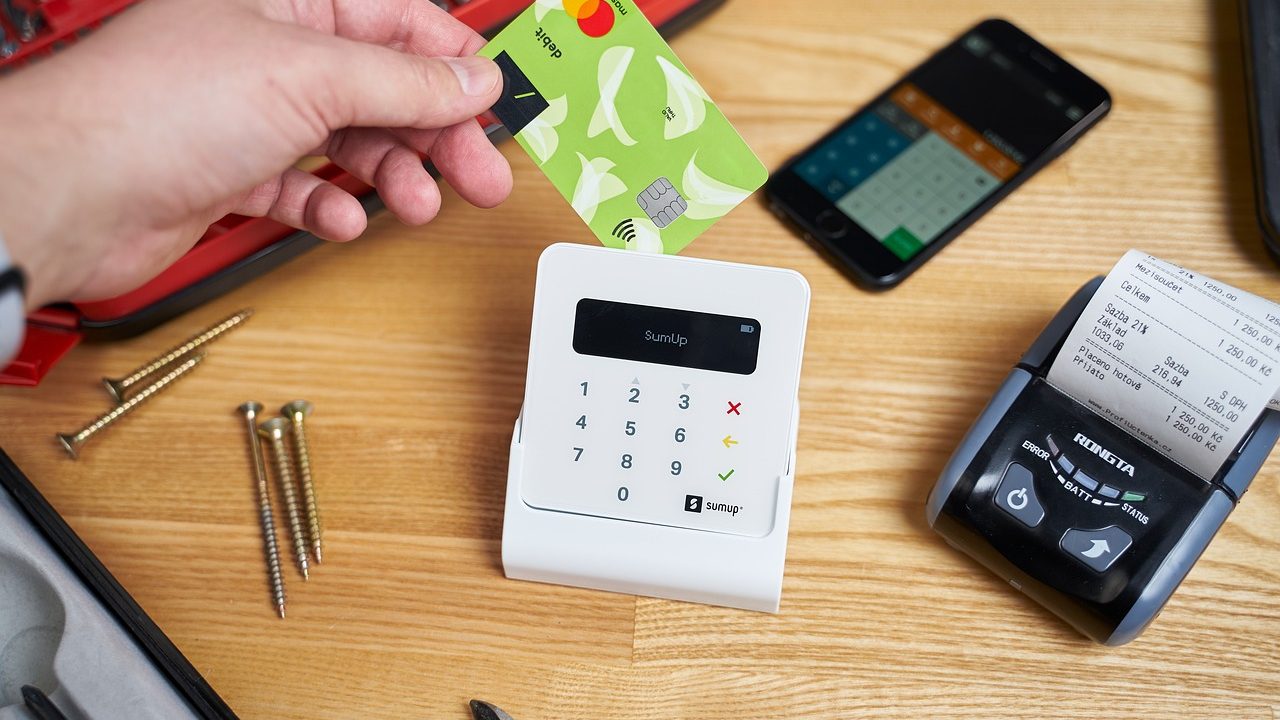
Fintech innovations and digital bank platforms have dramatically transformed American banking by introducing reward debit accounts that pay cash back on everyday purchases without credit checks or interest charges. For decades, cash-back programs were exclusive to credit cards, leaving debt-averse consumers without rewards. When evaluating cash back debit cards vs credit cards US consumers must decide whether a reward debit card can safely replace a credit card in their daily wallet.
The choice comes down to balancing earning potential against legal consumer protections and long-term financial health. While cash-back debit cards offer risk-free spending controls without the threat of high interest rates, they lack the robust federal fraud protections and credit-building benefits of traditional credit cards. Understanding the legal realities of Regulation E and Regulation Z, dispute resolution workflows, interchange economics, and card perks helps you optimize every transaction.
How Cash-Back Debit Cards Work
Historically, checking account debit cards were simple access keys for automated teller machines (ATMs) and point-of-sale (POS) terminals. Banks collected modest interchange processing fees from merchants whenever a customer swiped a debit card, but those fees were rarely passed along as consumer rewards. Credit cards dominated reward programs because higher merchant fees and interest charges funded generous cash-back structures.
Today, online banks and financial technology (fintech) firms partner with FDIC-insured charter banks to offer cash-back debit products. These debit cards reward cardholders with 1% to 3% cash back on qualifying monthly purchases, depositing funds directly into checking or savings balances. Because purchases pull money immediately from available funds, cardholders face zero debt risk, no monthly interest charges, and no credit inquiries during account opening.
However, reward debit accounts frequently place conditions on how earnings accumulate. Issuers may enforce monthly cash-back caps (such as cash back limited to the first $1,000 in monthly spending), restrict rewards to signature-based transactions rather than PIN-entered transactions, or require minimum monthly direct deposits to unlock top-tier rates. Despite these rules, reward debit cards provide a practical avenue for budget-conscious households to earn cash back on groceries, dining, and utility bills without risking debt.
Legal Fraud Protections: Regulation Z vs. Regulation E
The foundational difference between credit cards and debit cards rests in federal banking legislation. Federal law establishes entirely separate compliance frameworks based on whether a transaction utilizes a revolving line of credit or withdraws funds directly from a bank deposit account.
Credit Cards: The Federal Defense of Regulation Z
Credit cards fall under the Truth in Lending Act (TLA), implemented through Federal Reserve Regulation Z. Under Regulation Z, a credit card holder’s statutory liability for unauthorized credit card charges is strictly capped at $50. In practice, all major national payment networks—including Visa, Mastercard, American Express, and Discover—enforce zero-liability policies that reduce consumer out-of-pocket responsibility to $0 when fraud is reported promptly.
Crucially, when fraudulent activity occurs on a credit card, the issuing bank’s capital is spent—not your liquid funds. The money remains in your checking account untouched. Under federal law, cardholders can withhold payment on disputed line items while the issuer conducts an investigation, preserving personal liquidity for essential expenses like rent, mortgage payments, and utility bills.
Debit Cards: The Conditional Reality of Regulation E
Debit cards fall under the Electronic Fund Transfer Act (EFTA), implemented via Regulation E. While network-branded debit cards often carry voluntary zero-liability protections from card networks, statutory legal protections under Regulation E depend directly on how quickly the consumer notifies the financial institution of unauthorized transactions:
- Notified before unauthorized charges occur or within 2 business days: Maximum legal liability is capped at $50.
- Notified between 3 and 60 calendar days after statement issuance: Maximum consumer liability increases to $500.
- Notified after 60 calendar days from statement transmittal: The consumer faces unlimited liability, meaning they can lose all funds in the primary account plus any funds in linked overdraft accounts.
More importantly, when debit card fraud happens, cash immediately leaves your bank account. Even if your bank eventually restores the funds following an investigation, those dollars remain unavailable while the claim processes. If scheduled direct debits for mortgage, car, or utility payments arrive during this timeframe, consumers face overdraft fees, bounced check penalties, and missed payment marks.
Comparing Fraud Resolution Timelines
To accurately assess payment risk, consider how financial institutions process fraud claims under both systems during an active dispute investigation.
| Protection Parameter | Credit Cards (Regulation Z) | Debit Cards (Regulation E) |
|---|---|---|
| Max Statutory Liability | $50 (Zero liability in practice across major networks) | $50, $500, or unlimited, tied strictly to reporting timelines |
| Source of Funds Spent | Bank’s revolving credit facility | Directly deducted from personal liquid checking balance |
| Liquid Funds Exposure | Zero exposure; checking balance stays intact | Immediate capital removal upon card compromise |
| Provisional Credit Window | Disputed charge removed immediately from billing statement | Up to 10 business days before provisional credit is issued |
| Total Investigation Limit | Up to 2 full billing cycles (typically 60 to 90 days) | Up to 45 calendar days (90 days for new accounts or foreign transactions) |
| Risk to Fixed Household Bills | None; personal cash remains available for obligations | High risk of bounced checks, late fees, and temporary illiquidity |
When you file an unauthorized charge claim on a debit card, Regulation E gives banks up to 10 business days—which can span two calendar weeks—to investigate before issuing a provisional credit refund. For households managing tight monthly budgets, a $1,200 fraudulent charge on a debit card can create immediate distress, regardless of how much cash back the card yields.

Reward Earn Rates and Interchange Economics
Evaluating payment tools requires examining the fundamental economics governing how financial institutions fund cash-back incentives.
The Role of Interchange Fees and the Durbin Amendment
Every time you swipe or tap a card, the merchant pays a processing fee known as interchange. Interchange revenue is split among card networks, payment processors, and card issuers. In the United States, credit card interchange fees remain unregulated by fee caps, averaging between 1.5% and 3.5% per swipe depending on the card tier.
Conversely, debit card interchange is regulated by the Durbin Amendment to the 2010 Dodd-Frank Act. The Durbin Amendment caps debit interchange fees for covered financial institutions (banks with $10 billion or more in total assets) at approximately 22 cents plus 0.05% per transaction. However, exempt institutions—smaller community banks and credit unions with under $10 billion in assets—can charge higher debit interchange fees. Fintech startups partner with these smaller exempt banks to capture higher interchange fees and pass a portion to consumers as cash-back rewards.
Comparing Earning Ceilings and Reward Value
Because credit card issuers collect substantially higher interchange fees—and earn additional revenue from interest and fees—they offer far higher cash-back rates and higher annual reward potential:
- Standard Debit Rewards: Generally top out at 1% cash back on broad purchases, or up to 5% on highly restricted categories capped at modest spending limits (e.g., 5% back on up to $250 in monthly category spending).
- Standard Credit Rewards: Routinely offer 2% flat-rate cash back on all eligible purchases, or 3% to 5% on major spending categories like dining, groceries, gas, and travel with generous annual spend caps.
For example, a household spending $2,500 monthly ($30,000 annually) on everyday bills and household expenses would earn $300 per year using a 1% cash-back debit card. That same spending volume on a flat 2% cash-back credit card yields $600 per year. Over five years, that difference amounts to $1,500 in lost reward value, making credit cards the clear financial winner for consumers who pay balances in full.
Credit Score Building and Credit Health
Another major difference between debit cards and credit cards is their impact on consumer credit reports and credit scores.
Because debit card purchases use your existing checking account balance, debit accounts do not extend credit, track payment consistency, or report account performance to major credit bureaus (Experian, TransUnion, Equifax). While this eliminates debt risks, it also means spending on a debit card does nothing to build your credit profile.
A established credit history is critical in the US consumer economy for several reasons:
- Mortgage and Auto Financing: Lenders evaluate credit history to establish loan eligibility and interest rates. A higher credit score can save tens of thousands of dollars over a 30-year mortgage.
- Residential Lease Approvals: Property managers and landlords run credit checks on prospective tenants to gauge payment reliability.
- Insurance Premiums: Auto and homeowners insurance providers in most US states use credit-based insurance scores to calculate annual premium rates.
- Utility and Service Deposits: Electric, gas, water, and telecom providers frequently waive security deposits for customers with established credit records.
By using a credit card for everyday expenses and paying the statement balance in full each month, you establish a positive payment history and build a strong credit score without paying a cent in interest. Using cash-back debit cards exclusively leaves consumers with a thin credit file, regardless of how responsibly they manage their checking account balances.

Secondary Consumer Perks and Protections
When comparing total payment card value, look beyond cash-back rates to secondary consumer protections. Standard and premium credit cards offer built-in secondary perks that debit cards rarely match.
Purchase Protection and Extended Warranties
Many credit cards include automatic purchase protection, covering eligible items against stolen goods or accidental damage for 90 to 120 days from purchase. Furthermore, credit cards frequently extend manufacturer warranties by an additional year on products purchased with the card. Cash-back debit accounts rarely provide purchase protection or extended warranty benefits.
Travel Protections and Car Rental Coverage
Credit cards frequently include built-in travel safeguards, such as trip delay reimbursement, lost luggage coverage, and primary or secondary Auto Rental Collision Damage Waivers (CDW). If a rental vehicle is damaged while paying with an eligible credit card, the card’s insurance coverage handles claims without affecting your personal auto insurance policy. In contrast, rental car companies routinely require heavy security holds—often $200 to $500—when renting with a debit card, and debit cards rarely include CDW insurance.
Price Protection and Return Guarantees
Select reward credit cards offer return protection, allowing cardholders to seek refunds on eligible purchases if a retailer refuses a return within 90 days. Some credit cards also feature price protection benefits, reimbursing price drops on recently purchased items. Reward debit card programs focus exclusively on basic cash-back rewards and omit these consumer safety nets.
When to Use a Cash-Back Debit Card
Despite lower fraud protections and limited secondary perks, cash-back debit cards serve practical, strategic purposes for specific consumer scenarios:
- Strict Budgeting and Debt Avoidance: If credit cards create a temptation to overspend or carry monthly credit card debt, a cash-back debit card provides a safe alternative. Earning 1% cash back while remaining within your actual income is far smarter than earning 2% cash back while incurring 22% interest charges on unpaid balances.
- Credit Rebuilding and Credit Recovery: For consumers working to rebuild damaged credit or those unable to secure traditional credit approval, reward debit cards deliver immediate cash-back perks without credit checks or hard inquiries.
- Surcharge Avoidance on Merchant Processing Fees: Certain local service providers, utility companies, government portals, and educational institutions impose percentage-based convenience fees on credit card transactions, but charge fixed low fees or zero fees for debit payments. If a credit card surcharge exceeds your credit cash-back rate, paying with a cash-back debit card delivers the best net transaction value.
- Low-Risk, In-Person In-Store Transactions: Swiping a reward debit card at established local grocers or national retail chains presents low fraud risk compared to unverified online storefronts.
When to Always Use a Credit Card
To shield personal checking account funds and maximize consumer safeguards, always use a credit card for high-risk spending categories:
- Online Shopping and E-Commerce Merchants: Digital storefronts face risks from database security breaches, fraudulent skimmers, and non-delivery disputes. Credit cards keep your actual checking balance safe while fraudulent online transactions are investigated.
- Gas Station Pumps and Automated Terminals: Outdoor gas pumps remain frequent targets for hardware skimming devices. Using a credit card prevents skimmers from directly accessing your primary checking account.
- Hotels, Travel Services, and Rental Cars: Travel vendors place sizable temporary holds to cover incidentals and security deposits. Using a debit card locks up personal cash balances until holds drop off, whereas credit card holds only temporarily reduce available credit lines.
- Major High-Value Purchases: Buying expensive appliances, home electronics, or furniture on a credit card adds valuable extended warranty coverage and purchase protections that debit cards lack.
The Hybrid Wallet Strategy
You do not need to choose one card type exclusively. Many financially savvy consumers adopt a hybrid wallet strategy, using each card type where it offers the greatest advantage.
Under this approach, you use a cash-back debit card for routine local spending, groceries, and budget categories where overspending is a concern. Simultaneously, you maintain a rewards credit card for online shopping, recurring bills, gas stations, travel, and major household purchases.
To execute a hybrid wallet strategy safely, follow these three practical guidelines:
- Automate Card Payoffs: Set up monthly autopay on your credit card accounts to automatically pay the full statement balance from your checking account before the due date, eliminating interest charges completely.
- Enable Real-Time Account Alerts: Turn on push notifications and instant SMS alerts for all debit and credit purchases. Instant alerts let you spot unauthorized activity and notify your bank immediately to maintain maximum legal protection under Regulation E and Regulation Z.
- Maintain an Emergency Savings Cushion: Keep an emergency buffer in a separate high-yield savings account rather than mixing savings with your primary debit card account. This isolates main savings from debit fraud while ensuring funds remain available if a debit card dispute temporarily locks checking account funds.
Practical Comparison Scenarios
To see how these principles work in everyday life, review how cash-back debit cards compare to credit cards across common real-world shopping situations:
Scenario A: Grocery Purchases at a Local Supermarket
Shopping at a trusted local supermarket carries minimal fraud risk. Paying with a 1% cash-back debit card provides steady rewards without risk. However, using a grocery-focused credit card offering 3% to 6% cash back earns substantially higher annual rewards while keeping your checking balance safe.
Scenario B: Buying a Laptop Online from an Unfamiliar Retailer
Buying electronics online carries elevated skimming and non-delivery risks. Paying with a credit card protects your primary bank balance from fraud and adds valuable extended warranty coverage. Paying with a debit card risks direct account drain if the retailer’s payment portal is compromised.
Scenario C: Renting a Car for a Family Vacation
Rental car agencies typically place $300 to $500 security holds on cards. Paying with a debit card locks up actual checking account cash for the duration of the trip and offers no collision damage insurance. Paying with an eligible rewards credit card leaves cash untouched, places the hold on a credit line, and provides built-in rental car insurance coverage.
Common Misconceptions About Debit and Credit Rewards
Several common myths prevent consumers from making optimal payment choices:
- Myth 1: