If your home was constructed before 1975, there is a very high probability that your main subterranean drain line is made of heavy cast iron. While cast iron is durable and deadens drainage noise, decades of moisture exposure and acidic household wastewater slowly erode its inner walls. Homeowners facing chronic backups, sluggish drainage, or persistent sewer gas smells eventually reach an expensive fork in the road: evaluating cast iron sewer pipe descaling vs epoxy relining cost US trade-offs against complete trenchless pipe bursting or traditional open-trench excavation.
Selecting the wrong restoration method can lead to thousands of dollars in wasted labor and redundant repairs. Descaling a line that has lost its bottom structural mass can cause immediate soil cave-ins, while paying top dollar for structural epoxy relining over a pipe full of ground-settlement sags (bellies) will fail to stop waste accumulation. This comprehensive guide outlines the true mechanical boundaries, long-term performance, real-world US pricing, and diagnostic steps required to pick the right sewer line rehabilitation path for your property.
Understanding Cast Iron Pipe Degradation: Tuberculation vs. Structural Failure
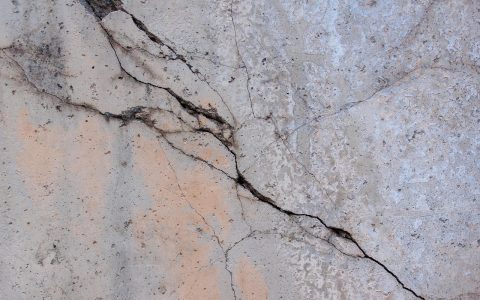
To evaluate repair choices accurately, you must understand how cast iron deteriorates underground. Cast iron does not degrade in a smooth, uniform layer. Instead, it undergoes a complex electrochemical corrosion process called tuberculation, where iron oxide deposits build up inside the pipe walls, creating jagged rust flakes, scale layers, and hard mineral mounds.
This interior degradation manifests in two distinct phases that demand entirely different plumbing solutions:
- Interior Restriction and Waste Snagging: Rough tuberculation scale gradually restricts the effective inner diameter of a standard 4-inch sewer line down to 2 inches or less. Toilet paper, grease, and solid waste catch on jagged iron spurs, causing chronic line blockages long before the pipe shell experiences structural collapse.
- Channeling and Bottom Wall Loss: Acidic wastewater sitting in the bottom portion of the pipe creates a continuous chemical reaction known as channeling. Over 40 to 60 years, the bottom wall thins until a continuous groove wears completely through the iron shell, allowing sewage water to leak into the surrounding soil and erode the dirt supporting the pipe.
Mechanical descaling addresses interior flow restrictions, whereas epoxy relining and pipe bursting resolve structural compromises. Confusing an interior restriction issue with a structural failure causes homeowners to make costly mistakes.
Option 1: Mechanical Cast Iron Sewer Pipe Descaling
Mechanical descaling is a non-invasive restoration process designed to strip away severe interior scale and rust buildup without disturbing your lawn, concrete slabs, or surrounding landscaping.
How Descaling Works
A licensed plumber accesses the main sewer line through an existing cleanout access point. They feed a high-speed flexible shaft powered by an electric motor into the line. Attached to the end of the shaft are specialized expanding carbide-tipped chain knockers. As the shaft spins rapidly (often at 1,500 to 3,000 RPM), centrifugal force drives the chain knockers firmly against the inner iron walls, scraping off years of scale, iron tuberculation, and mineral deposits.
Simultaneously or immediately following mechanical scraping, a specialized hydrojetter is deployed. The hydrojetter blasts high-pressure water (typically 3,000 to 4,000 PSI at 6 to 12 gallons per minute) through multi-directional reverse nozzles. This high-velocity flush washes all loose scale flakes out of the drain system into the municipal sewer main, leaving the original pipe smooth and clear.
When Descaling Is the Right Choice
Mechanical descaling is the ideal solution when your cast iron line is structurally intact but functionally restricted. If a high-definition video camera inspection shows that the pipe wall thickness remains substantial, the outer shell retains its round shape, and there are no missing bottom sections or severe offset joints, descaling restores the inner diameter back to near-original capacity for a small fraction of replacement costs.
Cost and Longevity Expectations
In the US residential market, professional descaling combined with hydrojetting typically ranges from $1,200 to $2,800, depending on line length, cleanout accessibility, scale severity, and local labor rates. While descaling clears immediate blockages and restores proper flow, it does not stop ongoing corrosion. Without an internal protective coating or liner, raw exposed cast iron will begin rusting again, typically requiring routine hydrojet maintenance or relining within 5 to 10 years.
Option 2: Epoxy Relining (Cured-In-Place Pipe / CIPP)
Cured-In-Place Pipe (CIPP) epoxy relining creates a seamless, joint-free structural pipe inside the host iron line without requiring trenching across your yard or cutting through basement floor slabs.
How Epoxy Relining Works
After the host cast iron line is thoroughly descaled and hydrojetted clean, technicians measure the exact internal diameter and length of the pipe. A flexible textile felt or fiberglass sleeve is saturated (wet-out) with a custom two-part epoxy resin system. Using compressed air or water head pressure, the saturated liner is inverted (pushed inside-out) into the cast iron pipe from an accessible entry cleanout.
An internal rubber bladder inflates the resin-soaked sleeve firmly against the inner walls of the old cast iron pipe. Heat, hot water, steam, or ambient temperature cures the epoxy resin over several hours. Once hardened, the inner bladder is pulled out, leaving behind a smooth, structural resin pipe that bonds tightly to the host iron structure.
When Relining Is the Right Choice
Epoxy relining is the ideal choice when the host pipe suffers from localized cracks, channel wear along the bottom, pinhole leaks, micro-fractures, or light tree root penetration, provided the line retains its round shape and continuous pitch. It is extremely cost-effective when lines run beneath concrete basement floors, paved driveways, stone patios, or mature landscaping that would cost thousands of dollars to restore after excavation.
Cost and Longevity Expectations
For US single-family homes, CIPP epoxy lining generally costs between $150 and $250 per linear foot, bringing a standard 50-foot main sewer line project to roughly $6,000 to $12,000 total including initial descaling prep work. Top-grade epoxy relining carries an estimated service lifespan of 50 years or more, and its jointless construction completely prevents future tree root intrusion.
Option 3: Trenchless Pipe Bursting & Trench Replacement
When a cast iron line has lost structural integrity, descaling and relining are no longer safe options. You must consider full replacement through trenchless pipe bursting or open-trench excavation.
Pipe Bursting Mechanics
Pipe bursting is a trenchless replacement technique that requires digging only two access pits: an insertion pit near the house and a receiving pit near the city sewer connection or curb line. A heavy-duty steel cable is threaded through the existing cast iron pipe and attached to a hard steel conical bursting head.
A hydraulic pulling unit draws the bursting head through the host pipe. The heavy steel cone shatters the old, fragile cast iron outwards into the surrounding soil while simultaneously pulling a seamless, flexible High-Density Polyethylene (HDPE) replacement pipe directly behind it. The new HDPE pipe occupies the exact same pathway as the old line.
When Replacement Is Mandatory
You must opt for complete pipe replacement if your sewer line exhibits any of the following severe conditions:
- Structural Collapse or Shear: If large sections of the iron pipe have collapsed inward, epoxy liners cannot bridge the void because there is no host structure to support the flexible liner during curing.
- Low Sags or Pipe Bellies: If ground movement, soil erosion, or poor installation created a low dip where standing water sits, lining or descaling will not fix the pitch. Gravity drainage requires physically re-grading the soil and replacing the line.
- Severe Offset Joints: Displaced joints where pipe sections have shifted sideways create sharp edges that impede lining equipment and restrict flow.
Cost Comparison
Trenchless pipe bursting in the US averages $6,000 to $13,000 ($100 to $200 per linear foot). Traditional open-trench excavation costs $5,000 to $15,000 in raw plumbing labor, but total homeowner expenses often jump to $15,000 to $25,000+ after adding hardscape repair, concrete repaving, deck rebuilding, and lawn restoration.
Direct Comparison Matrix: Descaling vs Relining vs Bursting
Comparing these three sewer rehabilitation choices requires evaluating upfront pricing, structural advantages, property impact, and service life side-by-side.
| Evaluation Factor | Mechanical Descaling | Epoxy CIPP Relining | Trenchless Pipe Bursting |
|---|---|---|---|
| Primary Goal | Removes scale and restores inner pipe diameter | Creates a smooth, structural pipe-within-a-pipe | Replaces destroyed pipe with seamless HDPE pipe |
| Average US Cost (50 ft line) | $1,200 – $2,800 | $6,000 – $12,000 | $6,000 – $13,000 |
| Structural Strength Added | None (removes corrosion material) | High (standalone structural integrity) | Complete (brand new HDPE material) |
| Property Impact | Zero excavation (uses existing cleanout) | Minimal (uses cleanout or small pit) | Low (requires entry and exit pits) |
| Expected Service Life | 5 – 10 Years (requires maintenance) | 50+ Years | 50–100 Years |
| Root Intrusion Protection | None (roots can re-enter joints) | 100% (jointless continuous barrier) | 100% (fused continuous HDPE) |
| Fixes Sagging Bellies? | No | No | No (requires digging to fix grade) |
The Diagnostic Prerequisite: Why HD Sewer Camera Inspection Is Mandatory
Never sign a high-dollar sewer repair contract based solely on a quick drain auger (snake) clearing. Before approving any repair method, require a continuous high-definition video camera inspection from your cleanout to the municipal main connection.
A thorough diagnostic camera inspection must include:
- Digital Distance Counter: The camera footage must feature an on-screen distance counter measuring exact linear footage, allowing technicians to locate offsets, scale build-up, cracks, or tree roots precisely.
- Pre- and Post-Water Flow Flushing: Running tap water during camera movement helps identify ground-settlement sags (bellies) where water pools, which can look dry during static inspections.
- Uncut Digital Video Copy: Reputable contractors will provide a complete, unedited digital copy (or cloud link) of the footage for your records and second opinions.
If a contractor refuses to supply raw video files or demands immediate relining without hydrojetting and washing the line first, seek a second opinion right away.
Common Contractor Upselling Traps and How to Avoid Them
Sewer restoration is a high-margin field within residential plumbing, making it prone to aggressive sales tactics. Protect your budget by watching out for these common sales traps:
1. Descaling Pipe That Has Lost Its Bottom Wall
Some technicians push cheap descaling jobs on severely compromised cast iron lines. High-speed mechanical chain knockers can break through thin, corroded pipe bottoms, converting a contained rust issue into an immediate soil collapse emergency. Always demand that the plumber verify wall thickness before spinning carbide chains inside your pipe.
2. Pipelining Over Low Pipe Sags (Bellies)
An epoxy liner takes the exact shape of the host pipe. If your sewer line sags downward due to soil movement, an epoxy liner will simply follow that curve. Wastewater will continue to pool in the low spot, and solid waste will keep accumulating. Relining cannot correct pitch issues; bellies require pipe bursting with grade adjustments or open-trench excavation to re-establish slope.3. Recommending Total Replacement When Simple Descaling Is Sufficient
Sales-driven technicians often show homeowners camera footage of thick internal scale and claim, “Your pipe is disintegrating and needs a $15,000 total replacement today.” In many cases, those dark mounds are harmless surface scale. A two-hour mechanical descaling and hydrojet session can fully restore flow capacity without replacing the pipe.
Step-by-Step Decision Framework for Homeowners
Use this decision matrix when reviewing camera footage with your plumbing professional:
Step 1: Inspect Pipe Grade and Shape
Is the host pipe round, continuous, and properly sloped toward the city connection without low sags? If NO, descaling and relining are ruled out. Choose pipe bursting or open-trench replacement to fix grade issues.
Step 2: Check Wall Structure and Thickness
Is the host pipe structurally solid, with no missing bottom sections or crushed sidewalls? If YES, but heavy interior scale causes waste to catch, proceed with mechanical descaling and hydrojetting.
Step 3: Evaluate Leaks and Root Penetration
Does the line exhibit cracks, bottom channel wear, or root penetration through open joints, while retaining its round shape and proper pitch? If YES, install CIPP epoxy relining to seal leaks and restore structural strength.
Financing, Permits, and Local Municipal Requirements
Underground sewer repairs involve local government regulations and utility guidelines that affect overall project costs:
- Building Permits and Inspections: Most US towns require municipal permits ($100 to $500) for CIPP lining or pipe bursting. Local building inspectors usually review final camera footage before closing out permits.
- Street Right-of-Way Access: If pipe damage extends past your property line into the municipal street connection, you may need right-of-way permits and street-cutting bonds. Confirm where your private utility ownership ends with your municipal water authority.
- Insurance Limitations: Standard US home insurance policies exclude routine wear-and-tear degradation of cast iron drain lines. However, optional “Water Service Line Coverage” riders ($30 to $60 per year) can offset repair expenses up to $10,000. Check your policy endorsement terms before starting work.
Real-World Case Scenarios: Choosing the Right Option
To help you visualize how these criteria apply in real-life situations, consider three common homeowner scenarios:
Scenario A: The Suburban Colonial with Tree Root Infiltration
A homeowner in a 1968 suburban colonial experienced annual main-line backups. Camera inspection showed that the cast iron line was round and properly pitched, but tree roots were entering through three separated bell-and-spigot joints, catching toilet paper. The bottom wall was intact.
Recommended Solution: CIPP Epoxy Relining. Descaling would only clear roots temporarily, while open excavation would destroy a mature oak tree and brick driveway. Epoxy lining sealed all joints seamless, stopping root intrusion for a total cost of $7,500.
Scenario B: The Brick Rancher with Heavy Scale Buildup
A buyer purchasing a 1960 brick rancher ordered a sewer scope during inspections. The video revealed thick tuberculation scaling reducing a 4-inch pipe down to 2 inches, causing sluggish drainage. However, the pipe shell was thick, structurally sound, and showed zero channeling.
Recommended Solution: Mechanical Descaling & Hydrojetting. The buyer negotiated a $2,000 seller credit, hired a specialist to descale the line with carbide chain knockers, and fully restored original flow diameter for $1,800.
Scenario C: The Mid-Century Modern with Ground Settlement
A mid-century modern home suffered repeated main-line clogs. Camera inspection revealed that a 12-foot section of cast iron beneath the front lawn had sagged 4 inches deep due to soil settlement, creating a permanent belly where standing water pooled.
Recommended Solution: Trenchless Pipe Bursting / Regraded Trenching. Epoxy relining would have followed the low dip and failed to fix the pooling water. The homeowner selected pipe bursting with minor localized excavation to re-grade the slope, costing $9,200.
Frequently Asked Questions
Can hydrojetting damage old cast iron pipes?
When performed by trained technicians using correct pressure settings (3,000 to 4,000 PSI), hydrojetting will not damage structurally sound cast iron. However, if the pipe has lost its bottom wall due to channel corrosion, high-pressure water can wash away soft soil beneath the pipe, expanding the breach. A camera inspection should always precede high-pressure hydrojetting.
How long does CIPP epoxy relining take to cure?
Curing times depend on the resin formulation and ambient temperature. Standard ambient-cure resins take 4 to 12 hours to cure, during which household water use must be shut off. Hot water or steam-curing systems can shorten curing time to 1 to 3 hours.
Does epoxy lining reduce internal pipe diameter?
Yes, but negligibly. CIPP liners are typically 3mm to 6mm thick. While the internal diameter decreases slightly, the slick, non-porous epoxy surface dramatically reduces friction loss, improving overall flow rate compared to rough, scaled cast iron.
Final Verdict: How to Choose the Most Cost-Effective Repair
Addressing a failing cast iron sewer line does not automatically mean digging up your lawn or paying $20,000 for total pipe replacement. Mechanical descaling offers an affordable fix ($1,200 to $2,800) for structurally intact lines suffering from scale accumulation. Cured-in-place epoxy relining provides long-term structural restoration ($6,000 to $12,000) for cracked or channeled lines running beneath costly landscaping or driveways.
However, when pipes suffer severe sags, crushed walls, or complete structural collapse, trenchless pipe bursting ($6,000 to $13,000) or open excavation remains the most reliable long-term path. Always request an uncut, high-definition camera inspection, secure multiple quotes, and choose the repair method that matches your line’s structural condition.