When designing a compact kitchen, outfitting an urban apartment, or replacing a dead wall oven on a tight budget, space is at an absolute premium. Many homeowners and renters look at the modern kitchen appliance market and wonder if a single hybrid unit can do the heavy lifting of two separate machines. Evaluating a convection microwave vs traditional oven requires looking closely at how these appliances actually generate and distribute heat, as well as understanding their physical limitations.
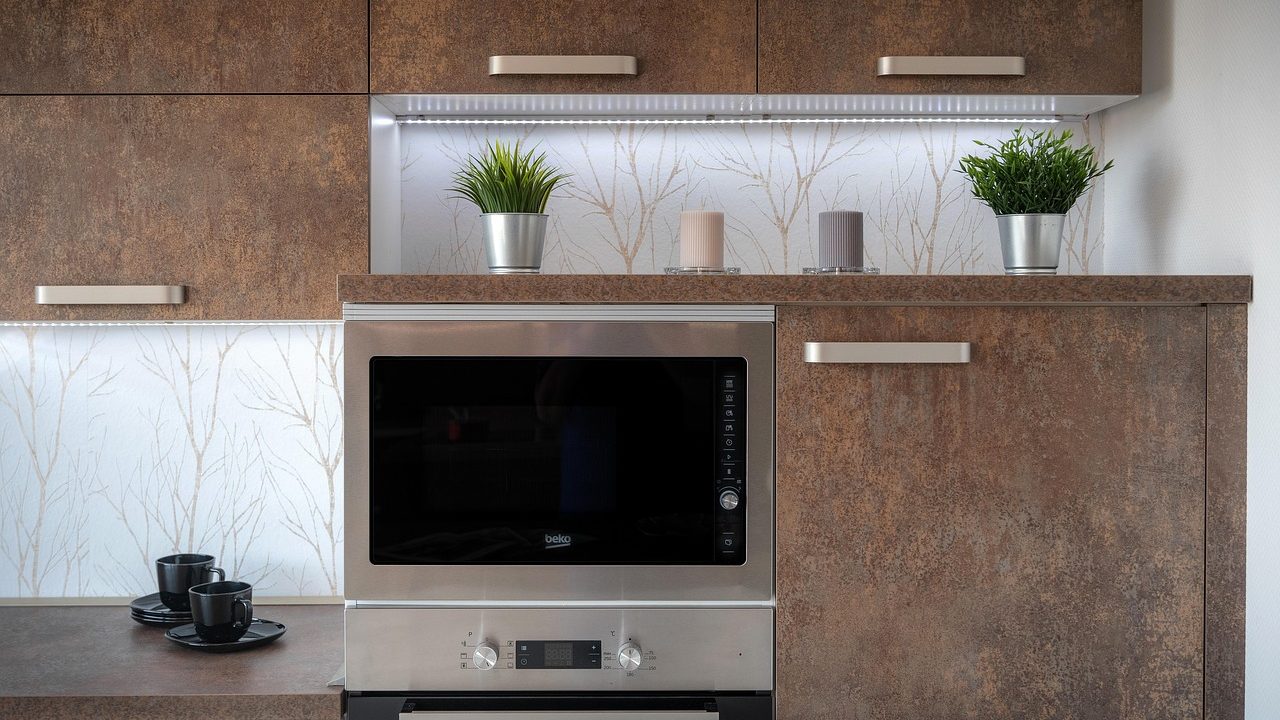
A traditional wall oven relies on massive radiant heating elements at the top and bottom of a large cavity, heating the air inside through natural convection or mechanical fan assistance. A convection microwave, on the other hand, combines standard microwave magnetron technology with a secondary heating element and a dedicated convection fan. This allows the unit to cook food via traditional thermal radiation and forced-air circulation in addition to standard electromagnetic wave heating. But does this technological mash-up genuinely replace a standalone oven for everyday baking and roasting, or will you find yourself constantly frustrated by its limitations?
To answer this, we need to look past marketing claims and examine real-world thermal performance, preheat realities, capacity constraints, and daily usability factors. Whether you are planning a complete kitchen remodel or shopping for a space-saving appliance upgrade, here is a practical guide to help you decide.
Understanding the Technology: How Convection Microwaves Work
To understand why a convection microwave behaves differently from a traditional wall oven, it helps to look at the internal mechanics. A standard microwave excites water molecules in food using high-frequency electromagnetic radiation, cooking from the inside out while leaving the surrounding air cool. This makes standard microwaves fast at reheating and defrosting, but terrible at creating a crispy, browned crust on baked goods or roasted meats.
Convection microwaves solve this by integrating an electric heating element—often located in the back wall or top of the cavity—along with a motorized fan. When you select a convection mode, the appliance turns on this heating element and circulates the superheated air around the cooking cavity. This mimics the convection mode found on high-end slide-in ranges and wall ovens. Some advanced models even feature combination cooking modes that fire the microwave magnetron and the convection heating element simultaneously, drastically cutting down cook times for things like roasted chicken or baked potatoes.
However, physics places strict limits on how much power and efficiency you can pack into a microwave-sized housing. While a traditional 24-inch or 30-inch wall oven draws heavy electrical current (often requiring a dedicated 240-volt circuit), most over-the-counter or built-in convection microwaves run on standard 120-volt household circuits. This structural difference impacts how fast the unit can preheat and how well it maintains a steady, precise cooking temperature over long periods.
Furthermore, the physical geometry of a microwave chassis dictates how airflow moves. In a large traditional oven, air currents have room to circulate freely around large pans. In a compact convection microwave, the airflow is compressed, meaning that blocking the fan or placing an oversized dish inside can completely disrupt the thermal transfer, leading to hot and cold spots that ruin delicate bakes.
Preheat Times and Thermal Recovery
One of the most immediate differences you will notice when comparing a convection microwave vs traditional oven is the preheat time. Because a traditional wall oven has a large cavity filled with heavy insulation and massive heating elements, it can take anywhere from 12 to 20 minutes to reach 400 degrees Fahrenheit. Once it reaches that temperature, however, its thermal mass acts like a flywheel; opening the door to check on food results in a relatively small temperature drop, and the oven recovers quickly.
Convection microwaves operate on an entirely different thermal scale. Because their internal cavities are vastly smaller and their metal walls thinner, they heat up remarkably fast. Most convection microwaves can preheat to 350 or 400 degrees Fahrenheit in roughly 3 to 6 minutes. For busy households, this rapid preheat is a massive quality-of-life advantage, especially when you are trying to pull together a quick weeknight dinner after a long day at work.
The trade-off comes in thermal recovery and temperature stability. When you open a convection microwave door to rotate a baking sheet or check a roast, the tiny cavity loses its heat almost instantly. The unit must work hard to ramp the heating element back up, and temperature fluctuations during a long bake can be more pronounced than in a large, well-insulated wall oven. For quick-cooking items like cookies, roasted vegetables, or frozen pizzas, this is rarely an issue. For delicate pastries or long, slow-braised items, the lack of thermal stability can lead to inconsistent results.
Understanding this recovery deficit helps you change your cooking habits. Instead of repeatedly opening the door to check on food—which drains the heat from the small cavity—you must rely on the interior light and the viewing window. Minimizing door openings is essential for maintaining a stable cooking environment in any hybrid microwave unit.

Capacity Limits and Multi-Rack Realities
Perhaps the single biggest hurdle when evaluating a convection microwave vs traditional oven is interior capacity. A standard single wall oven in the US provides roughly 4.0 to 5.0 cubic feet of interior cooking space, featuring multiple rack positions that easily accommodate large roasting pans, Dutch ovens, and multiple cookie sheets at once.
By contrast, a typical countertop or over-the-range convection microwave offers between 1.0 and 1.5 cubic feet of space. More importantly, the usable vertical and horizontal dimensions are heavily restricted. You cannot slide a standard half-sheet pan (18×13 inches) into a microwave cavity. Instead, you are limited to round or square baking dishes, quarter-sheet pans, and specialized low-profile roasting racks that fit onto the glass turntable or a wire trivet.
This capacity restriction directly impacts your cooking style:
- Batch Cooking: You cannot bake multiple trays of cookies at the same time. Everything must be baked in single batches, which doubles or triples your total kitchen time.
- Holiday Roasting: Fitting a 20-pound Thanksgiving turkey into a convection microwave is physically impossible. Even a large rack of ribs or a tall stockpot will not fit.
- Dish Compatibility: Oversized casserole dishes with large side handles may not fit through the door opening or may jam against the interior walls, preventing the turntable from rotating.
If you primarily cook for one or two people, or if your meals rarely involve large cookware, these limitations may not bother you. If you regularly cook holiday dinners or meal-prep massive quantities of food on the weekends, a small cavity will quickly become a daily bottleneck.
Another subtle limitation of small microwave cavities is vertical clearance. When baking items that rise significantly—such as soufflés, quick breads, or tall cakes—the top of the batter can sit dangerously close to the upper convection heating element. This proximity increases the risk of the top burning before the interior is fully cooked, requiring you to tent the dish with aluminum foil halfway through the baking process.
Baking and Roasting Performance Comparison
How do food results stack up when you put a convection microwave head-to-head with a traditional oven? The answer depends entirely on what you are cooking.
For roasting meats and vegetables, a convection microwave can be surprisingly effective. The forced hot air rapidly dries out the surface of chicken wings, pork chops, or root vegetables, helping them achieve excellent browning and crispness in a fraction of the time a traditional oven requires. Combination cooking modes—which use microwave energy to cook the interior of the meat while convection heat crisps the skin—produce juicy results remarkably fast.
For baking, the results are more nuanced. Quick breads, muffins, brownies, and drop cookies generally turn out fine, provided you use metal or glass pans that fit the turntable and you adjust your baking times downward slightly to account for the intense radiant heat. However, delicate items that rely on gentle, ambient bottom-heat—such as artisan bread, soufflés, layer cakes, and pastry crusts—often struggle. The proximity of the heating element and the constant airflow can dry out the top of a cake before the center has time to set, or cause uneven rising.
When assessing these performance differences, it is also important to consider noise and vibration. Because convection microwaves rely on high-speed fans to circulate air, they are generally noisier than traditional wall ovens. If you have an open-concept living space adjacent to your kitchen, the hum of the convection fan running for 45 minutes can be noticeable during dinner conversation.
Kitchen Appliance Trade-Offs: Space vs Capability
Choosing an appliance configuration always involves compromises. When you eliminate a traditional wall oven in favor of a convection microwave, you are trading raw cooking capability for precious floor and counter space.
In small urban apartments, tiny kitchen remodels, or secondary kitchen spaces like basement wet bars and guest suites, this trade-off is often well worth it. By removing the wall oven and lower range, you open up valuable under-counter space that can be repurposed for deep drawer storage, a built-in trash pull-out, or a dedicated panel-ready dishwasher. For minimalists who rarely use more than a single baking dish at a time, a high-end convection microwave combined with a countertop induction burner can entirely replace a traditional range setup.
Conversely, in a primary family home where daily cooking involves complex meals, multi-course dinners, and heavy cookware, downsizing to a microwave-only footprint usually leads to immediate regret. Homeowners often find themselves frustrated by having to cook dinner in sequential shifts because everything cannot fit into the appliance at once.
Evaluating this trade-off requires an honest assessment of your actual cooking habits over the past year. Ask yourself how often you genuinely used all the racks in your traditional oven, or how many times you hosted large gatherings that required simultaneous baking temperatures. If those instances are rare, downsizing becomes a much more viable strategy.
Installation Requirements and Electrical Realities
Before ripping out your old wall oven or redesigning your kitchen cabinetry, you must account for the infrastructure requirements of these appliances. Transitioning from one type of appliance to another is rarely a simple swap.
Traditional wall ovens require heavy-duty electrical wiring—typically a dedicated 240-volt circuit rated for 30 to 40 amps. If you decide to remove a wall oven and replace it with nothing more than a standard microwave, you are left with an abandoned 240-volt junction box that must be safely capped off by a licensed electrician in accordance with local building codes. Conversely, if your kitchen only has standard 120-volt outlets near the cooking zone, you cannot simply plug a heavy-duty wall oven into the wall without running expensive new wiring from your main electrical panel.
Weight and cabinetry support also matter. While over-the-range microwaves are designed to mount securely to wall studs and upper cabinets, built-in convection microwaves installed into custom cabinetry require proper ventilation clearances and sturdy mounting frames to support their weight during operation. Always verify the manufacturer’s specification sheets for clearance requirements before finalizing your cabinet design.
Ventilation is another critical factor. Traditional wall ovens vent through specialized exhaust channels, whereas over-the-range convection microwaves often double as kitchen exhaust hoods. Ensuring that your ductwork is properly configured—whether venting to the outside or recirculating through charcoal filters—prevents grease and moisture buildup inside the appliance housing.
Common Mistakes to Avoid
Homeowners moving to a hybrid appliance often run into predictable pitfalls. Avoiding these common mistakes will save you from ruined meals and premature equipment wear:
- Ignoring Turntable Clearance: Many convection microwaves require you to remove the glass turntable and insert a stationary baking rack when switching to convection mode. Forgetting this step can damage the drive motor or ruin your food.
- Using Plastic or Silicone Improperly: While standard microwave-safe plastic containers are fine for reheating, they will melt instantly under convection heat. You must use metal, heavy glass, or ceramic cookware rated for high-temperature baking.
- Failing to Adjust Recipes: Convection heat transfers energy faster than still air. If you use standard oven temperatures and bake times in a convection microwave, the outside of your food will burn before the inside is cooked. Lower your cooking temperature by 25 degrees Fahrenheit or reduce total bake time by roughly 20 percent when first experimenting.
- Overcrowding the Cavity: Stacking multiple dishes or using baking pans that touch the interior walls disrupts the airflow of the convection fan, resulting in raw spots and unevenly cooked meals.
Paying attention to these operational details ensures that your hybrid appliance performs at its absolute best and minimizes the learning curve associated with switching from radiant to forced-air cooking technology.
The Decision Framework: Is a Convection Microwave Right for You?
To determine whether a convection microwave can genuinely serve as your primary oven, run through this straightforward checklist of your cooking habits:
- What is your household size? If you cook for three or more people daily, the capacity limits will be a constant source of friction. If you cook for one or two, the space savings outweigh the size restrictions.
- What types of food do you prepare most often? If your baking is limited to frozen appetizers, roasted vegetables, sheet-pan dinners, and occasional cookies, a convection microwave handles these tasks admirably. If you bake sourdough bread, large holiday roasts, or multi-tiered cakes, stick with a traditional oven.
- How important is kitchen space? If reclaiming counter space or opening up a cramped kitchen layout is your top remodeling priority, a hybrid appliance unlocks design possibilities that a bulky wall oven simply cannot match.
- What is your budget for electrical and cabinet modifications? Factoring in electrician fees, custom cabinet alterations, and finishing work can quickly close the gap between buying a simple hybrid microwave and installing a proper wall oven.
Ultimately, a convection microwave is a marvel of engineering that bridges the gap between fast microwave cooking and thermal baking. While it cannot fully replicate the sheer capacity, steady thermal mass, and multi-rack versatility of a high-end traditional wall oven, it is more than capable of handling everyday cooking tasks in compact kitchens where space is the ultimate luxury. By carefully weighing your culinary routines against the physical realities of these hybrid appliances, you can design a kitchen that meets your practical needs without unnecessary compromise.