When an aging backyard pool develops a visible fracture, homeowners face an expensive fork in the road. Dealing with structural failure in a backyard aquatic feature is rarely straightforward, but understanding the realities of fiberglass pool crack repair vs replacement helps clarify your options. While a minor surface spider crack is purely cosmetic, a deep structural shell fracture can lead to continuous water loss, shifting soil beneath the basin, and extensive deck damage if left unaddressed.
Choosing the right path requires looking past initial contractor estimates and examining the underlying mechanics of pool engineering. You must weigh the longevity of localized epoxy injections and multi-layer fiberglass shell resurfacing against the massive disruption, soil compaction overhead, and financial burden of full pool demolition or a complete structural tear-out.
Anatomy of a Fiberglass Pool Failure
Before determining whether to repair or replace, you need to understand why the crack occurred. Unlike poured concrete shells that crack due to curing shifts or hydrostatic pressure, fiberglass pools are engineered as flexible, pre-formed composite basins. They rely heavily on proper backfilling—typically with gravel, clean stone, or structural sand—to support the walls against the immense weight of the water inside.
When a fiberglass shell cracks, it usually points to one of three underlying root causes:
- Improper Backfill Settlement: If the supporting material beneath or around the pool washes out due to a plumbing leak or poor initial compaction, the unsupported shell walls flex beyond their engineering limits.
- Severe Hydrostatic Pressure: High groundwater tables can exert upward and inward force on an empty or partially drained pool, causing the floor to heave or walls to buckle.
- Manufacturing or Installation Stress: Over-tensioning during transport or lifting, combined with an unlevel base prep, creates localized stress concentrations that fracture over decades of freeze-thaw cycles.
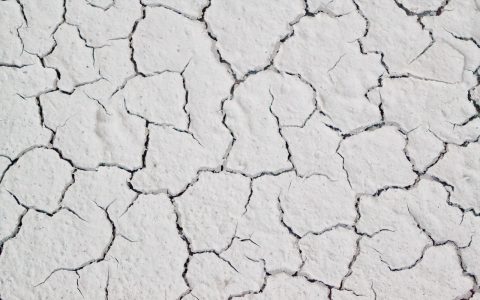
Distinguishing between a gelcoat fracture and a structural shell crack dictates your entire repair strategy. Gelcoat cracks affect only the colored, resin-rich outer layer and pose no threat to the structural integrity of the basin. Structural cracks, however, penetrate straight through the fiberglass laminate layers, requiring immediate engineering intervention.
Furthermore, recognizing the progressive stages of composite fatigue helps prevent minor issues from escalating into major disasters. When a shell experiences minor flexing over years of seasonal ground movement, the resin matrix can micro-fracture long before water begins visibly escaping. Homeowners should conduct regular visual inspections during spring opening and fall closing procedures, looking closely at skimmer throats, return fittings, and deep-end floor transitions where stress concentrates naturally.
Understanding resin chemistry is equally critical during this diagnostic phase. Older pools manufactured decades ago often utilized standard polyester resins, which can become brittle over time, especially if subjected to chronic chemical imbalances or intense ultraviolet exposure around the pool coping. Modern manufacturing, by contrast, frequently incorporates vinylester resin layers that offer superior blister resistance and enhanced flexural strength. When inspecting a crack, a qualified technician will evaluate whether the degradation is isolated to a single stress point or indicative of widespread resin embrittlement across the entire basin.
The Case for Localized Shell Repair and Epoxy Stitching
For most homeowners, structural fiberglass pool crack repair paired with professional shell resurfacing represents the most cost-effective path forward. Rather than treating the entire basin as a write-off, specialized pool technicians target the exact point of failure using marine-grade structural epoxies and woven fiberglass laminates.
The repair process is meticulous and requires specialized staging. First, the pool is typically drained—though specialized techniques allow underwater repairs in specific scenarios, structural stabilization almost always demands a dry shell. Technicians grind out a V-groove along the length of the crack to expose clean, uncompromised fiberglass material. They then drill termination holes at both ends of the crack to prevent it from propagating further under future stress.
Next, structural epoxy or polyurethane injection is forced deep into the core of the fracture to bond the separated walls back together. Once the injection cures, multiple layers of overlapping chopped strand mat and woven roving fiberglass cloth are laminated across the repaired zone, chemically fusing with the original shell. Finally, the repaired area is blended, and the entire interior pool surface is often finished with a matching gelcoat or a complete pool resurfacing coat to restore uniform color and texture.
Evaluating the long-term viability of this approach involves looking at material science. High-grade marine epoxy systems possess tensile strengths that often exceed the original polyester resin of older pool shells. When reinforced with multi-axial fiberglass cloth, the repaired area becomes structurally sound. However, the success of this method hinges entirely on substrate preparation and environmental control during the curing phase, making professional execution critical.
Temperature and humidity control play massive roles during the application of structural laminates. If ambient temperatures drop too low during the curing phase, or if residual moisture remains trapped within the fiberglass matrix, the new layers may delaminate over time. Professional repair crews utilize industrial dehumidifiers, tenting, and thermal heating blankets to maintain optimal curing conditions, ensuring that the chemical bonds between the old shell and the new reinforcement achieve maximum tensile strength.
Evaluating Full Pool Demolition and Removal
When structural damage is catastrophic—such as widespread shell delamination, multiple compounding fractures, or severe structural shifting caused by sliding hillside soils—repair is no longer viable. At this stage, homeowners must evaluate full pool demolition and removal.
Demolition is a major civil engineering project, not a simple weekend landscaping overhaul. The process involves:
- Drainage and Environmental Compliance: Pumping millions of gallons of chlorinated or chemically treated pool water down approved sanitary sewer lines or via permitted hauling methods.
- Breaking the Shell: Utilizing heavy pneumatic hammers and excavators to smash the fiberglass or concrete structure into manageable pieces.
- Punching Drainage Holes: Breaking massive holes in the deep end floor to prevent the future excavated cavity from acting like an underground swimming pool that collects rainwater and floats topsoil.
- Infilling and Compaction: Filling the void with certified structural fill dirt in controlled lifts, mechanically compacting every layer to prevent future sinkholes beneath your yard.
The overhead associated with demolition is substantial. Beyond equipment rental and contractor labor, hauling away tons of broken composite material incurs significant landfill tipping fees. Furthermore, your backyard will be left as a blank, disturbed dirt slate, requiring thousands of dollars in post-project sod installation, patio rebuilding, and landscaping restoration.
Additionally, local municipal permitting requirements for pool removal can be surprisingly strict. Many US cities require engineering sign-offs, soil compaction tests, and formal inspections before a filled pool site can be approved for future surface construction, such as an addition or detached garage.
Utility management represents another hidden logistical hurdle during complete pool removal. Electrical feeds powering pool pumps, gas lines supplying pool heaters, and dedicated water supply lines must be professionally located, safely capped, and inspected by local municipal authorities before any heavy machinery touches the property. Neglecting proper utility capping can result in dangerous gas leaks or electrical hazards buried beneath your future lawn.
Vinyl Liner Conversion as a Middle Ground
Some homeowners facing a structurally compromised fiberglass shell explore vinyl liner conversion as an alternative to full replacement or repeated repairs. This approach involves stabilizing the existing excavated hole, cutting down or modifying the damaged fiberglass shell, and installing steel or polymer framing walls inside the footprint to support a custom vinyl liner.
While this method saves you from digging a brand-new hole from scratch, it comes with distinct structural compromises. Fitting a standard rectangular or free-form liner inside an old fiberglass shell geometry often creates awkward seams, dead zones where circulation fails, and hidden spaces behind the liner where trapped moisture can breed algae. Additionally, vinyl liners require periodic replacement every 7 to 12 years, introducing recurring long-term maintenance costs that offset initial savings.
Homeowners must also consider the hidden labor costs of modifying a rigid composite basin to accept wall panels and track systems. Cutting fiberglass generates hazardous airborne dust that requires specialized containment and personal protective equipment, driving up contractor labor quotes. When factored together, vinyl liner conversion often ends up costing nearly as much as a targeted structural shell rebuild without providing the seamless longevity of true fiberglass restoration.
Furthermore, transitioning an old shell to a vinyl liner layout does not eliminate the underlying soil stability issues that likely caused the original fiberglass pool to crack. If shifting earth or poor compaction caused the initial basin failure, those same geological pressures will eventually distort the newly installed steel or polymer wall panels, leading to warped liners and premature seam separation.
Comparing Long-Term Costs and Financial Return
When analyzing fiberglass pool crack repair vs replacement from a strict financial perspective, the numbers diverge dramatically. Localized crack repair and surface refinishing typically represent a fraction of the cost of a total tear-out, often running into the low-to-mid four figures depending on crack length and accessibility.
Conversely, a full demolition and removal project can easily cost several times that amount, and if you choose to replace the removed pool with a brand-new installation, your capital outlay multiplies further. Homeowners must weigh these expenses against property value considerations. In many US housing markets, a functional, beautifully resurfaced pool adds backyard appeal and resale value, whereas an abandoned, filled-in pool must often be disclosed to prospective buyers and can occasionally hinder home sales.
To put financial figures into a realistic perspective, consider the life-cycle cost per year. A professional fiberglass repair with a 10-year warranty spread across its expected lifespan represents a predictable, modest annual investment. Total replacement, while resetting the clock for 25 to 30 years, requires a massive upfront capital expenditure that may not offer proportional return on investment if you plan to relocate within a short timeframe.
It is also wise to account for insurance implications. Standard homeowner insurance policies generally do not cover structural damage caused by gradual ground settlement, earth movement, or wear and tear. However, if a sudden plumbing line rupture underneath the pool shell causes a washout and subsequent cracking, homeowner coverage may apply to a portion of the remediation costs. Reviewing your policy details with an independent insurance agent before filing a claim or hiring a contractor helps clarify what out-of-pocket expenses to anticipate.
Common Pitfalls in Pool Crack Evaluation
Homeowners navigating pool shell restoration frequently fall into traps that compromise the longevity of their investment. Avoiding these mistakes saves time, frustration, and unnecessary expenses:
- Ignoring the Plumbing and Sub-Base: Patching a crack without checking the surrounding earth or pressure-testing the adjacent pool plumbing lines is a recipe for failure. If a leaking return line caused the soil washout in the first place, a new crack will form right next to your repair.
- Opting for DIY Surface Patching Underwater: Slapping underwater epoxy putty over a structural crack without V-grooving or structural reinforcement is merely a temporary band-aid. Water pressure will quickly force the putty loose.
- Failing to Relieve Hydrostatic Pressure: Draining a fiberglass pool completely without installing proper main drain hydrostatic relief valves or monitoring high water tables can cause the entire shell to pop out of the ground like a boat hull.
- Selecting Contractors Without Composite Experience: Fiberglass manufacturing and repair involve specialized chemistry. Masonry contractors or general handymen unfamiliar with resin ratios and laminate bonding can permanently ruin a shell.
Another frequent misstep is misinterpreting settling cracks as manufacturing defects. Some homeowners attempt to pursue warranty claims on pools that are decades old, failing to realize that normal ground settlement and seismic shifts over 20 years fall outside manufacturer coverage. Partnering with an independent third-party inspector ensures an objective evaluation before committing funds to legal disputes or unnecessary contractor proposals.
Additionally, falling victim to high-pressure sales tactics is a significant risk in the pool renovation industry. Unscrupulous contractors may exaggerate minor spider cracking as catastrophic structural failure to upsell an expensive full pool replacement. Always seek at least two independent bids from certified composite specialists who provide itemized scopes of work distinguishing between surface gelcoat touch-ups and true structural fiberglass lamination.
Making Your Decision: A Practical Framework
To finalize your strategy, run your specific situation through this clear evaluation checklist:
- Assess the Extent of Damage: Is the crack a single isolated stress fracture, or is the shell experiencing widespread spider-webbing and wall flex? Single cracks are prime candidates for professional repair.
- Inspect Backyard Access: Can heavy excavation equipment reach your pool without destroying fences, retaining walls, or neighboring property? If access is severely restricted, demolition costs skyrocket, making shell repair vastly more attractive.
- Review Your Long-Term Property Plans: How long do you plan to stay in your current home? If you intend to sell within a few years, a certified structural repair and fresh gelcoat finish provides immediate visual appeal without the massive capital drain of replacement.
- Consult an Independent Structural Specialist: Bring in a certified composite pool inspector who does not sell new pool installations to get an unbiased assessment of your shell’s structural remaining lifespan.
Beyond this checklist, consider environmental factors specific to your region. Freeze-thaw cycles in northern US states put immense strain on rigid patches, requiring meticulous cold-weather resin curing additives. Conversely, high-heat southern climates accelerate gelcoat degradation, meaning a structural repair should often be paired with a comprehensive UV-resistant resurfacing coat.
Ultimately, treating a cracked fiberglass shell with targeted engineering solutions preserves your backyard oasis while keeping renovation budgets under control. By understanding the true mechanics of shell stabilization, you can bypass unnecessary demolition and protect your investment for years to come.
Frequently Asked Questions
Can a cracked fiberglass pool be repaired while filled with water?
Minor cosmetic gelcoat scratches can sometimes be patched underwater using specialized underwater epoxy compounds. However, true structural cracks that penetrate the laminate layers require the pool to be drained, dried, and structurally stabilized with epoxy injection and fiberglass cloth overlay.
How long does a professional fiberglass pool crack repair last?
When executed correctly by certified composite technicians using marine-grade resins and proper sub-base stabilization, a structural fiberglass repair can last the remaining lifespan of the pool—often 15 to 20 years or more.
Does homeowner’s insurance cover pool crack repairs?
Generally, insurance policies exclude wear and tear, ground settling, and earth movement. However, if structural damage is directly linked to a sudden, covered plumbing leak that washed away the sub-base, portions of the repair may be eligible for coverage under specific policy endorsements.