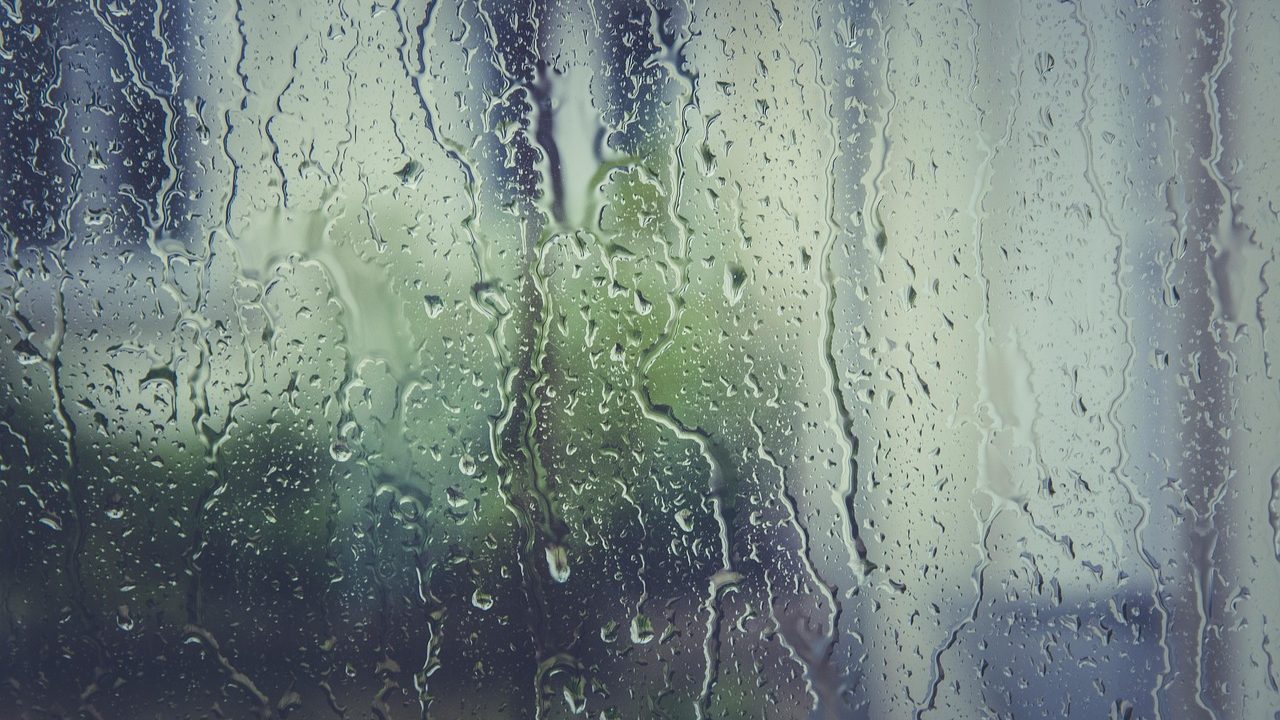
When a double-pane window develops a hazy film or visible water droplets between the glass, cleaning the room-side and exterior surfaces does nothing. This persistent fogging signifies a primary seal failure, meaning the factory seal surrounding the insulated glass unit (IGU) has lost structural integrity. Atmospheric air and ambient moisture have infiltrated the sealed airspace, displacing the factory-installed desiccant and argon gas fill. Evaluating your fogged double pane window repair vs replacement cost US options requires balancing upfront material expenses, specialized labor rates, structural frame condition, and long-term home energy goals.
Homeowners dealing with cloudy glass generally face three paths: defogging or moisture evacuation services, replacing only the double-pane glass insert, or replacing the entire window frame and sash assembly. Making the right investment choice means looking beyond basic sales pitches to analyze how window assemblies are constructed, how seals fail over time, and what your existing window frames actually need.
Understanding How Insulated Glass Units (IGUs) Fail
To evaluate repair and replacement options, it helps to understand how modern insulated glass units are engineered. An IGU consists of two or three sheets of glass separated by a hollow spacer bar filled with moisture-absorbing desiccant beads. The perimeter of the assembly is dual-sealed: a primary seal made of polyisobutylene (PIB) prevents gas leakage and moisture vapor intrusion, while a secondary seal made of silicone, polyurethane, or polysulfide provides structural strength to hold the assembly together.
During factory manufacturing, the air space between glass panes is typically flushed with noble gases like argon or krypton. These dense gases slow thermal conduction across the window panel far more effectively than standard atmospheric air. However, natural thermal expansion and contraction—known in the window industry as solar pumping—exerts continuous mechanical pressure on the seals throughout the year. As sunshine heats the window, the air inside expands, pushing outward against the edge seals. At night, the assembly cools and contracts, drawing vacuum pressure on the perimeter bond.
Over years of continuous daily thermal cycling, micro-fissures develop in the edge seals. Once the primary seal is breached, three physical processes unfold in sequence:
- Gas Loss: Argon or krypton gas escapes into the outside air, reducing the unit’s baseline R-value.
- Desiccant Saturation: Ambient outdoor air enters the cavity, bringing water vapor that the internal desiccant matrix absorbs until reaching saturation limits.
- Visible Condensation: Once the desiccant can no longer absorb incoming humidity, moisture precipitates onto the inner glass surfaces during temperature drops, leaving mineral deposits when the water evaporates under direct sunlight.
Option 1: Window Defogging and Seal Drilling
Defogging, often referred to as thermal pane recovery or window venting, is marketed as a low-cost, low-disruption repair for condensed window panes. The physical process involves drilling tiny micro-holes directly through the exterior or interior glass panel—typically one hole in an upper corner and one in a lower opposite corner—to access the sealed airspace.
The field technician injects cleaning solutions and anti-fogging chemicals inside the glass chamber through these holes to scrub away visible mineral deposits and liquid accumulation. After flushing the liquid out, micro-vents or tiny one-way valve plugs are installed over the drilled holes. These valves allow internal moisture to vent outward into ambient room air while theoretically blocking exterior rain from entering the chamber.
Pros of Defogging
The main advantage of defogging is quick visual clearing without removing the window sash, altering interior trim, or ordering custom-manufactured glass units. It is usually the least invasive option upfront. For rare architectural window shapes, decorative stained leaded glass, or historical applications where custom replacement glass manufacturing would be extremely slow or expensive, defogging offers a low-cost cosmetic fix.
Cons and Limitations of Defogging
Defogging is a cosmetic workaround rather than a permanent repair. While venting evacuates standing liquid water and reduces surface fog under mild weather conditions, it does not rebuild the broken dual perimeter seal or restore lost argon gas fill. The window’s original thermal efficiency and low-emissivity (Low-E) insulating properties remain permanently reduced.
Furthermore, if moisture has been trapped inside the unit for months or years, chemical glass etching can permanently scar the inner glass surfaces. Defogging chemicals cannot polish away silica corrosion or heavy mineral etchings baked onto the glass by intense sun exposure. If the glass is severely etched, drilling holes will only yield clean, permanently cloudy glass. Most industry experts view defogging as a short-term delay tactic rather than a multi-year building solution.
Option 2: Glass-Only Replacement (IGU Swap)
An insulated glass unit replacement involves removing the failed glass package while retaining the original window frame, wall flashing, exterior trim, and operable wooden or vinyl sashes. A glazier or trained window technician removes the interior or exterior stop moldings holding the old glass in place, cuts through the adhesive glazing tape, and measures the precise thickness, width, height, and overall unit depth.
A new, factory-sealed double-pane IGU is manufactured to those exact custom dimensions, complete with fresh primary and secondary seals, fresh desiccant matrix, argon gas fill, and modern Low-E coatings. The technician sets the new sealed unit into the existing sash frame using setting blocks, seals the perimeter with marine-grade silicone or glazing tape, and reinstalls the original trim stops.

When Glass-Only Replacement Makes Sense
IGU swapping is usually the most cost-effective and practical solution when the existing window frame is in solid structural condition. If the exterior wood casing, interior wood trim, vinyl corner welds, or extruded aluminum frame show no signs of soft rot, severe warping, or active water leakage around the wall opening, there is little reason to tear out the complete window assembly.
This targeted approach preserves original interior casing trim, custom stain or paint finishes, and exterior wall siding without requiring structural wall demolition or plaster work. It is particularly advantageous in custom architectural windows, historic homes with sound old-growth timber frames, or high-end designer wood clad windows where full replacement would cost thousands of dollars per window opening.
When Glass Swaps Fail to Resolve the Issue
A glass swap solves pane fogging, but it cannot repair underlying structural frame defects. If an operable sash frame is severely bowed, racked out of square, or swollen from long-term water intrusion around the window opening, a new flat glass panel will not seat properly. Forcing a rigid new IGU into a twisted or sagging frame puts uneven pressure on the fresh edge seals, often causing premature seal failure within a few years of installation.
Option 3: Full-Frame Window Replacement
Full-frame window replacement requires tearing out the entire existing window assembly: interior trim casing, operable sashes, side jamb liners, frame casing, and exterior brick mold trim, exposing the rough structural opening down to the house framing studs. The installer verifies that the rough framing opening is plumb, level, and square, installs modern sill pan flashing and waterproof membranes, sets a completely new pre-hung window unit, and installs fresh interior and exterior trim.
A common alternative is insert window replacement (also called pocket replacement), where a custom-sized, self-contained replacement window unit is fitted inside the existing wood frame after removing the old sashes and stop moldings. Pocket replacement preserves exterior wall trim, but full-frame tear-out replacement becomes unavoidable if water damage has rotted the structural sill or subfloor framing underneath the window.
When Full Replacement Is Necessary
Full-frame or pocket replacement is necessary when double pane seal failure is accompanied by severe structural decay or overall window system breakdown. Indicators include:
- Wood Rot and Fungal Decay: Soft, crumbling wood along the lower frame sill, side jambs, or adjacent wall drywall.
- Warped or Cracked Vinyl/Fiberglass: Frame extrusions that have twisted out of square, preventing proper weatherstripping contact or sash locking.
- Drafts and Wall Water Leaks: Air movement or water intrusion leaking between the window casing and wall studs rather than through the glass unit itself.
- Obsolete Hardware and Mechanisms: Broken balances, stripped window cranks, or obsolete hardware where factory replacement parts are no longer available.
Financial Comparison Matrix: Repair vs. Glass Swap vs. Full Frame
To evaluate these three solutions, homeowners must weigh immediate material and labor costs against expected performance longevity, aesthetic impact, and structural benefits. The decision matrix below outlines performance parameters across the three main approaches.
| Evaluation Factor | Defogging / Drilling Repair | IGU Glass Swap Only | Full-Frame Replacement |
|---|---|---|---|
| Scope of Work | Drill micro-holes, flush interior chamber, install vent plugs. | Remove old double glass, install custom factory-sealed IGU. | Remove complete glass, sashes, frame, and exterior trim down to studs. |
| Typical Lifetime | 1 to 5 years (temporary visual relief). | 10 to 20+ years (matches new window lifespan). | 20 to 30+ years (complete assembly refresh). |
| Thermal Efficiency Restoration | None; air gap remains unsealed and uninsulated. | Full; restores original R-value, gas fill, and Low-E rating. | Maximum; improves whole-wall insulation, seals, and frame thermal breaks. |
| Frame & Trim Impact | Zero impact on surrounding construction. | Zero impact; retains original interior and exterior casing trim. | High impact; requires new interior trim, paint, exterior flashing, and touch-ups. |
| Best Suited For | Budget-constrained quick fixes or obsolete custom shapes. | Structurally sound frames with fogged double pane glass. | Rotted wood, warped vinyl frames, drafty openings, or major renovations. |
Detailed Cost Breakdown by Project Scope
Understanding the pricing structures of national glass repair services and window installation contractors helps prevent unexpected budget overruns. Below is a breakdown of typical cost components across common window project types.
1. Defogging Service Costs
Defogging services are usually priced per affected window panel rather than per hour. A single standard double-pane window panel costs significantly less than buying new glass. However, because defogging requires specialized drilling rigs and chemical solutions, minimum service visit fees often apply. If you have five to eight fogged windows throughout your home, volume pricing per window often drops, but the total investment must still be weighed against the temporary nature of the fix.
2. IGU Glass-Only Replacement Costs
Pricing for an IGU swap depends primarily on glass size, glass thickness, shape complexity, and high-performance coatings. A standard double-hung window glass insert made of clear annealed glass costs less than specialty units. Upgrading to Low-E energy coatings and argon gas fill adds a modest percentage to raw material costs while significantly boosting thermal performance.
Special features like tempered safety glass, custom obscure privacy patterns, thick acoustic glass, or internal decorative grid bars (muntins) increase material prices. Labor costs for glazier installation typically account for roughly half of the total bill, depending on regional contractor labor rates and window height access requirements.
3. Full-Frame and Insert Replacement Costs
Full-frame replacement carries higher material and labor investments because you are purchasing an entirely manufactured window frame system alongside complete labor for removal, framing adjustments, flashing, exterior trim capping, and interior carpentry finish work. High-end wood clad or fiberglass replacement windows cost substantially more than standard vinyl insert windows, with installation labor making up a large portion of the overall project price tag.
How to Assess Your Windows: Step-by-Step Field Guide
Before requesting quotes from local glass shops or replacement contractors, complete this diagnostic inspection to determine whether your window frames are good candidates for an IGU swap or require full window replacement.
Step 1: Check Moisture Location
Wipe a dry towel across the interior room-side glass surface. Next, open an adjacent window sash and wipe the exterior glass surface. If the fogging or condensation wipes away on either side, your double-pane perimeter seal is completely intact; you are dealing with temporary interior room humidity or exterior morning dew. If the fogging remains trapped between the two sheets of glass, your double-pane seal has failed.
Step 2: Inspect Glass for Surface Etching
Examine the foggy areas under direct bright sunlight or with a flashlight held at an angle. If you see white chalky spots, rainbow-colored oil sheens, or mineral etchings embedded inside the glass chamber, permanent silica corrosion has occurred. In this scenario, defogging will leave behind visible stains, making an IGU swap or full replacement necessary to restore clarity.
Step 3: Evaluate Frame Structural Integrity
Press a flat-head screwdriver or wood awl firmly into the lower corners of the window sash, horizontal sill, and outer wood casing trim. Soft, spongy, or flaking wood reveals structural decay from long-term water infiltration. For vinyl or aluminum windows, check for visible cracks in the corner welds or gaps between the sash and frame when locked shut. If the frame is rotted or structurally racked out of square, an IGU-only swap will likely fail prematurely.
Step 4: Verify Sash Operation and Hardware
Raise, lower, or crank the window open and shut several times. Check whether the sash glides smoothly or binds against the frame jambs. Verify whether balance springs, block-and-tackle systems, or crank operator gears hold the sash securely in place without slipping. If operational hardware is broken and replacement parts are unavailable due to manufacturer obsolescence, replacing the entire window unit is usually the most practical route.
Energy Efficiency Factors and ROI Considerations
A primary motivation behind window repair projects is lowering monthly home energy bills. However, evaluating the payback period of glass repair versus full replacement requires understanding baseline window thermal performance metrics.
Single-pane clear glass has a U-factor of roughly 1.0 to 1.1 (R-value ~1.0). A standard clear double-pane window improves performance, lowering the U-factor to about 0.45 to 0.50 (R-value ~2.0 to 2.2). When modern Low-E coatings and argon gas are introduced into a double-pane IGU, the U-factor drops to 0.25 to 0.30 (R-value ~3.3 to 4.0).
When an IGU suffers seal failure and loses argon gas, its U-factor degrades by roughly 10% to 20%, returning to basic air-filled double-pane values. While replacing a blown IGU restores thermal efficiency across that specific opening, glass accounts for only part of a home’s overall heating envelope. Air infiltration around loose, improperly flashed window frames often accounts for a much larger share of household energy loss than a broken seal on an otherwise tight double-pane unit.
If your window frames are tightly sealed against drafts, replacing just the glass insert restores the window’s full factory insulation value at a fraction of full replacement cost. However, if cold winter air passes around worn weatherstripping or uninsulated weight pockets in older homes, installing complete new energy-efficient replacement windows will yield a larger overall reduction in heating and cooling expenses.
Hidden Costs and Project Traps to Avoid
Homeowners evaluating quotes for window glass repair and replacement frequently encounter unexpected cost additions. Watching for common pitfalls can help keep project expenses under control:
1. Custom Decorative Grids and Muntins
If your current windows feature decorative grid patterns (muntins) between the panes of glass, ordering a matching replacement IGU requires custom factory assembly. Internal grids elevate material costs and extend manufacturing lead times. Alternatively, exterior stick-on grids require careful removal and reapplication with specialty double-sided foam tape by the installer.
2. Tempered Safety Glass Requirements
Building codes require tempered safety glass in specific high-hazard residential locations: windows within 24 inches of a door frame, windows less than 60 inches above a bathtub or shower floor, and large window panels situated close to floor level (typically larger than 9 square feet with a bottom edge less than 18 inches above the floor). Tempered glass costs more than standard annealed glass and must be cut to size before heat treatment, requiring precise upfront field measurements.
3. Lead Paint Encapsulation in Older Homes
If your home was constructed before 1978, full-frame window replacement triggers EPA Lead-Safe Certified Work Practices. Disturbance of painted window jambs, casing, and exterior trim generates lead dust, requiring specialized containment, HEPA vacuuming, and disposal protocols that can add significant labor expenses to contractor quotes. An IGU glass swap disturbs far less paint, often bypassing extensive lead containment requirements if interior stops can be carefully removed without scraping surrounding historic paint layers.
4. Mismatched Low-E Coatings and Tints
Modern glass manufacturing utilizes various Low-E formulation generations (such as Low-E 270 versus Low-E 366). If you replace an IGU on one window in a row of matching windows, matching the subtle blue, green, or neutral tint of existing adjacent panes is critical. Always ask the glass technician to verify the coating tint and reflectivity before ordering a single replacement unit.
Making the Final Call: Decision Matrix
To choose the best approach for your home, run your situation through this final decision checklist:
Choose Window Defogging If:
- The window is located in a secondary space like a garage or unfinished basement.
- You need a quick cosmetic improvement prior to putting a home on the market.
- The glass fogged very recently and shows no interior etching or liquid pooling.
- The frame and sashes are completely custom, historic, or irreplaceable on short notice.
Choose Insulated Glass Unit (IGU) Replacement If:
- The window frame, sashes, casing, and weatherstripping are structurally sound, plumb, and square.
- The existing window frames are high-quality wood, composite, or premium vinyl.
- You want to preserve existing interior wood trim, custom paint, stain, or exterior cladding.
- The fogging is heavy, etched, or accompanied by visible water puddle spots between panes.
- You want to restore original thermal performance and Low-E argon energy ratings without full replacement expense.
Choose Full-Frame or Pocket Window Replacement If:
- The surrounding wood frame, sill, or wall stud framing shows soft rot or structural water damage.
- The window sashes are warped, cracked, racked, or impossible to open and lock smoothly.
- The original windows are low-quality, single-pane, drafty, or have obsolete, broken hardware.
- You are undertaking a complete exterior residing, kitchen, or home restoration project.
- You wish to change the operating style or opening size of the window entirely.
Frequently Asked Questions
Can I replace double-pane window glass myself?
While DIY glass replacement is possible on certain vinyl windows with removable snap-in glazing beads, measuring and ordering custom IGUs requires precise tolerances down to the sixteenth of an inch. Incorrect thickness or sealant application can lead to rapid seal failure or glass breakage. Professional glazing technicians have the specialized tools, suction lifters, and setting blocks needed to ensure a lasting seal.
How long does a replacement IGU typically last?
A high-quality, factory-sealed replacement insulated glass unit installed into a sound frame typically lasts 10 to 20 years. Most reputable glass manufacturers provide 10-year to 20-year warranties against seal failure and moisture seal breakdown on replacement IGUs.
Will insurance cover double pane seal failure repair or replacement?
Standard homeowners insurance policies generally do not cover double-pane seal failure caused by normal wear and tear, age, or thermal cycling. However, if the glass unit was damaged by a covered sudden peril—such as hail, windstorms, or severe storm impact—your policy may cover repair or replacement costs after your deductible is met.
Does a broken window seal cause high energy bills?
A broken window seal reduces the thermal R-value of the glass unit by roughly 10% to 20% due to the loss of argon gas and air infiltration into the cavity. While this affects room comfort near the window, major spikes in utility bills are more often caused by air leaks around loose window frames, uninsulated weight pockets, and worn exterior weatherstripping.
By assessing the structural condition of your window frames and sashes before committing to a contractor proposal, you can target the issue accurately. For sound window frames suffering solely from condensed window panes, swapping the sealed insulated glass unit delivers a clear view and factory thermal performance at a fraction of full replacement cost.