When shopping for a new laundry appliance, weighing the front load vs top load washer pros and cons US homeowners encounter is the single most effective way to protect your budget and your clothing. A washing machine is an essential household workhorse, running hundreds of cycles each year to keep family wardrobes, bed linens, and heavy bath towels clean. Yet selecting between a front-loading machine and a top-loading model is rarely straightforward. While both formats ultimately clean your laundry, they rely on entirely different physical mechanisms, water volumes, and drum rotations. Those mechanical variations directly affect your monthly utility bills, your daily laundry schedule, how your clothes hold up over time, and the type of weekly maintenance required to keep your machine smelling fresh.
For decades, standard American households relied almost exclusively on deep-fill top-loaders anchored by a tall central agitator post. Today, the appliance market is divided across three distinct configurations: traditional agitator top-loaders, high-efficiency (HE) impeller top-loaders, and horizontal-axis front-loaders. Each engineering design presents clear functional advantages and distinct compromises. Front-loaders lead the industry in stain removal, fabric gentleness, and resource efficiency, but they require strict attention to door gasket hygiene to prevent sour mildew odors. Top-loaders provide rapid cycle times, familiar top-access ergonomics, and virtually zero door-seal mold concerns, but they consume considerably more water and electricity per load. This comprehensive guide evaluates every mechanical, economic, and practical dimension of the washer debate to help you make an informed purchase for your home.
Understanding the Three Core Washer Designs
Before analyzing utility figures and stain removal metrics, it is helpful to understand the structural designs available in today’s appliance showrooms. While shoppers often lump all top-loading machines into a single category, the mechanical difference between an agitator post and an impeller plate creates two very different washing experiences.
1. Front-Load Washing Machines (Horizontal Axis)
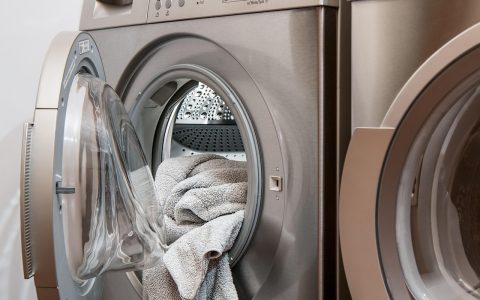
Front-load washers position a stainless steel wash drum horizontally. Instead of filling a deep tub with water to submerge garments, a front-loader uses gravity. As the internal drum rotates, raised internal fins lift clothes upward toward the top of the drum before dropping them back down into a shallow pool of concentrated water and detergent solution at the bottom. This repeating tumbling motion forces soapy water through fabric fibers. Because tumbling eliminates the need to twist or rub fabrics against a rigid central mechanism, front-loaders clean thoroughly while minimizing fiber abrasion.
2. Traditional Top-Load Agitator Washers
Traditional top-loaders utilize a vertical drum fitted with a tall, finned central column known as an agitator. During the cycle, the tub fills completely with water so that clothes can float freely. The central agitator oscillates rapidly back and forth, rubbing vigorously against fabrics to pull them down toward the base and cycle them back up to the top. This high-friction mechanical scrubbing action makes quick work of heavily soiled workwear, coarse mud, and greasy garden clothes, but it can put excessive tension on delicate seams, decorative trims, and knit fabrics.
3. High-Efficiency (HE) Top-Load Impeller Washers
HE top-load washers eliminate the tall central post in favor of a low-profile, rotating disc or finned plate at the bottom of the drum, known as an impeller. The impeller spins and pulses to generate hydrodynamic water currents that draw garments downward in a continuous inward-and-outward rolling pattern. Because the central column is removed, impeller models offer significantly larger usable tub volume—often exceeding 5.0 cubic feet—allowing users to wash king-size comforters, bulky winter coats, and large batches of bedding without having to force them around a rigid central post.
Cleaning Performance and Fabric Care
Cleaning capability is the primary benchmark of any washing machine. The difference in how clothes move through the wash water directly influences stain removal, chemical activation, and fabric longevity.
Tumble Action vs. Mechanical Scrubbing
Front-loading machines hold a measurable performance edge in laboratory stain-removal testing. By repeatedly lifting and dropping laundry into a concentrated pool of detergent, front-loaders force soapy water through woven yarns at high velocity. Because the water level is low, the detergent-to-water ratio remains concentrated, maximizing chemical breakdown of body oils, food proteins, and stubborn grease stains. Furthermore, the gentle tumbling action prevents clothes from stretching, pulling, or fraying along seam lines, extending the wearable life of everyday garments.
By contrast, top-load agitator machines rely heavily on physical friction. While direct fabric-to-agitator rubbing excels at dislodging dried clay, thick garden dirt, and coarse debris from durable denim or canvas workwear, it subjects garments to aggressive mechanical stress. Over years of regular washing, delicate cotton t-shirts, synthetic workout apparel, and lace or silk garments washed in agitator machines show faster thinning, pilling, seam separation, and color fading.
Load Dynamics in Impeller Machines
Impeller top-loaders offer a middle ground between agitator scrubbing and front-load tumbling. By replacing the tall post with a bottom disc, impeller units reduce friction wear on delicate fabrics. However, because impeller washers rely primarily on water currents rather than a continuous tumble to circulate clothes, loading technique is critical. If clothes are dumped into the tub in a tangled clump, items resting near the top may stay dry or receive inadequate turnover during short cycles. To get consistent cleaning from an impeller model, garments must be placed evenly in loose, circular rings around the outer perimeter of the drum, leaving the center impeller plate visible before starting the cycle.
Water and Energy Consumption Analysis
With utility rates rising across many parts of the United States, resource efficiency has become a substantial factor in long-term appliance ownership costs. Over a typical 10-to-12-year lifespan, the difference in water and energy usage between washer styles can amount to hundreds of dollars in operational savings.
| Washer Architecture | Average Water per Load | Estimated Annual Water (300 Loads) | Spin Speed (RPM) | Moisture Retention & Dryer Impact |
|---|---|---|---|---|
| Front-Load (HE) | 7 – 13 Gallons | 2,100 – 3,900 Gallons | 1,200 – 1,400 RPM | Low retention; fastest drying times |
| HE Top-Load (Impeller) | 12 – 19 Gallons | 3,600 – 5,700 Gallons | 800 – 1,050 RPM | Moderate retention; average drying times |
| Traditional Top-Load (Agitator) | 30 – 42 Gallons | 9,000 – 12,600 Gallons | 600 – 800 RPM | High retention; longest drying times |
Water Usage Differences
A conventional deep-fill top-loader requires anywhere from 30 to over 40 gallons of water per cycle to submerge a full load of laundry. High-efficiency front-load machines, by comparison, use load-sensing technology to adjust water delivery precisely to the weight and absorbency of the items inside. A modern front-loader typically operates on just 7 to 13 gallons per cycle, cutting household water consumption by more than 60 percent for every basket of laundry.
Energy Costs and Hot Water Demand
The energy consumed by a washing machine is not just the electricity needed to power the electric motor; roughly 75 to 90 percent of the energy associated with laundry goes toward heating the water in your household water heater. Because a front-load washer uses only a fraction of the water volume required by a deep-fill machine, it draws substantially less hot water from your home heater during warm and hot cycles. This reduction significantly lowers natural gas or electric water-heating bills throughout the year.
Spin Speeds and Dryer Energy Reduction
Front-load machines extract substantially more water during their final high-speed spin cycle. Operating at rotational speeds ranging from 1,200 to 1,400 RPM, front-load drums generate immense centrifugal force that pulls moisture out of dense fabrics like towels, jeans, and fleece blankets. Top-load agitator washers generally top out between 600 and 800 RPM, leaving fabrics damp and heavy with retained water. Because clothes come out of a front-loader with far less residual moisture, clothes dryers require 10 to 20 fewer minutes per cycle, reducing overall household electric or gas utility consumption.
The Mold, Mildew, and Odor Issue in Front-Load Washers
Despite their exceptional cleaning power and low utility footprint, front-load washing machines have a known vulnerability: a tendency to develop mold, mildew, and sour odors around the front door seal and detergent dispenser drawer. When evaluating the front load vs top load washer pros and cons US buyers discuss, this maintenance requirement is frequently the deciding factor.
Why Front-Load Washers Trap Moisture
Because a front-loader drum rotates on a horizontal axis, the front access door must form a completely watertight seal to prevent water from leaking onto the floor. This seal is achieved using a large, flexible rubber bellows (gasket) that bridges the vibrating inner tub and the outer cabinet frame. When a wash cycle concludes, small amounts of rinse water, lint, and dissolved soap scum inevitably settle into the bottom folds and drainage crevices of this rubber ring. Combined with a warm, airtight interior when the door is latched shut, this damp environment creates ideal conditions for mildew colonies and bacteria to thrive.
Essential Preventative Maintenance Protocols
Homeowners can prevent front-load odors by adopting a simple, consistent maintenance routine:
- Leave the Door Ajar: Keep the front door propped open two to three inches whenever the machine is not running. This allows ambient room air to circulate inside the drum and evaporate residual moisture.
- Wipe Down the Rubber Bellows: Keep a microfiber cloth near the machine and quickly wipe out water droplets, trapped pet hair, and lint from the lower gasket folds after your final wash load of the day.
- Air Out the Detergent Dispenser: Pull the detergent drawer forward slightly after washing, or remove it entirely every few weeks to rinse away gelatinous detergent residue and allow the dispenser housing to dry.
- Execute Monthly Self-Clean Cycles: Run a dedicated high-temperature tub-clean cycle once a month using a commercial washing machine cleaning tablet, oxygen bleach, or liquid chlorine bleach to sanitize internal drum surfaces.
Traditional and impeller top-loaders, on the other hand, rarely suffer from gasket mold. Because top lids are not airtight and gravity pulls residual water straight down into the lower drain sump, moisture naturally vents upward and out of the machine between uses.
Ergonomics, Space, and Installation Options
The layout of your laundry area, the physical dimensions of entryways, and your personal mobility needs play an important role in determining which machine style is most practical for your household.
Bending vs. Reaching Ergonomics
Front-load machines place the door opening low to the ground. Loading baskets and reaching deep into the drum requires bending at the waist, crouching, or kneeling on the floor. For homeowners dealing with lower back pain, knee arthritis, or limited flexibility, this repeated bending can become physically taxing. While installing front-loaders on raised pedestals or built-in wooden platforms elevates the door opening to a comfortable standing height, official manufacturer pedestals typically add $250 to $350 per appliance to your overall budget.
Top-load washers allow users to drop clothing straight down into the basket from an upright standing posture with zero spinal bending. However, unloading a top-loader requires reaching downward over the front lip into the tub. In large-capacity 5.0 to 5.5 cubic-foot top-loaders, reaching down to grab small items like socks or washcloths from the bottom plate can be challenging for shorter individuals.
Stackability and Closet Configurations
Front-load washers provide exceptional versatility in compact living spaces, condos, townhomes, and dedicated laundry closets. Because front-loaders load through the face and do not require top clearance, a matching front-load dryer can be stacked securely on top of the washer using an inexpensive metal stacking bracket kit. This vertical setup cuts the required floor footprint in half, leaving room for storage cabinets, folding tables, or laundry sorting hampers. Top-load washers cannot be stacked, as the top lid must swing upward freely to allow access.
However, front-load units are generally deeper front-to-back than top-loaders. When planning your installation, you must account for the washer cabinet depth, plus 4 to 6 inches of rear clearance for water inlet hoses and drain lines, along with enough frontal swing clearance for the door to open a full 90 to 180 degrees. Always measure doorways, tight stairwells, and hallway turns before finalizing your purchase.

Cycle Times and Everyday Convenience Factors
For large families running multiple loads every day, cycle speed and simple convenience features often outweigh theoretical utility savings.
Why Front-Load Cycles Take Longer
Because front-load machines operate with minimal water, they must tumble laundry for a longer duration to ensure that detergent solutions penetrate all garments evenly and rinse out thoroughly. A standard normal wash cycle on a modern front-loader typically takes between 55 and 75 minutes. Activating specialty cycles like heavy-duty soil, steam sanitize, extra rinses, or high-temperature allergen modes can extend total cycle times past 90 to 120 minutes.
Traditional top-load agitator machines are built for rapid turnaround. Because they submerge clothing in a deep bath of water and apply direct mechanical scrubbing, a standard normal cycle often finishes in 35 to 45 minutes, with quick-wash modes completing in under 30 minutes. HE top-load impeller machines fall between these two extremes, typically completing standard loads in 45 to 65 minutes.
Adding Forgotten Garments Mid-Cycle
Nearly everyone has started a wash cycle only to discover a stray sock or shirt left behind on the floor. With an agitator or impeller top-loader, adding an item is effortless: simply lift the lid (or tap the unlock button on digital lid-lock models), drop the item into the water, and close the lid to resume washing immediately.
Front-load machines lock their doors securely once the water fills and the drum begins spinning to prevent water from spilling out onto the floor. While most modern front-loaders include a pause or “Add Garment” button, the machine must pause its rotation, assess the internal water level and temperature, and drain excess water if necessary before disengaging the electromechanical door latch. This process can introduce delays and may not be permitted late in a heated cycle.
Hard Water Impacts and Detergent Considerations
Water hardness levels vary substantially across the United States. Mineral-dense water containing high concentrations of calcium and magnesium interacts differently with washer designs, affecting cleaning efficiency, scale accumulation, and detergent dosing.
Managing Hard Water in Front-Load and Top-Load Machines
Understanding how water hardness impacts your specific washer configuration ensures long-term performance and prevents soap residue accumulation:
- Detergent Concentration in Low Water: In hard water environments, calcium and magnesium ions bind with detergent surfactants, reducing their ability to clean. Because front-loaders use very low water volumes, the detergent remains highly concentrated, allowing it to overcome moderate mineral hardness effectively. However, users must avoid adding too much detergent, as excess soap combined with hard water minerals forms a stubborn film inside the drum and drain lines.
- Heating Element Scale: Many front-load washers feature internal electric heating elements to boost water temperatures for sanitize cycles. In very hard water regions, limescale can accumulate on these elements over time, reducing heating efficiency. Running monthly maintenance cycles with citric acid or specialized descaling agents dissolves these mineral coatings.
- Agitator Top-Load Detergent Demands: Because traditional top-loaders dilute detergent across 30 to 40 gallons of water, hard water minerals can quickly neutralize cleaning chemistry. Homeowners with unsoftened well water often find they must use significantly more detergent—or add dedicated water-softening laundry boosters like washing soda or borax—to achieve clean results in a deep-fill top-loader.
The Critical Rule of HE Detergent
Both front-load washers and HE impeller top-loaders require the exclusive use of High-Efficiency (HE) detergent formulations. Standard non-HE detergents produce excessive suds. In a front-loader, high suds create a dense foam cushion that prevents garments from tumbling and dropping through the wash solution, severely degrading cleaning performance. In both front-load and HE top-load machines, oversudsing can overwhelm drain pumps, trigger digital “SUD” error codes, and leave soap residue trapped inside drum crevices.
Reliability, Maintenance, and Common Repair Points
No appliance is immune to mechanical wear and tear. Understanding the primary failure points of each washer format helps homeowners anticipate potential repair issues and maintain their machines effectively.
Front-Load Washer Vulnerabilities
- Tub Bearings and Spider Brackets: Front-load drums are supported from behind by heavy-duty bearings and a three-pronged aluminum spider arm. Over years of high-speed 1,400 RPM spinning with heavy loads, bearing seals can wear down, allowing water to penetrate the bearings and causing a loud roaring or jet-engine sound during spin cycles.
- Drain Pump Filter Clogs: Front-load machines feature fine-mesh drain pump filters designed to catch coins, hairpins, and debris before they damage the electric pump impeller. If homeowners fail to clean this accessible lower access filter every few months, the machine may fail to drain and throw error codes.
- Door Latch Assemblies: The electromechanical door latch mechanism cycles on and off repeatedly to maintain a tight seal. Misaligning the door by leaning on it or slamming it shut can damage the strike switch, preventing the machine from starting.
Top-Load Washer Vulnerabilities
- Suspension Rod Failure: The entire wash tub in a top-load washer is suspended inside the outer cabinet by four corner spring-and-damper suspension rods. As these dampening rods age and lose tension, the tub will easily bounce out of alignment during the spin cycle, causing violent banging against the cabinet walls and unbalanced load errors (“uB” or “UL”).
- Agitator Directional Cogs (“Agitator Dogs”): In traditional agitator models, small plastic directional cogs inside the top half of the agitator post wear down after years of back-and-forth movement. When they fail, the top section of the agitator stops rotating, leaving only the bottom base to churn water.
- Drive Belts and Shift Actuators: Top-loaders rely on electronic shift actuators and drive belts beneath the tub to switch between gentle wash agitations and high-speed spin modes. These mechanical components can wear out or slip over time, requiring replacement to restore proper cycle transitions.
Pros and Cons Comparison Matrix
To help you evaluate these trade-offs clearly, the comparative matrix below highlights how each washer configuration performs across essential consumer criteria:
Front-Load Washing Machines
- Pros: Industry-leading stain removal and soil extraction; lowest water and electricity consumption; gentlest tumbling action on delicate fabrics; high-speed spin cycles significantly shorten dryer runtimes; stackable design saves valuable floor space.
- Cons: Susceptible to gasket mold and sour odors if maintenance is skipped; longer cycle runtimes (often 60 to 80 minutes); requires bending or expensive pedestals for loading; higher initial purchase price; locked door complicates mid-cycle garment additions.
Traditional Top-Load Agitator Washers
- Pros: Fast cycle times (35 to 45 minutes); simple, upright loading with zero spinal bending; effortless mid-cycle garment additions; virtually no risk of door gasket mold; lowest initial purchase price and straightforward mechanical repairs.
- Cons: Highest water and energy consumption; rough mechanical friction causes faster wear on delicate fabrics; smaller usable drum capacity due to the central agitator post; lower spin speeds leave clothes wetter, increasing dryer runtimes.
HE Top-Load Impeller Washers
- Pros: Large, open drum capacity capable of fitting bulky king-size bedding; no central post to snag or twist clothes; moderate water and energy savings compared to agitator models; comfortable top-access loading with low mold risk.
- Cons: Cycle times are longer than traditional agitators (50 to 70 minutes); requires careful perimeter loading to prevent unwashed spots; can tangle long sleeves and pant legs; high tubs can make reaching items at the bottom difficult for shorter users.
Buyer’s Decision Checklist
Use this targeted decision framework to match your household habits, physical space, and personal preferences with the ideal washer design:
Choose a Front-Load Washer if:
- You want to minimize your monthly water, natural gas, and electric utility bills over the next decade.
- You own expensive clothing, workout gear, or delicate fabrics and want to maximize garment lifespan.
- You are installing your laundry appliances in a small laundry closet, apartment, or shared mudroom where vertical stacking is required.
- You do not mind leaving the door ajar between cycles and wiping down the rubber gasket occasionally.
Choose a Traditional Top-Load Agitator Washer if:
- You have family members working in agriculture, construction, or heavy industrial trades with heavily soiled, muddy work clothes.
- You need fast cycle speeds to finish multiple loads of laundry on busy weeknights.
- You want an appliance that requires zero post-wash cleaning routines or door drying habits.
- You prefer a simple, familiar design with a lower initial purchase price.
Choose an HE Top-Load Impeller Washer if:
- You regularly wash oversized items like king-size comforters, thick sleeping bags, pet beds, and heavy throw blankets at home.
- You want better water and energy efficiency than an agitator model without having to bend down to access a front door.
- You want an open, unobstructed wash basket that is easy to load without an agitator post getting in the way.
Frequently Asked Questions
Do front-load washers really clean better than top-load washers?
Yes. Extensive testing consistently shows that the horizontal tumbling motion of front-loaders removes stubborn stains more effectively than top-load agitators or impellers. Tumbling repeatedly drops fabrics through concentrated detergent water, forcing the solution through fabric weaves without causing excessive friction wear.
Why do front-load washing machines smell bad?
Front-load washers have airtight doors sealed by thick rubber gaskets. When residual water, lint, and leftover soap scum sit in the gasket folds in a sealed, dark environment, mold and mildew quickly develop. Leaving the door slightly open between cycles, wiping the gasket dry, and running monthly hot self-clean cycles will eliminate odors.
Can I wash a king-size comforter in a top-load washer?
In a traditional top-load washer with a tall central agitator, washing a thick king comforter is difficult because the post takes up space and can tear the bedding. However, HE top-load impeller washers (4.8 to 5.5 cubic feet) and large front-loaders have open drums that accommodate bulky bedding easily.
How long do front-load vs top-load washers last?
Both front-load and top-load washing machines typically last between 10 and 14 years with proper maintenance. Top-loaders have slightly fewer electronic sensors and simpler door mechanisms, while front-loaders require periodic drain pump cleaning and gasket care to reach maximum service life.
Final Verdict
There is no universally superior washing machine for every American home; the best choice depends on how you balance efficiency, convenience, and maintenance. When analyzing the front load vs top load washer pros and cons US buyers face, front-load washers emerge as the top performers for cleaning efficiency, fabric gentleness, and long-term utility savings. They are the ideal choice for eco-conscious households, modern closets, and anyone looking to preserve the quality of their wardrobe, provided they are comfortable performing basic door gasket upkeep.
Conversely, top-load washers remain a dependable American staple for good reason. They deliver fast cycle times, straightforward loading ergonomics, and worry-free operation without mildew concerns. By assessing your family’s weekly laundry volume, physical space constraints, and willingness to maintain door seals, you can confidently invest in the right machine to keep your household running smoothly for years to come.