When an HVAC technician conducts a routine tune-up or answers an emergency service call during a bitter winter freeze and informs you that your heat exchanger is cracked, your heating situation becomes an immediate crisis. In almost every American jurisdiction, calculating your gas furnace heat exchanger crack repair vs replacement cost US options becomes an urgent necessity because a cracked exchanger triggers an instant shutdown of your equipment. Under municipal safety regulations and trade standards, technicians must isolate the unit to protect your household from severe safety hazards.
Faced with an unheated house and a sudden, unbudgeted expense, homeowners must make an informed economic choice under pressure. Fixing or swapping out a damaged heat exchanger is rarely a simple, quick-fix component job. Because the heat exchanger serves as the critical physical wall between toxic combustion byproducts and the warm air circulating through your living spaces, replacing it involves tearing down nearly the entire furnace cabinet. When you weigh the out-of-pocket labor expenses against the age and condition of your existing equipment, repairing an older unit often makes little financial sense compared to investing in a fresh, high-efficiency system. This comprehensive guide breaks down the engineering physics of heat exchanger failure, the realities of manufacturer warranty coverage, carbon monoxide liabilities, and the exact financial benchmarks you need to choose the best path forward for your home and wallet.
Understanding the Role of the Heat Exchanger and Why Cracks Occur
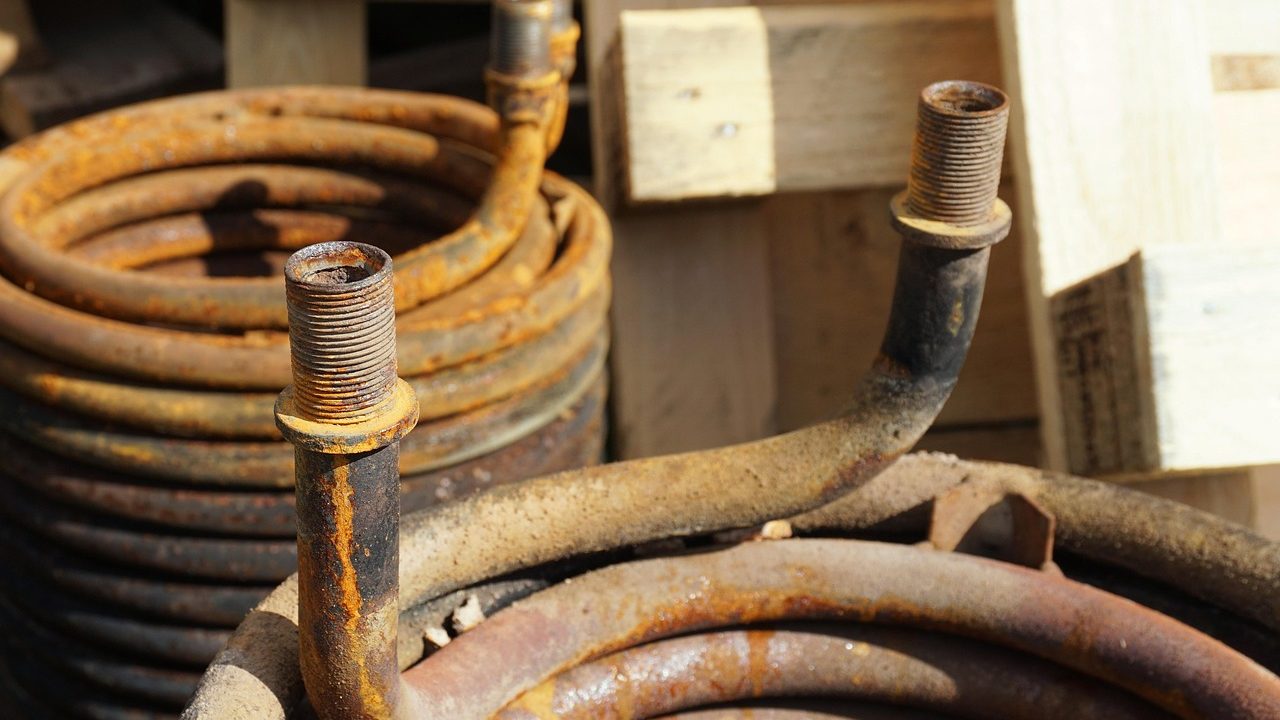
To understand why this single internal component carries such heavy financial and operational weight, it helps to review how a standard residential gas furnace generates heat. Inside the unit, natural gas or liquid propane burners ignite fuel within a controlled combustion chamber. These superheated combustion gases travel into the interior of the heat exchanger—a series of hollow, curved metal tubes or stamped clamshell chambers made of heavy-gauge aluminized or stainless steel.
While these burning gases superheat the interior walls of the metal chambers, your central HVAC blower fan draws cool air from your home’s return air vents and forces it across the exterior surfaces of those same hot metal tubes. Thermal energy transfers through the steel walls into the circulating supply air, which is then distributed throughout your home’s ductwork system. Meanwhile, the dangerous exhaust fumes remaining inside the sealed heat exchanger are continuously pulled up through your chimney flue or PVC exhaust pipe by a powered inducer fan, safely venting hazardous combustion byproducts outdoors.
Over thousands of heating cycles each winter, that internal metal undergoes extreme thermal expansion when the burners fire up and contraction when the furnace cycles off. While high-grade steel is engineered to withstand substantial thermal cycling, several common operating factors severely accelerate metal fatigue, leading to hairline cracks, split seam welds, or pinhole rust breaches:
- Restricted Airflow: Clogged furnace air filters, closed supply registers, crushed return ducts, or improperly sized ductwork restrict the volume of air passing over the heat exchanger. Without sufficient airflow to draw heat away from the steel, internal chamber temperatures spike well beyond normal operational design limits. Overheating softeners and weakens the metal, drastically shortening its life.
- Internal Corrosion and Acidic Condensation: Standard-efficiency furnaces (typically rated at 80% AFUE) that experience improper venting or cool return air temperatures can cause combustion gases to cool too rapidly inside the flue passages. This produces acidic condensation that eats away at the inner metal walls, resulting in rust spots and structural flaking. High-efficiency furnaces (90%+ AFUE) utilize a secondary stainless steel heat exchanger designed specifically to handle acidic liquid, but primary exchangers remain vulnerable if condensate drainage pathways become clogged or back up into the burner housing.
- Incorrect Gas Pressure or Over-Firing: If the utility gas valve delivers higher manifold pressure than the manufacturer’s specified rating, the burner flame operates too hot. Over-firing puts excessive stress on factory seam welds, eventually causing the steel to split open under internal stress.
- Thermal Shock from Oversized Equipment: A furnace that is too large for the home’s square footage short-cycles continuously—turning on and off rapidly. This frequent, extreme temperature fluctuation causes rapid expansion and contraction cycles that stress the metal far more than longer, continuous heating cycles.
The Critical Safety Risk: Carbon Monoxide and Red-Tagging
The single biggest issue surrounding a cracked heat exchanger is carbon monoxide safety. Because the heat exchanger acts as a physical boundary isolating toxic exhaust gases from your household breathing air, any structural crack, seam opening, or corrosion hole breaks that safety barrier. The central danger stems from carbon monoxide (CO)—a odorless, colorless, and tasteless toxic gas produced by incomplete fossil fuel combustion.
When your primary furnace blower fan energizes, it generates high positive air pressure around the outside of the heat exchanger tubes. If a structural breach exists in the metal, two dangerous scenarios unfold:
- High-pressure air from the circulating supply fan forces room air into the combustion chamber, disturbing the burner flames. This draft imbalance causes incomplete gas combustion, which rapidly increases the concentration of deadly carbon monoxide inside the combustion passages.
- During periods when the flue pressure inside the heat exchanger exceeds the furnace cabinet pressure, toxic flue gases escape directly through the crack into the supply air stream. The blower then distributes carbon monoxide into every bedroom, hallway, and living space in your home.
Because acute carbon monoxide exposure can cause severe symptoms—including persistent headaches, dizziness, disorientation, nausea, unconsciousness, and even fatal poisoning—building safety codes, gas utility standards, and trade guidelines (such as those established by ACCA and AHRI) mandate strict protective actions. When a certified HVAC technician detects a cracked heat exchanger, they are legally and professionally required to lock out the equipment and officially tag the unit as dangerous to operate—a procedure widely known across the industry as “red-tagging.”
When a furnace is red-tagged, the technician shuts off the gas supply line to the furnace and applies a physical lockout tag or disconnects the electrical feed. The technician cannot legally restore fuel to the unit until the compromised heat exchanger has been completely replaced with a factory-certified module or a brand-new, safe furnace unit has been fully installed and tested.
Repairing vs. Replacing the Heat Exchanger: Mechanical Reality Check
When homeowners hear the word “repair” regarding a cracked heat exchanger, they frequently assume a qualified service technician can simply weld the crack closed or apply a high-temperature epoxy compound. From a professional engineering and structural safety perspective, field repairs of this nature are impossible and strictly illegal.
Welding damaged furnace steel alters the molecular structure of the metal, creating brittle heat-affected zones that re-crack almost immediately under the intense thermal cycling of normal operation. Furthermore, chemical sealants, glues, and high-temp tapes cannot withstand the extreme temperatures inside a gas combustion chamber and quickly burn off, releasing toxic fumes into the home. For these reasons, field welding or sealing heat exchangers is explicitly banned by American building codes, local gas utilities, and furnace manufacturers. Consequently, “repairing” a heat exchanger always means performing a complete teardown to remove the damaged steel assembly and install a brand-new factory OEM component.
Replacing a heat exchanger is one of the most labor-intensive diagnostic and mechanical procedures in the residential HVAC industry. The replacement process requires a senior technician to execute a sequence of major disassembly steps:
- Disconnect high-voltage line power, control wiring, transformer leads, and low-voltage thermostat wiring harnesses.
- Shut off, unthread, and clear the main gas supply line, burner manifold, and electronic ignition assembly.
- Disconnect the draft inducer motor assembly and detach the primary exhaust vent piping.
- Unbolt the main furnace chassis doors, disconnect internal structural framing, and slide out the main blower assembly.
- Carefully unmount and remove the compromised heat exchanger cell matrix from deep within the sheet metal cabinet.
- Slide in the heavy new replacement heat exchanger unit, align internal burner baffles, seat all rubber air seals, and rebuild the entire furnace frame.
- Reinstall the blower motor, burner tubes, gas valve, igniter, flame sensor, and control boards.
- Reconnect gas lines, perform high-pressure gas leak checks, restore electrical circuits, reattach flue venting, and execute complete combustion efficiency and draft safety tests.
Because this exhaustive teardown and reassembly process typically consumes between 4 to 8 hours of intensive field labor, the labor cost often eclipses the value of the physical metal component itself.
Evaluating Heat Exchanger Warranty Coverage and Out-of-Pocket Costs
A major area of confusion for homeowners evaluating their overall gas furnace heat exchanger crack repair vs replacement cost US budget involves manufacturer warranty coverage. Major heating equipment brands—including Carrier, Trane, Lennox, Rheem, York, and Goodman—frequently feature prominent warranties on heat exchangers, offering coverage terms ranging from 20 years to lifetime limited protection. However, homeowners must read the fine print to understand what these warranties actually pay for when a failure occurs.
A standard factory heat exchanger warranty covers only the physical replacement metal part. It almost never pays for the substantial operational expenses required to execute the repair in your home:
- Labor Expenses: Diagnostic and installation labor is typically covered under a separate dealer warranty, which usually expires after 1 to 2 years from the original installation date unless the homebuyer purchased an extended labor agreement. You remain personally responsible for paying the contractor’s hourly labor rates for the 4 to 8 hours required to rebuild the unit.
- Freight and Shipping Charges: Heating equipment manufacturers require distributors and homeowners to pay freight costs to ship a bulky, 40- to 80-pound replacement heat exchanger cell from regional distribution warehouses to your local contractor.
- Warranty Processing Fees: Many local supply houses and service contractors charge administrative fees to handle warranty registration, process claims paperwork, and return the damaged metal unit to the manufacturer for physical audit inspection.
- Ancillary Materials and Replacement Parts: Swapping out a heat exchanger frequently requires new high-temperature cabinet gaskets, draft inducer seals, fresh flame sensors, igniter hardware, or custom sheet metal transitions that are not covered under the core component warranty clause.
Due to these unaddressed side expenses, even when the replacement heat exchanger part is 100% free under a valid manufacturer warranty, the homeowner’s final out-of-pocket bill for labor, shipping, and shop fees generally ranges between $800 and $1,800. If your furnace is past its warranty period entirely, purchasing both the replacement component and paying for the specialized labor will push the total repair bill into the $1,500 to $3,200 range, depending on unit capacity, brand, and local market rates.
Full HVAC System Replacement Costs and Financial Benchmarks
Given the steep labor bills associated with rebuilding an aging furnace, investing in a complete furnace or full HVAC replacement is often the more sound long-term economic choice. Residential gas furnace replacement costs across the United States depend on geographic labor rates, furnace BTU sizing, fuel lines, venting configurations, and energy efficiency levels (AFUE).
The following reference table outlines typical price ranges, installation scopes, and out-of-pocket costs across common repair and replacement options:
| Option / System Tier | Efficiency Rating (AFUE) | Key Features & Technical Scope | Typical Out-of-Pocket Cost Range |
|---|---|---|---|
| In-Warranty Heat Exchanger Repair | Matches existing system | Replaces compromised metal heat cell; reuses existing blower motor, gas valve, circuit board, and cabinet enclosure. | $800 – $1,800 (Labor, Freight & Shop Supplies) |
| Out-of-Warranty Heat Exchanger Repair | Matches existing system | Replaces metal heat cell with paid OEM part; reuses older electrical and mechanical components. | $1,500 – $3,200 (Parts & Labor Complete) |
| Standard Gas Furnace Replacement | 80% AFUE (Standard) | New standard-efficiency furnace, single-stage gas burner, fresh control board, new blower, and full system warranty. | $3,000 – $4,800 (Fully Installed) |
| High-Efficiency Furnace Upgrade | 90% – 98% AFUE | Condensing furnace design, multi-stage or modulating gas valve, stainless steel secondary heat exchanger, direct PVC sidewall venting. | $4,500 – $7,500 (Fully Installed) |
| Complete HVAC System Upgrade | 90%+ AFUE + 15+ SEER2 AC | Complete utility room overhaul: new high-efficiency gas furnace, matching central air conditioner condenser, evaporator coil, and smart thermostat. | $8,500 – $15,000+ (Full System Package) |
To evaluate these financial choices objectively without emotional stress during a cold-weather emergency, industry experts and consumer financial advisors rely on two standard formulas:
1. The 50% Rule of Equipment Repair
If the complete out-of-pocket estimate to repair the heat exchanger (including all labor charges, freight costs, and incidental parts) equals or exceeds 50% of the cost to install a brand-new, comparable entry-level gas furnace with a full multi-year manufacturer warranty, you should replace the entire system. Spending half the price of a brand-new furnace just to repair an aging unit leaves all the old secondary mechanical and electrical parts in service, exposing you to immediate risk of subsequent component failures.
2. The Index 5000 Lifecycle Calculation
Multiply the exact age of your existing furnace in years by the total out-of-pocket repair quote in dollars. If the resulting index number is greater than 5,000, replacement is overwhelmingly the wiser long-term financial decision. Consider these two contrasting real-world examples:
- Scenario A: A 12-year-old furnace requires an $850 labor charge to install a covered warranty heat exchanger.
Calculation: 12 years × $850 = 10,200 (Index exceeds 5,000).
Verdict: Replace the furnace. - Scenario B: A 4-year-old furnace requires an $800 labor charge to replace a failed exchanger under warranty.
Calculation: 4 years × $800 = 3,200 (Index is well below 5,000).
Verdict: Repair the heat exchanger.
The Age Factor: Residual Component Lifespans
A gas furnace operates as an integrated system of mechanical and electrical parts. When a heat exchanger develops a structural crack, it is usually a sign that the entire machine is reaching the end of its useful lifespan. The typical operational lifespan of a modern residential gas furnace is between 15 and 20 years.
If you choose to replace only the heat exchanger on a furnace that is 12 to 16 years old, you are putting a brand-new internal steel core inside a system containing worn, aging supporting components. Every secondary part in your cabinet will continue to age, including:
- Blower Motor Assemblies: Older Permanent Split Capacitor (PSC) blower motors suffer from bearing degradation, thermal overload, and capacitor failures after 10 to 12 years of continuous operation. Modern Electronically Commutated Motors (ECM) offer better performance but can cost over $800 to replace if their electronic control modules burn out.
- Draft Inducer Fan Motors: The inducer fan motor runs continuously while the burners fire to pull hot exhaust gases through the exchanger. These high-rpm motors typically experience bearing wear, noise, or housing breakdown around year 10 to 12.
- Main Control Board and Transformer: Solid-state furnace control boards endure thousands of heat cycles inside the cabinet. Relays stick, circuit traces degrade, and control transformers short out over time.
- Gas Valves and Igniters: Hot surface igniters are fragile silicon carbide or silicon nitride elements with finite ignition lifespans, while gas valve solenoids experience electrical coil breakdown after years of constant opening and closing cycles.
If you spend $1,200 in labor to replace a heat exchanger on a 14-year-old furnace, and the blower motor or main control board fails the following winter, your cumulative maintenance spending will quickly exceed what you would have spent installing a reliable new furnace backed by a fresh 10-year factory warranty.
Energy Efficiency Gains and HVAC Replacement ROI
When deciding whether to replace an older furnace, it helps to look beyond the upfront sticker price and calculate long-term energy savings. Furnace energy performance is evaluated by Annual Fuel Utilization Efficiency (AFUE), which indicates the exact percentage of fuel converted directly into usable heat for your home versus the percentage wasted up the exhaust vent.
If your cracked heat exchanger is inside an older standard furnace built in the late 1990s or mid-2000s, it may operate at an AFUE rating of just 70% to 80%. This means that 20 to 30 cents out of every dollar you spend on natural gas or propane escapes directly into the outside air as wasted heat energy.
Upgrading to modern heating technology delivers substantial performance benefits:
- Upgrading from 80% to 96%+ High-Efficiency AFUE: Modern condensing furnaces feature secondary stainless steel heat exchangers that extract heat from trapped water vapor before it exits the home. Upgrading to a 96% AFUE unit cuts fuel consumption by 15% to 20% each heating season, significantly reducing winter gas bills.
- Variable-Speed Blower Motors: Older single-speed blowers run at 100% blast whenever activated, consuming high amounts of electricity. Modern variable-speed ECM blower motors adjust airflow smoothly based on real-time heating demands, using up to 75% less electricity during fan operation.
- Two-Stage and Modulating Gas Valves: Basic furnaces operate on a binary basis—either 100% maximum flame or completely off. Advanced two-stage and modulating gas valves adjust flame output dynamically to match minor temperature shifts in your home, eliminating cold spots, reducing operating noise, and minimizing thermal stress on internal components.
When you combine utility rebates, federal energy tax credits (such as the Inflation Reduction Act Section 25C tax credits for high-efficiency heating upgrades), and monthly energy savings, the investment return on a new system helps offset a meaningful portion of the initial replacement cost over the first 5 to 7 years of operation.
Deciding Whether to Replace the Air Conditioner at the Same Time
If you determine that replacing your entire gas furnace is the smartest move, you will face another key decision: should you replace your central air conditioner at the same time?
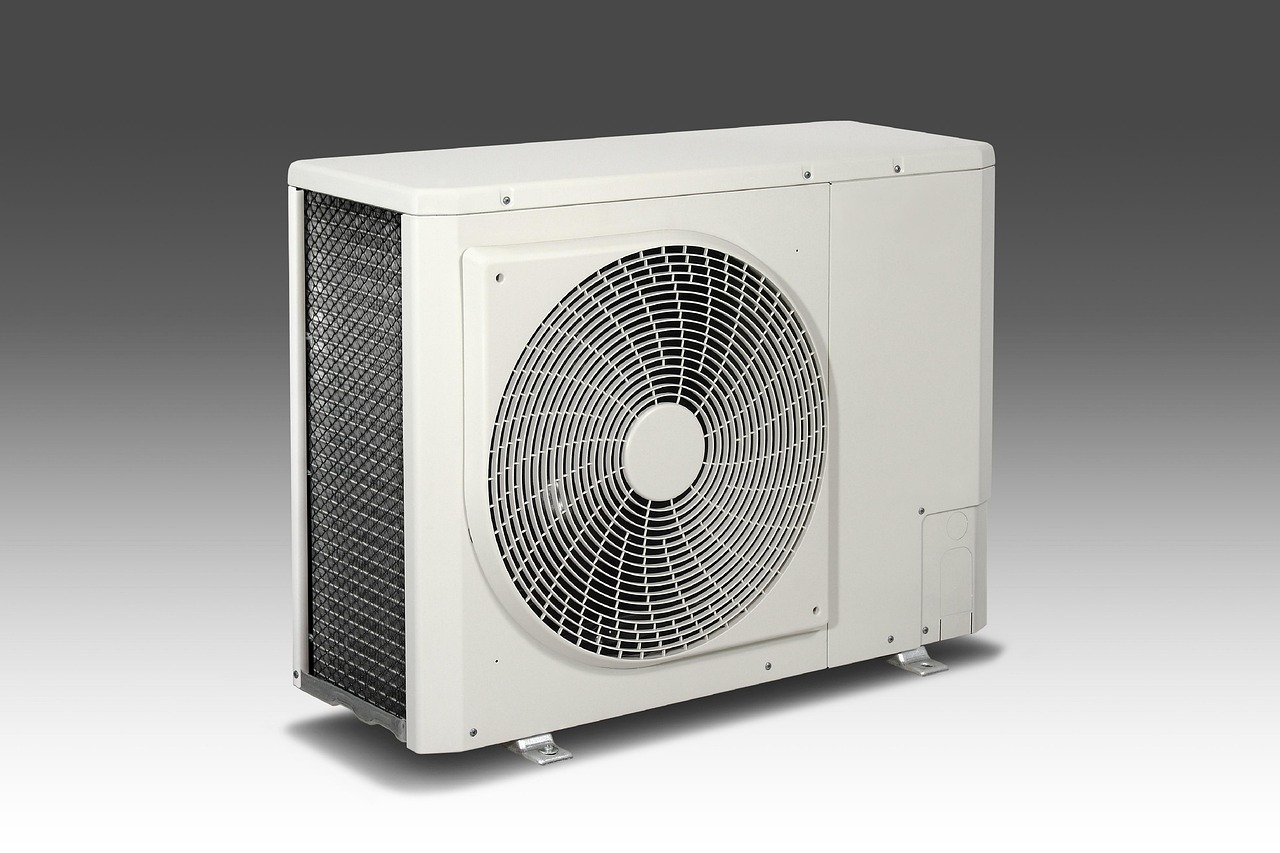
In the vast majority of American homes, the gas furnace and central air conditioning unit function as a single connected system. They share the same indoor blower motor, primary electrical controls, sheet metal plenum, and ductwork network. The indoor AC evaporator coil sits directly on top of or underneath the furnace cabinet. Because these systems are physically attached, replacing both components at once offers clear financial and technical advantages:
- Substantial Labor Cost Savings: Up to 40% of the total labor involved in an HVAC installation goes toward basic job setup—pulling municipal permits, recovering refrigerant, modifying sheet metal fittings, and running high-voltage wiring. Installing a new furnace and AC together reduces duplicate labor, saving money compared to replacing them in separate visits.
- AHRI Matched System Efficiency: Seasonal Energy Efficiency Ratio (SEER2) and heating efficiency ratings are certified by the AHRI based on precise pairings of outdoor AC compressors, indoor evaporator coils, and indoor furnace blower motors. Pairing a modern air conditioner with an aging furnace blower—or vice-versa—often degrades efficiency and can compromise warranty coverage.
- Refrigerant Compatibility and Compliance: Older cooling systems use older refrigerants like R-22, which have been phased out and are costly to service. Modern systems utilize environmentally friendly refrigerants. Replacing the complete setup ensures your entire HVAC infrastructure relies on current industry standards.
However, if your air conditioning unit is less than 5 to 7 years old and operates on current R-410A or R-32 refrigerant, installing a compatible new furnace while retaining your existing cooling equipment is usually the most economical approach.
Step-by-Step Decision Matrix for Homeowners
If a service contractor red-tags your furnace due to a diagnosed heat exchanger crack, follow this step-by-step decision matrix before signing any repair order or installation contract:
- Demand Clear Visual and Diagnostic Proof: Ask the technician to show you the crack or breach directly. Reputable contractors will willingly demonstrate the failure using an infrared inspection camera probe, a visible dye penetrant test, or calibrated carbon monoxide analyzer readings taken at the supply vents. Request photographic or digital documentation for your records.
- Check Equipment Age and Warranty Status: Locate the manufacturer data plate on the interior cabinet door to find the furnace model number, serial number, and manufacture date. Call the manufacturer or search their online customer portal to confirm remaining heat exchanger warranty coverage.
- Obtain a Written, Itemized Repair Estimate: Request a complete breakdown for replacing the heat exchanger assembly. Ensure the estimate details labor hours, freight charges, shop materials, replacement gaskets, and municipal permit fees.
- Obtain Written Replacement Quotes: Request quotes for both a basic standard-efficiency replacement furnace and a high-efficiency condensing upgrade. Ask the contractor to list available manufacturer rebates and federal tax incentives.
- Calculate Your Decision Metrics: Apply the 50% Rule and the Index 5000 calculation using your written repair and replacement estimates. If your furnace is over 12 years old and out-of-pocket repair costs exceed $1,000, replacing the system is almost always the right financial choice.
- Get a Second Opinion When Needed: If the initial crack diagnosis occurred during an emergency night visit or routine sales tune-up, consider hiring an independent, licensed HVAC contractor to perform a second diagnostic assessment before committing to a major expenditure.
Avoiding Common Contractor Traps and High-Pressure Sales
Dealing with a red-tagged furnace during a winter freeze can feel overwhelming, making homeowners vulnerable to hasty decisions. Keep these practical precautions in mind:
- Watch Out for High-Pressure Sales Tactics: While genuine carbon monoxide leaks are serious safety emergencies that require shutting off the equipment, some aggressive sales-oriented HVAC companies use red tags primarily as a high-pressure sales tactic to force immediate equipment replacements. A trustworthy technician will clearly explain the defect, provide diagnostic proof, and give you time to consider itemized repair and replacement quotes.
- Never Permit Patching, Epoxy, or Field Welding: Reject any offer from an unlicensed handyman or technician claiming they can patch, seal, or weld a cracked heat exchanger. Field fixes violate mechanical codes, create extreme fire and safety risks, and leave you legally exposed in the event of property damage or injury.
- Evaluate Ductwork Capacity and Condition: Installing a modern high-efficiency furnace on undersized, leaking, or dirty ductwork can compromise performance. Airflow restrictions will persist, putting excessive heat stress on your new unit’s heat exchanger and causing premature failure.
- Protect Your New Equipment with Regular Maintenance: If you invest in a new system, protect your investment by replacing air filters every 1 to 3 months and scheduling annual professional tune-ups. Maintaining proper airflow prevents the excessive thermal stress that causes heat exchangers to crack in the first place.
Frequently Asked Questions About Heat Exchangers
Can a furnace heat exchanger crack be repaired without replacing the part?
No. Standard building codes, mechanical regulations, and safety rules strictly prohibit welding, patching, or applying chemical sealants to a cracked heat exchanger. The extreme thermal expansion and intense heat inside a combustion chamber will cause patches or field welds to fail rapidly, releasing toxic carbon monoxide gas into your home. The only approved solution is replacing the entire heat exchanger assembly or installing a new furnace.
How long can you safely run a furnace with a cracked heat exchanger?
Zero minutes. You should never operate a furnace once a heat exchanger crack or structural breach has been diagnosed. Operating a unit with a compromised exchanger risks introducing deadly carbon monoxide into your home’s air supply. Once a crack is verified, the gas supply should remain shut off until the system is fully repaired or replaced.
How do I know if an HVAC technician is lying about a cracked heat exchanger?
To guard against false claims or misdiagnoses, always ask the technician to provide photographic or video proof taken with an inspection camera scope. You can also request a dye penetrant test or ask to see continuous carbon monoxide readings on a calibrated diagnostic instrument. If you feel pressured, turn off the system and hire an independent, licensed contractor to perform a second diagnostic evaluation before purchasing new equipment.
Does homeowners insurance cover a cracked heat exchanger?
Standard home insurance policies generally do not cover cracked heat exchangers if the failure resulted from normal wear and tear, age, lack of maintenance, or long-term metal fatigue. Insurance typically covers heating system damage only if it resulted directly from a sudden covered peril, such as a severe fire, structural explosion, falling tree branch, or catastrophic electrical storm power surge.
Why are labor costs so high to replace a heat exchanger under warranty?
Heat exchanger replacement requires a major mechanical teardown. A technician must completely dismantle the furnace chassis, disconnect electrical, gas, and venting infrastructure, slide out internal blower units, replace the heavy steel core, and reassemble and safety-test the entire unit. Because this work requires 4 to 8 hours of specialized labor, labor charges remain high even when the metal part itself is fully covered by a manufacturer warranty.
By assessing carbon monoxide hazards accurately, reviewing true out-of-pocket repair expenses, and applying clear financial rules of thumb, you can make a smart, safe choice that protects both your family and your household budget.