
Stepping onto a high school campus for the first time marks a massive shift for any teenager—and for their parents. If you are preparing for this milestone, having a reliable high school freshman transition guide makes all the difference. Middle school is typically structured and protective, whereas high school introduces a world of personal accountability, GPA tracking, complex schedules, and brand-new social dynamics. For families, managing this leap requires balancing emotional support with rigorous logistical planning.
This guide walks you through the core elements of the 9th-grade journey: academic credit planning, budgeting for unexpected fees, organizing extracurriculars, and supporting your teen’s emotional well-being. By tackling these pieces proactively during the summer before school starts, you can help your student hit the ground running.
Understanding the Shift: Why Freshman Year Matters
Many parents view 9th grade as a practice year where grades do not truly matter. This is a common misconception. While college admissions offices primarily weigh grades from 10th and 11th grades, many high schools begin calculating cumulative grade point averages (GPAs) right at the start of the first semester. Furthermore, the habits formed in 9th grade usually dictate academic trajectories for the rest of high school.
High school also introduces the concept of earning credits toward graduation rather than simply passing a grade level. If a student fails a core class in middle school, they typically move on with their peers. If they fail a required core class in high school, they may have to make it up in summer school or via online credit recovery programs to stay on track for graduation.
Additionally, the psychological shift from being the oldest students in middle school to the youngest fish in a much larger high school pond can rattle even confident teenagers. Understanding this structural and emotional pivot allows parents to provide the right balance of empathy and structure. Rather than waiting for mid-term report cards to discover how your teen is adjusting, proactive families set up monitoring frameworks during the opening weeks of August and September.
Moreover, the classroom environment undergoes a drastic evolution. In middle school, teachers often send weekly email digests, accept late work with minimal penalties, and offer regular verbal reminders about upcoming homework. In high school, teachers manage up to 150 students across multiple class periods. Consequently, the onus shifts entirely to the student to track assignments, approach teachers during office hours for help, and manage complex multi-week projects. Acknowledging this change early helps parents coach their teens on personal responsibility rather than stepping in to rescue them from missed deadlines.
Mastering High School Credit Planning
One of the most important aspects of high school credit planning for parents is understanding how your local district structures its graduation requirements. Most public high schools require a specific number of credits in English, math, science, history, and physical education, alongside foreign language and elective credits.
Review your school district’s program of studies booklet over the summer. Pay close attention to prerequisite chains. For example, taking Algebra I in 9th grade might be a strict prerequisite for Chemistry in 11th grade. Knowing these pathways early prevents scheduling bottlenecks down the road.
- Check core requirements: Know the exact number of math and science credits needed for a standard diploma versus an advanced or honors track.
- Monitor semester vs. block scheduling: Some schools use traditional seven-period days where classes run all year, while others use block scheduling where courses pack into a single semester at an accelerated pace.
- Keep a personal tracker: Create a simple spreadsheet to log completed credits at the end of each semester to ensure your teen remains on track.
Delving deeper into credit planning requires looking past the freshman year. Sit down with your teenager before course registration closes in the spring of their 8th-grade year, or review their initial schedule during summer orientation. Map out a tentative four-year plan. While students frequently change their minds about career paths or elective focuses, having a clear blueprint ensures that required courses like biology, world history, and foreign languages do not get squeezed out during senior year.
Parents should also familiarize themselves with weighted versus unweighted GPA systems. Many high schools offer honors, Advanced Placement (AP), or International Baccalaureate (IB) courses starting as early as 9th or 10th grade. Understanding how these advanced classes affect GPA calculations can help your teen make informed choices about course rigor. Pushing too hard too fast can lead to academic burnout, while taking an insufficiently rigorous schedule might limit future college options. Striking the right balance requires ongoing conversations between parents, students, and school counselors.
Budgeting for High School: Hidden Costs of 9th Grade
While public high school tuition is free, the ancillary costs can catch families by surprise. Drafting a family budget for the school year helps prevent financial stress. Beyond standard school supplies, high school introduces several new expense categories.
Orientation fees, ID card replacements, parking passes (for upperclassmen, but sometimes relevant for campus events), and class dues often pop up in the first month. Additionally, academic classes frequently require specific supplementary materials, such as graphing calculators (which can cost over one hundred dollars) or specialized reading books.
When building your back-to-school budget, separate essential academic purchases from optional school spirit wear and club fees. Many schools offer fee waivers or assistance programs for families who qualify based on income, but you must often request these directly through the main office or guidance department before the school year begins. Keeping a dedicated envelope or digital ledger for miscellaneous school expenses prevents surprise outlays from derailing your household budget during September.

Extracurricular fees deserve special mention. Joining a competitive sport, marching band, or theater production often incurs participation fees, costume costs, or equipment rentals. Anticipating these expenses in July allows you to spread out costs rather than absorbing them all at once when athletic clearance forms land on your kitchen counter.
Furthermore, technology expenses have expanded significantly. While many districts supply Chromebooks or laptops, students often need specific accessories like protective sleeves, earbuds with microphones for language labs, or personal printer ink for assignments completed at home. Factoring these technology costs into your household budget ahead of time ensures your student is fully equipped from day one without creating last-minute shopping scrambles.
Navigating Extracurriculars and Athletic Tryouts
Extracurricular activities are central to the high school experience, offering leadership opportunities, social connection, and college resume building. However, managing them requires careful time management. Freshman year is the ideal time to explore options without overcommitting.
Encourage your teenager to try one or two clubs, a sport, or an arts program during the first semester. Watch out for burnout; high school coursework demands more homework time than middle school did. If evening practices stretch late into the night, make sure your student still has adequate time for sleep and study.
Balancing Sports, Clubs, and Academics
Many freshman sports teams have grueling practice schedules that begin before the school year even starts. Athletic clearance packets, physical examinations, and participation fees must be handled well in advance. Talk to your teen about priorities: academics must remain the anchor.
Help your student evaluate whether a particular activity fits their bandwidth. A freshman taking multiple honors classes who also joins a varsity-track sport may find themselves overwhelmed by October. Encourage open dialogue: if your teen feels drowning in commitments, help them draft an exit strategy or scale back involvement before their grades begin to suffer. Remember that freshman year is about exploration, not building a hyper-specialized resume.
It is also worth noting that non-athletic extracurriculars—such as debate club, robotics, student government, or the school newspaper—require serious time commitments. These organizations often meet after school and may require weekend competitions or fundraising events. Helping your teenager manage their calendar using digital reminders or a wall planner ensures they do not accidentally double-book a club meeting with a study session for an upcoming math exam.
Setting Up Home Routines for Independent Success
The biggest challenge for incoming 9th graders is the sudden increase in independence. Teachers rarely chase students down for missing assignments or remind them of upcoming project deadlines in the same way middle school teachers do.
Help your teen build a reliable organizational system before school begins. Whether they prefer a digital calendar app or a traditional paper planner, they need a centralized place to record assignment due dates. Establish a daily routine for checking the school’s online portal or learning management system together during the first few weeks, gradually stepping back as they demonstrate independence.
Create a dedicated homework space at home that is free from television and distracting smartphone notifications. Set a consistent homework hour where family members also minimize distractions, modeling good focus habits. Teach your teenager how to break large multi-week projects into smaller, manageable chunks rather than attempting to finish a major history paper the night before it is due. These foundational organizational skills pay enormous dividends throughout high school and into college.
Another critical routine involves managing digital distractions during study blocks. Many teenagers struggle to complete homework efficiently because their phones buzz constantly with text messages and social media alerts. Establishing a phone-parking station outside the study area during homework time can dramatically improve focus and reduce the total hours spent staring at open textbooks.
Communicating with Guidance Counselors and Teachers
As parents, your relationship with the school shifts in high school. You are no longer interacting with a single core teacher who sees your child all day. Instead, your teen will have six or seven different educators.
The school guidance counselor is your primary administrative point of contact. Reach out if you notice sudden changes in your student’s mood, struggling grades, or scheduling errors. Most high schools host a freshman orientation or open house in August—make attendance a priority to meet teachers and understand their individual classroom policies.
When emailing teachers, maintain a collaborative, partnership-oriented tone. Teachers appreciate parents who reach out early when a student starts struggling on a specific quiz or concept rather than waiting until final grade reports are published. Encourage your teenager to advocate for themselves first by speaking directly to their teacher after class or via email before you step in as an intermediary.
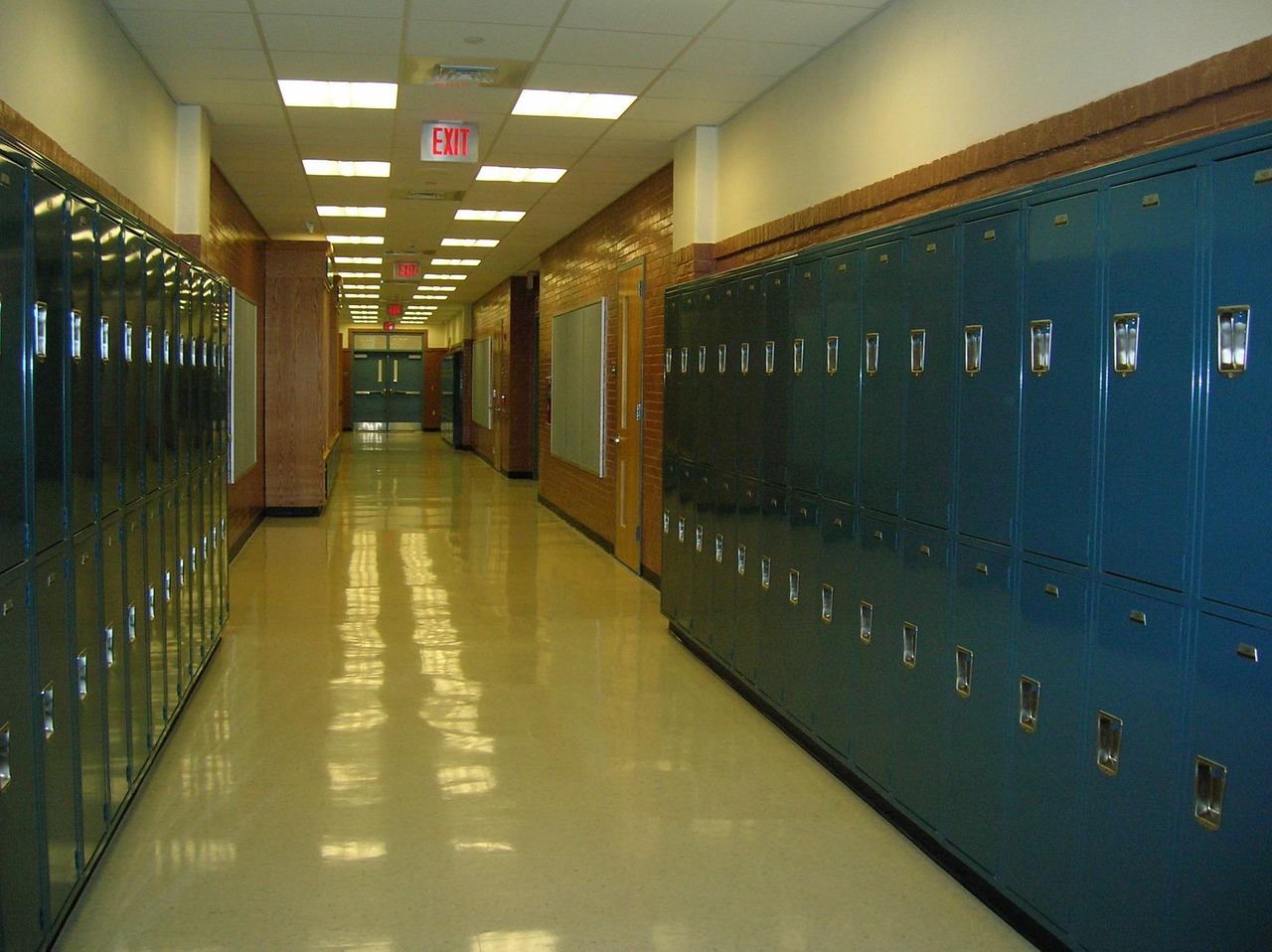
Additionally, remember that high school guidance departments are extraordinarily busy, often serving hundreds of students per counselor. Reaching out early in the school year—before scheduling crises or college application deadlines overwhelm them—ensures you build a positive relationship. If your child has specific learning accommodations or a 504 plan, schedule a check-in meeting during the first month of school to confirm that all teachers are properly implementing necessary supports.
Managing the Emotional Adjustment
Logistics and finances are only half the battle; the emotional adjustment to a larger, more intimidating school can feel overwhelming for a 14-year-old. Upperclassmen can seem giant, hallways are crowded, and social groups often shift dramatically.
Validate your teenager’s anxieties. Remind them that every single freshman is in the exact same boat. Encourage open communication at the dinner table by asking specific questions about their day rather than a generic “How was school?” Focus on building resilience, reminding them that missteps and awkward moments are normal parts of growing up.
Pay close attention to social withdrawal, changes in sleep patterns, or unexplained physical complaints like headaches or stomachaches, which can signal high anxiety. If your teen is struggling to find a peer group or feeling isolated, gently encourage them to join a structured club or lunchtime activity where they can meet students with shared interests. Sometimes, finding one kindred spirit transforms the entire high school experience.
Peer pressure and social dynamics also intensify during freshman year. Teens are exposed to a much wider array of backgrounds, opinions, and lifestyle choices than they encountered in middle school. Having open, non-judgmental conversations at home about peer influence, digital footprint management, and decision-making empowers teenagers to navigate tricky social situations with confidence and integrity.
Conclusion: Your Action Plan for August
Preparing for 9th grade does not have to be chaotic. By reviewing graduation requirements, mapping out a realistic budget for fees and supplies, and establishing solid communication routines at home, you can smooth the transition. Keep expectations realistic, celebrate small wins, and remember that high school is a four-year marathon rather than a sprint. Stay involved, keep the lines of communication open with your teenager and their teachers, and enjoy watching them grow into capable, independent young adults.
As August winds down, take a final inventory with your student: confirm that schedules are correct, locker combinations work, transportation plans are squared away, and school supplies are organized. A little preparation goes a long way toward turning first-day butterflies into genuine excitement for the journey ahead.