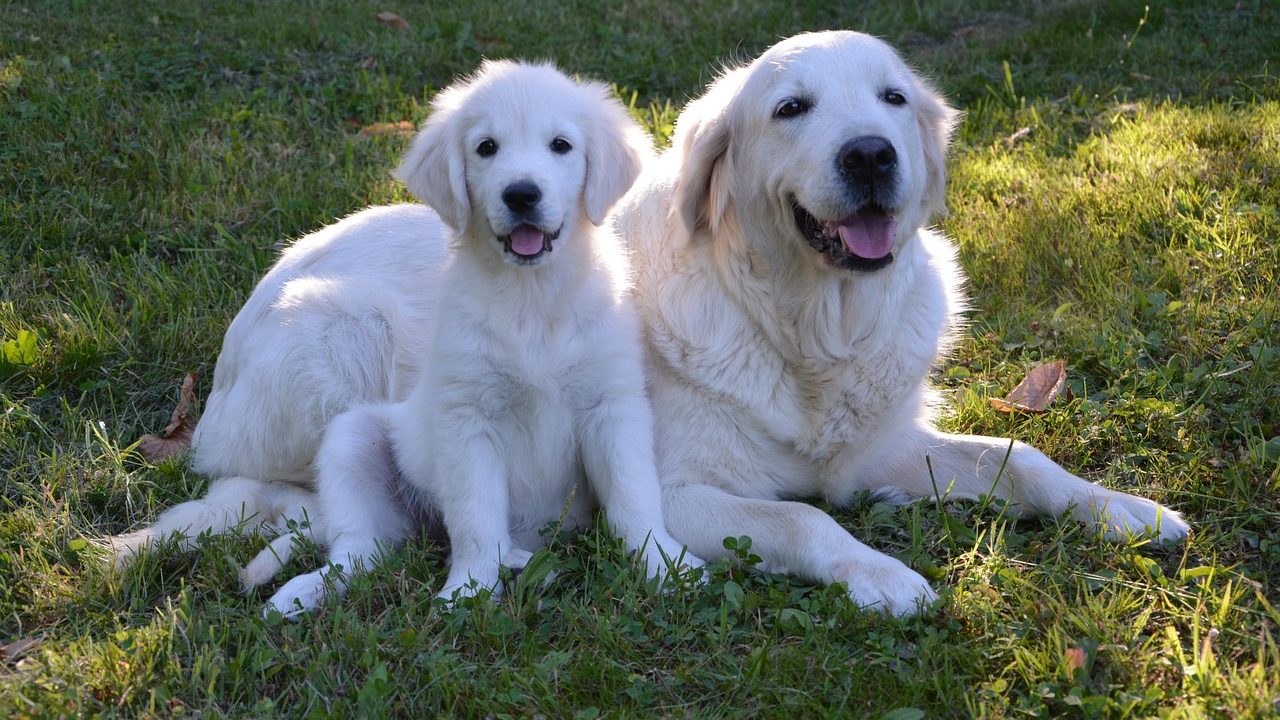
Adding a new companion to your living space is an exciting milestone, but knowing how to introduce second dog cat household US setups safely is essential for long-term peace. Unmanaged introductions can trigger severe territorial anxiety, resource defense, and chronic stress. Whether you are adding a second rescue dog, adopting a kitten, or integrating a dog and a cat under one roof, first impressions shape social dynamics for years to come. Animals naturally protect their established territory, sleeping spots, and human bonds. Forcing immediate, unrestrained interactions often creates panic or aggression that can take months of behavioral therapy to undo.
By following a structured, phased introduction protocol backstopped by veterinary behavior principles, you can build a stable multi-pet dynamic. This guide provides actionable steps covering environmental planning, olfactory scent swapping, controlled visual contact, species-specific face-to-face meetings, anti-resource-guarding tactics, and long-term cohabitation routines tailored to American suburban homes and urban apartments.
1. Assessing Home Readiness Before Arrival
A smooth multi-pet transition begins well before the newcomer steps inside your house. Evaluating living spaces from the perspective of both the resident animal and the incoming pet helps eliminate territorial conflict triggers before they happen. Animals rely heavily on structural predictability, scent familiarity, and consistent routines. Disrupting their living space without clear spatial management instantly raises baseline stress levels.
Establishing Dedicated Isolation Safe Zones
Every newly arrived pet needs a designated safe zone that is completely inaccessible to the resident pet. In typical American houses or apartments, this safe room is usually a spare bedroom, home office, or clean guest bathroom. This isolated space must serve as a fully functional living area, housing all essential items:
- Dedicated feeding stations: Separate food and water bowls placed away from doors or high-traffic interior pathways.
- Comfortable bedding: A cozy bed, crate, or nesting area lined with familiar blankets carrying scent from the adoption shelter or foster home.
- Feline specifics: High-sided litter boxes placed far from food bowls, vertical scratching posts, and elevated perches.
- Enrichment items: Interactive puzzle toys, snuffle mats, or chew bones to keep the animal engaged while isolated.
Crucially, your resident pet must maintain uninterrupted access to their primary daily areas, including their favorite spots on the couch, normal sleeping zones, and standard feeding spots. Displacing a resident pet from their primary bedroom or resting area to accommodate a new pet creates immediate resentment and territorial competition.
Stocking Up on Management Hardware
Physical barriers and control gear are essential during initial integration phases. Acquire these essential management supplies prior to your new pet’s arrival day:
- Extra-tall baby gates: Choose walk-through metal gates with built-in small pet doors for cat/dog integration, or tall mesh gates to prevent agile dogs or cats from jumping over.
- Visual barriers: Opaque curtains, bedsheets, or cardboard panels taped temporarily to baby gates to block visual contact during scent-only phases.
- Fixed 6-foot nylon leashes: Avoid retractable leashes completely during introductions; retractable lines offer zero precise control and can drop or snap suddenly.
- High-value treat rewards: Stock soft freeze-dried liver, cooked chicken breast, or lickable wet treat tubes to implement instant positive reinforcement conditioning.
2. Phase 1: Olfactory Integration (Scent Swapping)
For companion animals, smell is their primary sense for evaluating environments and social partners. Dogs and cats construct complex mental pictures of surrounding animals through pheromones and olfactory signals long before making visual contact. Skipping scent swapping is one of the most common mistakes pet owners make.
Step-by-Step Scent Swapping Protocol
Keep the newcomer completely isolated inside their safe room with the door closed for the first 48 to 72 hours. During this initial isolation window, perform scent swapping twice daily following these steps:
- Gather two clean, dry cotton hand towels or microfiber cloths.
- Gently rub the first cloth along the resident pet’s facial cheeks, chin, and side of the neck where scent glands are concentrated.
- Rub the second cloth along the new pet’s face and chin in the exact same manner.
- Swap the cloths: place the new pet’s scented cloth near the resident pet’s food bowl, and place the resident pet’s cloth near the new pet’s sleeping zone.
- Observe bodily responses. Neutral reactions, soft sniffing, or total disinterest indicate positive processing. Growling, sudden stiffening, back-stepping, or hissing signal that the animal needs more time before advancing.
Executing Site Swapping (Room Rotation)
Once both animals comfortably sniff the swapped towels without displaying tension or hyper-arousal, advance to site swapping (room rotation). Secure your resident pet in a separate room or take them out on a 30-minute walk. Simultaneously, open the safe room door and allow the new pet to explore the main house freely.
This allows the new animal to investigate the layout, furniture scents, and floor plan without social pressure. Concurrently, allow your resident pet to explore the safe room after the newcomer is moved temporarily. Repeating this room rotation twice daily helps both animals treat each other’s scent as a completely normal aspect of their home environment.
3. Phase 2: Controlled Visual Contact
Visual contact should only begin after both animals exhibit relaxed, neutral, or mildly curious behavior during olfactory scent and site swapping sessions. Controlled visual meetings build a safe bridge between smell recognition and direct physical interaction.

Using Double-Gate Systems and Cracked Doors
Set up a physical barrier between the safe room and the main hallway. A sturdy baby gate combined with a solid interior door works exceptionally well. Crack the solid door open two to three inches, securing it firmly with a doorstop or door strap so neither animal can force it fully open.
Pair every single glance through the open door gap with immediate, high-value treats. When your resident dog looks toward the door gap and sees the new pet, immediately mark the moment with a cheerful cue word (such as “Yes!”) and reward them with a piece of chicken. This changes the animal’s internal emotional response from defensive alertness to happy expectation: “Looking at that animal means delicious treats appear!”
Body Language Decoder: Green Lights vs. Red Flags
Recognizing subtle stress cues helps you intervene before tension escalates into barking, chasing, or defensive swiping. Watch closely for these specific species-level signals:
| Pet Type | Green Light (Relaxed / Receptive) | Red Light (Stressed / Hyper-Aroused) |
|---|---|---|
| Dogs | Loose, wiggly body stance, soft eyes, broad side-to-side tail wag, play bow, breaking eye contact naturally. | Stiff posture, intense forward stare, lip licking, yawning, raised hackles, forward ear orientation, sudden freezing. |
| Cats | Upright tail with a soft curved tip, slow blinking, relaxed forward ears, calm whisker posture. | Flattened ears (“airplane ears”), dilated pupils, twitching or thumping tail, low crouch, growling or hissing. |
If either animal shows red-light behaviors for more than three seconds, quietly close the interior door, step back standard physical distance, and resume scent-based interactions for another few days. Never scold or punish an animal for growling or hissing; these warning signals communicate emotional overload. Suppressing warning signals with punishment often leads to sudden bites or scratches without prior warning later on.
4. Phase 3: Face-to-Face Introductions by Species Pairing
The exact mechanics of direct physical contact depend on the specific species combination you are bringing into your home environment. Master understanding how to introduce second dog cat household US setups requires adapting your technique based on the animals involved.
Dog to Dog: Neutral Territory Parallel Walking
Never hold a first direct face-to-face meeting between two dogs inside the resident dog’s house or backyard. Established home turf naturally triggers protective territorial responses. Instead, conduct the meeting on neutral ground—a quiet, fully fenced park section or wide neighborhood sidewalk that neither dog frequents daily.
- The Parallel Walk: Two separate adult handlers hold each dog on standard 6-foot leashes. Begin walking in the same direction on opposite sides of a wide street or grassy park section, maintaining 15 to 20 feet of separation.
- Closing Distance Gradually: As both dogs walk calmly without pulling, lunging, or fixating on each other, slowly narrow the lateral gap. Move to 10 feet, then 5 feet, walking side-by-side while preventing head-on confrontations.
- Brief Curved Sniffs: Allow the dogs to approach each other naturally from the side or rear for a short 3-second sniff. Count silently: “One-one-thousand, two-one-thousand, three-one-thousand,” then cheerfully call both dogs away and reward with treats. Short, positive interactions build trust far faster than prolonged, risky encounters.
- Transitioning Home: Once the dogs walk together calmly outside, walk them back home together. Allow them into the backyard first with leashes dragging loosely on the ground, allowing quick safety intervention if needed.

Cat to Cat: Gradual Sight-Feeding Transitions
Felines are strongly territorial animals whose sense of security relies heavily on spatial ownership. Cat-to-cat introductions require steady patience and structured feeding routines:
- Keep sight sessions brief (2 to 3 minutes) through a tall baby gate or screen door during meal times.
- Feed both cats on opposite sides of the closed gate barrier, starting 6 to 8 feet away and moving bowls an inch closer each day only if both eat comfortably.
- Plug in synthetic feline facial pheromone diffusers (such as Feliway Classic or MultiCat) in key rooms to reduce ambient environmental tension.
- Allow supervised room shares only when both cats ignore each other, display positive tail-up posture, or comfortably groom themselves near the gate.
Dog to Cat: Prey Drive Control and High Perches
When pairing dogs and cats, physical safety management must prioritize controlling predator-prey dynamics. Even friendly, high-energy dogs can harm or traumatize a cat through intense play drive or high prey drive.
- Keep the dog on a fixed short leash: During initial face-to-face indoor meetings, the dog must remain on a leash held securely by an adult, sitting or lying down calmly.
- Provide vertical safety escapes: Ensure the cat has multiple high-altitude escape options—tall cat trees, sturdy wall shelves, or clear furniture tops—where the dog cannot physically reach them.
- Reward disengagement: Whenever the dog breaks eye contact with the cat to look at you, instantly reward with high-value treats. The goal is complete canine indifference toward the feline.
- Enforce zero tolerance for chasing: Never allow a dog to chase, corner, or bark at a cat. Immediately interrupt chasing behavior by using the leash to lead the dog into a quiet timeout zone.
5. Managing Resource Guarding Early On
Resource guarding is one of the most common causes of fights in multi-pet homes. Animals naturally protect food, sleeping areas, high-value toys, and human attention if they fear competition. Setting up anti-resource-guarding management from day one prevents conflict habits from forming.
Feeding Logistics and Spatial Separation
Never place food dishes side-by-side during early integration. Separate feeding stations physically across separate rooms or behind closed doors.
When feeding a dog and cat in the same area, feed the cat on an elevated counter, high table, or cat tree that the dog cannot physically reach. Leave food bowls down for 15 minutes, then clean up remaining food and store bowls away. Free-feeding kibble in open bowls throughout the day creates continuous territorial guarding triggers.
High-Value Toys, Chews, and Rest Areas
High-value objects naturally trigger defensive behaviors. Take control of these high-value items:
- Remove high-value chews, bully sticks, stuffed Kongs, and squeaky toys from common living spaces before introducing the new pet.
- Only offer high-value chews when pets are isolated in separate crates or behind closed doors.
- Provide surplus resting areas: if you have two pets, place three or four comfortable beds across different living areas so neither pet feels forced to fight over a warm spot.
- Follow the N+1 rule for litter boxes in multi-cat setups: provide one litter box per cat plus one extra, located in distinct areas to avoid hallway blocking.
6. Building Daily Routines for Household Harmony
Predictable routines give pets a sense of security. Establishing consistent daily patterns helps both animals realize that the arrival of a housemate does not reduce their access to food, attention, or exercise.
Individual and Group Enrichment Activities
Maintain dedicated one-on-one time with your resident pet every day. Play fetch, go on solo walks, or enjoy grooming sessions without the new pet present. This prevents frustration and keeps existing human-animal bonds strong.
Gradually introduce joint enrichment activities once basic tolerance is secured:
- Parallel training sessions: Sit between both pets with a treat pouch. Request simple behaviors (like “sit” or “look”) alternately, rewarding each pet for patient turn-taking.
- Simultaneous scatter feeding: Scatter pieces of kibble across separate rug areas so both pets focus on sniffing and foraging near each other peacefully.
- Coordinated walks: Regular joint walks on neutral neighborhood paths reinforce pair bonding in dogs through shared movement and scent exploration.
Supervision Timelines vs. Unsupervised Independence
A common error is assuming that a quiet, fight-free afternoon means animals can be left alone safely while you leave for work. True social stability takes time to establish firmly.
Keep pets physically separated in secure safe rooms, crates, or isolated zones whenever you leave home until they have demonstrated at least one month of completely peaceful cohabitation under direct supervision. It takes months to rebuild trust after an unobserved fight or bite occurs during owner absence.
7. Troubleshooting Common Setbacks and Red Flags
Progress during pet introductions is rarely perfectly linear. Minor regressions can happen, but recognizing major behavioral red flags allows you to adjust your approach or seek professional help before injuries occur.
Recognizing Severe Behavioral Red Flags
If you encounter any of the following severe behavioral signals, stop direct face-to-face meetings immediately and return to strict visual or scent management:
- Predatory drift: A dog intensely stalking, stiffening, lip-licking, or fixating on a cat or smaller pet without responding to voice cues or treats.
- Severe resource aggression: Snapping, lunging, or biting when a human or second pet walks past a food bowl, toy, or sleeping spot.
- Persistent hiding or fear: A cat hiding continuously for more than 48 hours without eating, drinking, or using the litter box due to pet presence.
- Blocking behavior: One pet standing in hallways or doorways to trap another pet and block access to food, litter boxes, or owners.
When to Work with a Qualified Professional
If home progress stalls for more than three weeks or physical aggression occurs, seek assistance from certified behavior professionals. Look for credentials from recognized national organizations:
- Board-Certified Veterinary Behaviorists (DACVB): Licensed veterinarians with specialized residency training in animal behavior medicine.
- Certified Applied Animal Behaviorists (CAAB or ACAAB): Behavioral professionals with advanced graduate degrees (M.S. or Ph.D.) in animal behavior.
- Certified Professional Dog Trainers (CPDT-KA) or Certified Cat Behavior Consultants (CCBC): Trainers specializing in force-free, positive reinforcement techniques.
8. Frequently Asked Questions
How long does it usually take to introduce a second dog or cat?
Introduction timelines vary based on individual temperament, age, and past socialization. Simple dog-to-dog introductions on neutral ground may take a few days to two weeks. Complex cat-to-cat or dog-to-cat integrations often require two to six weeks of gradual, step-by-step management. Never force a strict deadline; let animal body language guide your pace.
What should I do if my resident dog growls at the new cat through the baby gate?
Growling communicates that your dog feels overwhelmed or overly aroused. Do not scold or punish your dog for growling. Instead, calmly block visual contact using a towel or curtain, increase the distance between them, and return to scent-swapping and site-swapping protocols for a few days before trying visual meetings again.
Is it normal for cats to hiss during initial introductions?
Yes. Hissing is a defensive communication tool used by cats to set spatial boundaries and express discomfort. It does not mean the cat is naturally aggressive; it simply means they need more distance and time to process the newcomer’s presence safely.
Should I let my pets “fight it out” to establish a hierarchy?
No. Allowing pets to fight or