
If you own an American home built between the 1880s and the 1940s, encountering active knob-and-tube (K&T) wiring is almost an inevitability. When evaluating the knob and tube wiring remediation vs complete rewiring cost US property owners must navigate, the financial, structural, and insurance parameters can seem overwhelming. Named for the porcelain knobs that anchor single conductors to wooden wall framing and the porcelain tubes that channel wires through joists, this early electrical distribution method was standard practice across the United States for decades. However, modern power demands, combined with evolving building codes and strict property insurance standards, make managing legacy electrical infrastructure a top priority for historic homeowners.
The decision to pursue targeted electrical remediation versus a full, whole-house copper overhaul isn’t merely a technical choice; it is a critical economic and risk-management decision. Remediation—which includes splicing out hazardous exposed conductors, isolating heavy-appliance loads, and obtaining specialized master electrician safety affidavits—can offer immediate financial relief and satisfy short-term underwriting demands. Conversely, a total copper rewiring eliminates mechanical and thermal fire hazards at their source, supports heavy contemporary power loads, and permanently resolves insurance compliance issues. To determine the correct path for your property, you must systematically evaluate system design limits, insulation risks, local municipal permitting rules, and underwriting guidelines.
Understanding Knob-and-Tube Design and Its Inherent Deficiencies
To understand why legacy wiring causes concern for home inspectors and insurance adjusters, you must examine how these systems were originally constructed. Knob-and-tube wiring was designed for an era when residential electricity powered little more than a few 60-watt incandescent light bulbs and the occasional small tabletop appliance. The architecture relies on single, cloth-and-rubber-wrapped copper conductors spaced several inches apart inside open wall cavities, floor joists, and attic spaces. The surrounding open air acts as a natural cooling medium, allowing heat generated by electrical resistance to dissipate safely away from structural wood framing.
Unlike modern non-metallic sheathed cable (commonly referred to by brand names like Romex), original K&T systems are inherently two-wire, ungrounded installations. Modern electrical codes mandate a third continuous conductor—an equipment grounding wire—that provides a safe, low-resistance path back to the main service panel during an electrical fault. This ground path allows circuit breakers to trip instantly when electricity strays, preventing dangerous shock or fire. Without a ground path, any fault inside a plug-in appliance, metal light fixture, or wall switch can energize the exterior casing, posing a constant shock risk to occupants and a persistent fire hazard inside timber-framed walls.
Additionally, age takes a heavy toll on legacy materials. Over 80 to 130 years, continuous thermal expansion, fluctuations in seasonal attic humidity, and exposure to atmospheric ozone cause the original rubber-and-cloth insulation to dry out, harden, and crumble away. This leaves bare copper conductors exposed inside wall cavities. When uninsulated conductors come into contact with dry timber studs, dusty plaster lath, or atmospheric moisture, arcing and high-resistance faults can occur, drastically increasing the risk of structural fires.
The Insulation Hazard: Thermal Accumulation and Fire Risk
One of the most dangerous technical issues in historic home maintenance is the knob and tube insulation hazard. As energy costs rise, historic homeowners frequently invest in weatherization upgrades, such as blowing loose cellulose or fiberglass insulation into empty wall framing and open attic floors. However, enveloping active K&T conductors in thermal insulation creates an immediate, severe fire hazard.
Because knob-and-tube wiring relies entirely on open air circulation to cool its conductors, enclosing the wires traps heat created by routine electrical resistance. The National Electrical Code (NEC Article 394.12) explicitly prohibits installing thermal insulation around active knob-and-tube wiring. When encased in loose fill or batt insulation, trapped heat accelerates the degradation of old cloth insulation, turning dry cotton and rubber into combustible fuel right against hot copper wire.
When weatherization crews or unmonitored insulation contractors blow cellulose over active attic wiring runs without checking for legacy components, the results can be catastrophic. Electrical loads from space heaters, air conditioners, or modern entertainment systems can heat encased wires until they ignite surrounding thermal insulation or wood joists. Electricians must trace every linear foot of active wiring and either build physical air clearance barriers, air-seal and bypass those sections, or completely decommission the line before any insulation retrofits can legally occur.
| System Attribute | Original Knob-and-Tube | Modern Copper Cable (NM-B / Romex) |
|---|---|---|
| Grounding Path | None (Two-wire ungrounded system) | Dedicated continuous copper ground wire |
| Heat Dissipation | Requires free air movement; no wall insulation allowed | Thermoplastic insulation rated for direct contact with building insulation |
| Typical Circuit Capacity | 15 Amp (often over-fused illegally over decades) | 15 Amp, 20 Amp, or higher dedicated branch circuits |
| Underwriting Acceptability | Extremely low; routinely triggers coverage denial or high surcharges | Standard; fully accepted by all property insurance carriers |
| AFCI / GFCI Compatibility | Poor; shared neutrals cause frequent nuisance breaker tripping | Fully compatible with modern arc-fault and ground-fault protection |
Home Insurance Underwriting and Old Wiring Realities
Navigating home insurance underwriting old wiring mandates is usually the primary catalyst driving homeowners to take action. Property and casualty insurance providers use complex actuarial models that flag legacy electrical systems as high-liability liabilities. As a result, major national carriers have established strict underwriting rules regarding active knob-and-tube installations.
When an insurer discovers active K&T wiring during a pre-policy inspection or standard home inspection report, they typically respond in one of four ways:
- Immediate Denial or Non-Renewal: The carrier refuses to issue or renew a policy until all active knob-and-tube wiring is completely removed and replaced with modern copper lines by a licensed electrician.
- Conditional Binding Windows: The insurer grants a short temporary policy window (typically 30 to 90 days after closing) for the new homeowner to remediate or rewire the property. Proof of completion must be submitted via a master electrician’s sign-off and municipal permit closure.
- Exorbitant Surcharges and Higher Deductibles: The property is shifted to surplus lines or high-risk insurance pools, resulting in annual premium increases of 30% to 100% and higher fire deductibles.
- Coverage Exclusions: The carrier attaches explicit policy endorsements excluding all coverage for losses caused directly or indirectly by electrical fire or failure.
Understanding these insurance limitations explains why basic cosmetic repairs fall short. Splicing a few outlets or replacing an old main breaker panel will not satisfy an underwriter if active cloth-wrapped wire remains connected to ceiling fixtures, hallway circuits, or attic runs.

The Scope of Remediation: Partial Fixes and Splicing Strategies
Remediation offers a targeted alternative to total replacement, designed to address safety concerns while managing short-term budgets. Rather than opening every wall to remove all original wiring, remediation focuses on isolating hazards, removing high-risk sections, and adding modern protective devices.
A comprehensive remediation protocol carried out by a specialized electrician includes the following essential steps:
1. Complete Circuit Tracing and Load Isolation
Using digital tone generators and circuit analyzers, the electrician maps the entire electrical layout to distinguish active K&T runs from modern copper additions or abandoned lines. High-draw modern appliances—including refrigerators, microwaves, dishwashers, window air conditioners, and laundry units—are completely disconnected from legacy circuits. New dedicated 20-amp grounded copper circuits are run directly from the main panel to power these high-load areas.
2. Accessible Metal Junction Box Splicing
Old conductors cannot be spliced open inside wall cavities or wrapped in electrical tape. Remediating legacy systems requires installing accessible metal junction boxes. Old two-wire conductors transition to modern grounded cables inside these secure enclosures using approved wire connectors, preventing stress on aging copper strands.
3. Arc-Fault and Ground-Fault Protection Upgrades
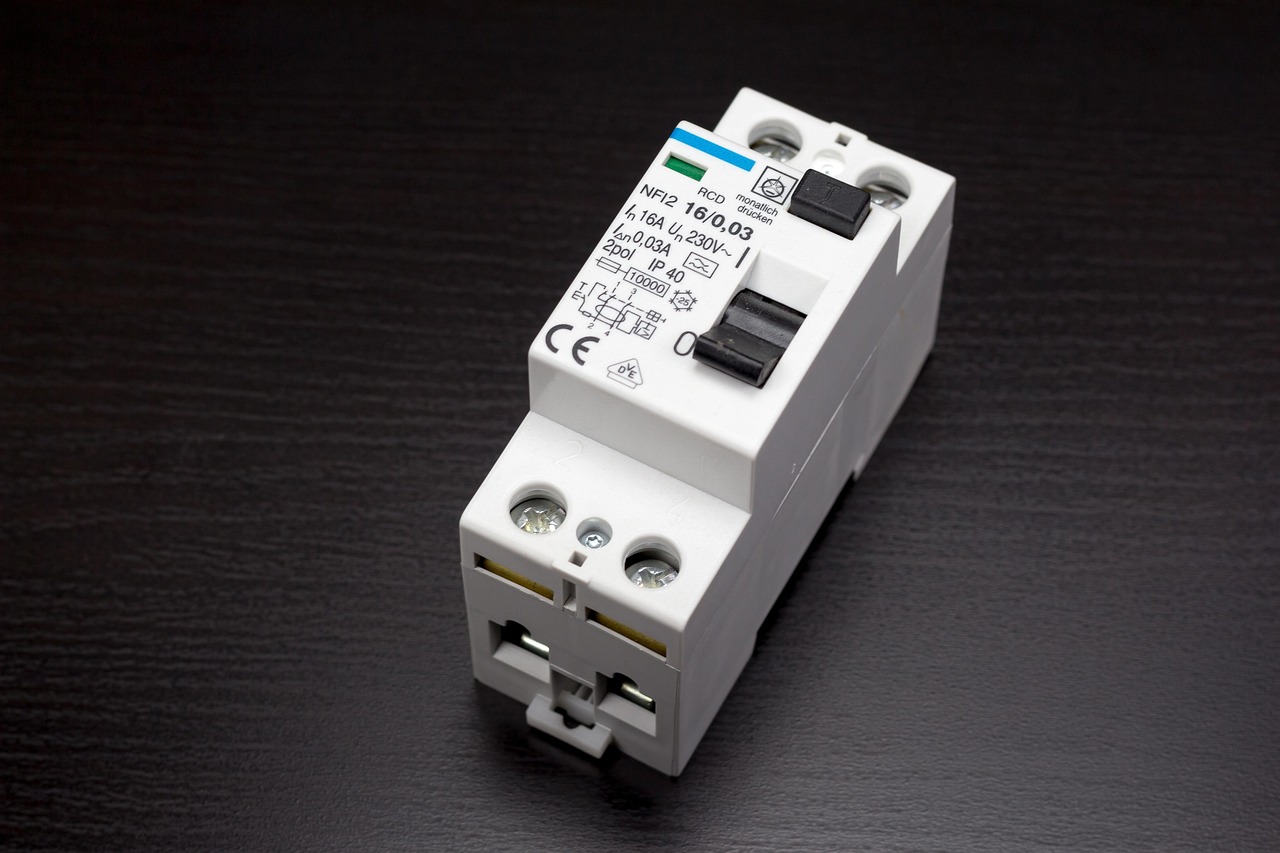
Where legacy circuits remain to power low-draw ceiling lights or living room outlets, electricians install Combination Arc-Fault Circuit Interrupter (AFCI) breakers or GFCI devices at the panel or circuit origin. While AFCI devices do not add a physical ground wire to ungrounded circuits, they continuously monitor the line for dangerous arcing conditions—a primary cause of electrical fires—and shut off power before heat can ignite surrounding timber or plaster lath.
4. Master Electrician Safety Certification
After completing repairs, the electrician performs comprehensive voltage drop testing and load calculations before issuing a signed affidavit. This official document certifies that high-draw appliances run on dedicated grounded circuits, active K&T lines remain free of thermal insulation, and all branch circuits feature appropriate overcurrent and arc-fault protection. Homeowners submit this certificate to satisfy insurance underwriters.
Full Whole-House Copper Rewiring: The Complete Overhaul
A complete whole-house copper rewiring removes all legacy electrical components, replacing them with modern NM-B copper wiring from the main service panel down to every light switch, wall outlet, and ceiling fixture. This overhaul upgrades your home’s infrastructure to safely handle modern power demands.
A complete rewiring project unfolds across several major phases:
- Service Entrance and Main Panel Upgrade: Replacing obsolete 60-amp or 100-amp main panels with a modern 200-amp main breaker panel equipped with full AFCI/GFCI protection and clear labeling.
- Vertical and Horizontal Cable Routing: Drilling through floor joists, top plates, and structural framing to run modern NM-B copper lines throughout the home.
- Strategic Cavity Access: Cutting precise, intentional openings in lath-and-plaster or drywall surfaces to fish cables down into wall cavities and outlet locations.
- Total Legacy Decommissioning: Completely cutting, removing, or permanently disconnecting all original conductors, allowing thermal insulation to be safely added throughout the building envelope.
- Inspection, Permitting, and Trimming: Obtaining municipal permits, passing rough-in structural inspections, patching wall openings, and installing modern tamper-resistant switches and outlets.
Financial Breakdown: Comparing Remediation vs. Full Rewiring Costs
Financial considerations heavily influence the choice between partial remediation and a complete rewiring project. Total project expenses depend on house square footage, stories, structural wall materials (lath-and-plaster versus modern drywall), attic accessibility, and local labor rates across different US regions.
Understanding these core cost drivers helps frame the financial trade-offs:
Labor Intensity and Access Challenges
In historic multi-story homes with lath-and-plaster walls, electrician labor makes up 60% to 75% of total project costs. Fishing wire through rigid wood lath without causing widespread plaster cracking requires slow, detailed work. Open attics or unfinished basements cut labor time significantly compared to homes with fully finished floors.
Drywall, Plaster, and Paint Restoration
Electrical quotes rarely cover general contracting work such as repairing plaster openings, installing drywall patches, sanding, and painting. Homeowners budgeting for a complete overhaul should set aside an additional 25% to 35% above the electrician’s estimate to handle surface restoration across affected living spaces.
Permits and Municipal Inspection Fees
Full system replacements require formal city or county electrical permits and mandatory mid-project inspections. Remediation work may require basic trade permits depending on local rules, but full overhauls always trigger comprehensive inspections to verify current code compliance.
Detailed Comparison Matrix: Project Scope & Economics
| Project Scope | Primary Cost Drivers | Typical Labor Duration | Downstream Expenses | Long-Term Property Value Impact |
|---|---|---|---|---|
| Targeted Remediation | Panel adjustments, targeted circuit additions, GFCI/AFCI installations, trace labor | 1 to 3 business days | Minimal; localized plaster repair around isolated junction boxes | Moderate; resolves immediate sales hurdles but leaves legacy infrastructure noted on future disclosures |
| Full House Rewire | Complete conductor replacement, service panel upgrade, multi-story wall fishing | 5 to 14 business days | Significant; full-home plaster patching, drywall finishing, paint repair | Maximum; eliminates disclosure liabilities, maximizes appraisal value, and lowers home insurance rates |
Strategic Decision Framework: Which Path Suits Your Property?
Choosing between partial remediation and a complete whole-house rewiring depends on your long-term ownership plans, financial resources, structural conditions, and immediate insurance deadlines. Use the following decision framework to evaluate your property:
Choose Targeted Remediation If:
- Immediate Insurance Deadline: You need to secure coverage quickly to close on a real estate purchase, and your underwriter accepts a licensed electrician’s safety certificate.
- High-Value Historic Finishes: The home features original, intact decorative plaster, historic wallpaper, or custom woodwork that would be destroyed by wall cutting.
- Uninsulated Walls with Good Ventilation: The active wiring runs through open, uninsulated attic joists or basement bays with clear air clearance, avoiding thermal hazards.
- Low Electrical Demand: Modern high-draw appliances already run on dedicated, grounded circuits, and the remaining legacy wiring handles only low-wattage lighting loads.
Choose Complete Whole-House Rewiring If:
- Major Renovation Planned: You plan to gut kitchens, bathrooms, or living spaces, providing open access to wall framing without added demolition costs.
- Energy Efficiency Upgrades Planned: You intend to blow cellulose or spray foam insulation into exterior walls and attic spaces to lower heating and cooling costs.
- Long-Term Property Ownership: You plan to stay in the home long-term and want to eliminate ongoing electrical issues, increase property resale value, and ensure high system safety.
- Frequent Circuit Overloads: Legacy circuits trip breakers regularly, show dimming lights when appliances start, or rely on old two-prong outlets adapted with three-prong grounded plugs.
Common Pitfalls and Mistakes to Avoid
Managing legacy electrical repairs requires careful oversight. Avoid these common mistakes that lead to costly corrections or hidden safety hazards:
Installing Three-Prong Outlets on Ungrounded Wire
Replacing old two-prong outlets with standard three-prong outlets without a ground wire or GFCI protection is a dangerous code violation. This modification creates a false sense of safety, misleading occupants into plugging high-draw, grounded appliances into ungrounded circuits. If a fault occurs, metal appliance housings can become energized, creating a severe shock hazard.
Improper Junction Splicing Inside Closed Cavities
Never splice new modern copper wire to old knob-and-tube runs inside hidden wall spaces without accessible junction boxes. Splicing conductors behind drywall without proper junction boxes violates building codes and creates unmonitored points of electrical failure, increasing fire risks inside open stud cavities.
Ignoring Over-Fusing Hazards
Because legacy conductors were sized for lighter loads, older 15-amp circuits can overheat if upgraded to 20-amp fuses or breakers. Installing larger fuses to prevent nuisance trips causes bare conductors inside walls to run dangerously hot, breaking down remaining insulation.
Failing to Get Written Insurer Approval
Before investing in remediation, confirm in writing that your home insurance carrier accepts targeted remediation certificates. Completing expensive partial repairs only to have an insurance underwriter demand a full system replacement creates unnecessary financial stress.
Frequently Asked Questions About Knob-and-Tube Systems
Is knob-and-tube wiring illegal in residential homes?
No, knob-and-tube wiring is not illegal under national building codes simply because it exists in a home. The National Electrical Code (NEC) permits existing systems to remain in operation if they are maintained safely, unencased by insulation, and modified strictly according to approved code standards. However, local municipal codes may mandate upgrades during major property renovations.
Can I install GFCI outlets to make knob-and-tube safe?
Installing GFCI outlets on an ungrounded two-wire system provides personal shock protection, making it a code-compliant way to install three-prong receptacles where no mechanical ground exists. However, a GFCI does not create a ground wire, protect sensitive electronics from voltage surges, or resolve thermal risks associated with insulation covering old attic conductors.
How do home inspectors test for active knob-and-tube wiring?
Home inspectors use non-contact voltage detectors, circuit analyzers, and physical inspections in attics, basements, and behind outlet plates to trace legacy runs. They check whether active voltage flows through visible cloth-wrapped wires or if old runs have been abandoned and safely disconnected.
Will remediating my electrical system increase my home’s market value?
Yes. Addressing legacy electrical hazards removes a major point of friction during buyer inspections and mortgage underwriting. While a full rewire provides a higher return on investment by modernizing the entire system, certified remediation prevents deals from falling through over insurance issues.
Long-Term Value and Safety Investment
Evaluating the knob and tube wiring remediation vs complete rewiring cost US options requires balancing upfront project budgets against long-term risk and property value. While partial remediation offers a cost-effective way to secure insurance coverage and eliminate immediate safety hazards, a full copper system replacement delivers permanent peace of mind, unlocks energy efficiency upgrades, and modernizes your home’s infrastructure.
By assessing your property’s physical conditions, consulting licensed electrical specialists, and coordinating with your insurance underwriter early in the process, you can choose the best path to protect your historic home and preserve your equity for years to come.