Stress and anxiety are nearly universal experiences for US adults, but you don’t have to rely on medication to find relief. If you want to manage stress anxiety US adults face every day, there are practical, evidence-based strategies you can use to reduce symptoms and build resilience. This comprehensive guide explores natural approaches, lifestyle changes, and actionable tips to help you take control of your mental well-being—without a prescription.
Understanding Everyday Stress and Anxiety
Stress and anxiety are natural responses to life’s challenges, but they can become overwhelming if left unchecked. Stress is typically a reaction to external pressures, such as work deadlines, family obligations, or financial concerns. Anxiety, on the other hand, often involves persistent worry, nervousness, or a sense of dread that may not be tied to a specific event. Both can affect your mood, energy, sleep, and overall health.
Recognizing the signs of stress and anxiety early is essential. You might notice physical symptoms like headaches, muscle tension, or stomach upset. Emotionally, you may feel irritable, restless, or unable to concentrate. Understanding your personal triggers—whether it’s a packed schedule, relationship conflict, or uncertainty about the future—can help you respond proactively instead of reactively.
It’s important to remember that some stress can be motivating, helping you meet deadlines or rise to a challenge. But chronic or intense stress and anxiety can take a toll on your body and mind. The goal isn’t to eliminate stress entirely, but to manage it in a way that supports your well-being.
When to Seek Professional Help
While many US adults can manage stress and anxiety with self-care and lifestyle changes, there are times when professional support is necessary. If your symptoms are severe, last for several weeks, or interfere with your ability to function at work, home, or in relationships, it’s important to reach out to a mental health professional. Signs you may need extra help include:
- Frequent panic attacks or overwhelming fear
- Persistent sadness or hopelessness
- Difficulty performing daily tasks
- Thoughts of self-harm or suicide
- Substance use to cope with stress
Seeking help is a sign of strength, not weakness. Therapists, counselors, and support groups can provide tools and guidance tailored to your needs. If you’re unsure where to start, your primary care provider can offer referrals and resources.
Building a Personalized Stress Management Plan
There’s no one-size-fits-all solution to manage stress anxiety US adults experience. The most effective approach is to create a personalized plan that fits your lifestyle, preferences, and unique stressors. Here’s how to get started:
- Identify Your Stressors: Keep a journal for a week and note situations, people, or thoughts that trigger stress or anxiety. Look for patterns.
- Assess Your Current Coping Strategies: Are you using healthy outlets (like exercise or talking to friends) or relying on less helpful habits (like avoidance or overeating)?
- Choose a Few New Techniques: Select two or three strategies from this guide that feel manageable. Commit to trying them for at least a week.
- Track Your Progress: Notice how you feel before and after using each technique. Adjust your plan as needed—flexibility is key.
Remember, small changes can add up over time. Don’t feel pressured to overhaul your entire routine at once. Focus on consistency and self-compassion as you experiment with new habits.
Physical Activity as a Stress Reliever
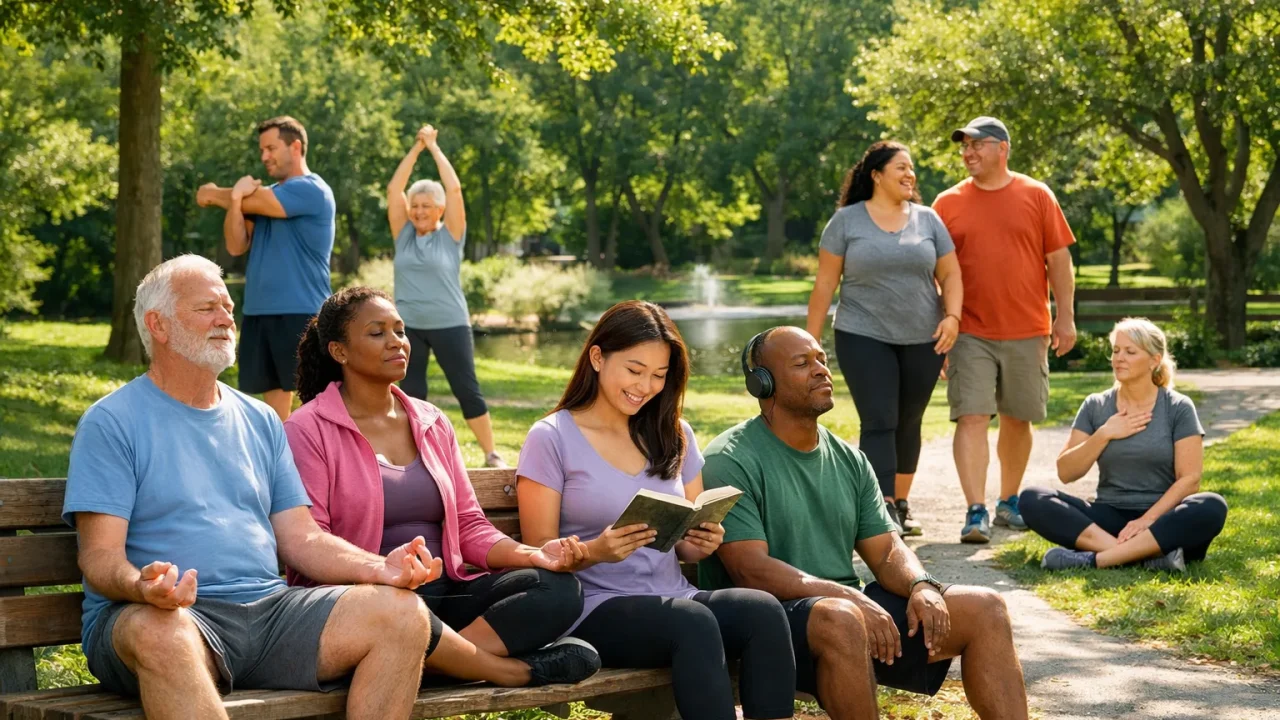
Regular physical activity is one of the most effective natural ways to manage stress anxiety US adults face. Exercise helps lower stress hormones, releases endorphins (your body’s natural mood boosters), and improves sleep quality. You don’t need a gym membership or hours of free time—simple movement counts.
Consider these practical options:
- Walking: A brisk 10–20 minute walk can clear your mind and reduce tension. Try walking during lunch breaks, after dinner, or while listening to music or a podcast.
- Stretching: Gentle stretches during TV breaks or between work tasks can relieve muscle tension and help you reset.
- Household Chores: Activities like gardening, vacuuming, or washing the car get you moving and provide a sense of accomplishment.
- Group Activities: Join a recreational sports league, dance class, or hiking group to combine movement with social connection.
If you’re new to exercise, start slow and set realistic goals. Even a few minutes of movement each day can make a difference. Listen to your body and choose activities you enjoy to boost motivation.
Mindfulness and Meditation Techniques
Mindfulness is the practice of paying attention to the present moment without judgment. It can help you break the cycle of worry and rumination that often fuels anxiety. Meditation, deep breathing, and guided imagery are all mindfulness-based techniques with proven benefits for stress reduction.
Here’s how to incorporate mindfulness into your routine:
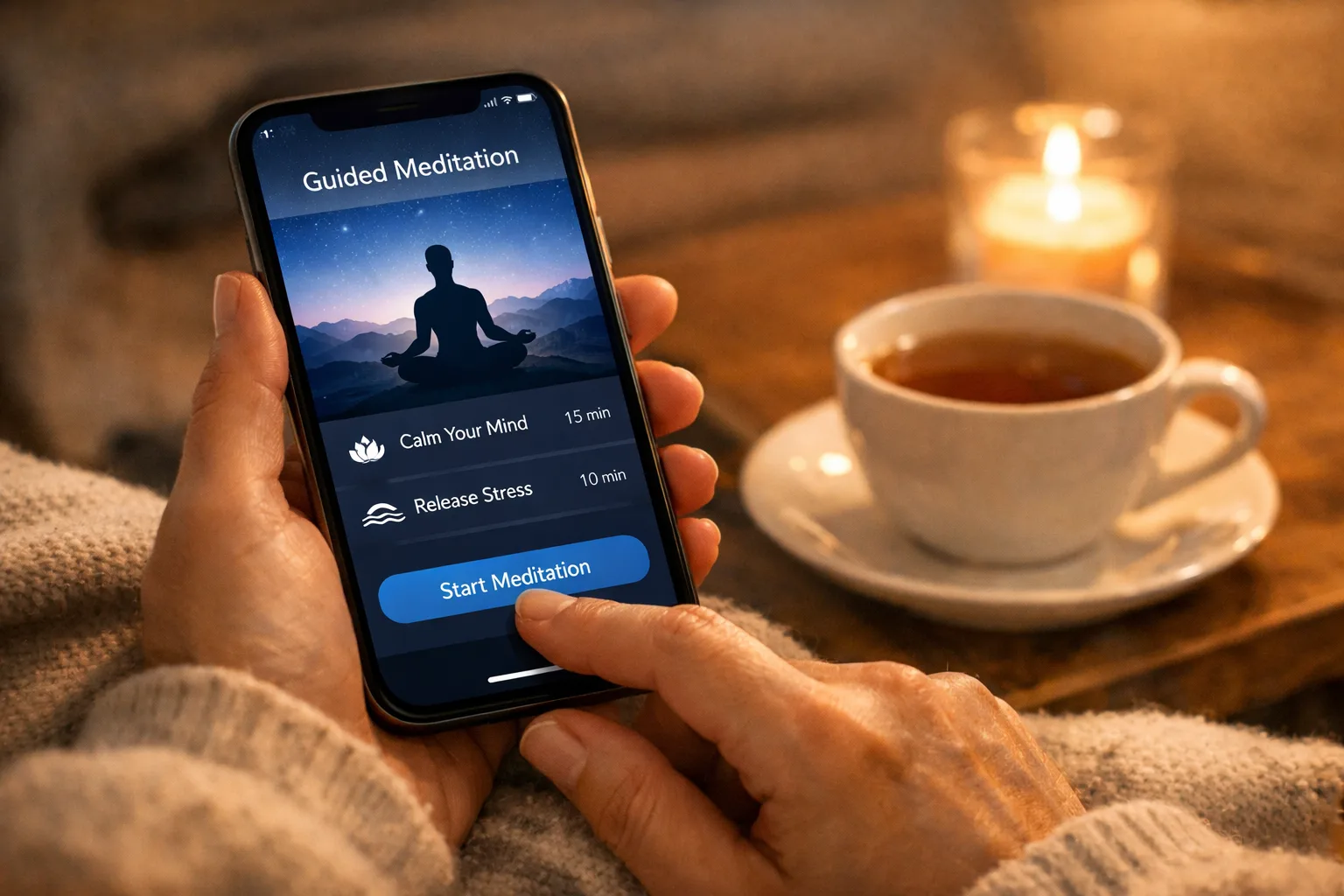
- Guided Meditation: Use an app or online video for short, structured sessions. Even five minutes a day can help calm your mind.
- Breath Awareness: Focus on your breath for a few minutes, noticing the sensation of air moving in and out. If your mind wanders, gently bring it back to your breath.
- Body Scan: Lie down or sit comfortably and mentally scan your body from head to toe, noticing areas of tension and releasing them as you exhale.
- Mindful Activities: Bring mindfulness to everyday tasks like washing dishes, eating, or walking by focusing fully on the sensations and experience.
Mindfulness is a skill that improves with practice. Be patient with yourself and start with short sessions. Over time, you may notice greater calm, focus, and resilience in the face of stress.
The Role of Sleep in Managing Anxiety
Sleep and stress are closely connected. Poor sleep can make anxiety worse, while chronic stress can disrupt your ability to fall or stay asleep. Prioritizing good sleep hygiene is a foundational step in managing stress anxiety US adults often experience.
Tips for better sleep include:
- Set a Consistent Schedule: Go to bed and wake up at the same time every day, even on weekends.
- Limit Screen Time: Avoid phones, tablets, and computers at least 30–60 minutes before bed. The blue light can interfere with your body’s natural sleep-wake cycle.
- Create a Relaxing Routine: Develop a pre-bed ritual, such as reading, listening to calming music, or gentle stretching.
- Optimize Your Environment: Keep your bedroom cool, dark, and quiet. Use blackout curtains or a white noise machine if needed.
- Limit Caffeine and Alcohol: Both can disrupt sleep quality, especially if consumed late in the day.
If you struggle with insomnia or frequent night waking, try keeping a sleep diary to identify patterns. If sleep problems persist, consider consulting a healthcare provider for additional support.
Nutrition and Hydration for Mental Health
Your diet plays a significant role in how you feel physically and emotionally. Eating a variety of nutrient-dense foods supports brain health and helps regulate mood. Here are some nutrition tips to help manage stress anxiety US adults face:
- Eat Regular Meals: Skipping meals can lead to blood sugar crashes, which may worsen irritability and anxiety.
- Focus on Whole Foods: Choose vegetables, fruits, whole grains, lean proteins (like chicken, fish, beans), and healthy fats (such as nuts, seeds, and olive oil).
- Stay Hydrated: Even mild dehydration can increase fatigue and affect concentration. Aim for several glasses of water throughout the day.
- Limit Caffeine and Sugar: Both can cause energy spikes and crashes, potentially increasing anxiety symptoms.
- Plan Ahead: Prepare healthy snacks and meals in advance to avoid reaching for processed or sugary foods when stressed.
Remember, you don’t need to follow a perfect diet. Small, sustainable changes—like adding an extra serving of vegetables or swapping soda for water—can have a positive impact over time.

Setting Boundaries and Saying No
Many US adults struggle with overcommitment, often saying yes to requests out of obligation or fear of disappointing others. However, taking on too much is a common source of stress and burnout. Learning to set healthy boundaries is a crucial skill for managing stress anxiety US adults encounter.
Here’s how to start:
- Clarify Your Priorities: Identify what’s most important to you—whether it’s family time, self-care, or work projects. Use these priorities to guide your decisions.
- Practice Assertive Communication: Politely but firmly decline requests that don’t align with your needs or capacity. Phrases like, “I appreciate the offer, but I can’t take that on right now,” or “Let me check my schedule and get back to you,” can help.
- Schedule Downtime: Block off time in your calendar for rest, hobbies, or relaxation. Treat these appointments as non-negotiable.
- Anticipate Pushback: Some people may resist your boundaries at first. Stay consistent and remember that protecting your well-being is not selfish.
Setting boundaries takes practice, but it gets easier over time. The more you honor your limits, the more energy and patience you’ll have for the things that truly matter.
Social Support and Connection
Humans are wired for connection, and strong social support is one of the best buffers against stress. Whether it’s family, friends, coworkers, or community groups, having people you can turn to makes a real difference in your ability to manage stress anxiety US adults face.
Ways to strengthen your support network:
- Reach Out Regularly: Schedule regular check-ins with loved ones, even if it’s just a quick text or phone call.
- Join a Group: Consider joining a club, sports team, volunteer organization, or online community that shares your interests.
- Ask for Help: Don’t hesitate to let others know when you need support—whether it’s help with childcare, a listening ear, or advice.
- Offer Support: Helping others can also boost your own sense of purpose and connection.
If in-person contact is difficult, explore virtual meetups or online forums. Remember, quality matters more than quantity—one or two close relationships can be more valuable than a large social circle.
Limiting News and Digital Overload
Constant news updates, social media notifications, and digital distractions can fuel anxiety and make it harder to relax. Many US adults find that limiting screen time is a powerful way to manage stress anxiety US adults experience in today’s connected world.
Strategies for reducing digital overload:
- Set Boundaries: Designate specific times to check news or social media, rather than scrolling throughout the day.
- Curate Your Feeds: Unfollow accounts or mute notifications that increase stress or negativity.
- Take Digital Breaks: Try a “digital detox” for a few hours or a full day each week. Use the time for offline activities like reading, walking, or connecting with others.
- Limit News Consumption: Choose one or two reliable sources and avoid sensational headlines or doomscrolling, especially before bed.
Notice how you feel after unplugging. Many people report improved mood, better sleep, and greater focus when they reduce digital clutter.
Breathing Exercises and Relaxation Techniques
Simple relaxation techniques can help you reset your nervous system and reduce stress in minutes. Breathing exercises, progressive muscle relaxation, and gentle yoga are accessible tools you can use anytime, anywhere.
Try these techniques:
- 4-7-8 Breathing: Inhale through your nose for 4 seconds, hold your breath for 7 seconds, and exhale slowly through your mouth for 8 seconds. Repeat several times.
- Progressive Muscle Relaxation: Starting at your toes, tense each muscle group for a few seconds, then release. Move up your body, focusing on the sensation of relaxation.
- Visualization: Close your eyes and imagine a peaceful place, such as a beach or forest. Engage all your senses—what do you see, hear, smell, and feel?
- Gentle Yoga or Stretching: Follow a short online video or app for guided movement and relaxation.
Incorporate these exercises into your daily routine, or use them as needed when you notice tension building. Over time, you’ll develop a toolkit of strategies to draw on whenever stress arises.
Common Mistakes and How to Avoid Them
- Trying Too Much at Once: Focus on one or two new habits at a time. Overloading yourself can lead to frustration and burnout.
- Ignoring Your Limits: Listen to your body and mind. Rest and downtime are essential parts of stress management.
- Comparing Yourself to Others: Everyone’s stress response is different. Avoid measuring your progress against others—focus on what works for you.
- Skipping the Basics: Don’t underestimate the impact of sleep, movement, and nutrition. These foundational habits support all other strategies.
- Expecting Instant Results: Managing stress anxiety US adults face is a process. Be patient and give yourself time to adjust to new routines.
- Neglecting Professional Help: If self-care isn’t enough, don’t hesitate to seek support from a mental health professional.
Frequently Asked Questions
Can I really manage stress and anxiety without medication?
Many US adults successfully manage mild to moderate stress and anxiety with lifestyle changes, coping skills, and support. However, medication may be necessary for some people, especially if symptoms are severe or persistent. Always consult a healthcare provider if you’re unsure.
How long does it take to see results from these strategies?
Some techniques, like deep breathing or a short walk, can provide immediate relief. Others, such as improving sleep or building social support, may take weeks to show noticeable benefits. Consistency is key—stick with new habits for at least a few weeks before evaluating their impact.
What if I don’t have much free time?
Many strategies can be integrated into your existing routine. For example, practice mindfulness while commuting, stretch during TV breaks, or connect with a friend during a lunch break. Small changes can add up, even in a busy schedule.
Are there any risks to natural stress management techniques?
Most lifestyle and behavioral strategies are safe for most people. However, if you have a medical condition or physical limitations, check with your healthcare provider before starting a new exercise or relaxation routine.
Conclusion: Choosing What Works for You
Managing stress and anxiety as a US adult without medication is not only possible—it’s achievable with the right mix of lifestyle changes, coping skills, and support. The journey to manage stress anxiety US adults face is personal and may require some trial and error. Experiment with different strategies, be patient with yourself, and celebrate small victories along the way. Remember, it’s normal to need help sometimes. If your symptoms persist or worsen, reach out to a healthcare provider for additional support. Your mental health matters—start with what feels manageable today, and build from there. With time and intention, you can create a more balanced, resilient, and fulfilling life.