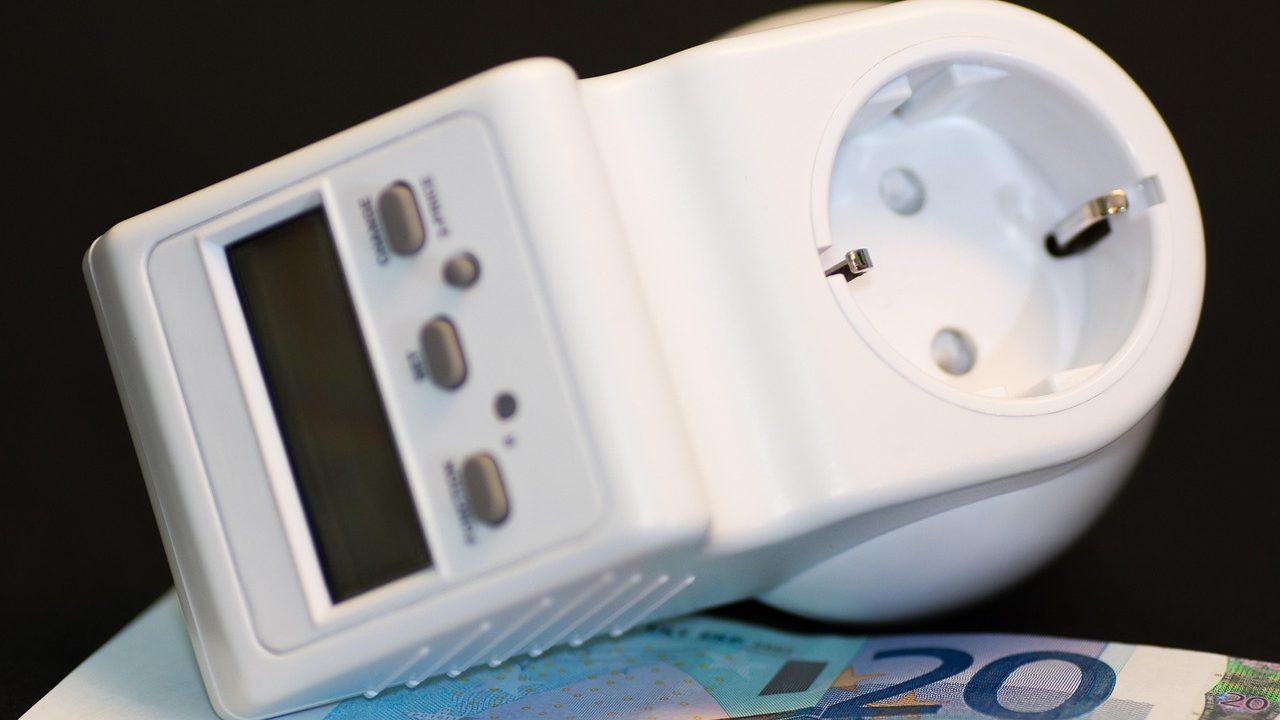
When you initiate a municipal electric utility power factor penalty audit US business owners and facility managers can uncover hidden savings, as opening your monthly municipal electric bill can sometimes bring an unpleasant surprise. Buried beneath standard kilowatt-hour charges, you might find an unfamiliar line item labeled as a reactive power charge, reactive demand, or power factor adjustment. When utilities supply electricity, they deliver both working power that actually turns motors and lights, and reactive power that creates the electromagnetic fields required to run inductive equipment. When your facility draws too much reactive power, your overall efficiency drops, triggering financial penalties from your municipal electric utility.
Executing a municipal electric utility power factor penalty audit US property owners can rely on requires a systematic approach to reading your utility statements, evaluating your on-site equipment, and understanding how your local utility calculates penalties. Whether you are dealing with a sudden surge in billing fees or trying to optimize a facility with heavy motor loads, this guide walks you through the exact technical steps needed to diagnose the issue, correct your electrical profile, and dispute incorrect utility charges.
Understanding Power Factor Basics on Utility Bills
To audit your utility statements effectively, you first need to grasp the underlying electrical math. In any alternating current (AC) circuit, power is divided into three distinct components: real power measured in kilowatts (kW), reactive power measured in kilovolt-amperes reactive (kVAR), and apparent power measured in kilovolt-amperes (kVA). Real power does the actual work on your equipment. Reactive power, on the other hand, maintains the voltage and supports the magnetic fields in equipment like air compressors, HVAC chillers, elevators, and fluorescent lighting ballasts.
Power factor is the ratio of real power (kW) to apparent power (kVA), expressed as a percentage or decimal between 0 and 1. If your power factor is 1.0 (or 100%), all the power supplied by the utility is being converted into useful work. However, heavy inductive loads push this ratio down. If your power factor drops below the utility threshold—typically set between 85% and 95% depending on your specific municipal rate schedule—the utility bills you a penalty because they must supply extra current through their transformers and distribution lines to support your unmanaged reactive demand.
Understanding this relationship is crucial because utilities do not penalize you for using energy; they penalize you for inefficiency. In a system with a low power factor, more current must flow through the distribution system to deliver the same amount of real work. This requires thicker wires, larger transformers, and causes higher resistive heating losses across the utility grid. Passing these operational costs onto consumers via power factor penalties is standard practice for municipal utilities trying to maintain grid stability.
Identifying Surcharges on Your Monthly Utility Statement
The first practical step in your audit is reviewing past utility bills for hidden penalty structures. Many municipal utilities do not make power factor adjustments obvious. They may hide the charge inside a complex demand billing formula or list it under miscellaneous riders.
Look closely at your bill for terms like kVARh (kilovolt-ampere reactive hours), reactive demand billing, or power factor penalty factor. Review at least twelve months of billing history to see if the penalties are seasonal. For example, if your penalties spike during summer months, your facility’s HVAC compressors are likely the primary driver of the low power factor. Note the exact billing multiplier the utility uses. Some utilities charge a flat percentage increase on your total bill for every hundredth your power factor falls below their baseline, while others bill directly for peak reactive demand.
It is also helpful to create a simple spreadsheet tracking your monthly kWh consumption, peak kW demand, reactive demand (kVAR), and the resulting power factor alongside the penalty fees charged. This historical baseline allows you to spot anomalies immediately and gives you clear data points when you eventually discuss billing discrepancies with utility representatives.
Reading and Interpreting Smart Meter Data Logs
Modern smart meters installed by municipal utilities record vast amounts of interval data that go far beyond what is printed on your paper or PDF statement. To perform a thorough audit, you need access to this raw interval data, which you can typically request directly from your municipal utility customer service department or download through their online portal.
Request 15-minute or hourly interval data for both kilowatt-hours (kWh) and reactive power (kVARh) for your peak operating days. Plotting this data helps you identify exactly when your power factor dips. If your power factor plummets only during specific shift changes, startup sequences, or heavy production hours, you can isolate the specific machinery causing the inefficiency. Compare the utility’s recorded peak demand against your own sub-metering data if you have installed temporary power loggers on your main distribution panels.
Analyzing interval logs often reveals hidden operational patterns. For instance, you might discover that your facility maintains an acceptable 92% power factor during normal operations, but every morning when three large air compressors kick on simultaneously, the power factor crashes to 70% for a brief window. Because many utilities calculate penalties based on peak reactive demand during the billing cycle, that single daily spike can inflate your utility bill for the entire month.
Common Causes of Low Power Factor in Buildings
Before you can fix a low power factor, you must locate the equipment responsible for it. Inductive loads are the universal culprit. Any device that uses copper windings and creates a magnetic field contributes to reactive power demand.
Common commercial and heavy-draw residential culprits include:
- Central HVAC chillers, large rooftop units, and commercial refrigeration compressors.
- Industrial or workshop machinery such as table saws, lathe motors, and hydraulic presses.
- Elevator hoisting motors and sump pumps running frequently.
- Commercial lighting systems operating with older magnetic ballasts rather than electronic ones.
- Under-loaded electric motors running below 50% capacity for extended periods, which naturally exhibit very poor power factor characteristics.
Recognizing these equipment profiles allows maintenance teams to target specific machinery for upgrades, replacements, or local compensation units. For example, replacing old magnetic lighting ballasts with modern electronic alternatives not only reduces real energy consumption but often eliminates a subtle, persistent drain on power factor efficiency.
Calculating Potential Financial Recovery
Once you have gathered your billing data and identified your baseline power factor, you need to calculate whether investing in correction equipment makes financial sense. Multiply the total penalties paid over the past year by the projected lifespan of correction hardware to see your potential savings.
For example, if your municipal utility assesses a $300 monthly penalty for maintaining an 82% power factor against a required 90% threshold, you are losing $3,600 annually. Over a five-year period, that amounts to $18,000 in pure penalties—money that could easily offset the equipment and installation costs of corrective measures. Keep in mind that improving your power factor also reduces internal wiring losses, lowers transformer operating temperatures, and occasionally frees up electrical capacity on your existing service panels.
When building your financial justification, remember to factor in potential tax incentives, local energy efficiency grants, or utility rebate programs that target power quality improvements. Many municipal utilities offer financial incentives for commercial customers who voluntarily install power factor correction equipment because it reduces strain on their community distribution grids.
Installing Power Factor Correction Capacitor Banks
The standard technical remedy for a low power factor is the installation of static capacitors or automatic power factor correction (APFC) capacitor banks. Capacitors generate leading reactive power, which directly offsets the lagging reactive power consumed by inductive loads like motors and transformers.
For smaller facilities or specific heavy equipment, fixed capacitors can be wired directly across the motor terminals so they switch on and off simultaneously with the machine. For larger commercial properties with fluctuating loads, an automatic capacitor bank is installed near the main service entrance. This system continuously monitors the facility’s power factor via current transformers and automatically switches individual capacitor steps in and out of the circuit to maintain a steady 95% to 98% power factor.
Selecting the right size capacitor bank requires careful engineering calculations. Installing an undersized bank will leave you paying partial penalties, while installing an oversized bank can push your system into leading power factor territory, which may trigger different penalties or cause voltage regulation issues across your internal circuits.
Working with Licensed Electricians for Hardware Integration
Never attempt to install high-voltage capacitor banks or modify main service entrance panels yourself. Electrical work at this scale involves severe arc-flash hazards, complex safety interlocks, and strict adherence to the National Electrical Code (NEC) as well as local municipal utility service requirements.
Hire a licensed commercial electrical contractor experienced in power quality assessments. Ensure the electrician performs a harmonic analysis before installing standard capacitors. If your facility runs significant non-linear loads—such as variable frequency drives (VFDs), LED lighting arrays, or computer server power supplies—standard capacitors can resonate with harmonic currents, leading to overheating, blown fuses, or catastrophic equipment failure. In such environments, you may need detuned reactor-backed capacitor filters.
Collaborating with qualified professionals also ensures that your installation complies with local building permits and utility interconnection rules. An improper installation can result in failed inspections, utility service disconnections, or liability issues in the event of an electrical accident.
Reviewing Municipal Utility Tariffs and Service Rules
Every municipal electric utility operates under a specific set of tariffs, service rules, and rate schedules filed with local governing boards or city councils. Before filing a dispute or requesting a billing adjustment, you must read the exact wording of your specific rate classification.
Pay close attention to how the utility defines power factor measurement intervals. Some utilities calculate power factor on an instantaneous peak basis, while others average it over the entire monthly billing period. Check whether the utility provides a grace period for new equipment installations or offers incentive riders for customers who voluntarily upgrade their power factor above baseline requirements. Knowing these rules ensures your audit arguments are anchored in the utility’s own published regulations.
It is also wise to check whether your utility offers riders for off-peak industrial operations or seasonal rate adjustments. Municipalities frequently update their rate schedules, so verifying the current tariff edition ensures your calculations reflect active billing rules rather than outdated rate structures.
Step-by-Step Guide to Filing a Utility Billing Dispute Appeal
If your audit reveals calculation errors, unverified meter readings, or penalties assessed due to utility-side equipment faults, you have the right to file a formal billing dispute. Follow a structured process to ensure your appeal is taken seriously by utility management.
- Compile Your Documentation: Gather 12 to 24 months of utility bills, interval data exports, equipment inventory lists, and professional electrical audit reports.
- Draft a Formal Dispute Letter: Write a concise, factual letter addressed to the utility’s customer service supervisor or billing department manager, clearly stating the account number and the specific months in question.
- Highlight Discrepancies: Point out exact mathematical errors, meter calibration anomalies, or instances where your internal sub-metering contradicts the municipal meter data.
- Submit Supporting Evidence: Attach copies of your electrical contractor’s test reports, power quality logs, and receipts for any recently installed correction equipment.
- Request a Meter Test: Formally request that the utility inspect and test the accuracy of your electric and reactive power meters on-site.
- Escalate if Necessary: If the local municipal utility denies your claim unfairly, escalate the dispute to the municipal board, city council utility committee, or state public utility commission if the municipality falls under their regulatory oversight.
Maintaining a polite, professional, and evidence-driven tone throughout the appeal process is essential. Municipal utility representatives deal with many frustrated customers daily; presenting a clear, technically sound audit package makes it much easier for them to justify issuing a credit or refund for erroneous penalty charges.
Common Mistakes to Avoid During Your Audit
Property owners embarking on a utility audit often make preventable errors that derail their efforts. Avoid these common pitfalls to ensure a smooth resolution:
- Ignoring Harmonics: Installing basic capacitors without checking for electrical harmonics can damage sensitive electronics and void equipment warranties.
- Over-Correcting: Pushing your power factor past 1.0 into leading territory can cause voltage spikes and trigger entirely different penalties from the utility.
- Failing to Re-Audit: Never assume the problem is solved once equipment is installed; continue tracking your bills monthly to verify that the penalties have actually disappeared.
- Overlooking Administrative Deadlines: Most utilities enforce strict time limits—often between 60 to 90 days from the billing date—for filing formal billing disputes.
By keeping these potential stumbling blocks in mind, you can navigate your audit efficiently, protect your capital investments, and ensure your facility achieves lasting electrical efficiency.
Maintaining Optimal Power Factor Long-Term
Conducting an audit and installing hardware is only half the battle. Long-term vigilance is required to keep your electrical profile optimized. Schedule semi-annual maintenance checks with your electrical contractor to inspect capacitor contactors, verify controller settings, and test capacitor cell degradation.
As facility equipment ages or new machinery is added, your reactive power draw will shift. By treating power factor management as an ongoing utility maintenance task rather than a one-time fix, you protect your operating budget from unexpected municipal penalties and ensure your electrical infrastructure operates at peak efficiency year after year.