Few architectural features evoke as much timeless charm—and modern frustration—as an interior pocket door. When sliding smoothly, these space-saving marvels disappear cleanly into the wall cavity, making them ideal for tight bathrooms, pantries, and home offices. However, when an older pocket door starts binding, jumping off its track, or scraping against the jamb, it quickly transforms from a clever design choice into a daily annoyance.
When faced with a malfunctioning sliding door, homeowners must evaluate pocket door repair vs replacement cost before picking up a screwdriver or hiring a contractor. The fundamental choice boils down to a minor surface-level hardware intervention versus a major structural renovation. A simple repair usually targets the accessible overhead track, rollers, and guides without disturbing the surrounding walls. In contrast, a full replacement involves tearing out drywall, extracting the old pocket door cassette frame, and rebuilding the wall assembly from the studs outward.
Understanding the financial and labor realities of both paths ensures you do not spend money on superficial fixes for a structurally failing frame, nor do you demolish a wall when all you needed was a pair of five-dollar rollers.
Anatomy of a Pocket Door Assembly
To evaluate repair versus replacement accurately, it helps to understand how a pocket door is constructed. Unlike a standard swinging door that hangs from side hinges, a pocket door hangs entirely from an overhead aluminum or steel track installed in the header above the door opening. Two small roller carriages, or trucks, mount to the top edge of the door leaf and ride inside this concealed track.
At the bottom, small floor guides or clearance guides keep the door swinging side-to-side as it moves, preventing it from slapping against the interior wall studs. The entire mechanism—including the vertical studs, split jambs, and header—is usually enclosed within a wooden or metal pocket frame, often wrapped in drywall on both sides.
Because the core mechanism is largely hidden, diagnosing the root cause of a failure is the first step in cost-benefit analysis. Many homeowners assume that a stuck door means the internal frame has warped, when in reality, the issue is often isolated to worn bearings in the roller wheels or a buildup of dust and paint inside the overhead track.
Furthermore, pocket door hardware is rated for specific weight capacities. Older homes frequently feature solid wood doors—such as oak, pine, or heavy hollow-core doors wrapped in dense veneers—that weigh significantly more than modern molded composite doors. Over decades of use, heavy door slabs place immense strain on the overhead roller carriages, causing the bearings to flatten, seize, or crack. Recognizing the interplay between the weight of the door slab and the load capacity of the hardware is vital before deciding whether a simple component swap will permanently solve the problem.
The True Scope of Pocket Door Repairs
Repairing a pocket door typically involves servicing the existing hardware without cutting into the finished drywall. This category includes adjusting roller height, lubricating or replacing the track, installing new roller carriages, and realigning bottom guides.
The primary advantage of repair is minimal disruption. Because modern pocket doors almost always feature slotted adjustment nuts on the hangers, you can often lift the door slightly with a specialized offset wrench to clear a scraping floor. If the rollers are flat-spotted or seized, you can unscrew them from the top of the door—provided there is enough clearance beneath the head jamb—and slide them out of the track for replacement.
When performing maintenance on an older track, thorough cleaning is often half the battle. Decades of accumulated household dust, pet hair, paint overspray, and dried lubrication can form a gummy residue inside the aluminum channel. Scraping out this debris using a slim tool wrapped in a cloth dampened with mineral spirits, followed by applying a dry silicone or PTFE-based lubricant, can instantly restore effortless operation.
However, repairs have limitations. If the overhead track has sagged due to structural settling in the framing above, or if the track itself is warped and bent beyond straightening, no amount of roller adjustment will restore smooth movement. Similarly, if the split studs inside the wall have bowed inward, the door will constantly rub against the drywall pocket as it slides.
The Reality of Complete Replacement
When hardware adjustments fail, or when the wooden cassette frame inside the wall has rotted, cracked, or collapsed, you are looking at a full replacement. This is not simply a matter of swapping out a door slab; it requires a deep surgical intervention into the wall itself.
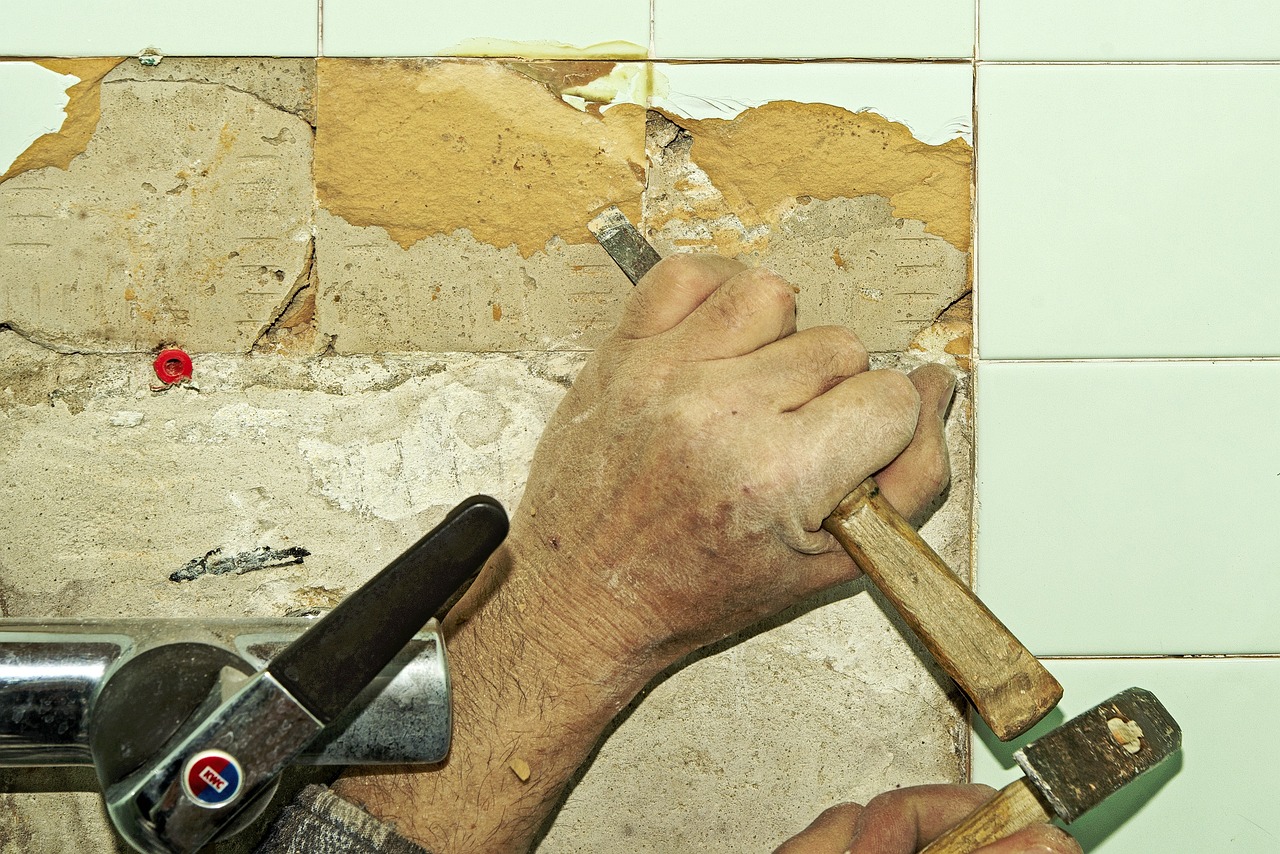
Replacing a sliding pocket door frame means removing the baseboards, casing, and drywall on at least one side of the wall—and frequently both sides to properly anchor the new split-stud frame. The old wooden or metal cassette must be unfastened from the header and floor plates, extracted in pieces through the opening, and replaced with a modern pre-assembled pocket door frame kit.
Once the new frame is squared, plumbed, and secured to the rough opening, the drywall must be patched, taped, mudded, sanded, and painted. Finally, all the interior trimwork must be reinstalled and finished. This transforms a simple hardware fix into a multi-trade remodeling project involving carpentry, drywall hanging, taping, and painting.
In older homes, full replacements often uncover hidden complications. Plaster walls, which are common in houses built before the 1960s, do not patch as easily as standard gypsum drywall. Cutting into a lath-and-plaster wall to replace a pocket door cassette generates an immense amount of heavy dust and requires specialized backing or framing adaptations to marry the new drywall sections to the surrounding historic wall plane.
Comparing Direct and Indirect Costs
When tallying the cost to fix a sticking pocket door versus installing a completely new frame, you must look beyond material sticker prices. The financial equation is heavily weighted by labor and finishing expenses.
A DIY hardware repair usually costs between twenty and one hundred dollars in parts, such as replacement roller kits, new floor guides, and track cleaning supplies. If you hire a handyman for a couple of hours, labor will likely run a few hundred dollars, keeping the total investment relatively low.
Conversely, a professional pocket door frame replacement involves significant labor overhead. Because the job touches multiple trades—demolition, framing, drywall, and finish carpentry—it routinely spans two to three days of labor. When you factor in professional demolition, framing adjustments, drywall hanging and finishing, and paint matching, the total cost can easily climb into the thousands of dollars.
Furthermore, indirect costs such as dust containment, temporary living displacement if the door is in a primary bathroom or kitchen, and professional waste disposal add to the bottom line of a full structural replacement. Homeowners must also account for potential collateral damage: removing old casing and baseboards without splitting the historic millwork is notoriously difficult, meaning you may need to budget for custom replacement trim to match the rest of the room.
Common Failure Points: Repairable vs. Fatal
Not all pocket door failures are created equal. Recognizing specific symptoms can help you determine whether your door is a candidate for a straightforward repair or requires a total overhaul.
- Sticking or Grinding: Usually caused by dirt in the track or worn roller bearings. This is almost always repairable without wall demolition.
- Door Tilting or Jamming: Frequently caused by a loose mounting plate on top of the door or a single failed roller. Repairable by accessing the top hangers.
- Rubbing Against Wall Cavity: If the door scrapes the interior studs as it slides, the wall framing may have warped or shifted. This often requires partial drywall removal to brace or shim the pocket studs.
- Sagging Header: If the structural header above the door has deflected due to water damage or overloaded joists, the track will bow downward, pinching the door. This is a structural failure requiring carpentry intervention.
- Delaminated or Swollen Door Slab: Solid wood or hollow-core doors exposed to high humidity can swell, causing them to bind in the opening. Replacing the door slab is relatively easy, but if it is trapped inside a collapsed pocket, wall access is required.
Special Considerations for Historic and Older Homes
Older houses present unique challenges when evaluating pocket door repair versus replacement. In many turn-of-the-century and mid-century modern homes, pocket doors were built with heavy-duty framing lumber and robust brass or cast-iron hardware that outlasts modern mass-produced equivalents. In these instances, preserving the original hardware by sourcing vintage-compatible replacement rollers or having custom brackets machined is often vastly superior to ripping out the wall.
However, older homes are also prone to structural settling. Over decades, foundation shifts can distort the rough opening, putting uneven pressure on the top header track. If a historic home has experienced significant settling, a simple hardware swap will only mask the symptom. An inspection of the basement or crawlspace directly beneath the pocket door wall is often warranted to ensure that floor joists and load-bearing posts are stable and capable of supporting the rigid alignment required by a sliding door system.
Step-by-Step Decision Matrix
To help you decide which path to take, walk through this systematic evaluation process before calling a contractor or cutting into your walls:
- Check Track Access: Examine the top of the door when fully open. Can you reach the mounting hardware with a wrench or screwdriver? If yes, start with a hardware inspection.
- Inspect the Track for Straightness: Shine a flashlight down the track. Is the metal track straight and securely fastened to the header, or is it pulled down and warped?
- Test Wall Rigidity: Push gently against the drywall covering the pocket. Does the wall flex inward significantly when pressed? Excessive flex indicates weak or damaged internal split studs.
- Evaluate the Surrounding Finishes: Are the surrounding walls standard drywall, or do they feature intricate custom millwork, tile, or wallpaper that would be expensive to match and repair if disturbed?
- Assess Usage Frequency: Is this a door used ten times a day (like a primary ensuite bathroom), or once a season (like a formal dining room)? High-traffic doors justify more robust, permanent solutions.

Evaluating the DIY Feasibility
Many minor pocket door issues fall well within the skill set of a confident DIYer. Adjusting roller heights, lubricating tracks with dry silicone spray, and replacing standard hanging hardware require basic hand tools and patience.
However, replacing a pocket door frame is rarely a beginner-friendly project. It requires precise framing skills to ensure the new cassette is perfectly plumb; otherwise, the door will constantly roll open or shut on its own due to gravity. It also demands expert drywall finishing skills to ensure the patch work remains invisible under interior paint and raking light.
If you lack experience with structural framing or drywall taping, attempting a full cassette replacement yourself can lead to crooked doors, bulging walls, and costly corrective labor down the road.
Long-Term Durability and Maintenance
Choosing between a quick hardware repair and a complete structural replacement also impacts the future reliability of the opening. When you install high-quality, ball-bearing roller carriages and clean out an old track, you can often restore factory-smooth operation that lasts for years.
However, if the underlying framing is compromised by moisture or settling, patching the hardware is merely a temporary band-aid. Investing in a modern steel-wrapped pocket door cassette frame provides long-term structural stability, eliminating the wood-warping issues common in mid-century and older homes.
To maximize the lifespan of any pocket door—repaired or replaced—commit to annual maintenance. Vacuum out dust and debris from the overhead track, lubricate the rollers with a non-tacky dry lubricant (avoiding heavy grease that attracts dust and pet hair), and periodically check the top mounting nuts to ensure they haven’t vibrated loose.
Frequently Asked Questions
Can you replace a pocket door without removing the wall?
Yes, but only if you are replacing the door slab itself or servicing the overhead hardware. If the internal frame, track, or split studs are damaged or warped, tearing into the drywall is unavoidable.
How long do pocket door rollers typically last?
High-quality steel or nylon ball-bearing rollers can easily last 15 to 25 years with proper maintenance. Cheap plastic rollers in high-traffic areas may fail within 5 to 10 years.
What causes a pocket door to jump off its track repeatedly?
This is usually caused by worn roller bearings, a bent track, or missing bottom floor guides that allow the door to swing too far side-to-side, lifting the hangers out of the track channel.
Conclusion
Evaluating pocket door repair vs replacement cost ultimately hinges on diagnosing whether your problem lives in the accessible hardware or the hidden framing. If your door merely sticks, scrapes, or bumps due to tired rollers or a misaligned track, investing in a low-cost hardware repair is the smartest financial move. It saves you from thousands of dollars in drywall demolition, framing labor, and painting expenses.
Conversely, if structural settling, rotting wood framing, or a collapsed cassette has permanently compromised the wall cavity, biting the bullet and executing a complete replacement is the only durable solution. By assessing the true scope of the damage before reaching for a drywall saw, you can balance short-term savings with long-term structural reliability.