For urban renters and small-space dwellers, managing laundry without in-unit hookups usually comes down to two choices: visiting a shared building laundry room, a local laundromat, or investing in a compact appliance. When evaluating portable washing machine cycle performance, shoppers must weigh the convenience of doing laundry at home against the mechanical limits of smaller motors, lighter tubs, and temporary plumbing connections. While a compact washer can easily handle daily apparel, lightweight linens, and delicate garments, it operates under entirely different physical constraints than a standard-sized laundry center or top-loading agitator machine.
Understanding how these machines actually clean, spin, and connect to your home helps prevent buyer’s remorse. Portable units generally feature smaller drum capacities, lower motor revolutions per minute (RPM) during spin cycles, and simplified mechanical designs. To determine whether a compact machine fits your lifestyle, it helps to break down its performance across four critical operational pillars: agitation mechanics, spin speed moisture extraction, faucet hookup reliability, and overall wash quality compared to full-sized alternatives. Beyond basic operation, considerations such as electrical draw, water temperature management, and routine maintenance dictate how successfully a portable washer integrates into a small urban footprint.
The Anatomy of Compact Washers: Motor Power and Tub Capacity
Standard residential washing machines in the United States typically feature motors ranging from one-third to over one-half horsepower, paired with deep tubs that hold anywhere from 3.5 to 5.0 cubic feet of laundry. In contrast, portable washing machines usually operate with much smaller motors—often between 300 and 800 watts—and feature drums with capacities ranging from 0.9 to 1.8 cubic feet. This fundamental difference in scale dictates every aspect of how the machine handles a load of clothes, from the torque delivered to the drum to the total dry-weight limit allowed per cycle.
Because the tub capacity is restricted, overloading a portable washer is the single most common mistake users make. When a compact drum is packed tightly, water and detergent cannot circulate freely between the garments. Furthermore, the lighter motor lacks the torque required to force a heavily stuffed tub through a robust washing cycle, which can lead to stalling, premature belt wear, or tripped thermal fuses. To achieve acceptable cleaning results, users must run smaller, more frequent loads. A typical portable unit can comfortably wash a few days’ worth of daily wear—roughly six to eight pounds of laundry—but bulky items like queen-size comforters, heavy winter coats, or multiple sets of thick bath towels simply will not fit or clean effectively.
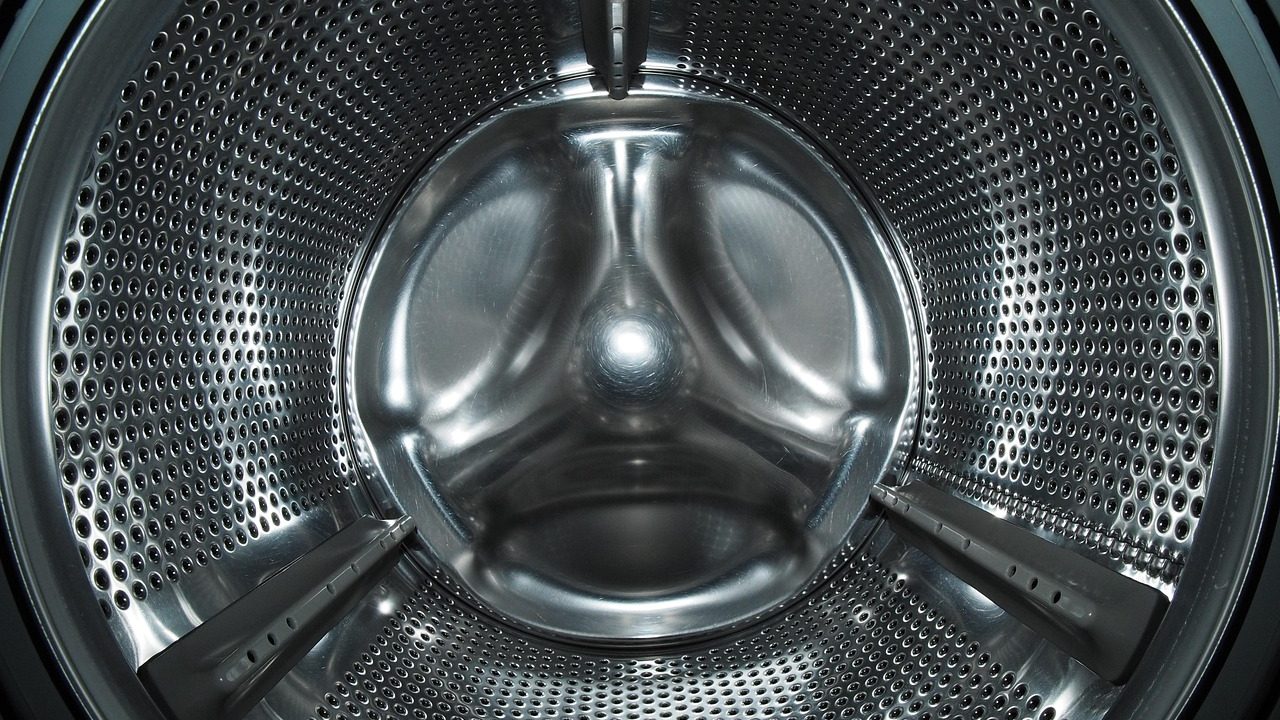
Moreover, the physical geometry of a small drum changes how water distributes over fabrics. In a full-sized machine, tumbling or heavy vertical turnover ensures that every fiber is saturated and rinsed thoroughly. In a compact vertical or twin-tub machine, water relies heavily on continuous circulation. Understanding these limits prevents renters from overloading the unit, which protects the transmission, prevents unbalanced loads, and guarantees that soap is fully washed out of clothing fibers before the spin cycle begins. Additionally, most compact tubs are constructed from durable stainless steel or heavy-duty polypropylene, materials chosen specifically to reduce overall appliance weight while resisting corrosion from frequent detergent exposure.
Agitation Dynamics: Impellers vs. Agitators in Small Spaces
When looking at portable washing machine cycle performance, the method used to move water and clothes through the detergent solution plays a major role in cleaning power. Full-sized top-load washers traditionally rely on a central vertical agitator post, while modern high-efficiency (HE) machines often use low-profile impellers at the bottom of the drum. Portable washers utilize both designs, but impellers are increasingly common due to space savings and reduced wear on fabrics.
A central agitator provides vigorous mechanical friction, which helps scrub ground-in dirt out of sturdy fabrics like denim and canvas. However, it takes up valuable real estate inside a small portable drum, further reducing the usable volume. Impeller plates, on the other hand, create turbulent water currents that gently rub clothes against each other. While this system preserves drum space and treats delicate fabrics with greater care, it may struggle to clean heavily soiled workwear or mud-stained garments without a pre-soak or manual spot-treatment.
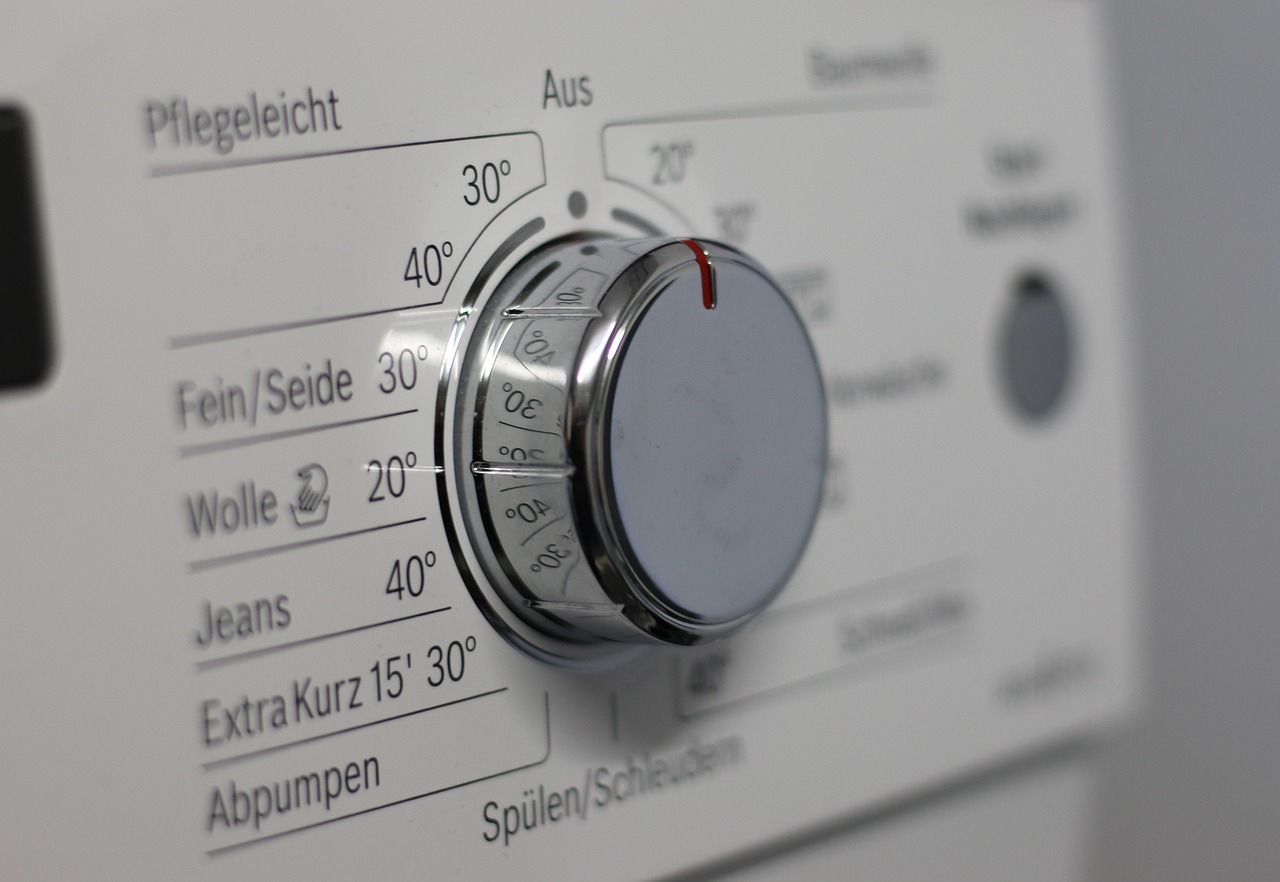
When operating a portable unit, cycle selection matters more than it does with a large commercial machine. Because the mechanical action is inherently milder than a heavy-duty agitator, using warm or hot water settings (when compatible with your sink hookup) and allowing adequate soak time helps compensate for the lower motor torque. Users should also evaluate the wash profile options on the machine’s control panel; many compact units offer selectable intensity levels—such as gentle, normal, and heavy—which alter the pulse rhythm of the motor to provide optimal turnover without stalling the drum. Taking advantage of programmable soak phases can significantly boost stain-removal performance without requiring excessive mechanical friction that might stretch or fray delicate garments.
Spin Speed and Moisture Extraction Realities
One of the most noticeable differences between compact appliances and standard laundry centers is the spin cycle. Standard front-load washers and high-end top-loaders can reach spin speeds anywhere from 800 to 1,400 RPM, generating tremendous centrifugal force that extracts the vast majority of water from fabrics. This leaves clothes damp rather than wet, significantly cutting down on electric dryer time or indoor drying rack duration.
Portable washing machines, by design, spin at much lower speeds—typically ranging from 600 to 900 RPM. Higher RPMs create intense physical vibration and centrifugal imbalance. Because portable washers are lightweight, mounted on small caster wheels, and lack the heavy concrete or cast-iron suspension counterweights found in permanent laundry centers, manufacturers limit motor spin speeds to keep the appliance from literally walking across your bathroom or kitchen floor during a high-speed extraction cycle.
The practical result of lower spin speeds is increased residual moisture in your laundry. When you pull clothes out of a portable washer, they will feel noticeably wetter than laundry coming out of a standard machine. If you hang your clothes on an indoor drying rack, drying times will be longer, and you must ensure your living space has adequate ventilation to prevent humidity buildup and mold growth. If you plan to transfer the load to a portable electric clothes dryer, expect longer drying cycles as the dryer works to evaporate the extra moisture.
To mitigate high moisture retention, many portable washer users adopt a two-stage approach or invest in a standalone centrifugal spin dryer. Standalone spin dryers often reach 1,600 to 3,200 RPM because they lack water-filling mechanisms and have much smaller, highly balanced stainless steel baskets. Transferring a damp load from a portable washer into a standalone spinner for two minutes can dramatically reduce water weight before hanging the garments up to dry. Furthermore, paying attention to how clothes are arranged inside the portable tub prior to spinning can minimize imbalances; distributing garments evenly around the drum reduces violent shaking and allows the machine to achieve its maximum rated RPM safely.
Electrical Efficiency and Water Temperature Realities
Operating a portable washer also involves managing utility inputs that differ from permanent laundry setups. Most compact washers plug directly into a standard 110V-120V household electrical outlet, drawing between 200 and 1,500 watts depending on whether the internal water heater is engaged. Many smaller portable units lack internal water heaters entirely; instead, they rely on external water supplied directly from your sink faucet. This means the temperature of your wash cycle is directly determined by how you position your sink’s faucet handle.
If you want a warm wash cycle, you must adjust your faucet to blend hot and cold water before sending it through the intake hose. Conversely, for cold rinses, you switch the faucet to cold. This manual regulation requires renters to monitor water temperature carefully, particularly during winter months when incoming tap water can be exceptionally cold, which can negatively impact the activation of certain laundry detergents. Planning your wash schedule around household hot water availability ensures that your machine performs effectively without unexpected temperature fluctuations mid-cycle.
Faucet Hookup Reliability and Drainage Mechanics
Unlike standard laundry centers that connect permanently to dedicated hot and cold water supply valves and drain directly into a standpipe in the wall, portable washers rely on temporary utility connections. Most units come with a quick-connect faucet adapter that screws onto a standard kitchen or bathroom sink faucet. A flexible intake hose runs from the faucet adapter to the back of the washer, while a corrugated drain hose simply hangs over the edge of the sink or tub during operation.
This temporary setup introduces unique reliability considerations. Faucet adapters must be threaded carefully to avoid cross-threading and leaks. Water pressure fluctuations in older apartment buildings can occasionally cause the quick-disconnect collar to snap loose if the water pressure spikes during a fill cycle. Users quickly learn to turn on the faucet gradually and stay nearby during the initial fill phase. Ensuring that the aerator threads on your sink match the brass or plastic adapter threads is crucial; standardizing this connection prevents frustrating leaks and water spray across your countertop.
Drainage is entirely gravity-fed or relies on a small internal drain pump, depending on the model. If your sink sits higher than the washer’s drainage port, the internal pump must work harder, which can strain the pump motor over time. Ensuring the drain hose is securely hooked over the sink basin prevents accidental spills during wash and rinse cycles. Renters should also inspect the rubber washers inside quick-connect fittings annually; degraded gaskets are the primary culprit behind minor sink-side leaks during fill phases. Storing the hoses properly without sharp bends also extends their usable lifespan and prevents hairline cracks from forming in the rubber walls.
Comparing Compact Washers to Standard Laundry Centers
To summarize how these appliances stack up side by side, consider the following performance and operational differences across core categories:
- Drum Capacity: Portable units hold 0.9 to 1.8 cubic feet (approx. 6–10 lbs of dry laundry); standard laundry centers hold 3.5 to 5.0+ cubic feet.
- Spin Speed: Portable units average 600–900 RPM with moderate moisture retention; standard units reach 800–1,400+ RPM, resulting in significantly drier laundry.
- Water Connection: Portable units use temporary sink faucet adapters and manual temperature mixing; standard units require permanent plumbing supply lines.
- Mobility: Portable units feature caster wheels and lightweight frames for storage in a closet; standard units are stationary built-in appliances.
- Installation & Power: Portable units require no special electrical or plumbing modifications (standard 110V outlet); standard units often require 240V power or dedicated plumbing lines.

Common Mistakes and Best Practices for Portable Laundry
Maximizing the lifespan and cleaning efficiency of a portable washing machine requires adjusting your laundry habits. Avoid the temptation to force extra clothes into the tub; overloading not only leaves clothes with residual soap and dirt, but it also places undue stress on the plastic drive gears and motor bearings. Treat your compact washer as a specialized appliance designed for frequent, smaller loads rather than a repository for an entire week’s worth of clothing.
Always use high-efficiency (HE) low-sudsing detergent. Because portable tubs use minimal water volumes during wash and rinse cycles, regular detergents create an excess of soap suds that the machine cannot rinse away effectively. Residual detergent leaves clothes stiff and can trap skin-irritating residues in fabrics. Running an empty cleaning cycle with white vinegar or a dedicated washer cleaner every month also helps prevent mineral buildup and detergent scum inside the compact tub, keeping the internal pump and drainage lines clear.
Finally, always disconnect the water supply hoses from the faucet after finishing your laundry day. Leaving the intake hose under constant household water pressure while stored away can weaken the hose walls over time, leading to unexpected leaks or hose ruptures. Draining residual water from the hoses and wiping down the inner rim of the lid or door gasket prevents mildew growth and keeps your apartment smelling fresh.
Frequently Asked Questions About Portable Washers
Can I hook a portable washing machine up to a standard kitchen faucet?
Yes, most portable washers include a universal quick-connect adapter that screws onto standard kitchen and bathroom faucets after removing the existing aerator screen. Always check your faucet’s threading before purchasing to ensure compatibility.
Do portable washers require special electrical wiring?
No. Almost all portable washing machines operate on standard 110V-120V household current and plug into a standard grounded wall outlet without requiring dedicated circuits or heavy-duty wiring.
Why are my clothes still so wet after the spin cycle?
Portable washers spin at lower RPMs (typically 600 to 900 RPM) than full-sized machines to prevent excessive vibration and movement. Overloading the drum can also prevent the machine from achieving proper balance and optimal water extraction.
Conclusion: Is a Portable Washer Right for You?
Evaluating portable washing machine cycle performance reveals a practical appliance built for compromise. While it cannot match the raw power, large capacity, or high-speed moisture extraction of a standard residential laundry center, it provides a viable, cost-effective cleaning solution for urban renters and small-space dwellers who lack in-unit hookups. By managing load sizes, using HE detergent, and respecting the limits of sink-adapter plumbing, you can keep your wardrobe clean without ever leaving your apartment or relying on shared communal laundry facilities.