
Every US driver needs car insurance, but that doesn’t mean you have to pay more than necessary. If you’re looking to save on car insurance US drivers depend on, you don’t have to sacrifice the coverage that protects you, your family, and your finances. With the right approach, you can keep your protection strong while trimming your premium. Here’s a comprehensive guide to proven strategies that help you save on car insurance US drivers need—without cutting corners or exposing yourself to risk.
1. Shop Around and Compare Car Insurance US Providers
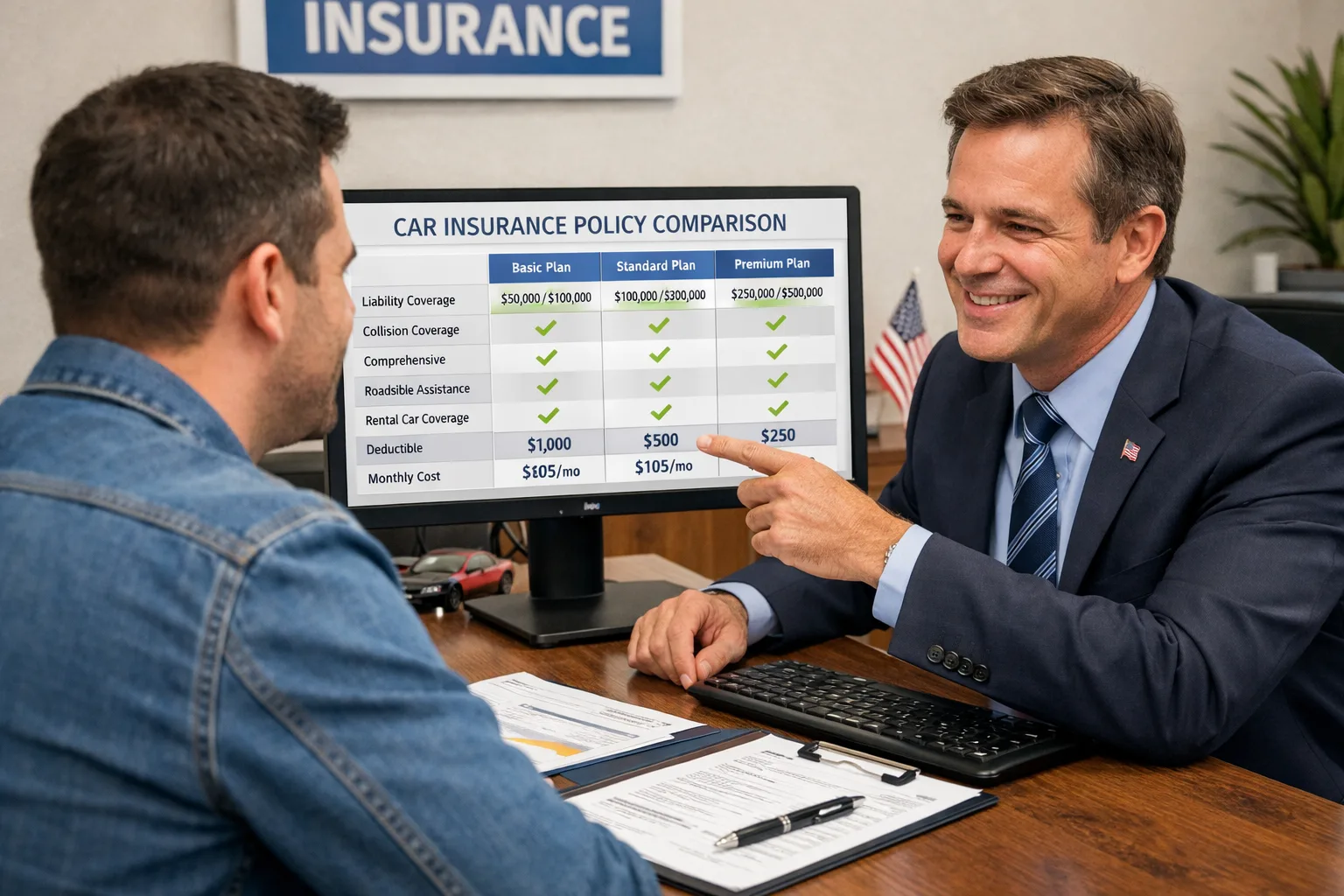
One of the most effective ways to save on car insurance US drivers often overlook is simply shopping around. Rates can vary dramatically between insurers—even for the same driver, car, and coverage. Don’t just accept your renewal offer or stick with the same company out of habit. Instead, use online comparison tools, insurance marketplaces, or independent agents to gather quotes from at least three to five reputable companies.
When comparing, make sure you’re looking at policies with identical coverage types and limits. Pay attention to deductibles, liability limits, and included features like roadside assistance or rental reimbursement. Also, check customer service ratings and claims satisfaction scores—saving money isn’t worth it if you can’t get help when you need it.
- Tip: Set a calendar reminder to compare rates every year, not just when you buy a new car.
- Caveat: The lowest price isn’t always the best deal if it means less coverage or poor service.
Example scenario: Two drivers with similar records and cars could see a $500+ annual difference between insurers. That’s why it pays to shop around regularly, especially after life changes like moving, marriage, or adding a new driver.
2. Understand the Coverage You Actually Need
Many US drivers either over-insure or under-insure themselves, both of which can cost you. Start by reviewing your state’s minimum requirements for liability coverage, but remember that these minimums are often not enough to fully protect you in a serious accident. Consider your assets, risk tolerance, and vehicle value when deciding on coverage types and limits.
For example, if you have a newer car or a loan, comprehensive and collision coverage are usually required. But if you drive an older car that’s paid off and worth less than your deductible plus a year’s premium, you might consider dropping collision or comprehensive to save money. Just be sure you’re comfortable with the risk of paying out of pocket if your car is damaged or totaled.
- Decision criteria: Calculate your car’s current value and compare it to your deductible and annual premium. If the math doesn’t add up, it may be time to adjust your coverage.
- Example: If your car is worth $1,200 and your deductible is $1,000, paying for collision coverage may not make sense.
Don’t forget about optional coverages like uninsured/underinsured motorist protection, medical payments, or personal injury protection. These can be crucial if you’re hit by an uninsured driver or need extra medical coverage, but you can tailor the amounts to fit your needs and budget.
3. Raise Your Deductible—But Know the Trade-Offs
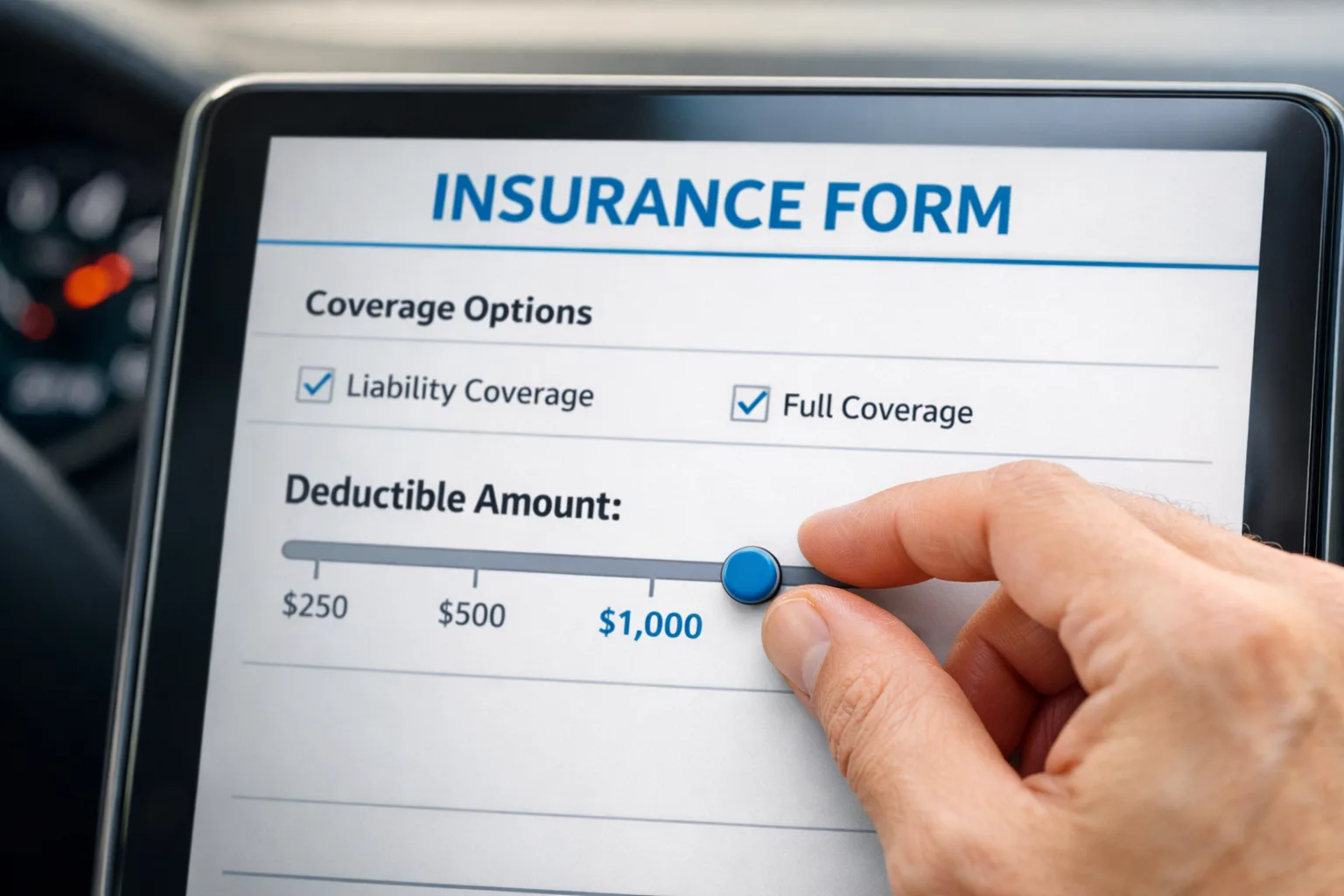
Raising your deductible is a classic way to save on car insurance US drivers can use to lower their premiums. The deductible is the amount you pay out of pocket before your insurance kicks in after a claim. Increasing it from $500 to $1,000 or even $2,000 can significantly reduce your monthly or annual premium.
However, this strategy only works if you have enough savings to cover the higher deductible in case of an accident. If you rarely file claims and have a good driving record, raising your deductible can be a smart move. But if you’re prone to accidents or don’t have emergency savings, a higher deductible could leave you financially vulnerable.
- Tip: Consider setting aside the money you save each year on premiums in a dedicated emergency fund.
- Caveat: Don’t raise your deductible beyond what you can comfortably afford to pay out of pocket.
Example scenario: Raising your deductible by $500 might save you $150 a year. If you go five years without a claim, you’ve saved $750—but if you have an accident, you’ll need to pay the higher deductible upfront.
4. Bundle Policies for Multi-Line Discounts
Most major insurers offer discounts when you bundle car insurance with other policies, such as homeowners, renters, or even life insurance. These multi-policy discounts can range from 5% to 25%, depending on the company and the types of policies you combine.
Bundling can also simplify your insurance management, with one point of contact and a single bill. However, don’t assume bundling is always the cheapest option. Sometimes, separate policies from different companies may offer better overall value. Always compare the bundled price to the total cost of stand-alone policies before making a decision.
- Tip: Ask your insurer about all available bundle options, including less common ones like motorcycle or umbrella insurance.
- Caveat: Review your bundled policies annually to ensure you’re still getting the best deal as your needs change.
Example: If you own a home and two cars, bundling all three policies with one insurer could save you hundreds each year. But if your home insurance rate jumps, it may be time to unbundle and shop around again.
5. Maximize Car Insurance Discounts US Companies Offer
Insurers offer a wide range of discounts that can help you save on car insurance US drivers may not always know about. Some discounts are automatically applied, but others require you to ask or provide documentation. Common discounts include:
- Safe driver: No accidents or tickets for a set period
- Good student: High school or college students with good grades
- Low mileage: Driving fewer miles than average per year
- Defensive driving course: Completing an approved safety course
- Vehicle safety features: Airbags, anti-lock brakes, anti-theft devices
- Multi-car: Insuring more than one vehicle on the same policy
- Paperless billing or automatic payments: Opting for digital statements or auto-pay
Some insurers also offer discounts for military service, professional affiliations, or even being a loyal customer. Ask your agent for a full list of available discounts and review them annually—your eligibility may change as your circumstances do.
- Tip: If you recently changed jobs, moved, or your child made the honor roll, you may qualify for new discounts.
- Caveat: Not all discounts are stackable; check how they interact before counting on the total savings.
Example: A family with two teen drivers could save hundreds by combining good student, safe driver, and multi-car discounts.
6. Maintain a Clean Driving Record
Your driving history is one of the biggest factors in your car insurance rate. Accidents, speeding tickets, and other violations can cause your premium to spike—sometimes for years. Many insurers offer accident forgiveness or will gradually remove surcharges after a certain period with no claims, so safe driving pays off over time.
If you do get a ticket, check if your state allows you to take a defensive driving course to remove points from your record. Not only can this help keep your rates down, but it may also qualify you for a discount.
- Tip: Use smartphone apps or in-car devices to monitor your driving habits and get feedback on areas to improve.
- Caveat: Some violations, like DUIs, can double or triple your premium and may disqualify you from certain discounts.
Example: A driver with a clean record for five years may pay 30% less than someone with recent tickets or accidents.
7. Improve Your Credit Score
In most US states, insurers use your credit score as a factor in determining your premium. Studies have shown that drivers with higher credit scores tend to file fewer claims, so insurers reward them with lower rates. Improving your credit can be a powerful way to save on car insurance US policies.
To boost your credit score, pay bills on time, reduce outstanding debt, and check your credit report regularly for errors. If your score has improved since you last shopped for insurance, ask your provider to re-rate your policy—you may qualify for a lower premium.
- Tip: Set up automatic payments for your bills to avoid missed payments that can hurt your credit.
- Caveat: Not all states allow insurers to use credit scores in pricing, but most do. Check your state’s rules if you’re unsure.
Example: Raising your credit score from “fair” to “good” could save you hundreds per year on your car insurance premium.
8. Choose Your Car Carefully
The type of car you drive has a major impact on your insurance costs. Generally, newer, more expensive, or high-performance vehicles cost more to insure due to higher repair costs and theft risk. On the other hand, cars with strong safety ratings, anti-theft devices, and lower repair costs usually qualify for lower premiums.
Before buying a new or used car, get insurance quotes for the models you’re considering. Sometimes, a small change in trim level or safety features can make a big difference in your premium.
- Tip: Look for vehicles with advanced safety features like automatic emergency braking, lane departure warnings, and anti-theft systems.
- Example: Insuring a four-door sedan with high safety ratings can cost significantly less than a sports car or luxury SUV.
Also, consider the cost of replacement parts and the vehicle’s theft rate. Some cars are more likely to be stolen or cost more to repair, which can drive up your insurance costs even if the sticker price is similar to other models.
9. Review and Update Your Policy Regularly
Your insurance needs change over time, so it’s important to review your policy at least once a year or after major life events. Moving to a new ZIP code, getting married, adding or removing drivers, or paying off your car loan can all affect your premium and coverage needs.
Don’t let your policy auto-renew without checking for better rates or more appropriate coverage. Review your declarations page to ensure your information is accurate and all eligible discounts are applied. If you’ve made home improvements, changed jobs, or your kids have left for college, update your insurer—these changes can impact your premium or qualify you for new discounts.
- Tip: Set a recurring reminder to review your policy 30 days before renewal.
- Caveat: Failing to update your insurer about changes can result in denied claims or missed savings.
Example: After moving to a safer neighborhood, you may qualify for a lower rate, but only if you notify your insurer.
10. Consider Usage-Based or Pay-Per-Mile Insurance
If you drive less than average or have safe driving habits, usage-based insurance (UBI) or pay-per-mile programs could help you save on car insurance US policies. These programs use a device or smartphone app to track your driving behavior—such as mileage, speed, braking, and time of day—and adjust your premium accordingly.
UBI is ideal for drivers who work from home, use public transportation frequently, or only drive occasionally. Some programs offer immediate discounts just for enrolling, while others reward safe driving over time.
- Tip: Review the privacy policy before enrolling, as these programs collect detailed driving data.
- Caveat: If your driving habits change or you start driving more miles, your premium could increase.
Example: A retiree who drives only 5,000 miles a year could save significantly with a pay-per-mile policy compared to a traditional plan.
11. Avoid Common Mistakes That Cost You Money
Even the best intentions can be undone by common mistakes that cost US drivers money or leave them underinsured. Here are some pitfalls to avoid:
- Letting your policy lapse: A gap in coverage can lead to higher rates or even legal trouble. Always arrange new coverage before canceling your old policy.
- Choosing the lowest possible coverage: Saving a few dollars isn’t worth the risk of being underinsured in a serious accident. Balance savings with adequate protection.
- Ignoring discounts: Failing to ask about or update your eligibility for discounts means leaving money on the table.
- Not reviewing your policy: Life changes, and so do your insurance needs. Regular reviews help you stay protected and avoid overpaying.
- Missing payment deadlines: Late payments can result in policy cancellation or reinstatement fees.
Stay proactive—review your policy, ask questions, and keep your insurer updated about any changes in your driving habits, vehicle, or life situation. If you’re unsure about your coverage, ask your agent for a policy review or seek a second opinion from an independent expert.
Frequently Asked Questions About Saving on Car Insurance in the US
How often should I shop for new car insurance quotes?
It’s a good idea to compare quotes at least once a year or whenever you experience a major life change, such as moving, getting married, or adding a new driver. Rates and discounts can change frequently, so regular shopping ensures you’re not overpaying.
Will switching insurers hurt my credit score?
Shopping for car insurance typically involves a “soft pull” on your credit, which does not affect your credit score. However, missing payments or letting your policy lapse can negatively impact your credit and your insurance rates.
Is it safe to buy car insurance online?
Yes, as long as you use reputable websites and verify the insurer’s credentials. Many drivers find online quotes faster and easier, but be sure to review the policy details carefully and ask questions if anything is unclear.
Can I negotiate my car insurance rate?
While you can’t usually negotiate the base rate, you can ask about discounts, adjust your coverage, or bundle policies to lower your premium. If you find a better rate elsewhere, some insurers may match or beat the offer to keep your business.
What should I do if my premium goes up?
Contact your insurer to ask why your rate increased. Sometimes, it’s due to factors like claims, tickets, or changes in your area. Shop around for new quotes, review your coverage, and ask about discounts to find the best deal.
Conclusion: Keep Coverage Strong While Saving
It’s absolutely possible to save on car insurance US drivers need without leaving yourself exposed to risk. The smartest approach combines diligent comparison shopping, understanding your true coverage needs, and taking advantage of every discount available. Regularly review your policy, drive safely, and stay informed about your options. By following these 11 strategies, you can keep your car insurance affordable and your protection solid—giving you peace of mind every time you hit the road.