When summer temperatures in the American South routinely climb past ninety degrees, air conditioning systems run constantly, driving monthly utility bills to painful heights. Homeowners searching for ways to tame these runaway electricity costs frequently encounter two popular building science retrofits: exterior solar sun screens and attic radiant barriers. Evaluating solar screens vs attic radiant barrier performance is essential because both tactics aim to reduce your home’s overall cooling load, but they attack heat gain from entirely different directions. To make a smart investment, you need to understand how each technology interacts with thermal energy, where they excel, and which one delivers a better return for your specific house.
Choosing between these systems is not merely a matter of personal preference; it is an exercise in applied thermodynamics. Solar energy enters a typical residence primarily through two pathways: direct radiation through glass windows and solar absorption through the roof deck, which then radiates heat down into the attic and living quarters. If your home features large, unshaded west- or south-facing windows, window heat gain is likely your primary enemy. Conversely, if your attic turns into an oven that bakes your ceiling drywall, roof-level interventions will yield the most dramatic relief.
Understanding Solar Heat Gain in Hot Climates
To evaluate cooling load reduction tactics fairly, you must first understand how heat enters a building. Heat moves via three mechanisms: conduction, convection, and radiation. In southern climates, radiant heat from the sun is the dominant driver of residential cooling loads. Sunlight strikes exterior building surfaces, converting light energy into thermal energy. This thermal energy then seeks out cooler areas inside the air-conditioned envelope of your home.
Windows are notoriously weak thermal links in standard residential construction. Even double-pane glass allows a significant percentage of solar heat to pass straight through into your living room, forcing your air conditioner to work overtime. Once that radiant energy is inside, it warms furniture, walls, and floors, creating a persistent greenhouse effect. Exterior solar screens are specifically engineered to intercept that radiation before it ever touches the glass. By blocking and scattering a large percentage of solar rays outside the building envelope, they prevent the heat from entering the indoor environment in the first place.
Moreover, building scientists evaluate window energy performance using metrics like the Solar Heat Gain Coefficient (SHGC), which measures how much solar radiation is admitted through a window, expressed as a number between 0 and 1. Standard clear glass might have an SHGC of 0.80, meaning it transmits 80 percent of the heat energy. Adding an exterior solar screen dramatically reduces this coefficient by intercepting the rays externally, functioning essentially like sunglasses for your home architecture. This external interception is far more effective than interior blinds or curtains, which absorb the heat inside the living space and then radiate that thermal energy directly into the room air.
How Exterior Solar Screens Work
Exterior solar screens resemble standard insect screens, but their specialized mesh is woven from heavy-duty vinyl-coated fiberglass or polyester designed to absorb and reflect solar radiation. Installed on the outside of your windows, these screens block a substantial portion of the sun’s energy—often between 70 and 90 percent, depending on the tightness of the weave and the color of the material.
The primary advantage of exterior shading is timing. By stopping sunlight before it reaches the glass, solar screens prevent the window frame and glass pane from heating up. This reduction in solar heat gain coefficient directly lowers the sensible cooling load in the rooms exposed to direct sunlight. Rooms that previously felt like greenhouses during late afternoon hours become noticeably more comfortable, and local air conditioner run-times drop accordingly.
Beyond thermal performance, solar screens offer several operational benefits. They provide daytime privacy without completely obscuring your view of the outdoors, protect interior carpets and furniture from ultraviolet fading, and can reduce annoying glare on television and computer screens. Furthermore, because they are mounted on the exterior, they require minimal maintenance beyond an occasional rinse with a garden hose to remove dust, pollen, and environmental grime.
When selecting solar screen mesh, homeowners typically encounter different weave densities, often designated by their blockage percentage, such as 80% or 90% screens. Darker mesh colors, such as black or dark bronze, actually offer better outward visibility and glare reduction than lighter colors because they absorb light rather than reflecting it back into the eyes of onlookers or neighbors. However, they also absorb more heat locally, which makes the exterior placement crucial so that the absorbed heat dissipates outdoors via natural outdoor air currents rather than conducting into the home.
The Mechanics of Attic Radiant Barriers
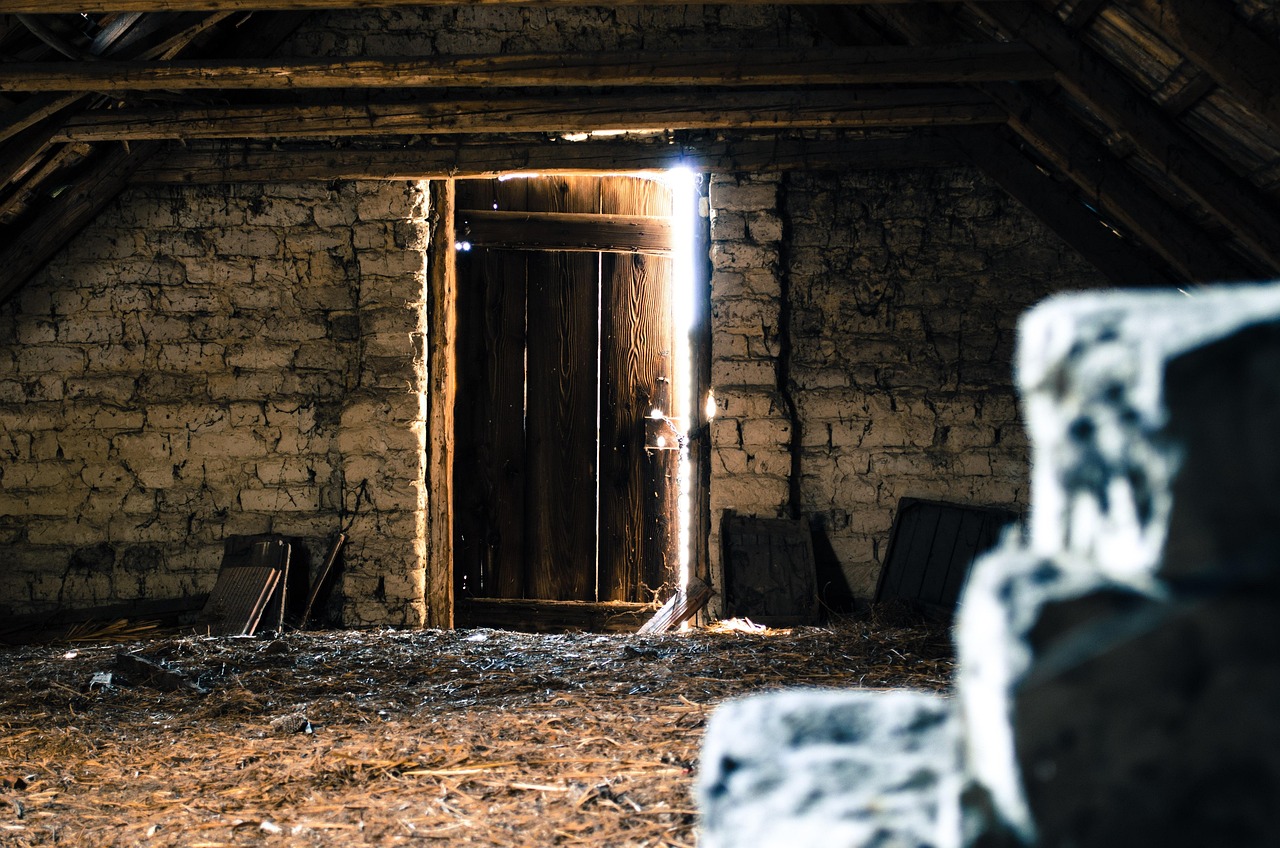
While solar screens protect your perimeter walls and windows, attic radiant barriers focus entirely on your roof. During peak summer afternoon hours, the sun beats down relentlessly on your roof shingles or tiles, heating the roof deck to temperatures that can easily exceed 150 degrees Fahrenheit. This superheated roof deck then radiates thermal energy downward across the open attic space toward your ceiling insulation.
Traditional mass insulation—such as fiberglass batts or blown-in cellulose—slows down the conductive flow of heat, but it eventually becomes saturated with thermal energy and passes it down into your living spaces. An attic radiant barrier, typically consisting of a highly reflective aluminum foil sheet, interrupts this process. Installed on the underside of the roof rafters or laid over existing attic insulation, the radiant barrier reflects up to 95 percent of the radiant heat striking its surface.
By keeping that intense radiant energy from warming your attic air and ceiling joists, a radiant barrier can lower peak attic temperatures by 20 to 30 degrees. This temperature drop reduces the thermal load on your ceiling ducts (if your HVAC ductwork runs through the attic, which is common in southern construction) and prevents heat from migrating downward into your bedrooms.
It is important to differentiate between radiation and conduction here. Radiant barriers do not stop heat from conducting through solid materials; they specifically target electromagnetic infrared waves traveling through open air spaces. Because aluminum has an extremely low emissivity (often around 0.05, meaning it emits very little thermal radiation), it refuses to re-radiate the heat it receives, forcing the thermal energy to stay near the roof deck where attic ventilation can exhaust it safely out through ridge and gable vents.
Thermal Performance Comparison: Windows vs. Roof
When comparing exterior solar sun screens against attic radiant barrier sheathing, the fundamental question is where your home suffers the most heat gain. The answer depends heavily on your home’s architecture, orientation, insulation levels, and window-to-wall ratio.
Homes with expansive glazing, particularly unshaded windows facing west or east, experience massive solar heat gain through the building envelope. In these cases, exterior solar screens deliver immediate, localized comfort improvements. You will feel the difference in specific rooms immediately because the reduction in window solar heat gain coefficient translates directly to lower indoor radiant temperatures.
On the other hand, homes with simple architectural designs, modest window areas, and dark asphalt shingle roofs suffer tremendously from attic heat buildup. If your ceilings feel hot to the touch during summer afternoons, your primary bottleneck is roof radiation. In this scenario, an attic radiant barrier provides a more comprehensive whole-house benefit by shielding the entire ceiling plane from overhead thermal assault.
Consider also the interaction between wall insulation and roof design. Modern single-story ranch homes sprawling across wide footprints have massive ceiling-to-floor area ratios, making attic thermal management critically important. Conversely, two-story homes often have upper-floor bedrooms that suffer intensely from a combination of gable-wall solar exposure, window gain, and ceiling heat transfer. Analyzing your floor plan helps isolate whether windows or roofs dictate your peak thermal load profile.
Installation Practicalities and DIY Feasibility
Labor requirements and installation complexity represent major factors when weighing these two efficiency upgrades. Exterior solar screens can often be fabricated as a do-it-yourself project for handy homeowners who can measure window frames, cut aluminum screen framing material, and snap in specialized solar mesh. Alternatively, local screen shops can custom-build them for a reasonable cost. Once assembled, they mount easily into window channels or exterior casing using standard clips.
Attic radiant barriers, however, involve working in one of the most hostile environments known to home improvement: a mid-summer southern attic where temperatures can easily reach 130 degrees by mid-morning. Installing foil sheeting to the underside of roof rafters requires staple guns, utility knives, meticulous stapling to avoid puncturing electrical wires, and careful attention to ventilation requirements. If you choose the alternative method of laying foil over existing attic insulation, you run the risk of trapping moisture or covering up recessed light fixtures incorrectly if not executed by experienced professionals.
Safety is another critical dimension during installation. Attic workspaces are notoriously cramped, featuring exposed truss members, sharp nail tips protruding from roof decks, and unstable footing on ceiling joists. Falls through drywall ceilings into living spaces below are a well-documented hazard for DIYers attempting attic retrofits without wooden catwalks or proper safety gear. Exterior solar screens, by contrast, are installed safely from the exterior ground level or via a stable ladder, posing far fewer structural safety risks during the mounting process.
Durability, Maintenance, and Longevity
Both upgrades offer excellent long-term durability if installed correctly, but they face different environmental stressors.
Exterior solar screens are exposed to weather, wind, high UV radiation, and physical debris. Over time, lower-quality vinyl coatings can become brittle, crack, or fade. However, high-grade exterior solar screens easily last 10 to 15 years with basic cleaning. Furthermore, they are simple to remove, store during mild winter months, or replace when wear eventually sets in.
Attic radiant barriers are protected from wind, rain, and direct UV exposure once installed inside the attic envelope. Their primary vulnerability is dust accumulation. If a heavy layer of household dust or blown insulation settles on top of a horizontal radiant barrier laid over attic insulation, its reflectivity diminishes, reducing its thermal performance. Vertical installations attached to the roof rafters avoid this dust-settling issue largely, retaining their high reflectivity indefinitely.
Furthermore, local pests such as rodents or nesting insects can occasionally damage foil radiant barrier installations in attics if the material is torn or improperly secured. Exterior screens are susceptible to physical tearing from landscaping tools, pets, or severe hail storms, but damaged sections are typically inexpensive to re-mesh compared to tearing down and replacing compromised attic foil.

Analyzing Cost and Return on Investment
Calculating the exact attic radiant barrier payback or solar screen savings requires looking at local electricity rates, regional climate severity, and baseline energy efficiency. Neither retrofit will eliminate your electric bill, but both can shave meaningful percentages off your peak summer cooling loads.
Exterior solar screens generally represent a lower upfront capital investment, especially if you tackle the assembly yourself. Because they target windows directly, they can also reduce the tonnage requirements if you are replacing an oversized or aging air conditioning system. By lowering the peak solar load entering through glass, solar screens can prevent your system from short-cycling and improve overall comfort.
Attic radiant barriers typically involve higher professional installation costs unless you tackle the difficult attic work yourself. Their financial return is most dramatic in homes with poorly insulated attics and ductwork running through unconditioned roof spaces. By preventing heat from soaking into the ductwork, radiant barriers ensure that the air chilled by your air conditioner actually arrives at your vents at a cooler temperature.
When estimating payback periods, utility studies across southern states generally show that homes with high window surface areas recoup solar screen investments within two to four summer cooling seasons. Attic radiant barriers, due to higher professional labor costs or challenging installation logistics, often require a slightly longer payback window of four to seven years, depending entirely on baseline insulation depths and current utility tariff structures.
HVAC Ductwork Location and System Efficiency
A hidden factor that frequently dictates whether a radiant barrier or solar screen delivers superior savings is the location of your heating, ventilation, and air conditioning (HVAC) ductwork. In many southern tract homes built during the late twentieth century, sheet metal or flexible air ducts are suspended directly within the unconditioned attic space.
When attic temperatures soar to 140 degrees or higher during July afternoons, the air traveling through those supply ducts absorbs substantial thermal energy before ever reaching your living spaces. This phenomenon significantly degrades cooling system efficiency, forcing the system to run longer cycles to cool rooms down. An attic radiant barrier specifically protects these ducts from radiant saturation, keeping the delivered air cooler and easing the operational burden on the air handler.
On the flip side, if your HVAC air handler and ductwork are located inside a conditioned crawlspace, basement, or dropped ceiling envelope, the attic’s thermal impact on duct temperature is negligible. In that specific architectural configuration, window heat gain becomes the overwhelming driver of indoor discomfort, making exterior solar screens the clear performance winner for cooling load reduction.
Common Mistakes to Avoid
Homeowners venturing into energy efficiency upgrades frequently make critical errors that diminish their return on investment or cause unintended building science problems:
- Neglecting Window Orientation: Installing expensive solar screens on north-facing windows is a waste of money because those windows rarely receive direct solar radiation in the Northern Hemisphere. Focus your screen budget strictly on east, west, and south exposures.
- Blocking Attic Ventilation: When installing radiant barriers on roof rafters, installers must never block continuous soffit and ridge vents. Restricting attic airflow traps moisture, which can lead to severe mold growth and wood rot on the roof deck.
- Ignoring Existing Insulation: A radiant barrier does not replace mass insulation. Adding foil to an attic with R-10 insulation will not solve conduction problems; you must ensure your baseline insulation depth meets local building code recommendations first.
- Choosing the Wrong Mesh Density: Using a low-blocking screen mesh in a brutal climate zone will leave you disappointed with the thermal results. Match the openness factor of the screen to your specific solar exposure intensity.
- Installing Horizontal Foil Incorrectly: Laying unperforated foil flat across attic insulation without accounting for vapor permeability can trap household moisture rising from living areas, resulting in condensation damage on the ceiling drywall.
Decision Framework: Which Upgrade Fits Your Home?
To determine whether you should invest in solar screens or an attic radiant barrier, review your home’s specific thermal profile using this practical checklist:
- Assess Your Windows: Do you have large, unshaded west- or south-facing windows that make specific rooms unbearably hot in the afternoon? Prioritize exterior solar screens.
- Inspect Your Attic and Ductwork: Is your ceiling hot to the touch, and do your air conditioning ducts run through an unconditioned attic space? Prioritize an attic radiant barrier.
- Evaluate Your Budget and DIY Tolerance: Are you comfortable working outdoors to build window screens, or would you rather pay professionals to staple foil inside a hot attic? Choose the project that matches your physical capabilities and financial comfort zone.
- Check for Existing Upgrades: If you already have high-performance low-E window glass, solar screens will offer diminishing marginal returns. Conversely, if your attic already boasts thick blown insulation, a radiant barrier might be the missing link to complete your thermal envelope.
- Analyze Regional Climate Intensity: In high-insolation desert environments like Phoenix, exterior solar screens offer dramatic, immediate relief from intense window radiation. In humid subtropical zones like Houston or Miami, attic radiant barriers combat severe roof deck radiation while keeping duct temperatures manageable.
Conclusion
Both exterior solar sun screens and attic radiant barriers are proven, effective strategies for reducing cooling loads in hot-climate homes, but they solve different problems. Solar screens excel at stopping solar heat gain at the window glass, directly improving room comfort and reducing glare. Attic radiant barriers excel at reflecting radiant heat away from the roof deck, lowering attic temperatures and protecting ceiling ducts from thermal saturation. By analyzing your home’s specific architectural vulnerabilities—whether your primary heat source enters through expansive glass or an overheated roof—you can deploy the right retrofit and enjoy a more comfortable, energy-efficient summer.