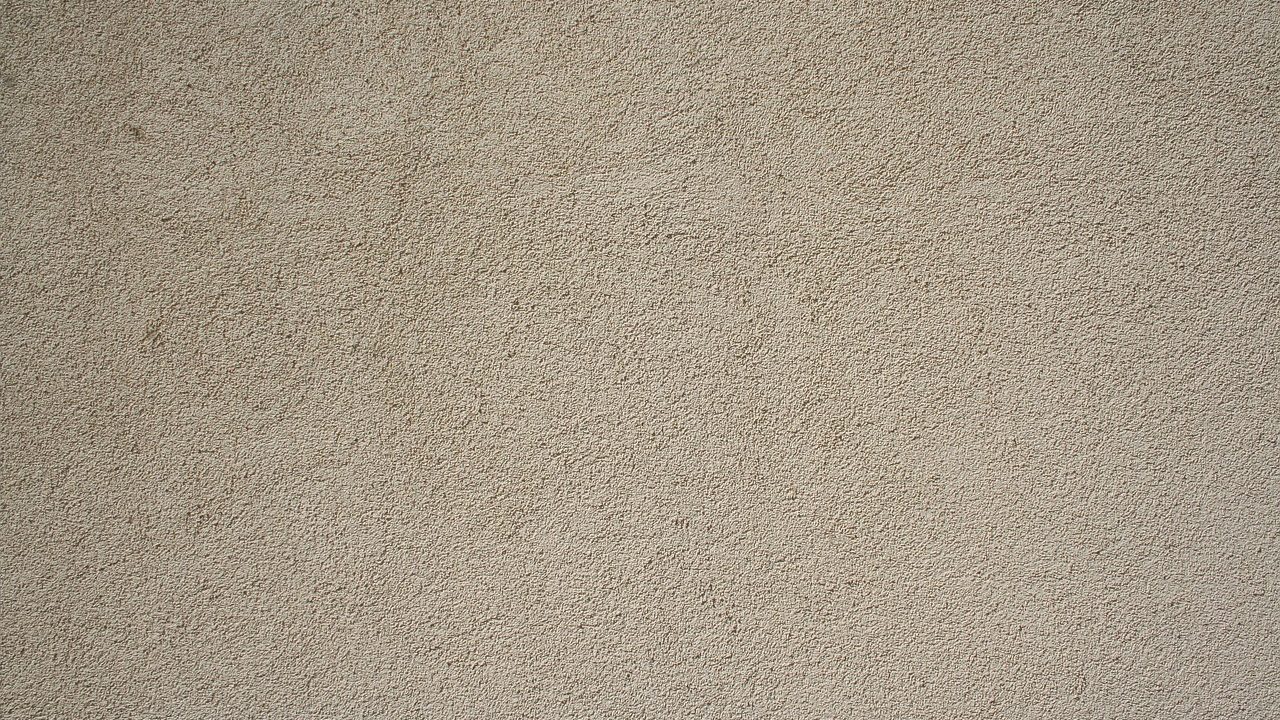
When exterior walls begin to show hairline fractures, dark water stains, or hollow-sounding patches, homeowners face a high-stakes maintenance choice. Understanding the true stucco repair vs complete restucco cost equation requires looking past the immediate invoice to examine what is happening beneath the decorative cement finish. Stucco is designed as a durable, hard-wearing exterior cladding, but it is not entirely waterproof. When moisture gets trapped behind the cement layers, it attacks the underlying wire lath, building paper, and wood or steel framing. Choosing the right intervention—whether that means targeted patching and elastomeric coatings or stripping the wall down to the studs for a complete re-stucco—determines how well your home withstands decades of weather exposure.
This comprehensive guide breaks down the structural indicators, moisture dynamics, and long-term financial implications of both approaches. By evaluating the root cause of your exterior wall damage, you can avoid throwing money at superficial band-aids while also preventing unnecessary, costly overhauls on stable assemblies.
Anatomy of a Stucco Wall and How Failures Begin
To understand why a simple patch works in some cases and fails in others, you need to look at how a traditional three-coat stucco system is constructed. Stucco is a multi-layered assembly typically applied over a wood- or steel-framed wall. The innermost layer consists of a water-resistive barrier—often two layers of asphalt-impregnated building paper or modern house wrap—applied directly over exterior sheathing like plywood or oriented strand board (OSB). Over this barrier sits a galvanized metal wire lath or expanded metal mesh, which provides the mechanical key that holds the heavy cementitious material to the vertical wall.
The stucco itself is applied in three distinct stages: the scratch coat, the brown coat, and the finish coat. The scratch coat is pushed into the wire lath, creating keys that lock the system in place. The brown coat flattens and levels the surface, while the finish coat provides the color and texture you see from the yard. Each layer plays a specific structural and protective role.
Failures begin when water breaches this protective envelope. Water can enter through unsealed window frames, poorly flashed roof lines, chimney penetrations, or unsealed hairline cracks in the finish coat. Once moisture bypasses the finish layer, it becomes trapped against the building paper and metal lath. Over time, moisture causes the metal lath to rust, expanding and pushing the heavy stucco outward in a process known as delamination. When the lath loses its structural integrity, the stucco literally detaches from the wall, creating hollow areas that can eventually crack and collapse under their own weight.
Localized Stucco Repair: Methods, Materials, and Limitations
Localized repairs—often referred to as patching, tuck-pointing, or spot remediation—are designed for isolated damage where the underlying framing and lath remain completely dry and structurally sound. If your stucco has a few random hairline cracks caused by normal house settling rather than moisture intrusion, patching is usually the most logical and cost-effective starting point.
The standard process for repairing minor cracks involves routing out the crack slightly with a masonry chisel or grinder to create a clean V-groove. This gives the patching compound a mechanical edge to grip rather than just feathering thin material over a tight crevice. For hairline cracks under one-sixteenth of an inch, elastomeric patching compounds or specialized elastomeric masonry paints are often used because they retain enough flexibility to stretch and contract as the building moves seasonally.
For wider cracks or small areas of impact damage, workers apply a modified cementitious patching mix that matches the original aggregate and texture. Achieving an invisible patch is notoriously difficult in the stucco trade because fresh mortar dries to a slightly different shade than weathered exterior walls. Skilled masons feather the edges carefully and may apply a breathable masonry sealer or tinted fog coat over the entire wall plane to blend the repair into the surrounding field.
When localized repairs work best:
- Isolated hairline cracks under windows or corners where flashing is intact.
- Small areas of impact damage where a ladder or lawn equipment struck the wall.
- Walls with stable moisture meter readings and no signs of efflorescence or bubbling paint.
Where localized repairs fail: If a contractor simply fills and paints cracks that are actively leaking or driven by rust expansion underneath, the patch will fail within a single freeze-thaw cycle or rainy season. Moisture will continue to migrate behind the wall, and new cracks will sprout immediately adjacent to the old ones.
Complete Re-Stucco: When Full Replacement Is Unavoidable
A complete re-stucco is a major construction undertaking that goes far beyond surface cosmetics. It involves stripping away the existing exterior finish entirely, inspecting and repairing the underlying framing and sheathing, installing brand-new moisture barriers and metal lath, and applying a fresh three-coat cement system from scratch. While the upfront investment is substantially higher than spot patching, it is often the only responsible engineering solution for severely compromised walls.
The primary driver for a full re-stucco is widespread delamination and hidden moisture damage. If moisture has been penetrating the wall assembly for years, the underlying wood framing or plywood sheathing may be rotted, and the metal lath may be completely oxidized. Leaving compromised sheathing in place while applying new stucco over it is a recipe for catastrophic structural failure. A full tear-out allows contractors to replace ruined sheathing, install modern weather-resistive barriers with proper drainage planes, and correct historical flashing defects that caused the original leak.
Furthermore, older homes built decades ago may lack modern building paper standards, such as two layers of protection or integrated rain-screen drainage gaps. A full re-stucco brings the exterior envelope completely up to current building code standards, drastically improving energy efficiency, indoor air quality by eliminating mold behind walls, and long-term property valuation.
Indicators that demand a full re-stucco:
- Widespread hollow spots across multiple exterior wall planes.
- Stained, chalky, or crumbling stucco accompanied by indoor musty odors or mold.
- Severe rust staining bleeding through the finish coat from oxidized lath beneath.
- Extensive previous patches that cover more than thirty percent of the wall surface, resulting in an uneven patchwork quilt appearance.
Comparative Cost Breakdown: Upfront vs. Long-Term Value
Analyzing the economics of exterior wall maintenance requires balancing immediate out-of-pocket expenses against long-term asset protection. Spot repairs and elastomeric coatings offer a low entry cost, making them attractive for homeowners working with strict short-term budgets or preparing a home for sale. However, calculating the true cost-effectiveness of these options reveals a distinct tipping point.
If you hire a professional to patch a few isolated cracks and apply a localized coat of elastomeric paint, you are paying primarily for labor hours and basic masonry materials. This type of maintenance is typically measured in hundreds of dollars rather than thousands. Conversely, a complete re-stucco involves heavy labor, scaffolding erection, waste disposal fees for heavy masonry debris, rough carpentry repairs for rotted framing, and skilled plastering over several weeks. Consequently, full re-stuccoing represents a major capital investment.
However, the hidden danger of choosing cheap repairs on a severely damaged wall is the cycle of diminishing returns. Pouring money into annual patching campaigns for a wall that suffers from chronic water intrusion quickly accumulates. If water continues to rot the structural studs behind the stucco, you will eventually face structural framing repairs that dwarf the cost of a timely, proactive re-stucco. Evaluating long-term value means asking whether a patch will buy you five to ten stable years or merely mask a progressing structural emergency.
Moisture Management and the Role of Elastomeric Coatings
A common debate in exterior maintenance centers on whether thick elastomeric coatings can save a cracked stucco wall without requiring physical removal or extensive patching. Elastomeric coatings are heavy-bodied, rubberized acrylic paints applied at dry film thicknesses significantly greater than standard exterior paint. They possess remarkable elasticity, allowing them to bridge hairline cracks and stretch up to three hundred percent or more as temperatures fluctuate.
For walls in arid climates with minimal rainfall and purely cosmetic shrinkage cracks, elastomeric coatings provide an effective weatherproofing shield. They seal the porous surface of the stucco against driving rain while accommodating minor thermal movement.

However, in wet or humid climates, elastomeric coatings can become a double-edged sword if moisture gets behind the wall from another source, such as a leaking roofline or a faulty window sill. Because high-build elastomeric films are relatively vapor-impermeable compared to traditional breathable mineral paints, they can trap ambient moisture inside the wall assembly rather than letting it evaporate outward. If water enters a wall coated in heavy elastomer, it often gets locked inside, accelerating wood rot, mold growth, and subsequent stucco blistering. Understanding your local climate and performing thorough moisture testing with a pinless meter before applying heavy coatings is essential to avoiding trapped moisture disasters.
Diagnostic Steps: How to Inspect Your Stucco Wall
Before committing to either minor repairs or a full-scale renovation, you need an objective assessment of your exterior walls’ condition. Homeowners can perform several basic diagnostic checks to gauge the severity of exterior wall degradation before calling in specialized contractors.
- The Sound Test (Chain Drag): Gently tapping the stucco surface with a light metal rod, coin, or dragging a small chain across the wall produces a distinct acoustic response. A solid, well-bonded stucco wall yields a sharp, high-pitched tap. A hollow, delaminated area produces a dull, hollow thud, indicating that the cement has separated from the lath.
- Visual Crack Mapping: Examine the direction and pattern of cracks. Vertical and horizontal cracks often relate to framing shrinkage or minor settling. Diagonal cracks radiating outward from the corners of windows and doors typically indicate structural stress concentrations or improper framing headers. Spiderweb cracking (map cracking) across a wide area often points to improper curing, excess water in the original mix, or thin application thickness.
- Moisture Assessment: Look for efflorescence—a white, powdery mineral deposit left behind when water evaporates through the stucco surface. Efflorescence is a definitive sign that water is actively moving through the wall assembly. Check baseboards and interior drywall directly behind exterior walls for staining, peeling paint, or musty odors.
Contractor Selection and Scope Evaluation
If your diagnostic checks reveal widespread damage that exceeds simple DIY patching, hiring a qualified specialist is the next critical phase. Stucco work is a specialized trade that requires traditional craftsmanship combined with building science knowledge regarding moisture management and drainage planes. General handymen who treat stucco merely as thick paint or basic concrete patching often commit critical installation errors.
When interviewing stucco contractors, ask specific questions about their approach to flashing, weep screeds, and water-resistive barriers. A reputable professional should insist on inspecting the framing behind damaged sections before providing a final bid. Be wary of contractors who propose slapping a coat of elastomeric paint over heavily cracked, hollow walls without investigating the underlying lath or checking for moisture intrusion. Request detailed written estimates that explicitly state whether damaged wire lath or wet sheathing will be replaced as part of the scope of work.
Decision Matrix: Patching vs. Re-Stuccoing
| Condition | Recommended Approach | Primary Rationale |
|---|---|---|
| Isolated hairline cracks (< 1/16 inch) | Elastomeric patching and spot sealing | Cosmetic settling; framing and lath are dry and stable. |
| Localized impact or mechanical damage | Cut-out patching with matching mix | Damage is localized; surrounding wall assembly is sound. |
| Widespread hollow spots / delamination | Complete re-stucco | Metal lath has failed; structural bond is permanently lost. |
| Rust bleeding and chronic water stains | Full tear-out and re-stucco | Indicates oxidized lath and trapped moisture behind cladding. |
Conclusion and Long-Term Maintenance Best Practices
Protecting your home’s exterior cladding ultimately comes down to early detection and uncompromising moisture management. While evaluating stucco repair vs complete restucco cost can feel daunting, investing in the correct level of repair preserves both your home’s structural integrity and its curb appeal. For minor, stable blemishes, targeted patching and careful maintenance provide an economical shield. However, when moisture compromises the underlying lath and framing, cutting corners with superficial patches only delays an inevitable, more expensive renovation. By addressing water intrusion at its source and matching your remediation strategy to the actual physical condition of your walls, you ensure that your stucco finish remains a durable, beautiful defense against the elements for decades to come.