
Relocating across state lines is an exercise in complex logistics. While most people focus on hiring movers, packing boxes, and transferring utilities, the administrative transition of your civic identity is equally critical. When you move to a new state, your old voter registration does not automatically follow you. In fact, maintaining registrations in two different states can create legal complications, administrative confusion, and potential vulnerabilities in your voting record.
Executing a seamless transition requires a structured approach. This voter registration address change guide breaks down the essential steps you need to take, from updating your driver’s license and notifying the postal service to meeting strict local election board deadlines. By tackling these tasks in the correct sequence, you protect your right to vote and establish your new residency without unnecessary friction, ensuring that your transition into a new community is recognized across all government databases.
Understanding the Interstate Residency Timeline
The moment you cross state lines with the intention of making a permanent home, your legal residency status shifts. However, the definition of residency varies depending on whether you are interacting with the Department of Motor Vehicles (DMV), the tax authorities, or your new county elections office. Generally, states expect you to register as a resident and obtain a local driver’s license within a specific window—often ranging from 10 to 90 days after arrival, depending entirely on state statutes.
When calculating your personal timeline, it is critical to separate the physical date of your move from the legal date of establishment. For DMV purposes, the clock usually starts ticking the day you sign a long-term residential lease, close on a home purchase, or accept permanent employment within the state. Ignoring these windows can result in escalating financial penalties, late fees on vehicle registrations, or complications when trying to obtain essential state services. Furthermore, failing to update your information promptly can invalidate your insurance coverage if local insurers require vehicles to be registered within the state where they are garaged.
Your civic obligations begin well before your first trip to the DMV. As you plan your physical move, you should map out a calendar of administrative deadlines. Election laws are strictly governed at the state and county levels, meaning there is no uniform federal deadline for updating your registration. Some states close voter registration 30 days before an election, while others permit same-day registration on Election Day itself for those who can prove residency. Knowing these local rules prevents you from being disenfranchised simply because your move coincided with an election cycle.
Furthermore, understanding the interplay between your old state and your new state is vital. When you register to vote in your new jurisdiction, the application form typically requires you to list your previous residential address. State election databases communicate through national matching systems to flag duplicate active registrations, which automatically triggers a cancellation notice sent to your former county clerk. However, relying entirely on this automated backend communication can sometimes lead to delays. Proactively managing the cancellation yourself ensures that you are only on the active voter rolls where you currently reside.
Step One: Establishing Official Presence and Mail Forwarding
Before you can update your voter registration or driver’s license, you need tangible proof of your new address. Election officials and DMV clerks will not accept a temporary rental agreement scribbled on a napkin or a casual utility arrangement; they require official documentation showing your full legal name and your new residential street address.
Start by filing a change-of-address form with the United States Postal Service (USPS). While the postal service forwards your mail, keep in mind that official government mail, jury summons, and certain election notices are often marked “Do Not Forward” or “Address Service Requested.” Therefore, setting up mail forwarding is merely a safety net while you directly update your address with banks, employers, subscription services, and utility providers. It is also wise to monitor your physical mailbox closely during the first six weeks following your move to catch any critical correspondence that slips past automated forwarding rules.
Once your utilities are connected—such as electricity, water, or internet—download or save the first billing statement. This document serves as a gold standard for proof of residency. Other acceptable documents typically include signed lease agreements, mortgage statements, homeowner’s insurance policies, or W-2 forms from your employer. Keep these files in a dedicated folder, both physical and digital, as you will need them repeatedly during your administrative overhaul. Maintaining organized digital copies on a secure cloud drive also protects you if physical documents are misplaced during transit.
Step Two: Navigating DMV Updates and License Transfers
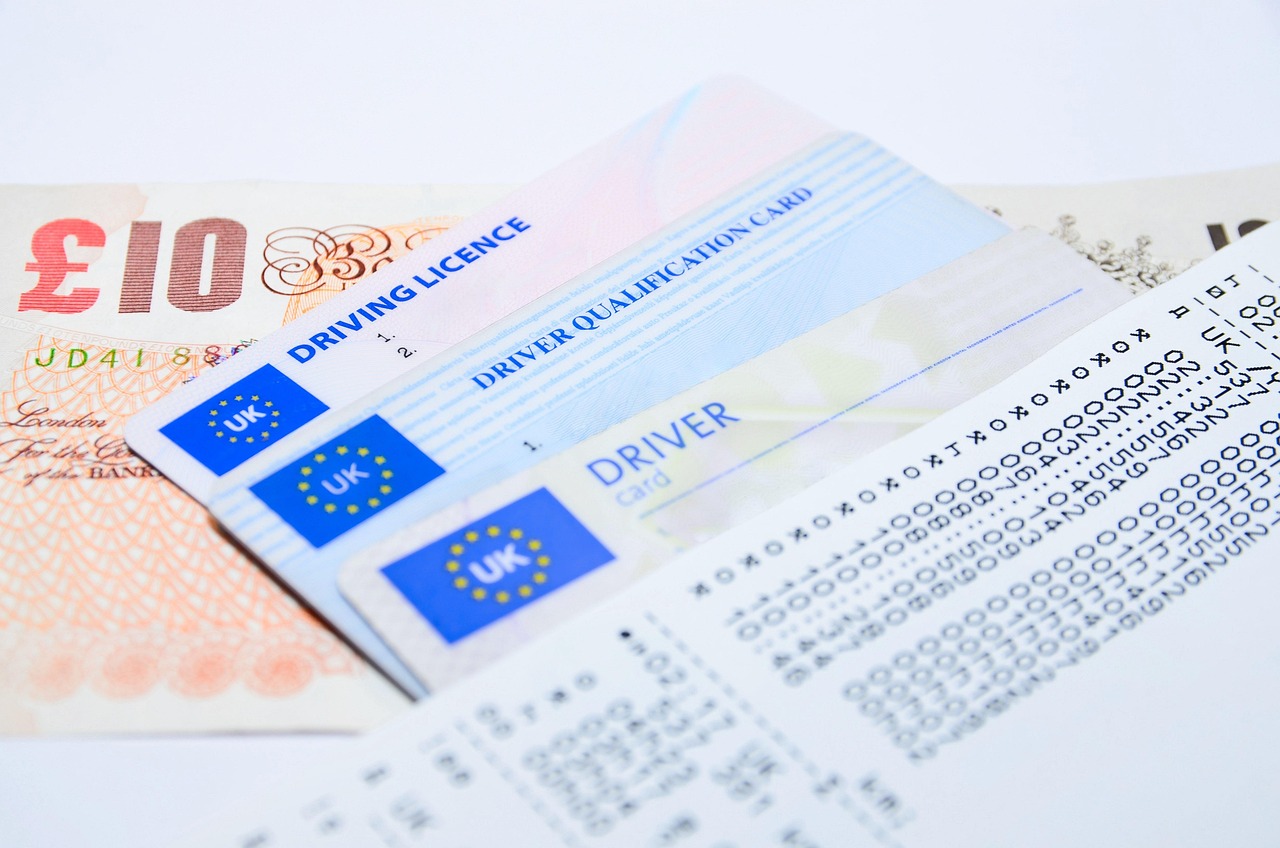
In the vast majority of US states, updating your driver’s license and registering to vote are linked processes through the National Voter Registration Act (often called the “Motor Voter” law). When you visit your new state’s DMV or equivalent agency to transfer your out-of-state driver’s license, the clerk will typically ask if you would also like to register to vote or update your existing registration.
To make this visit efficient, gather your documents beforehand. You will generally need:
- Your current, unexpired out-of-state driver’s license or state ID card.
- Proof of identity, such as a certified U.S. birth certificate or valid passport.
- Proof of Social Security number, such as your physical card, a W-2 form, or a pay stub displaying your full SSN.
- Two separate documents proving your new state residency (utility bills, lease agreement, or bank statements).
If you have undergone a legal name change due to marriage or divorce concurrently with your move, you must bring certified court documents—such as a marriage certificate or judgment decree—to bridge the gap between your previous identity documents and your current legal name. Failing to account for name discrepancies can grind DMV processing to a halt and force you to schedule a return visit.
When the DMV agent processes your driver’s license transfer, explicitly state that you wish to update your voter registration. Verify that the address entered into the terminal matches your exact residential street address rather than a PO Box or a commercial mail-forwarding service, as most states strictly prohibit using postal boxes for voter registration.
Be aware that some states require you to surrender your old physical license when issuing the new one. Make sure you have alternative government-issued photo identification on hand during the transitional period if you need to board domestic flights or handle other identity-verification tasks before your new card arrives in the mail.
Step Three: Navigating the Voter Registration Address Change Guide Process
If you did not update your voter registration at the DMV, or if you prefer to handle your civic paperwork independently, you must submit a voter registration application directly to your new county election office or through your state’s online portal.
To complete this process accurately, you will need your new residential address and either your new state driver’s license number or the last four digits of your Social Security number. If you are registering online, most states require you to have an active driver’s license issued by that specific state, as the system verifies your identity against state records.
If you register via a paper form—which can be downloaded from your state election website or picked up at local public libraries, town halls, and post offices—fill out the fields clearly using black ink. Pay close attention to the section asking for your previous registration address. Providing your old address allows the new state’s election office to notify your former state that you have moved, which initiates the cancellation of your old registration and prevents duplicate active files.
Additionally, check whether your new state requires you to select a political party affiliation during registration. Some states hold closed primaries where only registered party members can vote in nomination contests, while others use open primaries. Researching these nuances ahead of time ensures your ballot reflects your preferences when primary season arrives. If you choose to remain unaffiliated or independent, ensure you understand how non-partisan voters participate in local primary formats.
Addressing Special Scenarios: Renters, Students, and Military Families
Not every mover fits the traditional mold of buying a single-family home. Depending on your lifestyle and employment, residency rules can introduce unique nuances.
For renters, establishing residency is straightforward via a lease agreement, but temporary moves require caution. If you are relocating for a short-term fellowship or a temporary work assignment lasting only a few months, you may legally maintain your voting domicile in your original home state, utilizing absentee ballots. However, if your move is indefinite or permanent, you are expected to transition your registration.
College students moving out of state face a distinct choice. Under federal guidance, students living away from home generally have the right to register and vote either at their campus address or their permanent family home address, provided they maintain intent to return or establish residency there. Choosing between these options requires weighing local ballot measures, tuition residency requirements, and state-specific tax implications. Students must also be mindful of campus housing policies that might restrict mail delivery or require specialized residency affidavits.
Military families experience frequent interstate moves. The Uniformed and Overseas Citizens Absentee Voting Act (UOCAVA) provides special protections, allowing military members and their eligible dependents to maintain voting residency in their home state of record regardless of how many times they relocate across state lines for service. However, military families who choose to permanently settle in a new host state upon retirement or reassignment must transition their civic records just like any other civilian household.
Handling Tax Domicile and Multi-State Property Complexities
Moving across state lines often triggers complex interactions between your civic registration and your state tax obligations. Tax authorities and election boards look at similar factors—such as where you spend the majority of your time, where your primary vehicle is registered, and where you maintain your permanent home—to determine your legal domicile.
It is important to align your voter registration with your true tax home. Maintaining a voter registration in a state where you no longer live or own property simply to cast a ballot in local elections can trigger residency audits by state revenue departments. State auditors frequently cross-reference voter registration logs, vehicle registration databases, and utility usage patterns to challenge false residency claims. If you own homes in multiple states, you must clearly designate your primary domicile for both voting and tax purposes, generally determined by the statutory 183-day physical presence rule. Consult with a qualified tax professional if you divide your time evenly between two locations, ensuring that your voter registration choices reinforce your primary residency claim rather than contradicting it.
Common Pitfalls and How to Avoid Them
Administrative transitions are prone to human and bureaucratic error. Being aware of frequent missteps can save you from election-day surprises.
One major mistake is assuming that canceling your mail forwarding cancels your old voter registration. Postal forwarding has no bearing on voter rolls. You must proactively cancel your registration in your old state or ensure your new state notifies them.
Another common error is missing registration deadlines by waiting until the week of an election. While some states offer grace periods, relying on last-minute processing increases the risk that your paperwork will not be verified in time. Always check the official calendar published by your specific county clerk or secretary of state.
Finally, double-check your spelling and address formatting. A missing apartment number or an incorrect zip code can cause your voter application to be flagged or rejected, leaving you unregistered without your knowledge. Taking ten extra minutes to meticulously verify your street designation, directional prefixes, and unit markers eliminates avoidable administrative roadblocks.
Confirming Your Active Status and Final Precinct Details
Once you have submitted your paperwork, do not simply assume the job is finished. Administrative processing takes time, and verification is your best safeguard. Most state election websites feature an online voter lookup tool where you can enter your name, date of birth, and zip code to check your registration status.
Allow two to three weeks after submitting your change-of-address form before running a verification search. Once your name appears in the database, confirm that your assigned polling place or voting precinct corresponds to your current residential address. If you notice any discrepancies—such as an outdated street name or an inactive status flag—contact your county election office immediately by phone or email. Resolving these minor database errors weeks before an election guarantees a smooth trip to the ballot box.
By following this structured roadmap, you ensure that your civic foundation remains solid through every life transition. Taking care of your driver’s license, updating your address, and confirming your voter registration status guarantees that your voice continues to be heard in every local, state, and national election.
Frequently Asked Questions About Interstate Voter Registration
Can I vote in my old state if I move right before an election?
In many cases, if you move very close to an election and have not yet met the residency requirement of your new state, some states allow you to vote a final time in your former state via absentee ballot, provided you were registered there prior to your move. Check with your former county election office to verify your eligibility.
Does updating my driver’s license automatically register me to vote?
While federal and state laws link DMV transactions with voter registration, you must explicitly confirm to the DMV clerk that you want your voter registration updated or initiated. Never assume it happens automatically without verifying your choices on the electronic terminal or application form.
What should I do if my name does not appear on the voter rolls on Election Day?
If you completed your registration before the deadline but your name is missing from the poll book, request a provisional ballot. Provisional ballots allow you to vote while election officials research your registration paperwork following Election Day. Make sure to keep your registration receipt and confirmation number handy as proof. Under federal provisions like the Help America Vote Act, election workers are legally required to offer you a provisional ballot if your eligibility is in question at the polling place.