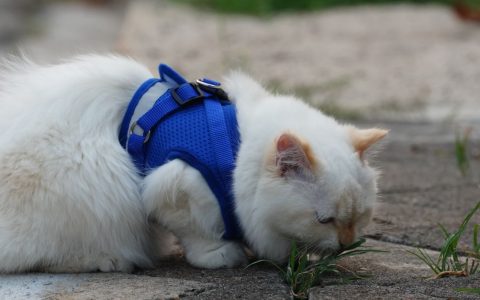
A diagnosis of canine idiopathic pulmonary fibrosis (CIPF) brings significant physical and emotional challenges for pet parents. Often referred to colloquially as "Westie lung" due to its exceptionally high prevalence in West Highland White Terriers, this chronic, progressive respiratory disease causes gradual scarring and irreversible stiffening of delicate lung tissue. Over time, the flexible alveolar sacs responsible for transferring oxygen into the bloodstream lose their elasticity, making every single breath an uphill battle. Establishing an effective framework for canine idiopathic pulmonary fibrosis home oxygen care US veterinarians recommend can help your dog stay comfortable, ease the strain on their heart, and prevent terrifying panic attacks during sudden breathing changes.
Because CIPF is progressive and non-reversible, medical management relies entirely on supportive care, targeted symptom reduction, and preserving functional respiratory capacity for as long as possible. Managing this disease successfully at home requires a structured daily routine that integrates continuous or intermittent supplemental oxygen, prescription aerosol therapy, strict indoor environmental control, and systematic monitoring of physical vital signs. By organizing your home setup ahead of time, you can respond calmly and effectively whenever your pet requires oxygen therapy support.
Understanding Canine Idiopathic Pulmonary Fibrosis
Canine idiopathic pulmonary fibrosis primarily affects middle-aged to senior dogs, with clinical signs most frequently emerging between nine and thirteen years of age. While West Highland White Terriers account for the vast majority of diagnosed cases, CIPF is also diagnosed in Scottish Terriers, Staffordshire Bull Terriers, Cairn Terriers, Fox Terriers, and occasionally non-terrier breeds. The term "idiopathic" indicates that the precise initiating trigger of the parenchymal scarring remains unknown, although genetic predispositions, chronic microscopic lung injuries, and abnormal tissue repair mechanisms are strongly implicated in veterinary literature.
As fibrotic scar tissue progressively replaces healthy, compliant pulmonary parenchyma, the lungs become increasingly rigid. This loss of elasticity dramatically increases the mechanical work required for a dog to expand their chest and draw in air. Consequently, oxygen molecules struggle to diffuse across thickened interstitial membranes into capillary blood flow, resulting in arterial hypoxemia (low circulating blood oxygen). To compensate, the heart must pump significantly harder against elevated pressure within the pulmonary vasculature, which often leads to secondary cardiac complications such as pulmonary hypertension, right-sided ventricular hypertrophy, and eventual congestive heart failure.
Recognizing Key Clinical Signs
The initial onset of CIPF is notoriously subtle. Early manifestations are frequently dismissed by owners as normal age-related slowing down or mild stamina loss. However, as healthy lung tissue diminishes over months or years, specific clinical signs become impossible to ignore:
- Exertional Intolerance: Becoming noticeably winded after brief walks, lagging behind on routine strolls, hesitating before climbing stairs, or standing up slowly due to poor oxygenation.
- Subtle "Velcro" Crackles: A distinct dry, high-pitched crackling sound heard when a veterinarian auscultates the lung fields with a stethoscope, reminiscent of hook-and-loop fasteners being slowly pulled apart.
- Tachypnea and Rapid Shallow Breathing: An elevated resting breathing rate, even while sleeping or lounging quietly in an air-conditioned room.
- Paroxysmal Coughing Fits: A dry, harsh, non-productive hacking cough triggered by sudden excitement, drinking water rapidly, ambient temperature changes, or mild physical effort.
- Cyanosis and Gum Discoloration: A bluish, slate-grey, or pale purple tinge on the gums, tongue, and inner lips during times of exertion, coughing spells, or stress, signaling severe tissue hypoxia.
Setting Up Home Oxygen Support
Supplemental oxygen is the most critical non-invasive tool available for managing moderate-to-severe canine idiopathic pulmonary fibrosis. Supplying oxygen-enriched air raises the concentration of oxygen within the alveoli, allowing more molecules to cross damaged, thickened interstitial tissue with less overall muscular effort. For families navigating canine idiopathic pulmonary fibrosis home oxygen care US medical suppliers and specialized veterinary equipment companies provide reliable devices tailored specifically for home application.
Choosing an Oxygen Delivery System: Concentrators vs. Compressed Gas
There are two primary methods for delivering medical oxygen at home: compressed gas cylinders and electric oxygen concentrators. For long-term management of chronic conditions like CIPF, electric oxygen concentrators are overwhelmingly preferred by veterinary clinicians over compressed gas tanks.
Oxygen concentrators pull in ambient room air, filter out atmospheric nitrogen through internal molecular sieves, and produce a continuous output of 90% to 95% pure oxygen. They run continuously on standard 120V household electricity, completely eliminating the safety hazards of storing high-pressure gas cylinders in residential spaces as well as the logistical headache of frequent tank refills. When purchasing or renting a unit, ensure it provides continuous flow capabilities (measured in liters per minute, or LPM). Most small-to-medium dogs benefit from a unit delivering 5 LPM continuous flow, whereas larger dogs or multi-pet setups may require 10 LPM heavy-duty concentrators. Always pair your unit with an uninterruptible power supply (UPS) or backup generator to guarantee power during stormy weather or unexpected outages.

Configuring a Dog Oxygen Cage Setup at Home
Delivering oxygen directly through traditional facial masks or nasal cannulas can provoke anxiety in many dogs. Head tossing, pawing at the face, and respiratory resistance increase oxygen demand, which directly counters the therapeutic goal. Constructing a dedicated home oxygen chamber provides a stress-free environment where your dog can breathe enriched air while resting comfortably on their favorite bedding.
An effective, safe home oxygen cage balances gas concentration, heat dissipation, and carbon dioxide clearance:
- Chamber Construction: Purpose-built, clear acrylic chambers or heavy-duty, soft-sided clear vinyl oxygen tents designed for pet care are ideal. Transparent walls allow you to monitor your dog’s mucosal color and breathing effort from across the room without opening the enclosure and dumping the oxygen.
- Establishing Flow Rates: Achieving a therapeutic oxygen concentration (typically 40% to 50% fraction of inspired oxygen, or FiO2) requires flooding the chamber at an appropriate initial rate. For a standard 15-to-30 gallon pet chamber, running a continuous flow of 3 to 5 LPM will elevate internal oxygen levels to therapeutic targets within 10 to 15 minutes.
- Managing Heat and Moisture: Oxygen concentrators emit dry air, but enclosed pets quickly generate body heat and humidity through breath and body contact. Elevated heat dramatically worsens breathing distress in dogs with lung disease. Place the oxygen cage directly under or near an AC vent, maintain ambient room temperatures between 68°F and 72°F, and place ice packs wrapped in towels underneath the bottom pad.
- Preventing Carbon Dioxide Recirculation: Never make an oxygen chamber 100% airtight. Exhaled carbon dioxide must be permitted to escape continuously through dedicated venting ports or small zipper gaps near the top of the enclosure to prevent dangerous CO2 accumulation (hypercapnia).
Comparative Overview of Oxygen Delivery Options
| Delivery Method | Therapeutic Efficiency | Pet Stress Level | Key Advantages | Primary Drawbacks |
|---|---|---|---|---|
| Enclosed Oxygen Chamber | High (30%–50% FiO2) | Very Low | Hands-off comfort; allows unrestrained sleep; low stress. | Builds interior heat; requires high LPM flow rates to maintain concentration. |
| Nasal Cannula | Very High (40%–60% FiO2) | Moderate to High | Uses lower flow rates (1–2 LPM); highly portable. | Requires secure placement; can dry nasal passages; easily dislodged by rubbing. |
| Oxygen Hood / Elizabethan Collar | Moderate (30%–40% FiO2) | Moderate | Easy to assemble; allows full visibility and quick access. | Traps heat very rapidly; requires continuous physical supervision. |
| Handheld Face Mask | High (50%+ FiO2) | High | Immediate high-concentration delivery during acute collapse. | Must be held manually; can trigger fight-or-flight reactions if pressed against snout. |
Nebulizer Protocols and Respiratory Medications
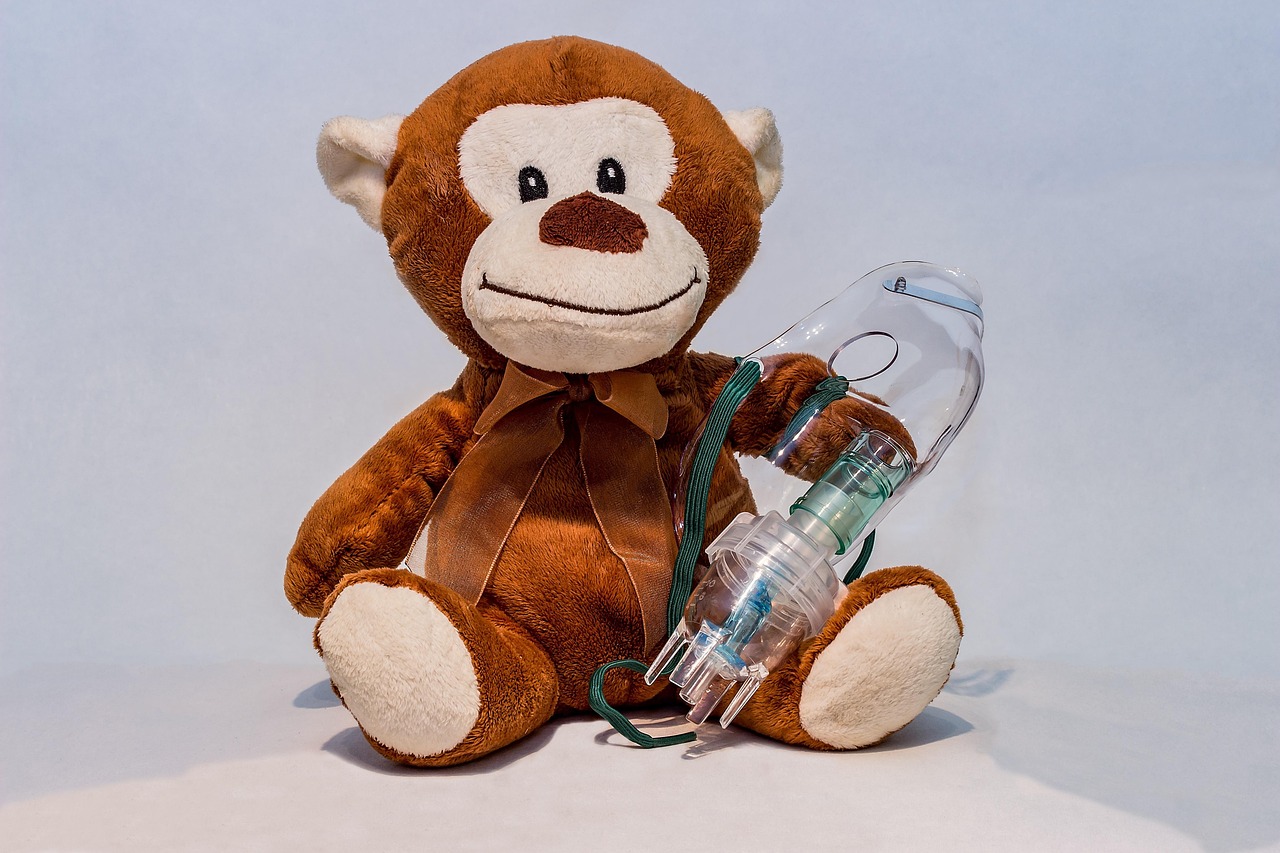
Alongside medical oxygen, aerosolized medication protocols serve as a cornerstone of comprehensive respiratory care. Jet nebulizers convert liquid veterinary medications and isotonic solutions into a micro-fine mist that travels deep into the distal airways, targeting inflamed bronchioles directly while minimizing systemic drug side effects.
Selecting and Operating a Veterinary Jet Nebulizer
Compressor-driven jet nebulizers are superior to ultrasonic nebulizers for veterinary home care because they consistently generate droplet sizes between 1 and 5 microns. Particles larger than 5 microns settle harmlessly in the upper nasal passages and throat, while particles smaller than 1 micron are simply exhaled without providing medical benefit. Droplets in the 1-to-5 micron range reach deep into terminal bronchioles and affected parenchymal tissue.
A typical daily nebulization strategy prescribed by veterinary clinicians incorporates three major components:
- Isotonic Sterile Saline (0.9% NaCl): Nebulizing 3 to 5 mL of sterile saline for 10 to 15 minutes twice daily hydrates thick, tenacious mucosal secretions trapped in bronchial tubes, making it significantly easier for the dog to clear mucus through gentle coughing.
- Prescription Bronchodilators: Aerosolized medications such as albuterol sulfate help relax smooth muscle spasms wrapped around constricted airways, improving airflow dynamics immediately prior to oxygen therapy sessions.
- Inhaled Corticosteroids: Medications like fluticasone propionate delivered via dedicated veterinary chambers (or nebulized equivalents like budesonide) suppress localized inflammatory responses within airway walls without causing the severe polyuria, polydipsia, and muscular breakdown associated with chronic oral prednisone usage.
Integrating Nebulization with Oxygen Therapy
To reduce handling stress, nebulizer output cups can be integrated directly into the inlet tubing of your pet’s oxygen chamber using simple T-connectors. This arrangement allows your dog to rest comfortably in an oxygen-rich environment while simultaneously inhaling their aerosolized medication, eliminating the need to hold a mask over their face.
Environmental Management and Respiratory Distress Triggers
Lungs compromised by idiopathic pulmonary fibrosis possess virtually zero reserve capacity to handle environmental stressors. Microscopic irritants, airborne chemicals, high humidity, and physical overexertion can trigger sudden bronchial constriction, severe coughing spasms, and acute oxygen desaturation.
Optimizing Indoor Air Quality
Maintaining clean indoor air is paramount when caring for a dog with fibrotic lung disease:
- Eliminate Chemical Volatiles and Smoke: Strictly forbid tobacco smoke, vaping aerosol, scented candles, plug-in air fresheners, incense, and essential oil diffusers inside the home. Avoid harsh household cleaning agents like bleach or ammonia while your dog is present.
- Deploy High-Efficiency Air Filtration: Place standalone high-efficiency particulate air (HEPA) purifiers in the primary living areas and sleeping rooms. Ensure your central HVAC system utilizes MERV 11 or MERV 13 filtration media, and replace filters every 30 to 45 days.
- Humidity Control: Maintain relative indoor humidity between 30% and 50%. Environments that are overly dry dry out airway mucosa, whereas excessive indoor humidity promotes mold spore production and dust mite proliferation.
Temperature Management and Exercise Adaptation
Because dogs lack sweat glands over the majority of their bodies, they rely primarily on panting for thermoregulation. For a dog with advanced pulmonary fibrosis, panting demands massive respiratory effort, rapidly draining vital energy reserves and triggering severe hypoxemia.
- Strict Climate Control: Keep your home cooled to 68°F–72°F year-round. Never allow a dog with CIPF to spend extended periods outdoors during warm, hot, or humid weather. Limit outdoor exposure during summer months to brief, essential potty breaks in early morning or late evening hours.
- Modify Walking Routines: Discontinue strenuous exercise and long neighborhood walks. Replace them with brief, leisurely sniffari strolls across flat, grassy terrain. Always use a padded chest harness rather than a neck collar to avoid placing pressure on the delicate trachea.
- Minimize Emotional Stress and Agitation: Excitement, doorbells, territorial barking, and visitor arrivals elevate heart rate and respiratory demand instantly. Keep home routines predictable, utilize soothing ambient sound machines, and consider low-dose veterinary-prescribed anti-anxiety medications (such as trazodone) if your pet experiences chronic nervousness.
Recognizing Acute Respiratory Distress
Despite diligent daily maintenance, dogs diagnosed with CIPF remain at constant risk for sudden clinical decompensation. Recognizing the earliest signs of an impending respiratory crisis enables you to initiate home oxygen support immediately and contact your emergency veterinary hospital before a catastrophic situation unfolds.
Monitoring Resting Respiratory Rate (RRR)
Tracking your dog’s resting respiratory rate is the single most sensitive, reliable tool for monitoring disease progression and detecting acute flare-ups at home. Count your dog’s chest rises for 60 seconds while they are sleeping or lying completely motionless.
- Normal Resting Rate: A healthy dog (and a stable CIPF patient) typically exhibits a sleeping breathing rate under 30 breaths per minute.
- Caution Zone (30 to 40 breaths/min): A persistent upward trend over 24–48 hours suggests increasing airway congestion, fluid retention, or disease progression requiring consultation with your veterinarian.
- Critical Action Zone (Above 40 breaths/min): A resting rate exceeding 40 breaths per minute—especially when accompanied by visible abdominal effort or restlessness—indicates severe respiratory compromise and demands immediate oxygen intervention.
Signs of Emergency Respiratory Failure
Immediately place your dog into their oxygen chamber and notify an emergency veterinary facility if you observe any of the following critical indicators:
- Persistent Open-Mouth Breathing or Heavy Panting at Rest: Rapid panting while lying quietly in a cool, dark room.
- Abdominal "Belly Breathing": Pronounced, forceful contraction of the abdominal wall muscles during inhalation and exhalation, indicating severe diaphragmatic stress.
- Orthopneic Posturing: Standing or sitting rigid with the head and neck stretched straight forward, elbows rotated outward away from the ribcage to maximize chest expansion.
- Mucous Membrane Cyanosis: Gums, tongue, or inner lips appearing pale, muddy grey, or dark blue-purple rather than a vibrant pink.
- Foamy Oral or Nasal Discharge: Coughing up clear, white, or pink-tinged frothy fluid, which can signal acute pulmonary edema or secondary cardiac strain.
- Severe Panic, Agitation, or Physical Collapse: Inability to lie down to sleep due to air craving, extreme pacing, unsteadiness, or sudden loss of consciousness.
Action Plan for Acute Respiratory Crises
Having a clear step-by-step emergency protocol posted near your home oxygen station helps keep everyone calm and focused during a crisis.
- Initiate Immediate Oxygen Enrichment: Turn on your oxygen concentrator, verify flow, and place your pet inside the pre-assembled oxygen chamber (or hold a mask loosely near their snout). Keep room lights dim and eliminate extraneous household noise.
- Administer Rescue Medication: If your veterinarian has supplied a written emergency protocol, administer prescribed bronchodilators, inhaled medications, or rapid-acting oral sedatives designed to break panic cycles without depressing essential breathing.
- Contact the Emergency Animal Hospital: Call your nearest emergency veterinary facility to inform them that you are en route with a dog suffering from diagnosed CIPF in acute distress. Request that they clear a triage room and prepare an oxygen chamber prior to your arrival.
- Execute Safe Transport Protocols: Pre-cool your vehicle before transferring your dog. If available, use a portable battery-powered oxygen concentrator or small travel tank paired with a portable transport bag. Carry your dog carefully using a supportive sling or stretcher, avoiding any pressure against their chest or throat.
Frequently Asked Questions
What is the typical life expectancy for a dog with canine idiopathic pulmonary fibrosis?
Prognosis varies depending on how early the condition is diagnosed and how aggressively secondary complications are managed. Following initial diagnosis, median survival times generally range from one to two years, though some dogs supported with comprehensive home oxygen therapy, anti-inflammatory treatments, and careful environmental control maintain good quality of life for longer periods.
Can pulmonary fibrosis in dogs be cured or reversed?
No. Canine idiopathic pulmonary fibrosis involves permanent replacement of healthy elastic lung tissue with dense collagen scar tissue. Treatment is entirely focused on slowing secondary complications, mitigating symptom severity, improving systemic oxygen levels, and optimizing daily comfort.
How many hours a day should my dog spend in home oxygen?
Oxygen protocols are tailored to individual clinical severity. In early-to-moderate stages, intermittent sessions lasting 30 to 60 minutes after exercise, coughing fits, or nebulizer therapy may be sufficient. In advanced stages, continuous low-flow oxygen therapy (12 to 24 hours per day) may be recommended by your veterinarian to keep resting blood oxygen saturation within safe ranges.
Are oxygen concentrators noisy, and will the sound frighten my dog?
Modern medical oxygen concentrators produce a low motor hum and periodic clicking sounds as valves cycle (typically 40 to 50 decibels, comparable to a modern refrigerator). Most dogs adjust quickly, especially if the machine is introduced gradually alongside positive rewards. If your dog is particularly sensitive to sound, place the concentrator in an adjacent hallway or room and run longer oxygen supply tubing to the pet chamber.
Long-Term Management and Quality of Life Assessment
Managing canine idiopathic pulmonary fibrosis requires balancing physical support, medication regimens, and objective quality-of-life monitoring. Over time, fibrotic changes will inevitably progress, necessitating periodic adjustments to oxygen flow rates, medication choices, and home activity constraints.
Regular follow-up appointments with your primary veterinarian or a board-certified veterinary internist/cardiologist should include physical exams, pulse oximetry checks, resting respiratory rate review, and periodic echocardiograms to monitor right-sided heart health. Utilizing validated pet quality-of-life assessment tools helps you track good days versus difficult days objectively, empowering you to make compassionate decisions focused entirely on your dog’s comfort and dignity throughout their journey.
Conclusion
Caring for a dog with canine idiopathic pulmonary fibrosis is a profound commitment that calls for structured planning, continuous monitoring, and gentle patience. By establishing a dedicated home oxygen station, incorporating regular nebulization sessions, removing environmental triggers, and remaining vigilant for early signs of distress, you can offer your senior companion comfort and peace. Always maintain close communication with your veterinary care team to refine protocols as your pet’s needs evolve, ensuring they enjoy the highest possible quality of life at home.