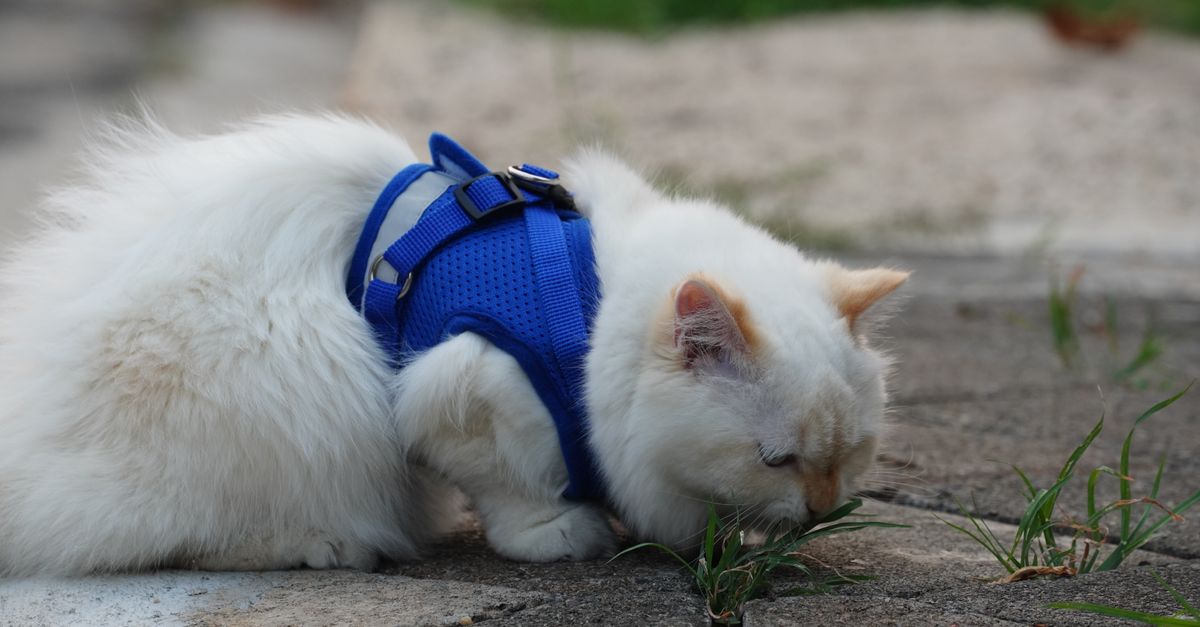
Bringing an indoor cat outside can open up a world of enriching sights, sounds, and smells, but it requires much more than simply clipping a leash to a collar and heading out the door. Felines are sensitive, cautious creatures by nature, and the outdoor world can easily overwhelm an animal that has spent its entire life within the predictable boundaries of a living room. Successfully harness training an indoor cat hinges on patience, veterinary-backed behavioral science, and a deep respect for your cat’s individual comfort level.
Unlike dogs, which are biologically wired to walk alongside humans on leashes, cats view the world through a predatory and defensive lens. A sudden loud noise, a passing car, or an unfamiliar neighborhood dog can trigger an explosive fight-or-flight response. When a cat panics while wearing poorly fitted equipment, they can slip out of restraints in seconds, putting them at immediate risk. This guide walks you through the entire process of preparing your cat, choosing the right gear, building positive associations, and taking those first safe steps outside.
Understanding the Feline Mindset: Why Slow Conditioning Matters
Before purchasing any equipment, it helps to understand why cats react so strongly to changes in their environment. Felines rely heavily on scent, territory control, and predictability. When you introduce a harness, you are introducing a foreign object that restricts movement and carries unfamiliar smells. Rushing this process can lead to negative associations, fear, and even redirected aggression toward household members.
Veterinary behaviorists recommend a policy of consent-based training. Every step of the process should be paired with high-value rewards, such as lickable treats or freeze-dried meat, so your cat actively looks forward to the routine. If your cat freezes, flattens their ears, or attempts to bolt when the harness appears, you are moving too fast. True desensitization means breaking the training down into microscopic steps until your cat shows complete indifference to the equipment.
It is also essential to recognize that not every indoor cat is an ideal candidate for outdoor adventures. Highly anxious cats, senior felines with joint discomfort, or cats with underlying medical conditions may find the sights and sounds of the great outdoors far more stressful than enriching. Always consult your veterinarian before starting a harness-training regimen to ensure your cat is physically and mentally prepared for the endeavor.
Choosing the Right Gear: Safety and Fit
The single most important technical decision you will make is selecting the proper hardware. Collars are entirely unsafe for leash walking; a sudden tug can crush a cat’s delicate trachea or allow them to slip backward out of the collar instantly. You need a secure, escape-proof body system.
When shopping for a walking setup, look for the following key features:
- Vest-Style Coverage: Unlike thin nylon strap harnesses, vest-style harnesses distribute pressure evenly across the cat’s chest and shoulders rather than concentrating it on the throat or abdomen. This design makes it significantly harder for a flexible cat to wriggle free.
- Secure Closures: Look for combinations of sturdy Velcro and heavy-duty snap buckles, ideally reinforced with a metal D-ring for leash attachment.
- Lightweight Materials: Heavy fabrics, thick padding, or bulky hardware can cause fatigue and overheating. Choose breathable mesh fabrics that mimic a comfortable garment.
- Lightweight Leash: Avoid retractable leashes, which can startle a cat with sudden mechanical noises and tension. Instead, opt for a simple four-to-six-foot nylon or leather leash, or a lightweight training lead.
How to Measure Your Cat for a Perfect Fit
An escape-proof harness is only effective if it fits precisely. Unlike dogs, cats have loose skin, flexible skeletal structures, and an uncanny ability to compress their bodies to slip through narrow gaps. To choose the correct size, use a flexible soft tape measure to record two critical dimensions:
- Neck Circumference: Measure around the base of your cat’s neck where a collar would naturally sit. Ensure you can comfortably slip two fingers beneath the tape.
- Chest Girth: Measure around the widest part of your cat’s ribcage, typically just behind their front legs. This is the most crucial measurement for vest-style harnesses, as it dictates whether the garment will stay secure during a tug or pull.
Always consult the specific brand’s sizing chart rather than guessing based on your cat’s weight. If your cat falls right between two sizes, veterinary experts generally recommend sizing down if the material has stretch, or choosing the larger size with adjustable straps to prevent chafing under the armpits.
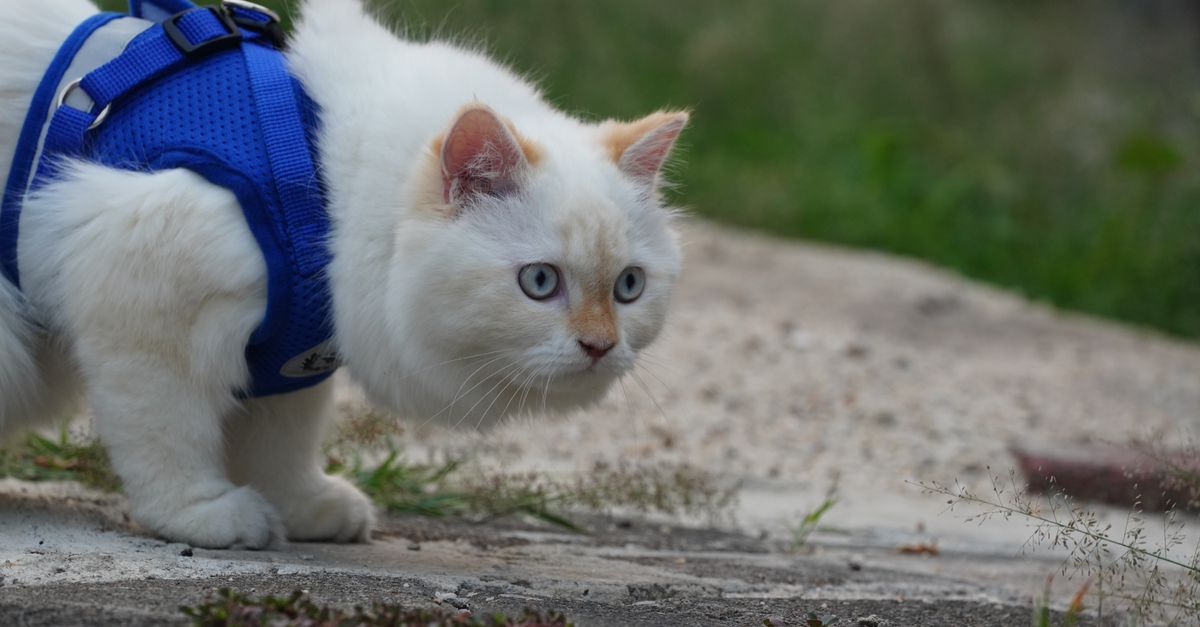
Once your gear arrives, do not put it directly on your cat. The introduction phase requires a gentle touch and a strategic strategy to build positive associations before the harness ever touches fur.
Phase One: The Scent and Sight Introduction
Training begins days or even weeks before your cat wears the harness. Place the harness out in an area where your cat spends a lot of time, such as near their favorite sleeping spot or food bowl. Let them sniff it, rub their face against it, and investigate it entirely on their own terms.
During this initial phase, you can place treats on or near the harness. When your cat approaches the gear voluntarily, reward them with praise and a tasty morsel. The goal is for your cat to associate the sight and smell of the harness with good things happening. If your cat ignores it, leave it out for a few more days until it becomes a mundane, unthreatening part of their indoor landscape.
To accelerate this process, you can also place a worn t-shirt or blanket near the harness so it absorbs familiar household scents, making the foreign object feel safer and more comforting to your feline companion.
Phase Two: Short-Duration Indoor Wear
Once your cat is completely comfortable being near the harness, it is time for a brief test fit. Choose a calm moment when your cat is relaxed—perhaps after a vigorous play session or a meal. Gently drape the harness over their back without securing the closures, and immediately reward them. If they tolerate that, gently wrap the straps and secure them for just a few seconds.
Keep these early indoor sessions extremely brief—start with thirty seconds to one minute. While the harness is on, engage your cat in a favorite game or feed them high-value treats to distract them from the sensation of the fabric. Remove the harness before your cat shows any signs of annoyance. Gradually increase the indoor wear time over several days until your cat can walk around, eat, and groom normally while wearing the full setup.
Never force a struggling cat to keep the harness on. If your cat begins to panic, immediately unbuckle the gear and offer a calming reward. Consistency, patience, and keeping sessions short will build lasting confidence much faster than pushing through resistance.
Phase Three: Adding the Leash Indoors
With the harness comfortably accepted, clip the lightweight leash to the D-ring while your cat is indoors. Let the leash trail loosely behind them as they walk around the house. This teaches your cat that the leash has weight and follows their movements without you pulling on it.
Supervise your cat closely during this stage to ensure the trailing leash does not get tangled around furniture legs or staircase spindles. Once your cat is completely unfazed by dragging the leash, pick up the handle and practice gentle guidance indoors. Call your cat toward you with a treat, applying very light pressure to the leash only when necessary to guide them.
Weekly Training Progress Tracker and Milestones
To help visualize a successful trajectory, map your progression across a structured timeline:
- Week 1: Gear exploration, scent introduction, and pairing the harness with meal times or high-value treats without putting it on the cat.
- Week 2: Brief, one-minute clothing fittings indoors, paired with active play or favorite treats to create positive neurological associations.
- Week 3: Extended indoor wear (5 to 10 minutes) with a trailing leash attached, allowing the cat to move freely across carpeted and hard surfaces.
- Week 4: Active indoor handling using the leash handle, followed by threshold transitions to a quiet porch, hallway, or private backyard.
Preparing for the Outdoors: Assessing Your Environment
Before taking your cat outside, evaluate your immediate environment. Not all outdoor spaces are suitable for a sensitive feline. High-traffic apartment complexes, neighborhoods with loose dogs, and areas treated with heavy lawn pesticides pose significant hazards.
Start your outdoor journey in the quietest space available. A private, fenced backyard, a quiet apartment hallway, or a covered patio is ideal for a cat’s very first outing. Avoid public parks filled with barking dogs, cyclists, and running children until your cat has built up substantial confidence outdoors.
Consider weather and temperature conditions as well. Cats are sensitive to extreme heat and cold. Pavement can quickly burn sensitive paw pads during summer afternoons, and high humidity can cause rapid overheating in long-haired breeds. Choose calm, overcast mornings or cool evenings for your initial training sessions.
Taking Your Cat Outside for the First Time
When the big day arrives, keep the routine simple and low-pressure. Put the harness and leash on your cat inside your home, and carry them outside in your arms or in a secure carrier. Do not make them walk out the front door on the leash, as the threshold can be intimidating.
Once you reach your chosen quiet spot—such as a patch of grass near your entryway—gently set your cat down while holding the leash with a loose, relaxed grip. Allow your cat to choose their own direction. Do not pull or drag them toward interesting smells; let them crouch, sniff, and observe at their own pace.
Your first outdoor session should last no longer than five to ten minutes. Watch your cat’s body language closely. If their tail is held high and loose, their ears are forward, and they are actively exploring, the trip is a success. If their body is low to the ground, their tail is tucked, or their pupils are dilated, pick them up immediately and head back inside.
Common Behavioral Hurdles and Troubleshooting
Even with careful preparation, you may encounter a few bumps along the road. Understanding how to troubleshoot common reactions will keep your training sessions productive and stress-free.
The “Drop and Freeze” Response
Many cats will instinctively drop flat to the floor and refuse to move the moment a harness or leash is attached. This is not stubbornness; it is a defensive reflex triggered by the sensation of restriction. Do not pull your cat along the ground. Instead, use a high-value treat or a favorite feather wand to coax them forward a few inches. Keep the session short, take the harness off, and try again tomorrow.
Panic and Bolting
If a sudden noise startles your cat and they attempt to bolt, do not panic yourself. Firmly secure the leash, speak to your cat in a calm, soothing tone, and immediately scoop them up into your arms to carry them indoors. Never punish a frightened cat. Allow them to decompress in a quiet, dark room for the rest of the day.
Navigating Sudden Outdoor Triggers
Outdoor walks present unpredictable auditory and visual stimuli. If a lawnmower starts up nearby, a car backfires, or a stray dog enters your line of sight, your cat’s immediate instinct will be to flee. Always remain vigilant, maintain a short leash radius in unfamiliar areas, and practice “emergency pickups” indoors so you can scoop your cat up smoothly without hesitation when startling situations arise.
Maintenance, Parasite Prevention, and Health Check
Taking an indoor cat outside introduces new health considerations. Before beginning your training journey, consult your veterinarian to ensure your cat is up-to-date on routine vaccinations, particularly rabies and feline distemper. Indoor cats also require consistent, year-round preventive medication for fleas, ticks, and heartworms, as outdoor environments expose them to parasites even during brief walks.
Inspect your cat’s harness regularly for wear and tear, paying special attention to stitching, buckles, and the D-ring. A damaged strap can fail unexpectedly under tension. Finally, establish a post-walk grooming routine to check your cat’s coat for burrs, ticks, or debris before letting them back onto your furniture.
Frequently Asked Questions
Can older cats learn to walk on a harness? Yes, older and senior cats can successfully learn to wear a harness, though the desensitization process may take significantly longer than it would with a curious kitten. Patience and high-value rewards are vital.
What should I do if my cat manages to slip out of their harness outdoors? Never chase a fleeing cat, as this can trigger their predatory flight instinct. Instead, drop the leash, call them in a calm and familiar tone, and use a favorite treat container or food pouch to entice them back to you safely.
How often should I take my cat outside once they are trained? Consistency is key, but let your cat dictate the frequency. Many cats enjoy two to three short 15-minute outdoor excursions per week, while others are content with weekend porch visits.
Conclusion
Harness training an indoor cat is a rewarding project that can dramatically enhance your pet’s quality of life, offering mental stimulation and physical exercise that indoor environments sometimes lack. By taking a slow, veterinary-backed approach centered on positive reinforcement and secure, well-fitted gear, you can help your cat transition from a hesitant indoor observer to a confident outdoor explorer. Remember to let your cat set the pace, prioritize safety above all else, and enjoy the unique bonding experience of exploring the world together.