When your veterinarian prescribes eye medication for feline conjunctivitis, corneal scratches, or allergies, the real challenge often begins the moment you open the prescription bottle. For many owners, figuring out how to administer cat eye drops without triggering a dramatic feline escape act or a flurry of claws feels nearly impossible. Cats are naturally sensitive around their faces and eyes, making sudden movements or looming droppers terrifying to them.
Successfully medicating your cat does not require brute force or a trip to the emergency clinic for scratches. Instead, it relies on a combination of veterinary-backed desensitization techniques, proper physical positioning, and strategic positive reinforcement. This comprehensive guide breaks down the process into manageable, low-stress steps designed to keep both you and your cat safe, ensuring that vital health treatments are completed without eroding the trust between you and your pet.
Understanding the Feline Perspective on Eye Medications
To understand why cats fight eye drops, you have to look at the world from their viewpoint. Cats possess sharp peripheral vision and a keen instinct to protect their vulnerable eyes from harm. When a human hand approaches rapidly from directly in front of the cat’s face, it triggers a natural blink reflex and an immediate defensive response. Furthermore, the strange sound of a plastic bottle popping open or the unusual scent of the medication can instantly put a sensitive pet on high alert.
Recognizing these triggers helps you change your approach. Instead of rushing in to catch your cat off guard, successful medicating involves slowing down, approaching from the correct angle, and masking the predictability of the routine. When you transform the experience from an ambush into a predictable, rewarding interaction, your cat’s panic levels drop significantly. In the wild, an eye injury can spell disaster for a feline predator, meaning their hyper-vigilance around ocular health is entirely hardwired into their DNA. Acknowledging this instinct allows you to act with empathy rather than frustration when your cat pulls away.
Additionally, cats communicate heavily through subtle facial cues, scent marking from their cheek glands, and direct eye contact. When you stare intently into a cat’s eyes while hovering an object near their face, you are inadvertently signaling confrontation in feline body language. Understanding this helps you adjust your posture: approach from the side, keep your breathing slow and steady, and avoid direct, unblinking eye contact that might exacerbate their underlying anxiety during a medical routine.
Preparation: Setting Up Your Space and Supplies
Before you ever call your cat into the room, assemble your supplies. Trying to open a sterile eye drop bottle while simultaneously holding a squirming, annoyed animal is a recipe for missed doses and frustration. Set up your station on a stable, comfortable surface such as a kitchen counter with a non-slip mat, or even while sitting on the couch where your cat feels secure.
Gather the prescribed eye drops, clean cotton balls or gauze pads moistened with warm water (if your vet recommends wiping away discharge first), and high-value treats such as a tube of squeezable pureed cat treat. Warm the eye drop bottle slightly by rolling it between your palms for a minute if the medication has been stored in the refrigerator, as ice-cold drops can shock sensitive feline corneas and cause immediate recoil. Check the expiration date and ensure you have proper lighting so you can clearly see the target area without needing to squint or lean in awkwardly.
Organization is your best defense against chaos. Arrange your items in a specific sequence on the tray or table so you can reach them seamlessly with one hand while the other hand remains gently in contact with your cat. Having a helper present during the first few sessions can also be immensely valuable, though learning to handle the process solo gives you ultimate flexibility when your schedule requires quick, independent administration.
Mastering Safe Restraint: The Towel Wrap and Porsching Methods
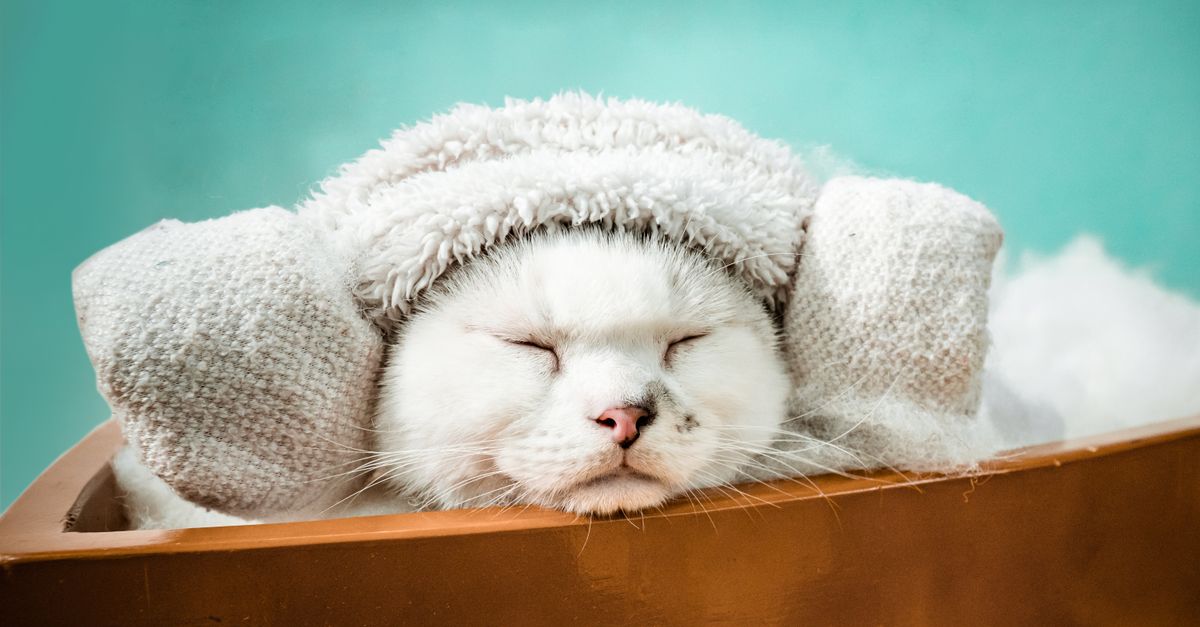
Feline restraint should always prioritize safety and comfort over immobilization. Forcing a cat down flat often backfires by increasing their panic and survival instincts. Instead, professional veterinary technicians frequently rely on specialized handling techniques like the ‘cat burrito’ towel wrap or the ‘porsching’ method to secure active paws and prevent scratching.
To execute the towel wrap, spread a sturdy bath towel flat on a table or your lap. Place your cat calmly in the center of the towel. Bring one side of the towel snugly around your cat’s body, tucking it securely under their chest, and wrap the other side over. The goal is to enclose all four paws comfortably against the cat’s body while leaving the head completely free. Wrap them snugly, but never tightly enough to restrict breathing or cause distress.
Alternatively, the ‘porsching’ method involves sitting on a couch or chair, placing your cat facing away from you between your knees or against your chest, and securing their body gently with your forearm. This prevents them from backing up while keeping your hands free to manipulate the medication bottle and lift the eyelid. Whichever method you choose, keep your energy calm, your voice steady, and your movements fluid.
When utilizing either method, pay close attention to your cat’s body language. Flattened ears, a twitching tail, or a low growl indicate that your cat is reaching their stress threshold. If this occurs, it is far better to pause, release the cat, and try again later when everyone has calmed down, rather than forcing the issue and creating a lifelong aversion to handling.
Step-by-Step Guide to Applying the Drops
With your cat comfortably secured in the towel wrap or supported by your positioning, you are ready to administer the medication. Follow this step-by-step sequence to ensure the drop lands correctly without contaminating the bottle tip:
- Position your hand: Hold the eye drop bottle between your thumb and index finger. Rest the heel of your hand gently on the top of your cat’s head or forehead for stability. This ensures that if your cat jerks their head, your hand moves right along with them, preventing the dropper tip from accidentally poking the eyeball.
- Approach from behind and above: Bring the hand holding the bottle down from behind the cat’s head rather than straight across their line of sight, keeping the dropper out of their immediate visual field until the last possible second.
- Secure the eyelids: Use the fingers of your stabilizing hand to gently pull the upper eyelid up or the lower eyelid down to create a tiny pocket where the medication can pool.
- Administer the drop: Squeeze a single drop into the outer corner of the eye or directly onto the surface of the eye, depending on your veterinarian’s specific instructions. Avoid touching the dropper tip to your cat’s fur, eyelashes, or skin to prevent contaminating the remaining medication with bacteria.
- Release and reward: Immediately let go of your cat and offer enthusiastic praise along with a high-value treat to establish a positive feedback loop.
Precision is key during this application phase. Even if a drop misses slightly and lands on the eyelid fur, a small amount will often migrate into the eye via blinking. However, do not assume success if the entire dose is deflected onto the cheek or snout; reapplication may be necessary if your vet confirms the full dose was lost.
Desensitization and Muzzle Conditioning for Resistant Cats
If your cat has a history of severe aggression or absolute panic during grooming or medical handling, standard restraint will not work immediately. You will need to take a step back and invest a few days into desensitization and counter-conditioning. Desensitization means exposing your cat to the steps of the process so gradually that they never reach the threshold of panic.
Start by simply touching your cat near the eyes during a relaxed cuddle session, immediately following the touch with a delicious treat. Next, bring the closed eye drop bottle near them without opening it, treat them, and put the bottle away. Gradually progress to popping the cap off, then hovering your hand near their head, slowly building up to actual application over the course of several days if your veterinarian confirms the medical timeline allows for a brief conditioning period. Patience during this phase pays off exponentially in long-term compliance.
For extreme cases, basket muzzle conditioning or specialized handling bags can provide an extra layer of safety for the human handler without inflicting pain on the animal. However, muzzles should be introduced slowly with high-value treats so the cat views the gear as a source of good things rather than a punishment.
Navigating Eye Drops vs. Ointments: What is the Difference?
Veterinarians occasionally prescribe ophthalmic ointments rather than liquid drops. While drops are watery and disperse quickly across the surface of the eyeball, ointments have a gel or petroleum base that dissolves slowly upon contact with the warm ocular tissue. Applying an ointment requires a slightly different technique; instead of dropping liquid from above, you generally pull down the lower eyelid to create a small mucosal pouch and squeeze a thin ribbon of ointment along the inside of the lid. The cat’s natural blinking motion will then distribute the medication evenly across the eye. Regardless of whether you are using drops or ointment, keeping the applicator tip sterile and avoiding direct contact with ocular tissues remains an absolute priority.
When storing and handling ointments, remember that the warmth of your hands can alter the viscosity of the gel base. Ensure you follow specific veterinary storage guidelines, as some specialized gels require careful temperature control to maintain their therapeutic consistency. Always check the physical appearance of the ointment before application; if it has separated or changed color, consult your veterinary clinic before proceeding.
Common Mistakes to Avoid
Even well-intentioned pet owners frequently fall into traps that make giving eye medication harder than it needs to be. Avoiding these common missteps will save you immense frustration:
- Chasing your cat: Never chase your cat through the house with the bottle in hand. This turns you into a predator in their eyes and ruins your chances of a calm approach later. Lure them calmly instead.
- Forgetting to check the order: If your vet prescribed multiple eye medications (such as an antibiotic drop and an anti-inflammatory drop), always wait at least five minutes between different drops. Applying them back-to-back simply washes the first medication away.
- Using human eye drops: Never administer leftover human eye drops or old pet medications without direct veterinary guidance, as incorrect formulations, preservatives, or pH levels can severely damage a cat’s delicate eye structures.
- Punishing resistance: Scolding or punishing a fearful cat only confirms their belief that the medical procedure is dangerous and terrifying. Keep your voice low, calm, and soothing throughout the entire process.
- Doubling up on missed doses: If you miss a drop or your cat shakes it out, do not panic or double up unless specifically instructed by your veterinarian. Simply wait until the next scheduled interval to apply the next dose.
Being mindful of these common errors ensures that your home treatment plan stays on track and supports your cat’s healing process rather than creating secondary behavioral issues or accidental injuries.
Frequently Asked Questions About Feline Eye Care
Navigating home veterinary care often brings up unexpected questions. Here are clear, practical answers to common concerns cat owners face when administering eye medications:
What should I do if my cat blinks and squirts the drop out?
It is entirely normal for cats to blink reflexively when liquid hits the eye. If you are unsure whether any medication was absorbed, it is generally safe to administer one more drop, provided your cat is still relatively calm. However, if your cat is extremely agitated, it is better to pause, let them settle, and consult your veterinarian if you suspect they missed consecutive doses.
How should I clean crusty discharge before applying drops?
Always clear away crust, mucus, or debris before administering medication so the drug can make direct contact with the ocular surface. Use a clean piece of sterile gauze or a cotton ball moistened with warm water (or a vet-recommended saline wash). Gently wipe from the inside corner of the eye outward. Never use harsh soaps, human makeup removers, or dry paper towels that could scratch the cornea.
Can I store all eye drops in the refrigerator?
Not all eye drops require refrigeration. Always check the prescription label or manufacturer instructions. Some medications lose their efficacy if chilled, while others must be kept cold. If refrigeration is required, remember to warm the bottle in your hands for a few minutes before application to prevent thermal shock to the eye.
When to Call Your Veterinarian
While mastering home care is essential, you should stay vigilant for signs that your cat’s eye condition is worsening or that the stress of home treatment is damaging your relationship with your pet. Contact your veterinary clinic immediately if you notice increased squinting, thick yellow or green discharge, swelling around the eye, cloudiness on the cornea, or if your cat keeps pawing frantically at their face long after the medication has been applied.
If you have tried gradual conditioning and proper towel-wrapping techniques for several days and your cat remains dangerously aggressive or panicked, do not force the issue. Call your veterinary team to discuss alternative options, such as long-acting injectable antibiotics, oral medications, or bringing your cat into the clinic for daily technician visits.
Conclusion
Learning how to administer cat eye drops is a skill that takes practice, patience, and a calm demeanor. By trading brute force for gentle towel wraps, clever hand positioning, and rewarding positive reinforcement, you can protect your cat’s health without sacrificing their trust. Take it slow, celebrate small victories, and always partner with your veterinarian if the process proves too challenging for your unique feline companion.