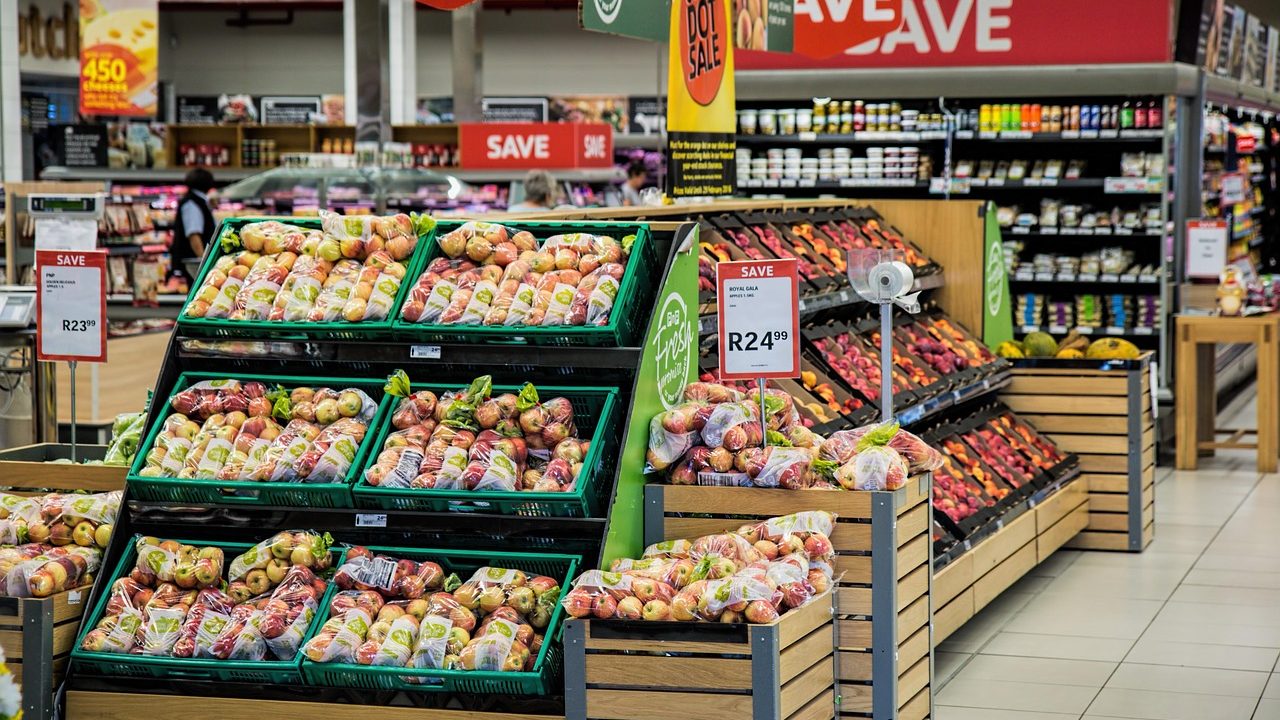
When you push your cart down the supermarket aisle, the price gap between national labels and store alternatives is hard to miss. Choosing store brand vs name brand groceries is one of the fastest ways to trim a weekly food budget, yet many shoppers hesitate. We have all experienced the worry that a generic box of cereal will taste like cardboard or that a budget dish soap will lack cleaning power. Fortunately, the reality of private-label manufacturing is far more reassuring than old marketing myths would have you believe.
Today’s private-label products—often called store brands—frequently match or even exceed the quality of expensive name brands. Major national food companies often manufacture these store-brand goods in the exact same facilities using nearly identical recipes. To cut your grocery bill without sacrificing quality, you need to understand how these products are made, where they differ, and which items deserve a permanent spot in your cart.
The Real Origin of Private-Label Groceries
One of the most persistent myths about store brands is that they are made in inferior factories under questionable conditions. In reality, the grocery supply chain is much more centralized than most consumers realize. Major food processing corporations that produce famous national brands also maintain massive manufacturing capacity that they lease out to supermarkets to produce private-label goods.
When a national brand company produces store-brand cereal, canned vegetables, or pasta, they use the same rigorous food safety standards, processing equipment, and quality control checks required for their own labeled items. While the exact recipe proportions or spice blends might vary slightly based on the supermarket chain’s specifications, the core ingredients and manufacturing rigor remain remarkably consistent. Understanding this reality helps remove the guesswork when you evaluate generic vs brand name food items on your next shopping trip.
Furthermore, major retailers often audit these manufacturing plants continuously. Because a private-label product carries the store’s own name or exclusive house brand, quality failures reflect directly on the retailer’s overall reputation. This accountability drives strict quality assurance protocols, ensuring that private-label items maintain high standards of safety, consistency, and taste.
Understanding Supermarket Tier Systems: Premium vs. Basic Generic
To navigate the modern grocery store effectively, it helps to understand that private-label products are rarely monolithic. Over the past two decades, major grocery chains have evolved far beyond the plain white generic boxes of the past. Today, many supermarkets operate on a tiered private-label strategy that gives consumers more choices across price and quality points.
At the entry level, you will find basic generic or “value” items. These are packaged in minimalist, low-cost containers and are designed to hit the lowest possible price point. They are ideal for basic ingredients where appearance or subtle flavor variations do not matter, such as granulated white sugar or standard all-purpose flour.
At the higher end of the spectrum, many major chains have introduced premium private labels. Think of brands like Kroger’s Private Selection, Target’s Good & Gather, or Safeway’s O Organics. These lines are specifically formulated to compete directly with—or even outperform—leading national name brands. They often feature organic certifications, non-GMO verifications, artisanal sourcing, or specialized flavor profiles. When comparing store brand vs name brand groceries, examining these premium tiers often reveals that you can get gourmet quality for significantly less than the advertised name-brand equivalent.

Pantry Staples: Where Store Brands Win Every Time
When looking at how to save money on groceries without altering your household’s diet, pantry staples represent your highest-return investment. These are foundational ingredients where branding adds virtually zero functional value to the final dish.
Consider items like granulated sugar, all-purpose flour, iodized salt, white rice, and dry pasta. Chemically and structurally, a bag of store-brand granulated sugar is identical to a bag featuring a national logo. Sugarcane and sugar beets undergo the same refining processes regardless of the final packaging. Similarly, dry pasta is typically made from durum wheat semolina and water. Provided the drying process and extrusion methods are standard—which they are across major industrial food plants—a box of generic penne will boil, cook, and taste precisely like its expensive counterpart.
Baking supplies like baking soda, baking powder, cornstarch, and rolled oats are equally safe bets for private-label savings. Because these are regulated commodities or simple single-ingredient foods, paying extra for a familiar logo only drains your wallet for zero tangible benefit.
Cooking oils, such as vegetable oil and canola oil, are another excellent category for store-brand swapping. These refined oils are processed to remove impurities and provide a neutral cooking flavor, meaning a bottle bearing a supermarket logo behaves identically in a skillet or deep fryer as an expensive branded alternative. The only exception worth noting is extra virgin olive oil, where sourcing and region can influence flavor profiles significantly; even then, many store-brand organic olive oils offer exceptional value and independent testing scores.
Dairy and Refrigerated Goods: Quality Without the Markup
Moving out of the dry pantry and into the dairy aisle, private-label dominance becomes even more pronounced. Milk, eggs, butter, and heavy cream are heavily regulated agricultural products. Fluid milk, for instance, is graded according to strict state and federal standards for pasteurization, vitamin fortification, and cleanliness.
Whether a gallon of whole milk wears a national dairy cooperative’s sticker or your local supermarket’s house brand, it came from regional dairy farms and underwent the exact same pasteurization process. In many cases, regional supermarkets source their milk from the exact same local dairies that supply name brands.
Butter is another prime example. Real butter must adhere to strict legal definitions regarding butterfat content (usually a minimum of 80% in the United States). Store-brand butter melts, browns, and bakes identically to name-brand sticks, making it an easy swap for everyday cooking and holiday baking alike.
Eggs are classified by size and interior quality by the USDA (Grade AA or Grade A). When you buy a dozen store-brand large eggs, you are getting the exact same nutritional value, shell strength, and freshness grade as cartons priced dollars higher for a branded logo. The same goes for standard dairy staples like sour cream, cottage cheese, and cream cheese, where basic dairy science and uniform production standards ensure consistent quality across labels.
Canned Goods, Spices, and Condiments
As you branch out into processed foods, sauces, and condiments, the evaluation becomes slightly more nuanced. While private-label canned tomatoes, black beans, and corn are generally excellent bargains, specialty sauces and condiments require a bit more consumer discernment.
For basic canned vegetables, check the ingredient list. If a can of store-brand diced tomatoes lists only tomatoes, tomato juice, and a touch of calcium chloride or citric acid, it is functionally identical to the name brand sitting right next to it. However, when you look at complex prepared foods—such as barbecue sauces, salad dressings, or flavored soups—the proprietary blend of spices, emulsifiers, and thickeners can vary significantly.
Spices are another category where store brands offer tremendous savings, though packaging matters. Buying basic spices like garlic powder, cinnamon, or black pepper in small plastic store-brand jars can save you upwards of 50% compared to specialty glass-jarred national brands. Just ensure the containers feature tight seals to keep the spices fresh in your cabinet.
Condiments like yellow mustard, ketchup, and mayonnaise occupy a middle ground. While yellow mustard is remarkably difficult to mess up regardless of the label, ketchup and mayonnaise feature distinct flavor profiles driven by vinegar ratios, sugar content, and egg-yolk emulsification. If your household has strong brand loyalty to a specific tangy ketchup or a particularly creamy mayonnaise, a blind taste test might be warranted before you permanently switch your entire stock.
Frozen Foods: Vegetables, Fruits, and Prepared Meals
The frozen food aisle offers some of the most dramatic price differences between store brands and national names, yet consumers often harbor unnecessary doubts about frozen private-label goods.
When it comes to frozen fruits and vegetables—such as peas, corn, broccoli florets, and sliced strawberries—store brands are virtually indistinguishable from name brands. In fact, many agricultural cooperatives harvest fruits and vegetables at peak ripeness, flash-freeze them within hours, and pack identical produce into both branded and unbranded poly bags. Because freezing preserves nutritional content effectively, buying store-brand frozen produce is a reliable way to stock your kitchen with healthy ingredients on a budget.
Frozen prepared meals, pizzas, and entrees, however, require more caution. While store-brand frozen French fries, tater tots, and plain chicken nuggets are usually great money-savers, complex multi-ingredient frozen dinners can vary wildly in quality. A branded lasagna or specialty stir-fry may feature superior meat ratios, higher-quality cheese blends, or better sauce consistency than its budget competitor. Reading customer reviews and testing a single package before stocking up can save you from an uninspired weeknight dinner.
When Name Brands Actually Matter
While private-label items excel in most categories, there are specific instances where sticking with a national name brand makes sense. These exceptions usually come down to unique proprietary recipes, texture preferences, or specialized manufacturing technology that competitors have not yet replicated.
Breakfast cereals are a classic dividing line. While simple toasted oat rings or corn flakes are easy to replicate under a store label, complex multi-grained cereals with freeze-dried fruit clusters, specific crunch textures, or proprietary marshmallow shapes often fall short in generic form. If your family is particular about the exact texture and sweetness of a specific cereal, the store brand might sit uneaten in your pantry, eliminating any intended savings.
Processed snack foods—such as specific types of crackers, cookies, or potato chips—can also present a challenge. The exact crispness, oil blend, and seasoning adherence of a famous snack brand are often guarded trade secrets. If you purchase a generic alternative and find the texture limp or the seasoning uneven, the minor savings may not be worth the disappointment.
Infant formula and specialized dietary foods also warrant extra scrutiny. While infant formula sold in the United States is strictly regulated by the FDA regardless of the brand name, parents often prefer sticking to trusted national names for consistency, pediatrician familiarity, and infant digestive tolerance.
Frequently Asked Questions About Store Brand Groceries
Navigating the shift toward private-label products often raises practical questions for budget-conscious shoppers. Here are clear answers to some of the most common concerns regarding store brand vs name brand groceries.
Are store-brand groceries manufactured in the same plants as name brands?
Yes, in many cases. Major national food manufacturers produce private-label goods alongside their flagship brands to maximize factory utilization. While recipes may vary slightly based on retailer specifications, the core manufacturing standards and safety protocols remain identical.
Why are store brands so much cheaper than name brands?
National brands invest heavily in television commercials, digital advertising, packaging design, and extensive market research. Supermarkets do not need to market their house brands in the same way; they rely on in-store placement and customer trust, passing those marketing savings directly to the consumer.
Do store brands have lower nutritional value?
Generally, no. Basic food items like flour, milk, sugar, and canned beans provide the exact same nutritional profile regardless of the label. For fortified foods like cereals or dairy products, check the nutrition facts label to ensure vitamins and mineral contents match your expectations.
Evaluating Private-Label Grocery Quality: A Practical Checklist
To avoid buyer’s remorse when experimenting with store brands, use a systematic evaluation checklist during your next few grocery trips:
- Inspect the Ingredient List: Compare the store brand directly against the name brand on the shelf. If the primary ingredients and their order are nearly identical, the product will perform similarly.
- Check the Processor Information: Many store-brand packages list the manufacturing plant or a distributor code. A quick glance often reveals that a trusted national brand actually packed the item.
- Start with Basic Commodities: Begin your transition with single-ingredient items like flour, sugar, oats, and frozen vegetables before tackling complex prepared meals.
- Test One Item at a Time: Swap out one or two everyday items per shopping trip rather than overhauling your entire cart at once, allowing your household to adjust without friction.
- Factor in Package Size and Unit Pricing: Always check the unit price tag on the shelf (price per ounce or per pound). Sometimes a name brand on sale beats the standard store-brand price.
By applying these straightforward guidelines, you can navigate the grocery store with confidence. Embracing private-label alternatives does not mean compromising on the meals you serve your family; it simply means keeping your hard-earned money where it belongs—in your own household budget.