If you shop for groceries without paying attention to the calendar, you are likely paying peak prices for staple items week after week. Supermarkets and food manufacturers do not price items in a vacuum. Instead, they operate on a predictable, multi-month retail calendar driven by agricultural harvests, processing cycles, national holidays, and corporate fiscal quarters. Understanding seasonal grocery price cycles allows you to align your shopping habits with these rhythms, ensuring you buy ingredients when they are cheapest and avoiding them when supply chain pressures drive prices skyward.
Many households treat grocery shopping as a reactive chore: you run out of an item, you go to the store, and you pay whatever the current shelf price happens to be. Breaking this cycle requires shifting from reactive purchasing to strategic inventory management. When you know that baking supplies drop to their absolute floor prices in November and December, or that ground beef and chicken frequently see deep promotional cuts during early summer and late autumn holidays, you stop buying out of immediate necessity and start buying out of opportunity. This comprehensive breakdown of the annual food pricing calendar explains how to map these cycles, stock your pantry efficiently, and permanently lower your monthly food expenditures.
The Anatomy of Supermarket Pricing and Retail Cycles
To understand why grocery prices fluctuate, you first need to understand how supermarkets make money. Grocery stores operate on notoriously thin profit margins, often hovering between one and three percent on food items. To drive volume and get shoppers through the doors, stores rely on a combination of loss leaders, manufacturer promotions, and cyclical inventory clearance.
Every item on a supermarket shelf goes through a pricing arc. When a new product launches or packaging changes, prices start high. Over time, as baseline sales stabilize, the item enters a rotation of promotional discounting. Retailers cycle through different departments every week—one week chicken is on sale, the next week pork is featured, and the week after that it is pasta and canned tomatoes. By tracking these rotations over several months, you will notice that they are rarely random. They correspond directly to broader supply chain realities and seasonal demand shifts.
Furthermore, national grocery chains coordinate their circulars with major food conglomerates. If a major cereal or snack manufacturer experiences a bumper crop year for its core ingredients, promotional allowances increase, leading to deeper discounts at the store level. Recognizing these macro-level trends transforms you from a passive consumer into an informed buyer who purchases inventory only when market conditions favor your wallet.
To build an effective purchasing strategy, you must also recognize how different store formats utilize these cycles. Traditional supermarkets rely heavily on high-low pricing—featuring steep weekly sales on select items while keeping baseline prices on everyday goods relatively high. Warehouse clubs, on the other hand, focus on everyday low pricing for bulk items, but they rarely participate in traditional holiday loss-leader promotions for perishable items like turkeys or hams. Understanding these structural differences prevents you from assuming that buying in bulk at a warehouse store is always cheaper than catching a cyclical loss-leader sale at a conventional supermarket.
Winter: Citrus, Baking Staples, and Post-Holiday Clearances
The winter months, stretching from January through March, offer some of the most distinct pricing opportunities of the entire year, particularly for baking goods, citrus fruits, and post-holiday clearance items.
As soon as New Year’s Day passes, supermarkets experience a sharp drop-off in demand for holiday baking supplies like flour, sugar, butter, chocolate chips, and spices. To clear out warehouse space for spring merchandise, retailers routinely slash prices on these items by 30 to 50 percent. This is the prime annual window to stock up on baking staples for the months ahead. Because granulated sugar, white flour, and unopened baking powder have long shelf lives when stored properly in airtight containers, buying your entire year’s supply in January can save you substantial amounts over buying them piecemeal at regular prices.
Simultaneously, winter is the peak harvest season for citrus fruits, including oranges, grapefruits, lemons, and mandarins. Because domestic supply from regions like California, Florida, and Texas is at its annual high, grocery stores run aggressive promotions on bulk bags of citrus. Conversely, out-of-season produce like fresh berries, sweet corn, and field tomatoes command premium prices during these months due to greenhouse cultivation and long-distance shipping costs. Smart shoppers pivot their meal planning away from summer produce and lean heavily into root vegetables, winter squash, and citrus during this quarter.
Beyond baking goods and produce, January is traditionally recognized as National Soup Month, resulting in sweeping manufacturer promotions and stock-up sales on canned broths, dried beans, and soup bases. If your household relies on comfort foods and slow-cooker meals during the coldest weeks of the year, this is the optimal window to acquire these ingredients at their lowest baseline costs before spring inventory shifts take effect.
Spring: Cleaning Supplies, Pantry Restocking, and Easter Markdowns
As winter turns to spring, the grocery landscape shifts toward cleaning supplies, pantry restocking events, and seasonal holiday markdowns centered around Easter and Passover.
March and April traditionally bring major promotional events often referred to in the industry as ‘Spring Stock-Up’ sales. Grocery stores partner with major consumer packaged goods companies to offer bundle deals, buy-one-get-one-free (BOGO) offers, and digital coupon stacking on non-perishable pantry essentials like pasta, rice, canned beans, and breakfast cereals. This corporate push coincides with spring cleaning season, meaning household paper products, laundry detergents, and surface cleaners also see deep discounting.
Meat departments undergo a notable shift during the spring as well. Lamb and ham see massive price cuts leading up to Easter Sunday, followed immediately by heavy clearance sales on Monday morning as stores unload surplus holiday inventory. If you have freezer space, buying post-holiday hams at half price provides inexpensive protein options for months to come. Additionally, as weather warms in late spring, retailers begin introducing early-season grilling promotions, signaling the start of the summer meat pricing cycle.
Spring is also a critical transitional period for fresh produce. As domestic hothouses ramp up production and early regional crops emerge in southern states, prices for leafy greens, asparagus, and early berries begin a steady descent from their winter highs. By monitoring weekly circulars during April and May, shoppers can catch the exact inflection point when fresh produce transitions from expensive luxury to affordable daily staple.
Summer: Grilling Season, Produce Gluts, and Meat Sales
Summer is a dynamic season for grocery spending. While certain categories reach their lowest prices of the year, others experience temporary price inflation driven by high seasonal demand.
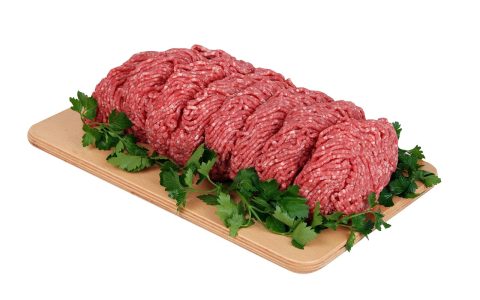
The meat department is the primary focal point of summer grocery savings. From Memorial Day through Labor Day, beef, pork, and poultry are aggressively promoted to capture the backyard grilling market. Ground beef, chicken breasts, ribs, and hot dogs rotate through weekly loss-leader status. To maximize savings on meat during this window, shoppers should monitor weekly circulars and purchase family-pack quantities when prices drop to rock-bottom thresholds, portioning them out at home and freezing them for off-season use.
Produce prices follow a similar feast-or-famine arc during the summer months. Local harvests create massive gluts of fresh corn, tomatoes, zucchini, berries, and stone fruits like peaches and plums. When local farms are overflowing with produce, grocery stores buy at lower wholesale costs and pass those savings on to consumers. However, imported items or out-of-season staples may see less discounting. The golden rule of summer grocery shopping is to eat what is locally in season. Doing so slashes your produce budget while dramatically improving flavor quality.
It is important to note that while fresh meats and local produce hit cyclical lows in the summer, certain packaged snack items and convenience foods often see higher baseline prices during these months. With children out of school and families hosting cookouts and outdoor gatherings, manufacturers experience steady demand that reduces the need for deep promotional discounting on chips, sodas, and pre-packaged condiments. Savvy consumers balance their summer savings on fresh proteins and local fruits by minimizing purchases of processed convenience foods.
Autumn: Baking Returns, Squash Harvests, and Holiday Stock-Up Windows
Autumn marks the transition back to comfort foods, heavy baking schedules, and the run-up to the massive year-end holiday grocery season.
Beginning in September and October, hearty produce items like hard squashes, apples, and pumpkins hit peak harvest and lowest annual prices. This is also the time when the annual cycle of baking staple discounts begins anew. Manufacturers anticipate the massive demand for Thanksgiving and Christmas baking, rolling out introductory sales on flour, sugar, canned pumpkin, and evaporated milk as early as October.
The critical stock-up window for non-perishables arrives in November. The weeks leading up to Thanksgiving feature the deepest price cuts of the entire year on turkeys, butter, stuffing mixes, cranberry sauce, and baking ingredients. Supermarkets use these items as primary loss leaders to lure shoppers through the doors, knowing that customers will buy a cart full of higher-margin items during the same trip. Savvy shoppers take full advantage of these loss leaders, buying extra turkeys for the freezer and stocking up on baking goods to last through the following autumn.
As autumn transitions into December, the holiday baking season reaches its absolute zenith. Retailers introduce secondary waves of promotions on specialty cheeses, chocolate, nuts, and entertaining supplies. While the immediate post-Christmas week offers sweeping clearances on holiday-themed packaging and gift sets, the core ingredients purchased in November and early December remain the foundation of long-term household savings.
Developing a Strategic Pantry Stock-Up Strategy
Knowing when prices drop is only half the battle; you also need a system for buying and storing items without creating clutter, food waste, or financial strain. A sustainable pantry stock-up strategy relies on three core principles: rotation, storage integrity, and budget smoothing.
First, adopt a rolling inventory system. Instead of buying a massive quantity of an item and pushing older stock to the back where it eventually expires, organize your pantry using a first-in, first-out (FIFO) method. When you bring home new canned goods, pasta, or baking supplies, place them behind the existing stock. This ensures that items purchased during previous cyclical sales are consumed before newer purchases.
Second, invest in proper storage containers. Cardboard boxes and thin plastic bags invite pantry pests like grain moths and weevils, while exposure to humidity can ruin flour, sugar, and oats. Transferring dry bulk goods into heavy-duty, airtight polycarbonate containers or glass jars extends the shelf life of your cyclical stock-up purchases, ensuring your investment remains fresh and usable for months.
Finally, practice budget smoothing. Buying a year’s supply of baking goods in January or stocking your freezer with summer grilling meats can strain a single week’s grocery budget. Instead of overhauling your spending all at once, allocate a small, fixed percentage of your monthly grocery budget specifically toward cyclical stock-up items. Over the course of a year, this gradual approach builds a robust pantry buffer without disrupting your household cash flow.
Navigating Grocery Markdown Schedules and Clearance Windows
Beyond seasonal calendar shifts, individual supermarkets operate on daily and weekly markdown schedules that offer consistent opportunities to save on fresh and perishable goods.
Most grocery stores clear out meat, dairy, bakery, and prepared foods that are approaching their ‘sell-by’ or ‘use-by’ dates early in the morning or late in the evening. Understanding your local store’s markdown routine is one of the most effective ways to lower your baseline food costs. For example, a store might mark down meat packages by 30 to 50 percent at 7:00 AM on the final day of freshness, or do a general sweep of the dairy and bakery departments every evening before closing.
Purchasing markdown meat is completely safe provided you handle and cook it properly. The key is to have a plan for these items the moment you bring them home. If you cannot cook the discounted chicken breast or ground pork that evening, wrap it tightly in freezer-safe packaging and freeze it immediately. This transforms perishable short-term markdowns into long-term savings, effectively bypassing standard retail pricing entirely.
Common Pitfalls to Avoid When Buying in Bulk
While strategic purchasing and stock-up windows can dramatically reduce your food expenses, several common traps can easily negate your savings if you are not careful.
The most frequent mistake is buying an item simply because it is on sale, regardless of whether your household actually consumes it. A case of canned sardines marked down to fifty cents is not a bargain if it sits in the back of your pantry for five years untouched. Always cross-reference promotional prices and cyclical sales against your family’s established meal plan and consumption habits.
Another major pitfall is ignoring storage limitations. Buying half a cow or fifty pounds of flour makes little financial sense if you lack adequate freezer space or if high ambient humidity causes your dry goods to spoil. Calculate your storage capacity before committing to large cyclical stock-up purchases. True savings only occur when every purchased item is fully consumed before its quality degrades.
Frequently Asked Questions About Grocery Price Cycles
To help you put these principles into practice, here are answers to common questions regarding retail grocery calendars, inventory management, and maximizing seasonal savings.
How far in advance should I check grocery circulars to spot seasonal trends? Tracking circulars across a full 12-month cycle is the best way to understand your local store’s patterns. While national food holidays remain consistent year after year, individual regional chains rotate their major promotional events on predictable multi-week schedules.
Do expiration dates mean I cannot stock up on dry goods during annual low points? Most non-perishable staples have best-by dates that extend well past a year when stored correctly in cool, dry, and dark environments. Quality may degrade very gradually over time, but properly sealed sugar, salt, white rice, and honey remain safe and edible indefinitely.
What is the best way to handle freezer storage when buying meat on seasonal sale? Invest in a vacuum sealer or use heavy-duty freezer paper paired with plastic wrap to prevent freezer burn. Label every package with the date of purchase and cut type to maintain an organized rotation system inside your freezer.
Conclusion: Putting the Retail Calendar to Work for Your Household
Mastering seasonal grocery price cycles requires patience, observation, and a willingness to step away from rigid weekly meal planning. By understanding that food prices operate on a predictable annual loop—from winter baking clearances and spring cleaning promotions to summer meat markdowns and autumn holiday loss leaders—you can time your purchases to match the market’s lowest points.
Start small by auditing your household’s consumption of non-perishable staples and identifying two or three categories to target during their next seasonal low. As you build your rolling inventory and learn your local store’s markdown habits, you will notice a steady, predictable decrease in your monthly grocery spending. By letting the retail calendar work for you rather than against you, you can permanently lower your food costs while keeping your pantry fully stocked with quality ingredients.