
When family budgets tighten, bulk buying at wholesale stores often looks like an obvious solution. The promise of lower unit prices on meat, dairy, paper goods, and pantry staples draws tens of millions of shoppers into wholesale chains every year. However, deciding if a warehouse club membership worth it grocery savings US households rely on requires looking beyond the sticker price. Annual dues, food spoilage, storage constraints, and unscripted spending can quickly erode those advertised savings.
While buying sixty rolls of toilet paper or a gallon of olive oil reduces the price per unit, it also requires upfront capital and dedicated physical space. To determine whether a wholesale membership delivers genuine savings or simply encourages overspending, consumers must evaluate how their household buys, stores, and consumes everyday items compared to traditional supermarket sales cycles.
The Economics of Warehouse Shopping: Dues, Markup, and Unit Prices
To understand the financial dynamics of a warehouse club, it helps to examine how these retail giants generate profits. Traditional grocery stores typically operate on low overall profit margins across a massive inventory of 30,000 to 50,000 distinct items (stock-keeping units, or SKUs). They frequently mark up certain specialty products while running deeply discounted loss leaders on staples like eggs, milk, or seasonal produce to pull shoppers through the door.
In contrast, wholesale clubs limit their inventory to roughly 4,000 SKUs. By purchasing massive quantities directly from manufacturers and forcing items to move on original shipping pallets, they keep operational overhead remarkably low. Their retail markup is generally capped around 14% to 15%, compared to 25% to 35% at traditional supermarkets. However, a significant portion of a wholesale club’s net profit comes directly from annual membership fees rather than retail product markups.
Because you pay an upfront fee just to walk through the door—typically ranging from $60 to $130 annually depending on the tier and store chain—your net savings depend entirely on volume. You must generate enough unit-price savings over twelve months to cover that initial entry fee before you earn a single dollar in true profit.
Calculating the Break-Even Point for Household Budgets
Determining your personal break-even point requires comparing the average unit price savings on items you regularly purchase against the annual membership fee. For a standard tier fee, the math depends on how frequently you shop and what you place in your cart.
Consider a simple practical example. If a household saves an average of 15% on non-perishable pantry goods, paper products, and cleaning supplies compared to standard supermarket retail prices, how much must they spend to cover a $65 standard annual fee?
At a 15% average discount, spending approximately $435 per year on qualifying items pays for a $65 standard tier. That breaks down to about $36 per month. If your household regularly buys coffee, olive oil, paper towels, trash bags, and laundry detergent at the club, breaking even on the membership fee alone is relatively simple.
However, that simple calculation assumes zero waste and ignores competing sales at conventional stores. When traditional supermarkets put non-perishables on loss-leader sales or offer digital store coupons, their unit prices often match or beat standard wholesale pricing. The real savings calculation must account for how often you switch brands and whether you shop sales strategically at regular stores.
The High Cost of Food Spoilage: The Hidden Margin Killer
The single greatest threat to bulk grocery savings is food spoilage. Buying three pounds of fresh berries or a five-pound tub of cream cheese at an exceptionally low unit price yields no financial benefit if half of it rots before your family can eat it.
Food waste math is unforgiving. If you buy a three-pound clamshell of strawberries at a warehouse store for $6 ($2.00 per pound), but throw away one-third of the container due to mold, your effective cost rises to $3.00 per pound. If a traditional grocery store sells a single one-pound container for $2.50 on sale, buying the smaller amount at the supermarket is actually cheaper because zero food was wasted.
High-Risk vs. Low-Risk Wholesale Items
To preserve your savings, categorize warehouse purchases into risk levels based on shelf life and household consumption habits:
- Low-Risk Items: Paper products (toilet paper, paper towels), trash bags, laundry pods, dry pasta, canned tomatoes, canned beans, white rice, cooking oils, hard cheeses, and shelf-stable baking supplies.
- Moderate-Risk Items: Frozen meats and seafood, frozen fruits and vegetables, nuts, cereal, spices (which lose potency over time), coffee beans, and butter.
- High-Risk Items: Fresh berries, salad greens, soft cheeses, large loaves of bakery bread, oversized tubs of sour cream or yogurt, and refrigerated dips.
A smart household shopping strategy focuses wholesale buying almost entirely on low-risk items and high-volume staples with extended shelf lives, while leaving fragile, highly perishable produce to local supermarkets.

Costco vs. Sam’s Club Bulk Savings and Market Positioning
When comparing major club operators, understanding subtle operational differences helps align your membership choice with your regional access and spending patterns. Looking at Costco vs Sam’s Club bulk savings options shows how each operator caters to slightly different consumer needs.
Costco generally focuses on higher-end organic produce, premium private-label items under its Kirkland Signature brand, and a rotating selection of high-quality household gear. Its private-label goods frequently equal or surpass national name brands in quality testing while maintaining aggressive wholesale pricing. For households that prioritize organic foods, high-grade olive oils, and specialty pantry staples, the savings potential at Costco is substantial.
Sam’s Club, operated by Walmart, often features a lower entry-level membership fee and integrates advanced digital scanning tools within its mobile application, allowing shoppers to bypass checkout lines entirely. Their private label, Member’s Mark, focuses heavily on family value staples and competitive bulk pricing on commercial-style snacks and household cleaners. Furthermore, Sam’s Club frequently matches standard Walmart pricing across smaller quantities while providing deeper bulk discounts on commercial packaging.
BJ’s Wholesale Club, primarily operating along the East Coast, takes a hybrid approach. Unlike Costco or Sam’s Club, BJ’s accepts manufacturer coupons alongside store coupons and offers smaller pack sizes that closely resemble standard supermarket goods. This lower product volume makes BJ’s easier to navigate for smaller households or apartments with limited storage space.
Storage Overhead and The Hidden Costs of Physical Space
Bulk shopping requires physical infrastructure. Purchasing goods in large quantities transfers the storage responsibility from the retailer’s warehouse directly into your home. The cost of that physical footprint is a real, though often overlooked, financial factor.
To maximize savings on bulk meat, frozen produce, and batch-cooked meals, many families invest in a dedicated chest freezer or secondary upright freezer. While a standalone freezer allows you to purchase meat on deep clearance or in commercial-sized packs, you must calculate the equipment amortizations and ongoing utility costs into your budget.
A basic small chest freezer costs between $200 and $350 upfront, and consumes roughly 150 to 250 kilowatt-hours of electricity per year, depending on efficiency and ambient basement or garage temperature. Over a five-year period, operating costs and purchase price add roughly $60 to $80 per year to your overall grocery infrastructure costs. If your bulk purchases don’t save at least that much on frozen goods each year, the extra appliance isn’t paying for itself.
Indoor living space carries equivalent value. Storing dozens of paper towel rolls, cases of sparkling water, and massive boxes of laundry detergent in small apartments or crowded closets reduces living usability and can lead to duplicated purchases when hidden items are forgotten in the back of a cabinet.
Household Size and Spending Patterns: Who Really Benefits?
Not every household profile extracts the same value from a warehouse membership. Applying household grocery budgeting strategies requires tailoring your store choices to your home’s actual consumption patterns.
| Household Type | Savings Potential | Best Bulk Categories | Primary Risk Factors |
|---|---|---|---|
| Single Consumer | Low to Moderate | Paper goods, gas, non-perishables, OTC medicine | Food spoilage, excessive storage demands |
| Couple / 2 Adults | Moderate | Coffee, pantry staples, wine, frozen items | Impulse buys on seasonal gear |
| Family with Kids (3+) | High | Dairy, meat, snacks, produce, laundry supplies | Over-shopping perishable snacks |
| Multi-Generational Home | Very High | Commercial staples, fresh produce, paper goods | Lack of pantry inventory management |
For a single individual or couple living in an urban condo, reaching the break-even point strictly through grocery items takes longer. However, if that same small household regularly purchases over-the-counter allergy medications, prescriptions, gas, or specialized dietary goods like olive oil and nuts, the savings can easily cover the annual fee.
For families with three or more people, particularly those with teenagers or young children in diapers, high consumption rates eliminate the risk of produce spoilage and accelerate unit-price savings on everyday staples like milk, eggs, bread, and poultry.
Evaluating Non-Grocery Benefits: Gas, Pharmacy, and Tire Centers
A common mistake when evaluating whether a warehouse club membership worth it grocery savings US consumers calculate is ignoring non-grocery ancillary services. For many members, non-food perks contribute more toward offsetting the membership fee than food savings do.
1. Fuel Station Savings
Member-only gas stations frequently price fuel 10 to 30 cents per gallon below surrounding local stations. For a driver who fills a 15-gallon tank once a week, saving an average of 20 cents per gallon translates to $3.00 per tank, or $156 per year. That single benefit can pay for a base-level membership twice over, provided the club station is along your regular commute and doesn’t require extra driving miles or idling in long lines.
2. Pharmacy and Health Items
Generic over-the-counter medications like allergy pills, pain relievers, and antacids are remarkably cheap at warehouse stores. A bottle of 365 generic allergy pills often costs roughly the same as a 30-day supply at a standard drugstore. Purchasing generic health items twice a year can clear $40 to $60 in annual savings alone.
3. Automotive and Optical Services
Free tire rotations, flat repairs, competitive tire replacement packages, and discounted prescription eyewear offer periodic cash savings. While you won’t buy tires every year, a single set of four tires purchased at wholesale prices every four years can save $100 to $150 compared to standard auto chains.
The Psychology of the Warehouse Floor: Avoiding the Impulse Trap
Warehouse stores excel at store layouts designed to maximize unplanned spending. Broad main aisles, open sightlines, sample stations, and seasonal entrance displays encourage shoppers to drop higher-margin apparel, electronics, seasonal decor, and gourmet treats into their extra-large shopping carts.
This layout creates a phenomenon known as basket inflation. Because warehouse shopping carts are roughly double the size of conventional supermarket carts, picking up two or three unplanned items—such as a $25 throw blanket, a $15 gourmet snack pack, and a $30 kitchen appliance—can easily add $70 or more to a single trip. Doing this just twice a year wipes out a significant portion of your annual unit-price savings on pantry staples.
Strategies to Combat Impulse Buying
To keep your bulk grocery savings intact, employ disciplined shopping habits:
- Shop with a Firm List: Write down exactly what pantry staples and household items you need before leaving home, and commit to sticking strictly to the list.
- Calculate Total Cart Value as You Shop: Keep a running tally of items in your head or on your phone’s calculator, remembering that average item prices in warehouse stores are around $10 to $20, rather than the $3 to $5 typical of regular groceries.
- Avoid Shopping Hungry: Food sampling stations are strategically designed to stimulate hunger and prompt quick purchases of high-margin frozen or packaged snacks.
- Set a Cash or Card Limit: Assign a strict ceiling for your warehouse trip to force deliberate trade-offs before reaching the register.
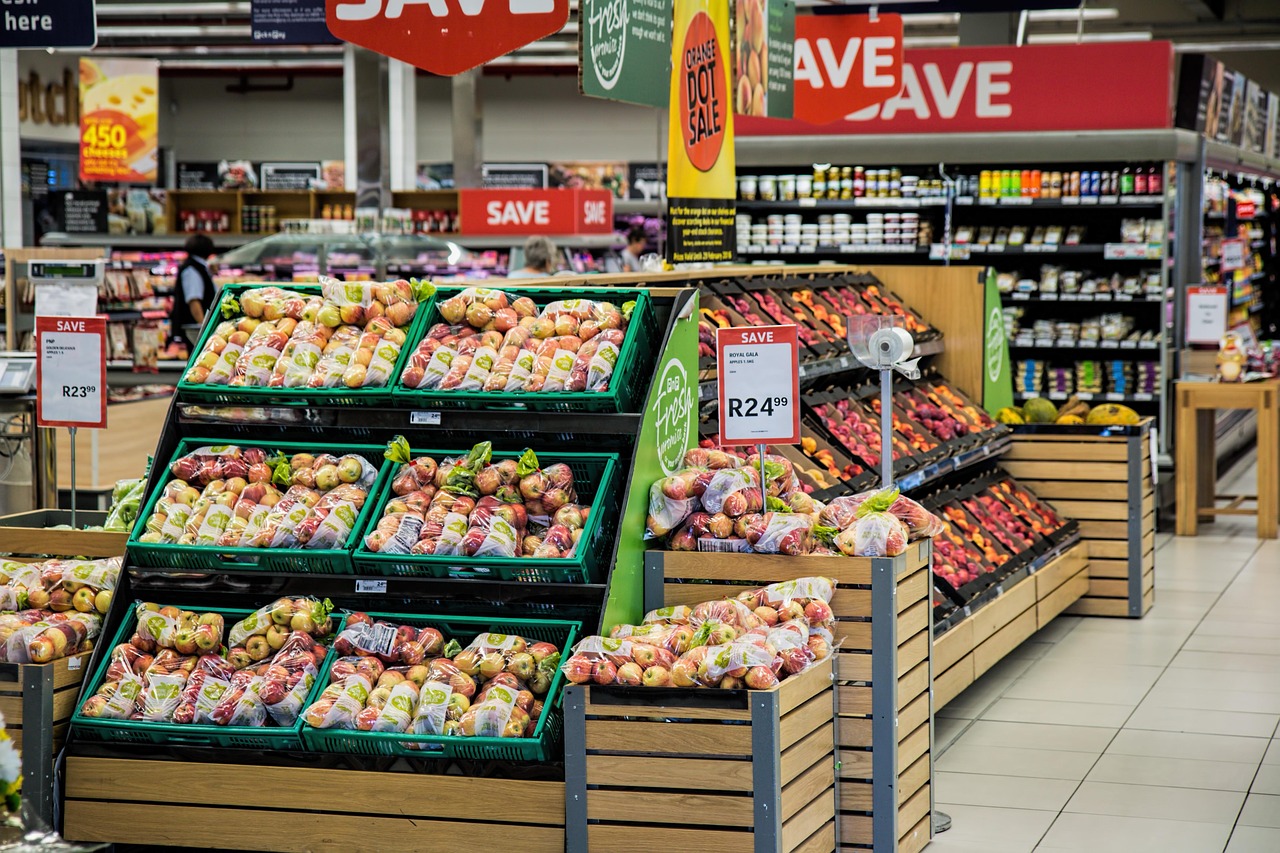
Traditional Grocery Store Counter-Strategies: Digital Coupons and Loss Leaders
Shopping at a warehouse club doesn’t automatically guarantee the absolute lowest unit price on every item. Traditional supermarket chains have updated their promotional tactics to compete directly with wholesale retailers.
Conventional supermarkets frequently run deep discounts on specific departments using loss leaders—selling staple goods like bone-in chicken breasts, seasonal fruit, or butter at or below wholesale cost to bring customers into the store. When combined with store digital loyalty programs, app-based manufacturer coupons, and store-brand product lines, a strategic supermarket shopper can match or undercut bulk warehouse pricing without buying in massive quantities.
For example, when a traditional supermarket runs a major holiday sales event on baking supplies, butter, or canned items, stocking up on smaller packages at the store sale price offers three advantages: lower upfront cash outlay, smaller storage footprints, and zero annual membership fees.
A Step-by-Step Decision Framework for Consumers
To decide whether a wholesale membership fits your personal finances, work through this practical step-by-step audit before signing up or renewing:
- Audit Your Perishable Spoilage: Track your household food waste for two weeks. If you consistently discard produce, bread, or fresh dairy products from standard store sizes, avoid buying perishables in bulk sizes.
- Measure Your Available Storage Space: Check your pantry, deep freezer, and closet capacity. Make sure you have dry, pest-free, climate-controlled space for large box sizes before committing to multi-packs.
- Review Non-Grocery Perks: Calculate your proximity to a club fuel station and review your annual spending on generic medications, contact lenses, or auto maintenance. If gas savings alone cover the fee, grocery discounts are an added bonus.
- Run a 30-Day Price Comparison: Track the unit prices (cost per ounce, pound, or count) of the ten household items you purchase most frequently at your local grocery store, and compare them directly against wholesale prices online or during a store visit using a guest pass.
Advanced Shopping Techniques to Maximize Wholesale Returns
For consumers who decide to maintain a wholesale membership, implementing advanced shopping strategies can double or triple the net financial return over the course of a year. Bulk buying requires a different tactical mindset than standard grocery runs.
1. Master the Price Tag Decoding Strategy
Major warehouse clubs use specific pricing codes on their shelf tags to signal closeouts, manager markdowns, and inventory clearances. Understanding these pricing signals allows shoppers to grab items at deep discounts:
- Ending in .99: Standard full retail price for wholesale merchandise.
- Ending in .97 or .88: Manager markdowns or clearance items priced to move quickly. These represent some of the highest potential savings on non-perishable pantry items and home goods.
- An Asterisk (*) on the Tag: Indicates the item is discontinued and will not be re-stocked. If it is a staple product your family uses daily at a low unit price, it is often wise to purchase extra units before stock runs out.
2. Divide and Conquer with Split Purchases
One of the most effective ways for smaller households or single shoppers to mitigate food spoilage and storage constraints is to split bulk purchases with a neighbor, friend, or family member. Dividing a twin-pack of olive oil, a massive pack of paper towels, or a five-pound bag of cheese immediately halves the upfront cash cost and storage burden while preserving the low wholesale unit price.
3. Leverage Executive Tier Cash-Back Math
Higher-tier memberships (such as Costco Executive or Sam’s Club Plus) typically cost double the standard membership fee—around $130 annually—but offer a 2% annual cash-back reward on qualifying purchases. Determining whether the premium tier is worth it comes down to simple math:
To earn back the additional $65 cost of upgrading from a basic tier to a premium tier, a household must spend at least $3,250 annually at the club ($271 per month). If your family spends more than $300 per month on groceries, gas, household supplies, and travel services through the club, the upgraded tier pays for itself and yields extra cash back at the end of the year.
Frequently Asked Questions About Wholesale Savings
Here are answers to common questions consumers ask when evaluating warehouse memberships against standard grocery shopping:
Can I shop at warehouse clubs without a membership?
Yes, in certain circumstances. In many US states, laws prohibit membership clubs from restricting sales of prescription drugs or alcohol to members only. Additionally, non-members can shop online at certain wholesale websites (often paying a 5% surcharge) or use store gift cards purchased for them by an active member to enter the store and buy items at checkout.
Are meat and produce always cheaper at warehouse clubs?
Not necessarily. While warehouse clubs offer high quality and consistent pricing on USDA Choice or Prime meats and organic produce, traditional supermarkets frequently beat wholesale prices when running weekly meat specials or seasonal produce sales. Calculating cost-per-pound is essential before committing to massive meat packages.
How do return policies affect warehouse value?
Most major warehouse clubs offer industry-leading return policies, often accepting returns on food items or opened household products if you are dissatisfied with the quality. This risk-free policy protects your budget against bad product choices, unlike traditional supermarkets which often have stricter return windows on opened items.
Final Verdict: When a Warehouse Membership Pays Off
A warehouse club membership delivers concrete financial returns when approached with a clear shopping strategy, accurate unit-price comparison, and realistic storage capacity. For medium-to-large families, regular commuters who make full use of member gas stations, and disciplined shoppers who stick to non-perishable pantry staples, the annual savings easily exceed the entry fee.
Conversely, for small households with limited storage space, those prone to impulse spending on seasonal displays, or shoppers who regularly throw out half-eaten perishable foods, traditional supermarkets—leveraged with digital coupons and weekly store sales—remain the most cost-effective choice.