When your utility bills start creeping up, or you feel a steady draft every time the wind blows, your windows are usually the prime suspect. For many homeowners, the natural instinct is to start shopping for new units. But once you settle on durable, energy-efficient fiberglass, a second major decision arises: should you opt for a pocket insert retrofit or a complete full-frame installation? This choice dictates everything from your total project cost to how much natural light enters your rooms and how disruptive the installation process will be.
Understanding the core differences in fiberglass window replacement vs retrofitting starts with looking at how your current windows are built into your home. Not all window openings are created equal, and what looks like a simple glass swap on the surface can sometimes hide deeper structural issues that demand a full tear-out. Let’s examine how each method works, where they excel, and how to evaluate your home’s needs before signing a contract with an installer.
Beyond the immediate aesthetic boost, selecting the right installation path protects your home’s thermal envelope. Windows are complex building assemblies that must resist wind loads, shed water away from the structure, and prevent thermal bridging. When you upgrade to modern fiberglass frames, you are investing in a material known for its high tensile strength and minimal thermal expansion. However, pairing superior frame material with an incompatible installation approach can compromise these benefits. To make an informed choice, let’s explore the mechanical realities of both techniques.
Defining the Two Installation Methods
Before comparing costs and thermal metrics, it helps to visualize what happens to your walls during each type of installation.
A pocket window replacement (often called an insert retrofit) utilizes your home’s existing window frames and exterior trim. As long as the current wood, vinyl, or aluminum frame is structurally sound, square, and free of rot, the installer removes the old sashes, weights, and parting beads. A brand-new, self-contained window unit is then slid directly into the existing opening and secured. You keep your interior trim, and the exterior siding remains completely untouched.
A full-frame replacement (often called new-construction installation) strips the entire window down to the bare studs. The old frame, exterior trim, sill, and fins are completely removed. This allows the installation team to inspect the rough opening for water damage, replace rotten framing lumber, install modern flashing and weather-resistant barriers, and mount a brand-new window unit equipped with an integrated nailing fin.
In a typical retrofit scenario, the existing opening acts as a sub-frame. The exterior stop moldings remain intact, and the new insert is anchored through its side jambs directly into the old frame structure. Caulking and exterior capping are then applied to seal the perimeter. Conversely, a full-frame installation requires cutting back siding, stripping exterior brick mold, and exposing the rough opening framing. Installers then level the sill, install self-adhering flashing tape (often referred to as house wrap integration), nail the new unit’s fin to the exterior sheathing, and build out new interior and exterior trim.
When planning this type of home upgrade, understanding the precise demolition footprint is vital. Pocket retrofits are surgical; they leave the surrounding building envelope undisturbed. Full-frame installations, by nature, breach the building envelope. They require meticulous attention to air-sealing and water-management details to ensure that the newly exposed studs are protected against future moisture intrusion.
Evaluating Frame Durability and Material Integrity
Fiberglass is celebrated in the residential construction world for its exceptional strength, dimensional stability, and resistance to thermal expansion. Unlike vinyl, which can warp or sag under extreme heat, fiberglass expands and contracts at almost the exact same rate as window glass. This reduces seal failure and keeps the window airtight over decades of seasonal temperature shifts.
However, the performance of your new fiberglass windows depends heavily on what they are attached to.
- When retrofitting works best: If your existing frames are made of sturdy, rot-free wood or rigid vinyl, a pocket insert lets you leverage that existing strength. The new fiberglass insert reinforces the opening, and because the exterior frame casing remains sealed against the weather, you minimize the risk of disturbing a weather-tight building envelope.
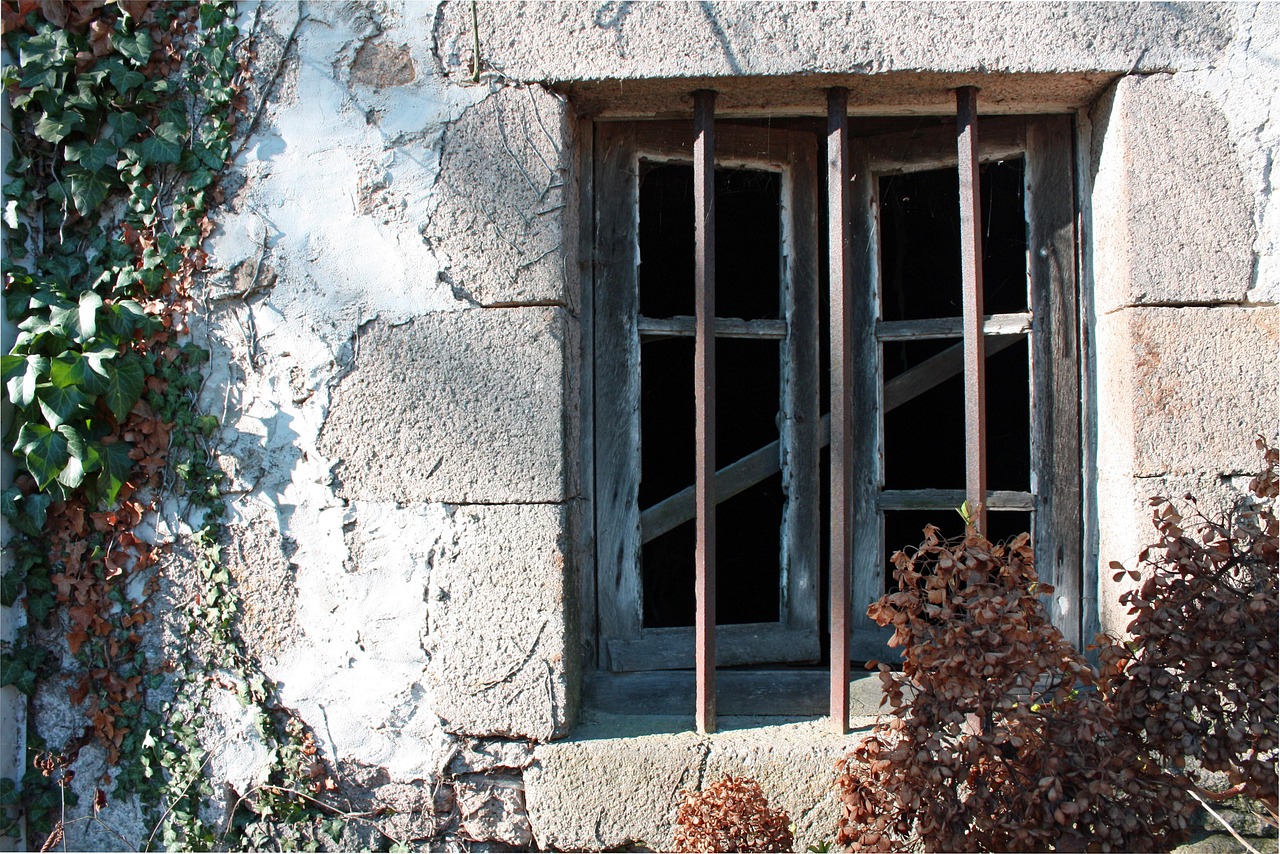
- When retrofitting is a mistake: If your current frames suffer from hidden wood rot, chronic water leaks, or severe bowing, sliding a new insert into them is essentially sealing a problem inside a box. Rotten framing will continue to degrade, eventually compromising the structural stability of the new window. In these cases, a full-frame replacement is non-negotiable.
Pultruded fiberglass profiles are created by pulling glass filaments through a heated die infused with synthetic resins. This process yields a structural composite that does not rot, rust, corrode, or warp under harsh environmental stressors. Yet, if the substrate holding this rigid fiberglass insert is compromised—such as water-damaged pine jambs from an old leaky sill—the mechanical fasteners holding the insert can eventually pull loose. Homeowners must thoroughly check the structural soundness of the existing jambs before committing to an insert.
Furthermore, consider the age of your home. Homes built before the 1980s often feature old-growth timber frames that are remarkably dense and durable. If these older wood frames have been properly maintained and protected from direct water exposure, they make exceptional candidates for pocket retrofitting. Conversely, houses built during construction booms with lower-grade framing lumber may exhibit premature warping or dimensional instability, making a full-frame rebuild the safer long-term investment.
Thermal Performance and Energy Efficiency
Energy efficiency is usually the primary driver behind window upgrades. Both methods can dramatically improve your home’s comfort, but they affect thermal performance in slightly different ways.
Pocket inserts generally feature a slightly smaller glass area than your original windows. Because the new frame sits inside the old frame, you lose a fraction of an inch of glass perimeter on all four sides. While this reduction is usually negligible to the naked eye, it slightly decreases the Solar Heat Gain Coefficient (SHGC) and Visible Transmittance (VT) compared to a full-frame installation. For rooms with limited natural light, this minor loss in glass area is worth factoring into your design choice.
On the other hand, full-frame replacements allow for comprehensive air-sealing and insulation around the perimeter of the rough opening. Installers can pack low-expansion foam insulation into the deep cavity between the window frame and the wall studs—a space that is completely inaccessible during a standard pocket retrofit. Furthermore, full-frame installations ensure proper sloping of the exterior sill, preventing pooling water that can eventually breach the thermal envelope.
When reviewing NFRC (National Fenestration Rating Council) energy labels, consider how installation affects the whole-window U-factor. While the fiberglass insert itself possesses stellar thermal resistance, a poorly insulated pocket gap can create a localized thermal bridge. Full-frame installations give installers direct access to the rough opening, allowing them to allow continuous insulation barriers and flashings that eliminate drafts at the stud-to-frame interface.
Air infiltration rates also deserve close attention. Modern fiberglass windows feature advanced weatherstripping and tight corner seals. When paired with a professional full-frame installation that integrates house wrap and flashing tapes seamlessly into the wall assembly, air leakage is driven down close to zero. Retrofits rely heavily on the efficacy of the original exterior stop and caulk joints, which may require periodic maintenance down the line to sustain peak airtightness.
Total Project Costs and Labor Dynamics
Budget is often the deciding factor for homeowners navigating home renovations. When evaluating full frame window replacement cost versus pocket window replacement, labor is the primary variable.
Pocket retrofits are faster and less labor-intensive. A skilled crew can typically install an insert window in an hour or two, meaning an entire house can often be completed in a single day. Because there is no demolition of interior trim or exterior siding, you save significantly on labor hours, drywall repair, painting, and siding patching.
Full-frame replacements are major construction projects. They require specialized carpentry skills to remove exterior siding, cut back trim, replace rotted framing members, and ensure proper flashing integration. Consequently, labor costs can easily double compared to a retrofit. Additionally, you may need to budget for interior trim carpentry and exterior siding repairs once the new windows are anchored in place.
To put this into perspective, material costs for fiberglass windows remain relatively consistent regardless of the installation method. The price divergence stems almost entirely from labor hours and secondary material requirements. Retrofits require minimal finishing supplies—mostly high-grade exterior sealant and interior shoe molding or stops. Full-frame projects, however, demand structural lumber, flashing tapes, weather-resistive barriers, new exterior trim, and potential drywall patching or painting inside every room where a window is replaced.
When requesting contractor bids, always ask for an itemized breakdown separating unit costs from labor and finishing expenses. This transparency allows you to see exactly where your renovation dollars are going and helps you evaluate whether paying for a full-frame overhaul makes financial sense for your specific property value and anticipated tenure in the home.

Siding and Trim Impact: What Gets Disturbed?
The exterior impact is one of the most practical differentiators between these two approaches.
If your home features stucco, brick veneer, or intricate historic siding, full-frame replacements can quickly become complex and costly. Cutting into stucco or pulling back brick mold requires masonry work and specialized sealing to prevent future leaks. For homes with delicate or expensive exterior finishes, pocket inserts are often favored specifically because they leave the exterior siding completely undisturbed, preserving the original weather barrier.
Conversely, if your siding is due for replacement anyway—such as old vinyl or weathered wood clapboard—coordinating full-frame window replacements concurrently makes practical sense. It allows the contractor to integrate the window nailing fins directly into the new house wrap and siding system for maximum moisture protection.
Preserving interior aesthetics is another consideration. Many older homes feature custom woodwork, deep wood sills, or handcrafted casing that homeowners are loath to destroy. Pocket retrofits leave all interior trim completely intact. Full-frame replacements require tearing out the interior stool, apron, and side casings, meaning you will either need replacement millwork that matches your home’s vintage or custom carpentry work to restore the interior look.
It is also worth noting how exterior capping interacts with these methods. In a retrofit, aluminum or vinyl coil stock is typically bent on-site to wrap the existing exterior wood trim, protecting it from weathering. In a full-frame installation, new brick mold or J-channel trim is installed around the new window unit, tying directly into the siding layout. Understanding these finish details prevents unwanted surprises on installation day.
Common Installation Pitfalls and Mistakes to Avoid
Whether you choose a pocket insert or a full-frame replacement, execution errors can undermine the performance of premium fiberglass windows. Being aware of standard installation pitfalls helps you ask the right questions of your contractor.
- Ignoring Squareness and Plumb: A window opening must be precisely square and level. If an insert is forced into a twisted old frame, or a full-frame unit is anchored without shimming, the sashes will bind, and locking mechanisms will fail prematurely.
- Inadequate Flashing Details: Moisture management is critical. In full-frame installations, skipping sill flashing tape or installing flashing out of sequence (failing to lap weather-resistive barriers correctly over the nailing fin) invites water behind the siding.
- Over-Foaming Rough Openings: Using high-pressure expanding foam instead of low-expansion window-and-door foam can bow the fiberglass jambs inward, ruining window operation and breaking glass seals.
- Neglecting Thermal Breaks: Failing to insulate the perimeter gap properly during a full-frame swap creates a cold bridge that can lead to condensation and interior mold growth around the frame edges.
Frequently Asked Questions About Window Upgrades
Can I mix pocket inserts and full-frame replacements in the same house?
Yes. Many homeowners use pocket inserts on upper-story windows where framing is sound and exterior access is difficult, while opting for full-frame replacements on ground-floor windows or areas with known moisture issues.
How do I know if my framing has hidden rot before getting an estimate?
Check the exterior paint and caulk lines around the window perimeter. Peeling paint, soft wood when poked with an awl, or dark staining beneath the sill typically indicate water intrusion that requires a full-frame inspection.
Does fiberglass require special maintenance compared to vinyl or wood?
Fiberglass is remarkably low-maintenance. It does not require scraping or painting like wood, and unlike vinyl, its rigid structure resists sagging, meaning hardware adjustments are rarely needed.
How long does a typical window replacement project take?
A standard pocket retrofit project involving 10 to 15 windows can often be completed by an experienced two-person crew in one to two days. Full-frame installations usually take longer—often three to five days—due to the extensive carpentry, siding integration, and interior trim work required.
Important Questions to Ask Your Contractor
Before finalizing your contract, make sure to vet your window installer thoroughly by asking these specific questions:
- Are your installers certified by the window manufacturer for both insert and full-frame applications?
- What specific flashing materials and waterproofing membranes do you integrate around the nailing fins?
- Does your labor warranty cover seal failures and structural settling issues, or just manufacturer defects?
- Will you perform a moisture meter test on the rough framing before installing full-frame units?
- How do you handle disposal of old window units and clean-up of lead paint hazards in older homes?
A Practical Decision Matrix for Homeowners
To determine which path aligns with your project goals, run through this step-by-step checklist:
- Inspect the current frames: Open the windows and probe the wood or vinyl sills and jambs with a screwdriver. If the material is solid and unyielding, retrofitting is viable. If it’s spongy, cracked, or water-logged, plan for full-frame replacement.
- Evaluate your interior and exterior aesthetics: Do you love your current wood interior trim? Retrofitting preserves it. Do you want larger glass openings to maximize daylight? Full-frame replacement lets you reclaim viewable area.
- Assess your budget: Balance the immediate out-of-pocket savings of pocket window replacement vs full frame against your long-term renovation plans. If you plan to stay in the home for decades and your framing is suspect, investing in full-frame installation pays off in structural peace of mind.
- Consult a professional contractor: Always get a physical inspection rather than relying solely on phone estimates. Hidden moisture behind siding can completely alter the scope of work.
Ultimately, fiberglass windows offer exceptional longevity and thermal stability regardless of how they are installed. By matching your home’s structural reality to the right installation technique, you ensure your investment delivers comfort, efficiency, and structural integrity for years to come.