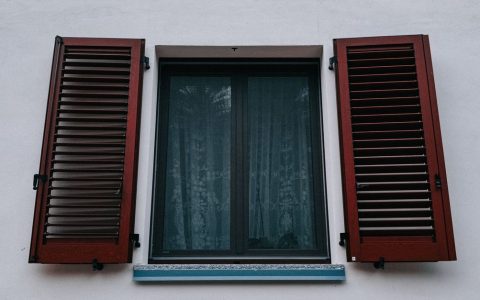
Older homes carry undeniable charm, but their historic architectural details often include drafty casement windows. As winter temperatures drop, these vintage windows can become major thermal liabilities, letting cold outdoor air seep in while expensive indoor heat escapes. When trying to make a house more comfortable without replacing all the windows, homeowners typically look at two accessible DIY retrofits: temporary plastic window film kits and permanent weatherstripping. Evaluating window insulation shrink film vs weatherstripping requires understanding how each method handles heat retention, how much labor is involved, and what your total cost will look like over multiple seasons.
Both approaches aim to stop convective drafts and reduce heat loss through glass and frame gaps, but they do so in fundamentally different ways. Shrink film attacks the problem by sealing the entire interior window opening with a clear membrane, creating an insulating layer of dead air. Weatherstripping attacks the problem at the operable joints, sealing the gaps where the window sash meets the structural frame. Choosing the right method depends on your climate, whether you need to open your windows during winter, and how much time you want to spend on seasonal maintenance.
Understanding Old Casement Window Vulnerabilities
Casement windows swing outward on side hinges, sealing against a frame when cranked shut. While this design provides excellent ventilation in summer, it ages poorly. Over decades of seasonal expansion and contraction, wood frames warp, hardware sags, and compression seals or original putty degrade. Unlike double-hung windows that slide up and down, casements rely on tight compression against a stop molding to block drafts. When that alignment slips, air leaks through the perimeter of the entire sash.
Furthermore, older single-pane glass provides very little thermal resistance, allowing radiant heat to conduct rapidly to the cold outdoors. Even vintage double-pane casements suffer from failing edge seals and thermal bridging through metal or wood frames. Because of these structural realities, winterizing casement windows demands a strategy that addresses both glass conduction and perimeter air infiltration.
To truly understand why casement windows are notoriously difficult to seal in older homes, we have to look closely at their mechanical anatomy. Unlike sliding sashes that rely on interlocking meeting rails and heavy spring balances, a traditional out-swing casement relies entirely on a hand crank, a set of pivot hinges, and a locking handle (often called an operator arm and a locking cam). Over fifty or one hundred years of service, the screws holding these hinges into old-growth pine or fir wood begin to strip out. The heavy glass sash slowly sags downward by a fraction of an inch. While a fraction of an inch sounds negligible, in terms of building science, it creates a massive gap along the latch stile and the header where cold wind bypasses the stop molding completely.
Compounding this mechanical sag is the historic glazing compound—the putty holding the glass pane into the wooden muntins and rails. In pre-1970s homes, oil-based glazing putty hardens, cracks, and eventually falls out in brittle chunks. Micro-fissures open up directly around the perimeter of the glass pane itself. Even if your sash closes tightly against the frame, outdoor air can migrate right through the cracked putty bed and into your living room. Standard weatherstripping cannot fix cracked glazing putty because it only seals the perimeter of the operational sash, leaving the glass-to-wood interface entirely unaddressed.
How Window Insulation Shrink Film Works
Window insulation shrink film kits have been a winter staple in hardware stores for decades. The system relies on three components: double-sided adhesive tape applied around the perimeter of the window casing, a thin, clear sheet of plastic film pressed onto the tape, and heat applied via a standard hair dryer to pull the plastic taut and wrinkle-free.
By creating a sealed barrier a half-inch or inch away from the glass, the film traps a layer of stagnant air. Air is a poor conductor of heat, so this trapped pocket acts as an additional pane, significantly reducing convective drafts and cold radiative downdrafts near the window. The film is optically clear, meaning you can still see outside, though it may introduce slight visual distortion.
The primary advantage of shrink film is its comprehensive coverage. It seals not only sash gaps but also minor cracks in old wood and poorly fitted glazing putty. For severely drafty historic windows where perimeter weatherstripping alone cannot stop air leakage through warped sashes, shrink film offers an immediate, high-efficiency seal.
When working with shrink film kits, understanding the physics of the dead-air space is vital. The thermal performance of the film does not come from the plastic itself—which is usually only a few mils thick—but rather from the stagnant pocket of air trapped between the indoor room air and the cold window glass. To maximize this effect, the double-sided tape must be applied cleanly and continuously without any gaps. If the tape lifts in a corner even slightly, warm interior air will leak into the cavity, cool down against the glass, and create condensation or frost on the inside of the plastic film. Achieving a taut, drum-like surface using a hair dryer or heat gun requires patient, sweeping motions; lingering too long in one spot will melt a hole straight through the polyethylene sheet, ruining the seal and forcing you to patch or restart.
How Weatherstripping Works on Casements
Weatherstripping is a permanent or semi-permanent material installed along the contact points where the operable window sash meets the fixed frame. Instead of covering the glass, weatherstripping compresses when the casement crank is closed, blocking air from migrating through the cracks.
There are several materials available for casement windows:
- V-strip (tension seal): A flexible strip of vinyl or metal folded into a V-shape that bridges the gap between the sash and jamb.
- Foam tape: Adhesive-backed EPDM rubber or open-cell foam that compresses when the window closes.
- Tubular rubber or vinyl: A hollow bulb attached to a mounting strip that offers high compression resistance.
- Interlocking metal strips: Historic hardware solutions common on older high-end homes that interlock when the window shuts.
The main functional benefit of weatherstripping is operability. Once installed, your windows remain fully functional. You can open them on a mild winter afternoon for ventilation without destroying your insulation system.
Installing weatherstripping on a casement window requires a methodical approach because of how the sash moves. Unlike double-hung windows where the sash slides vertically against flat jamb tracks, a casement swings outward. This means the weatherstripping on the hinge side experiences a shearing action rather than pure compression, while the latch side experiences direct crushing pressure when the locking handle is engaged. Consequently, choosing the right material profile is critical. Foam tapes work well on flat stop moldings, but they can degrade quickly if they are subjected to continuous friction or shear forces on the hinge side. Bronze or stainless steel V-strips, tacked carefully into the rabbit of the frame, offer superior durability and won’t bind up the operating hardware if installed with adequate clearance.
Upfront Material Costs and Long-Term Value
When evaluating expenses, both options are relatively inexpensive compared to window replacement, but their cost structures differ over time.
Shrink film kits are sold in rolls or multi-window packs. A kit covering several average-sized windows requires a modest upfront purchase. However, because the plastic film and tape lose their adhesive strength or get punctured during the winter, you must buy and install new kits every single year. Over a span of five to ten years, recurring purchases add up.
Weatherstripping, on the other hand, requires a slightly higher initial investment depending on the material quality—such as heavy-duty silicone or bronze V-strips—but it is a one-time purchase. High-quality weatherstripping can last for years or even a decade before showing compression fatigue. While weatherstripping requires more careful measurement and selection upfront, its multi-year lifespan generally makes it more cost-effective over the long run.
To put this into perspective financially, consider a home with ten drafty casement windows. A multi-window shrink film kit package might cost between $25 and $40 upfront. Multiply that annual purchase over a decade of homeownership, and you are spending upwards of $300 to $400 exclusively on disposable plastic and double-sided tape, not to mention your labor hours every autumn. Conversely, outfitting those same ten windows with premium bronze V-strip or high-grade silicone bulb weatherstripping might require an initial material outlay of $60 to $120. Because durable weatherstripping lasts anywhere from five to ten years with minimal upkeep, your per-year material cost drops dramatically after the initial installation.
Seasonal Labor and Maintenance Effort
Labor is often the deciding factor for busy homeowners. The two methods demand entirely different types of time investments.
Shrink film requires high-effort seasonal labor twice a year. In autumn, you must meticulously clean the trim, apply double-sided tape, cut the plastic to size, press it down without trapping excessive wrinkles, and painstakingly shrink it with a hair dryer without melting a hole in the sheet. In spring, you peel the plastic off, scrape away stubborn adhesive residue from painted wood trim, and discard the material. For homes with twenty or more windows, this ritual consumes an entire autumn weekend.
Weatherstripping requires upfront precision labor. You must measure gaps, clean mounting surfaces thoroughly, and install strips straight so the window still latches properly. Once installed, however, seasonal maintenance drops to nearly zero. You simply inspect the seals annually to ensure they haven’t unseated or flattened out permanently.
The physical toll of seasonal shrink film removal should not be underestimated. The double-sided tape designed to hold plastic film tight against indoor woodwork often leaves behind a stubborn acrylic or rubber-based adhesive residue. Removing this residue in the spring without gouging old-growth wood trim or stripping delicate paint requires using citrus-based adhesive removers, plastic scraping tools, and a great deal of patience. If you rush the removal process, you risk damaging your interior paint job, requiring touch-up painting before summer arrives. Weatherstripping eliminates this seasonal cycle entirely, integrating seamlessly into your window framing as a permanent architectural improvement.
Thermal Efficiency and Draft Reduction Comparison
From a purely thermal perspective, shrink film generally outperforms basic weatherstripping on old, out-of-square casement windows. Because shrink film creates an airtight barrier across the entire casing, it stops air leakage even if the wood frame has warped to the point where weatherstripping cannot maintain contact. Furthermore, the trapped dead-air space adds insulating R-value to single-pane glass.
Weatherstripping excels at stopping air infiltration at the joints, but it cannot fix radiant heat loss through single-pane glass or cracks in old wooden muntins. If your casement window glass is freezing to the touch, weatherstripping alone will stop the breeze, but the window will still radiate cold indoor air into the room.
To maximize efficiency, many homeowners in severe northern climates actually combine both methods: they install high-performance compression weatherstripping for everyday operability and durability, and then apply shrink film over the entire interior frame for maximum winter thermal retention.
When analyzing building thermodynamics, it helps to separate air leakage (convection) from heat transfer through materials (conduction and radiation). Old single-pane casement windows suffer severely from all three mechanisms. Convective drafts happen when cold air blows directly through cracks around the sash or through failing hardware holes. Conductive heat loss happens because glass is a poor thermal insulator; heat from your furnace travels straight through the pane and radiates outward into the subfreezing night air. Weatherstripping targets convection exclusively by sealing the perimeter cracks. Shrink film, by contrast, simultaneously blocks convection (by sealing the entire casing) and cuts conduction (by introducing a stagnant layer of air that mimics the performance of an insulated glass unit). This dual-action performance is why shrink film often yields a more noticeable drop in indoor draftiness for homes with ancient, single-pane casements.
Aesthetics, Visibility, and Living Comfort
Living with your insulation choice for four to six months of the year matters just as much as energy savings.
Shrink film changes the interior aesthetic. Even when installed cleanly, plastic film can reflect indoor lighting, create slight visual warping, and make it impossible to use certain interior-mounted window treatments or crank handles without piercing the plastic. If you have decorative muntins or historic hardware, shrink film covers them up completely.
Weatherstripping is virtually invisible when the window is closed. It preserves the natural look of your woodwork and hardware, allows normal operation of window cranks and locks, and does not interfere with blinds, shades, or curtains.
For many homeowners, the visual compromise of shrink film is its biggest drawback. Because the plastic spans the entire window opening from frame to frame, it creates a taut, glossy membrane that can look industrial or temporary, especially in formal living spaces, dining rooms, or historic studies. It also blocks access to interior mounted cellular shades, wooden blinds, or sheer curtains unless you mount those treatments outside the trim casing. Furthermore, if you prefer to let fresh air into your home during an unseasonably warm winter thaw, shrink film forces you to choose between living in stuffy air or tearing down your insulation mid-season. Weatherstripping respects the home’s architecture, remaining completely hidden within the stop channels and preserving full freedom of movement for cranks, locks, and window treatments alike.
Common Installation Mistakes to Avoid
Whether you choose film or weatherstripping, certain pitfalls reduce their effectiveness:
- Skipping surface prep: Applying tape or adhesive to dusty, painted, or damp wood will cause film or weatherstripping to fail within weeks. Wipe surfaces with rubbing alcohol and let them dry completely.
- Ignoring sash alignment: If a casement window sags on its hinges, no amount of weatherstripping will seal the latch side. Adjust or tighten hinge screws before applying seals.
- Over-compressing weatherstripping: Choosing a foam tape that is too thick will prevent the casement lock from engaging, straining the hardware and leaving gaps elsewhere.
Another frequent oversight during window film installation is failing to account for indoor humidity levels. If your home has high relative humidity during winter—common in houses with unvented crawlspaces, numerous houseplants, or heavy cooking habits—any tiny pinhole in your shrink film tape will allow warm, moisture-laden room air to stream into the cold cavity against the glass. Once inside, that moisture condenses and freezes, resulting in heavy ice buildup inside the sealed plastic bubble. To prevent this, ensure your double-sided tape forms a 100% unbroken, airtight perimeter before applying and shrinking the plastic film.
Regional Climate Considerations: When Shrink Film Wins vs. Weatherstripping
Your geographic location and local winter severity should heavily influence your choice between shrink film and weatherstripping. In mild winter climates (such as U.S. Department of Energy Climate Zones 1 through 3, encompassing the Gulf Coast, parts of the Southwest, and Southern California), subfreezing temperatures are rare and short-lived. In these regions, radiant heat loss through single-pane glass is a minor concern compared to solar heat gain in summer. Installing temporary shrink film is usually unnecessary and excessive; durable weatherstripping alone is more than sufficient to stop occasional breezes and keep dust and pollen out.
Conversely, in severe heating climates (Climate Zones 5 through 8, covering the Upper Midwest, New England, the Mountain West, and northern New England), winter temperatures regularly plunge below freezing for months at a time. In these harsh environments, the thermal punishment inflicted on old casement windows is extreme. Frost buildup, ice dams, and intense conductive heat loss drive heating bills sky-high. Here, homeowners frequently benefit from the aggressive thermal barrier provided by shrink film. Even if weatherstripping is already installed, adding a layer of interior shrink film provides the necessary secondary thermal buffer to eliminate cold drafts and stop window glass from radiating chill into living spaces.
Troubleshooting Drafts Beyond the Sash: Frames, Sills, and Casing Leaks
A common frustration for DIY renovators is spending hours applying weatherstripping or shrink film only to discover that cold air is still leaking around the window. When this happens, the draft is often originating not from the sash or glass, but from the rough opening and wall cavity surrounding the window frame.
In older homes, builders packed horsehair, wool, or nothing at all into the gap between the window jamb and the rough wooden framing studs. Over decades, this gap settles, leaving hollow pathways where outside air moves freely behind your interior trim and spills into the room. Neither shrink film applied to the glass nor weatherstripping placed on the sash can stop a rough-opening air leak. To fix this, carefully pry off the interior trim casing (the architraves) and inspect the rough gap. Fill these cavities using low-expansion, window-and-door rated polyurethane spray foam, or pack them tightly with mineral wool insulation. Once the rough gap is sealed at the structural level, your sash-level insulation methods—whether film or weatherstripping—will finally perform at their maximum potential.
FAQ: Common Homeowner Questions on Casement Window Winterization
Can I use shrink film on metal casement windows? Yes, shrink film can be applied to metal window frames, but surface preparation is critical. Metal frames conduct cold very rapidly, which can cause the double-sided tape to lose adhesion if the metal is cold and damp during application. Wipe the metal thoroughly with denatured alcohol, let it warm up to room temperature, and press the tape down firmly.
Will weatherstripping interfere with my casement window crank mechanism? It can if you select the wrong profile or thickness. Always measure the clearance gap between your sash and the stop molding with a nickel or a putty knife before buying materials. If the gap is less than a quarter-inch, use thin bronze V-strips or low-profile silicone tubing rather than thick EPDM foam tape.
Does shrink film damage old wood paint when removed in spring? It can if the paint is old, loose, or improperly cured. To minimize damage, peel the tape off slowly at a sharp 45-degree angle rather than pulling straight out. If the tape resists, gently warm it with a hair dryer to soften the adhesive before peeling.
Decision Framework: Which Should You Choose?
To determine the best path for your home, weigh your specific circumstances against these criteria:
- Choose shrink film if: You live in a very cold northern climate with single-pane windows, you do not need to open your windows during winter, you want maximum thermal insulation against glass chill, and you do not mind redoing the installation every autumn.
- Choose weatherstripping if: You want a permanent solution that lets you operate your windows year-round, your windows are in decent structural alignment, and you prefer low seasonal maintenance over temporary maximum insulation.
- Choose a hybrid approach if: Your casement windows are exceptionally drafty and old, and you are willing to invest both weatherstripping labor and film installation to achieve the absolute lowest heating bills possible.
Ultimately, neither method is a cure-all, but both offer substantial relief from high heating bills and uncomfortable drafts. By matching the method to your window’s condition and your personal tolerance for seasonal chores, you can keep your home warm all winter without overpaying for wasted energy.