
Leaving an aging pet in a professional kennel environment requires a completely different approach than dropping off a resilient, high-energy puppy. When you are preparing senior dog for boarding, you must account for fading eyesight, sensitive joints, potential cognitive dysfunction, and an increased reliance on predictable daily rhythms. For a younger dog, a bustling kennel might look like an exciting social opportunity; for a senior pet, the noise, unfamiliar concrete floors, and altered schedules can translate into profound physical exhaustion and psychological distress.
Successfully boarding an older dog is not about finding a facility that promises miracles, but rather about bridging the gap between your dog’s home environment and the kennel’s operational reality. By taking proactive steps weeks before your departure date—ranging from evaluating specialized facility layouts to organizing precise medication logs—you can dramatically mitigate the risks associated with kennel stress and ensure your dog returns home healthy and balanced.
Understanding the Unique Needs of Aging Dogs in Boarding
Before selecting a kennel or packing a single bag, it helps to examine how aging physically and mentally transforms your dog’s experience of the world. Canine aging brings a cascade of subtle changes that compound quickly under stress. Canine arthritis, for instance, makes hard concrete runs or slippery epoxy floors intensely painful to navigate over multiple days. Furthermore, loss of hearing or vision can cause older dogs to startle easily when approached by unfamiliar handlers or boisterous dogs in adjacent enclosures.
Cognitive Dysfunction Syndrome (CDS), the canine equivalent of dementia, is another critical factor. Dogs with CDS rely heavily on familiar spatial layouts to navigate their days. Thrusting them into a novel environment can induce severe sundowning, pacing, and anxious howling. Acknowledging these vulnerabilities upfront shifts your entire preparation strategy. Instead of focusing solely on facility amenities like webcams or luxury suites, your primary evaluation criteria must center on comfort, quiet zones, low-impact flooring, and attentive, individualized handling.
Assessing Facility Suitability for Senior Pets
Not all boarding kennels are equipped to handle senior dogs. Many commercial facilities are built around high-throughput group play and active management, which can spell disaster for a stiff, sleeping senior who needs quiet and predictable rest. When touring potential facilities, you must look past the polished marketing materials and ask direct, pointed questions about senior care protocols.
Begin by inspecting the physical accommodations. Are the sleeping quarters surfaced with non-slip rubber mats, or are they bare concrete? Concrete is abrasive and cold, which rapidly exacerbates joint stiffness in older dogs. Ask about temperature control: senior dogs struggle to regulate their body temperatures efficiently, making climate-controlled indoor runs mandatory. Inquire about the staff-to-dog ratio during overnight hours. If a medical emergency arises at 2:00 AM, is there a trained technician on-site, or is the facility completely unmanned?
Finally, evaluate the exercise and elimination options. Older dogs often need more frequent, shorter potty breaks rather than long, high-intensity walks. Confirm whether the staff is willing to provide slow, leashed walks on grass rather than forcing your dog into communal gravel yards where they might get knocked over by younger, less coordinated animals.
Establishing Familiarity with Boarding Scents and Bedding
One of the fastest ways to reduce anxiety in a strange environment is through olfactory familiarity. A dog’s sense of smell is their primary window to the world, and scent acts as an immediate anchor of safety. When you are preparing senior dog for boarding, bringing the right bedding and personal items is essential.
Most kennels allow you to bring a blanket or a piece of your clothing, but you should choose these items strategically. Select an unwashed t-shirt you have worn for a full day so it carries a strong concentration of your personal scent. Pair this with your dog’s familiar, well-used orthopedic bed from home. However, check kennel policies first: some facilities have strict rules regarding bedding thickness or stuffing types due to chewing hazards or laundering limitations. If the facility requires you to use their standard cots, wrap the cot in a familiar-smelling towel or small blanket that meets their safety standards.
It is also wise to avoid washing these comfort items immediately before the trip. You want the items to smell like home, not like industrial laundry detergent and bleach. The comforting, familiar aroma will provide a silent anchor when the kennel gets noisy.
Transitioning Feeding Schedules and Dietary Consistency
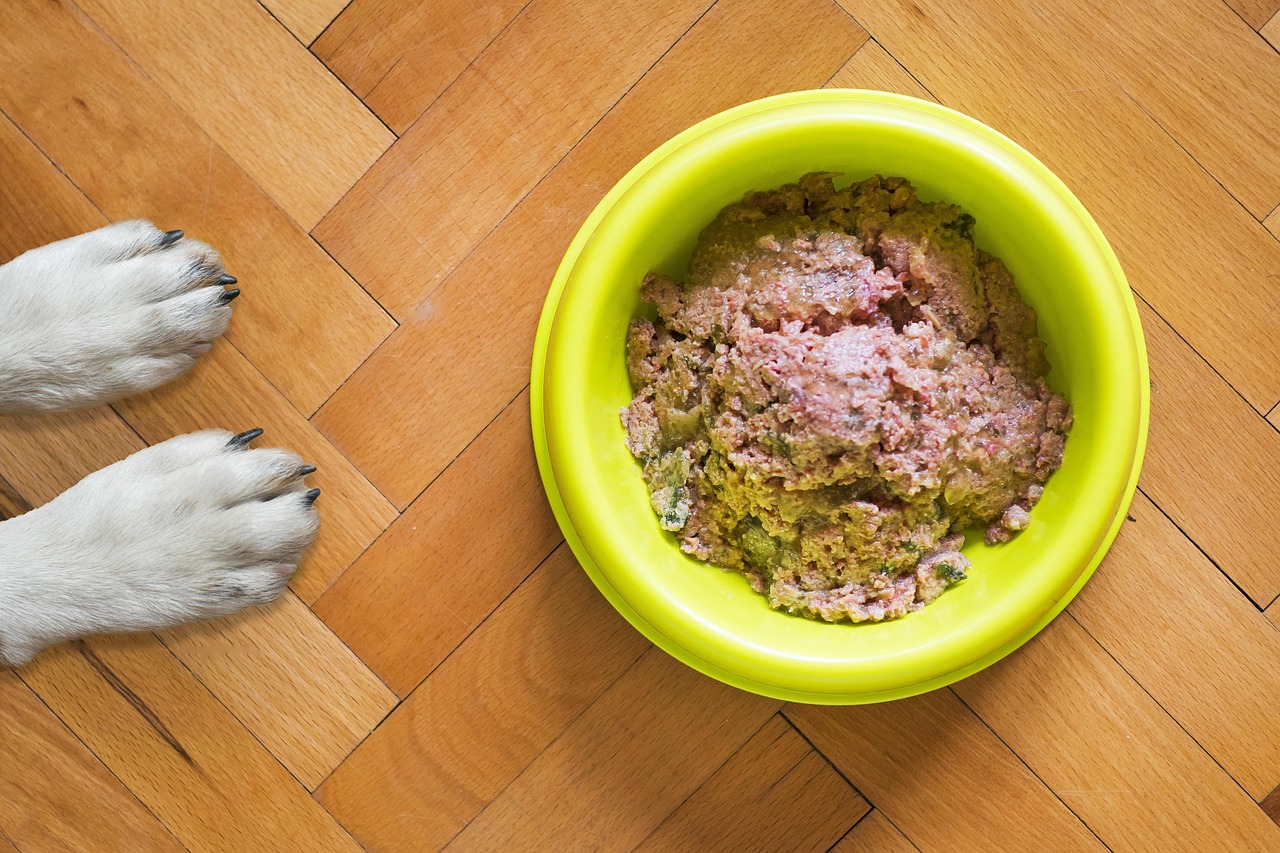
Digestive upset is one of the most common physical manifestations of stress in boarded dogs, and older digestive tracts are notoriously delicate. Sudden shifts in diet combined with kennel anxiety can easily trigger severe colitis, loss of appetite, or dehydration. Preventing these issues requires meticulous planning regarding your dog’s daily menu.
Portion your dog’s regular kibble into individual, pre-measured daily bags or containers rather than handing over a massive, unwieldy bag of food. This eliminates guesswork for kennel staff and ensures your dog receives exact portions. If your senior dog requires their kibble to be warmed, softened with warm water, or mixed with specific wet food toppers to entice their appetite, write these instructions down step-by-step.
Never introduce a new brand of food right before a boarding stay. Even if you plan to switch foods eventually, do it at least a month in advance. Furthermore, pack a few extra meals—at least two to three days’ worth beyond your scheduled return date—just in case your travel plans experience unexpected delays.
Managing Medication Routines and Veterinary Handoffs
Senior dogs frequently rely on complex pharmaceutical regimens to manage pain, heart conditions, thyroid imbalances, or organ support. Handing off these medications to a kennel requires extreme precision. A missed dose of pain medication can cause an arthritic dog to lock up physically, while a missed heart pill can lead to a medical emergency.
Create a written medication schedule that lists the exact drug name, dosage, administration time (e.g., 8:00 AM and 6:00 PM), and the preferred method of delivery (such as wrapped in pill pockets, hidden in a spoonful of canned pumpkin, or given directly). Do not rely on verbal instructions given during a rushed drop-off. Place the medications in a dedicated, clearly labeled plastic organizer or baggie.
Before you leave, contact your primary veterinarian to inform them where your dog will be boarding. Provide the kennel with your vet’s direct contact information and a signed credit card authorization form on file at your veterinary clinic in case urgent medical care becomes necessary while you are away. Clarify beforehand what transport protocols the kennel follows if your dog needs to see a vet.
Anxiety Reduction Strategies Before Departure
Anxiety management should begin weeks, not hours, before you walk through the kennel doors. If your senior dog’s only experience with leaving the house is riding in the car straight to the vet or a terrifying kennel drop-off, they will develop anticipatory anxiety the moment you pack your suitcases.
To counteract this, normalize packing routines well in advance. Leave your suitcase open in the bedroom days before you pack so it becomes an ordinary background object. Take your dog on short, pleasant car rides that end in a fun walk at a quiet park rather than always ending at a medical or boarding facility. This decoupling breaks the predictive cycle of stress.
You can also explore calming supplements or pheromone collars. Adaptil diffusers and sprays release synthetic appeasing pheromones that mimic the natural comforting scents produced by nursing mother dogs. Fitting your senior dog with a pheromone collar a week before boarding can help take the sharp edge off their baseline anxiety. Always consult your veterinarian before introducing any new herbal supplements or anxiety medications to ensure they do not interact negatively with your dog’s existing prescriptions.
Evaluating Mobility Support and Specialized Enclosures
As dogs age, navigating standard kennel architecture becomes a physical hazard. Raised platforms, steep ramps, wire flooring, and heavy swing doors can present insurmountable obstacles for a dog with failing hindquarters.
When touring facilities, pay close attention to the structural layout of the runs. Look for ground-level enclosures that eliminate the need to step up or down into a separate sleeping compartment. If the facility uses raised resting cots, ensure your dog is physically capable of climbing onto them without stumbling or straining their hips. For dogs with severe mobility limitations, request a pen with non-slip rubber flooring rather than epoxy, which offers zero traction for weak legs.
Ask how handlers assist dogs who slip and fall. Staff should be trained in using supportive belly slings or mobility harnesses to help older dogs stand up without wrenching their joints. Ensuring the facility has these tools on hand prevents unnecessary injuries during your absence.

Trial Stays and Daycare Familiarization
The single most effective way to eliminate boarding anxiety for a senior dog is through a trial run. Dropping a dog off for a multi-day stay without any prior exposure to the facility is a recipe for panic. Instead, treat the kennel like a test drive.
Start with a half-day daycare visit. This allows your dog to experience the sights, sounds, and smells of the facility for a few hours while knowing you are coming back to pick them up by afternoon. Observe how your dog reacts upon pickup. Are they extremely panicked, or do they settle down quickly? Next, book a single overnight stay over a low-stakes weekend when you are still in town or nearby.
A trial stay serves a dual purpose. First, it reassures your dog that kennel stays are temporary and that you always return. Second, it allows the kennel staff to observe your senior dog’s quirks, sleep habits, and reaction to the environment in a controlled setting, giving them valuable baseline data before you leave on a longer trip.
What to Pack: Essential Items for Older Dogs
Packing for a senior dog requires a thoughtful inventory checklist that balances home comforts with practical health management. Avoid over-packing clutter, but do not skimp on items that directly impact physical well-being. Here is a practical packing checklist for older dogs:
- Pre-Portioned Meals: Exact daily portions of regular kibble, plus three extra days’ supply, stored in airtight containers.
- Medications and Supplements: Clearly labeled prescription bottles, pill pockets, or wrapping aids, accompanied by a typed administration schedule.
- Orthopedic Bedding: A familiar, supportive bed from home, provided it complies with facility safety and laundering rules.
- Comfort Scents: An unwashed t-shirt or small blanket carrying your personal scent.
- Medical Records: Up-to-date vaccination records, emergency contact numbers, and your primary veterinarian’s direct contact information.
- Grooming Supplies: Specialized wipes or brushes if your senior dog requires daily coat maintenance or incontinence cleanup.
Spotting and Managing Post-Boarding Stress
Your responsibility does not end the moment you pick your dog up from the front desk. Re-entry can be just as taxing on an older dog as the stay itself. When you arrive home, expect your senior dog to exhibit certain decompression behaviors.
The most common post-boarding symptom in older dogs is profound exhaustion. Because kennel environments are inherently noisy and hyperstimulating, many senior dogs struggle to achieve deep, restorative REM sleep while boarded. Consequently, your dog may sleep for 18 to 24 hours straight upon returning home. Let them rest undisturbed; do not drag them out for a long walk or invite neighbors over immediately.
You may also notice temporary regressions in house-training, increased thirst due to mild stress panting, or clingy behavior. Keep the household calm, maintain a quiet atmosphere, provide plenty of fresh water, and ease them back into their normal feeding and walking routine gently over the course of a few days.
Conclusion: Balancing Care, Safety, and Peace of Mind
Preparing an aging dog for a multi-day boarding stay demands patience, meticulous organization, and a willingness to advocate for your pet’s physical limitations. By looking past generic kennel features and focusing specifically on non-slip flooring, quiet rest areas, precise medication management, and olfactory comfort, you transform a potentially stressful ordeal into a manageable, safe experience. A thoughtful approach ensures your senior dog remains protected and supported, allowing you to travel with true peace of mind knowing your loyal companion is in capable, caring hands.