When your dog enters their senior years, the daily routine naturally shifts. Long hikes might shorten into leisurely neighborhood strolls, and intense games of fetch often give way to extended afternoon naps. While this physical slowing down is a normal part of aging, a quieter body does not mean a quieter mind. In fact, senior dogs still crave mental engagement just as much as they did in their youth. Without adequate enrichment, older dogs can grow bored, anxious, or exhibit signs of cognitive decline that mimic human dementia.
Implementing regular senior dog mental stimulation activities is one of the most effective ways to support your aging companion’s neurological health. Unlike rigorous physical exercise, which can strain arthritic hips and stiff joints, brain games engage your dog’s mind safely from the comfort of a living room rug. This guide explores practical, veterinarian-backed strategies—from simple scent trails to low-impact environmental adjustments—designed to keep your older dog sharp, curious, and content.
Understanding Canine Cognitive Aging
Before introducing new brain games, it helps to understand what happens inside an aging dog’s brain. Just like humans, dogs experience physiological changes as they age. Brain volume can decrease, blood flow may diminish, and cellular damage from free radicals can accumulate over time. These changes can lead to Canine Cognitive Dysfunction (CCD), a condition frequently compared to Alzheimer’s disease in humans. Veterinary research shows that a significant percentage of dogs over the age of ten exhibit at least one sign of cognitive decline, making proactive mental care an essential part of routine senior wellness.
Common signs of cognitive decline in older dogs include pacing, confusion in familiar environments, staring blankly at walls, altered sleep-wake cycles, and uncharacteristic house-soiling. You might notice your dog standing near the hinge side of an open door, waiting for it to open, or getting trapped behind furniture in corners of the room where they used to navigate with ease. While these symptoms can feel discouraging, veterinary neurologists emphasize that the brain retains a degree of neuroplasticity well into old age. This means the brain can form new neural connections when challenged with novel, positive experiences. Mental enrichment acts like cross-training for the brain, building cognitive reserve and helping to slow the progression of mental dullness.
Understanding your dog’s baseline behavior is crucial for early detection. Subtle shifts, such as hesitation before entering a familiar room or a reluctance to navigate stairs, can indicate that their cognitive map is beginning to blur. Keeping their brain active through daily, low-stakes puzzles helps reinforce spatial awareness and memory pathways before minor confusion escalates into chronic disorientation. Tracking these subtle behavioral shifts in a journal can also provide invaluable data for your veterinarian during routine wellness examinations, helping them rule out underlying pain or sensory loss that might mimic or worsen cognitive dysfunction.
The Power of Nose Work: Scent Games for Older Dogs
For a senior dog whose eyesight or hearing might be fading, the sense of smell remains a powerhouse. Scent-based activities are among the best brain games for older dogs because they rely on their strongest remaining sense while requiring minimal physical exertion. Olfactory stimulation activates large areas of the canine brain, releasing dopamine and providing deep psychological satisfaction that physical walks alone simply cannot match.
You do not need professional training gear to start scent work at home. Simple household items work wonderfully:
- The Muffin Tin Game: Take a standard metal baking muffin tin, place high-value treats in a few of the cups, and cover all the cups with tennis balls. Encourage your dog to use their nose to sniff out which cups contain the treats and push the balls away to claim their reward. This introduces a basic problem-solving challenge that stimulates both cognitive processing and gentle motor control.
- Towel Rolling: Lay a clean, durable bath towel flat on the floor. Scatter a handful of small, fragrant treats across the towel, then loosely roll it up like a sleeping bag. Your dog will have to use their nose to track the scent and their paws or snout to unroll the towel to retrieve the food. For beginners, start with a very loose roll so success comes quickly and frustration is kept to an absolute minimum.
- Box Sifting: Gather a few empty shoe boxes or delivery boxes, place them loosely around a room, and hide a treat inside one of them. Let your dog investigate and figure out which box holds the prize. You can stack or nest boxes loosely as your dog gains confidence, turning a simple living room into a customized indoor exploration course.
These exercises tap into a dog’s natural foraging instincts, which is inherently calming and satisfying for them. When designing scent games for older canines, always ensure the items are placed at a comfortable height. Avoid forcing a dog with severe neck or back pain to repeatedly bend down or stretch upward awkwardly. If necessary, place baking sheets or boxes on sturdy low benches or stable ottomans to bring the game within easy reach of their muzzle.
Interactive Puzzle Feeders and Safe Food Toys
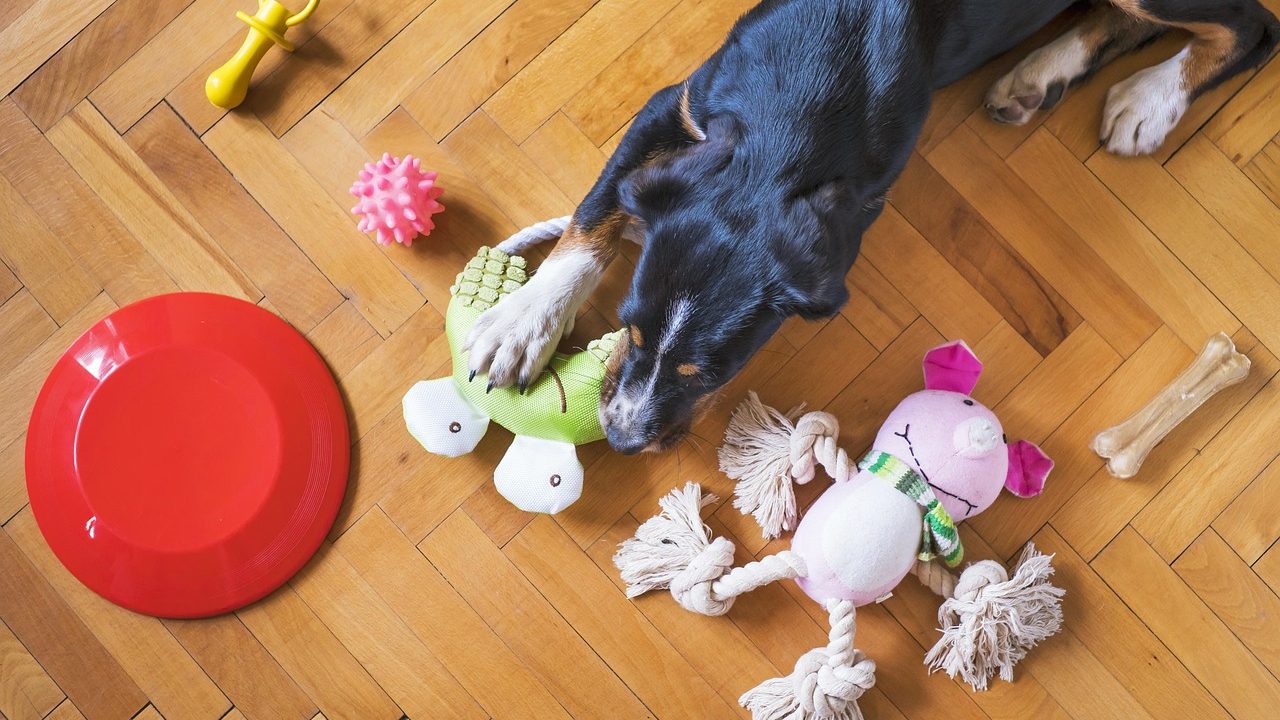
Mealtimes present a daily opportunity for mental enrichment. Feeding an aging dog exclusively from a traditional bowl misses a prime window for cognitive engagement. Instead, consider replacing or supplementing standard bowls with interactive puzzle feeders designed specifically for pets. These devices transform an inactive feeding ritual into an active problem-solving session that mimics the cognitive demands of foraging in the wild.
When choosing puzzle toys for a senior dog, keep physical limitations in mind. Avoid complex, high-dexterity puzzles that require sharp claw coordination or heavy paw-slapping if your dog has arthritis in their front legs or shoulders. Instead, opt for sliding-disk puzzles where treats are easily revealed with a gentle nudge of the nose or a light sweep of the jaw.
Stuffed rubber chew toys, such as classic Kongs, also make fantastic mental stimulators. For senior dogs, you can make these toys easier to empty by filling them with soft, easily digestible foods like plain pumpkin purée, unsweetened yogurt, or wet dog food, and then lightly chilling them. Licking is a self-soothing behavior that releases calming endorphins in dogs, making this a great wind-down activity for the evening, especially for dogs who experience mild anxiety as the sun goes down.
To prevent frustration, introduce new puzzle toys progressively. Start by leaving the compartments completely open so your dog understands that the toy yields food. Once they grasp the basic concept, introduce the sliding covers or blocking pieces one at a time. This graduated approach builds confidence rather than anxiety. If your dog walks away or shows signs of giving up, make the task easier immediately to keep the emotional association with the toy positive and rewarding.
Environmental Enrichment and Furniture Rotation
Mental stimulation is not limited to toys and games; your dog’s physical surroundings also play a major role in keeping their brain active. In the wild, animals encounter changing sights, smells, and textures every day. Domestic dogs, however, often live in static environments where every wall, rug, and piece of furniture stays in the exact same spot for years. Over time, this sensory deprivation can cause mental stagnation.
Environmental enrichment involves safely introducing novel elements into your dog’s routine space. You can achieve this through subtle rotations:
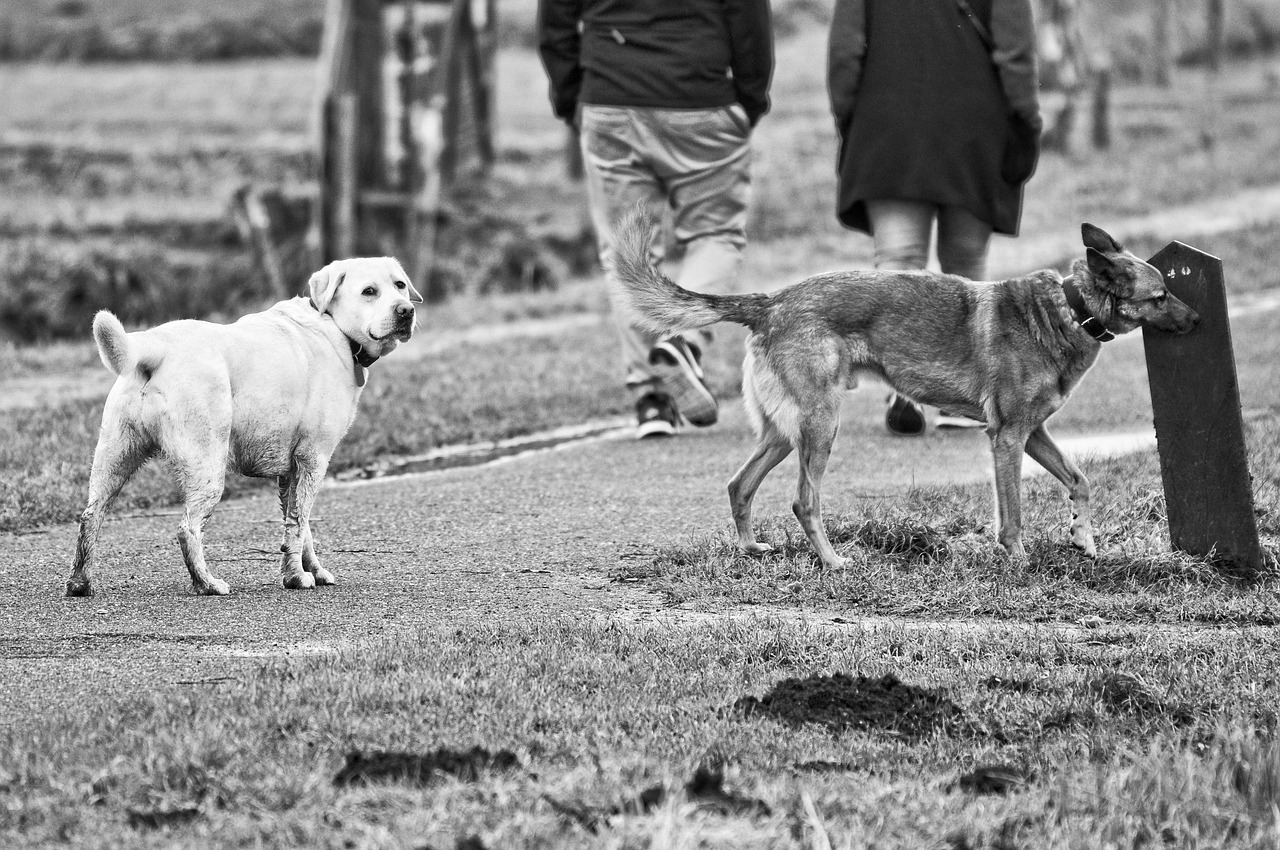
- New Walking Routes: When taking your senior dog out for a neighborhood walk, occasionally choose a different street or park path. Even if the walk is shorter and slower, letting your dog sniff new fire hydrants, grass patches, and tree trunks provides a massive influx of fresh sensory data that stimulates memory centers in the brain.
- Safe Outdoor Viewing: If your dog enjoys looking outside, set up a comfortable, supportive orthopedic bed near a low window or sliding glass door where they can watch birds and neighborhood activity. Consider placing a bird feeder outside the window to create a natural television show for your pet, keeping them mentally alert without requiring physical exertion.
- Textural Variety: Occasionally introduce safe new surfaces for your dog to walk across or rest upon, such as a plush new blanket or a different textured mat in their favorite relaxation zone. This gentle tactile stimulation engages paws and skin receptors that often go under-stimulated in indoor environments.
Always ensure that any environmental changes remain safe and accessible. Never move furniture in a way that creates tripping hazards or confuses a dog showing advanced signs of disorientation. If your dog is visually impaired, keep major pathways strictly clear of clutter and furniture rearrangement to maintain their mental map of the home.
Addressing Dog Dementia Through Targeted Mental Enrichment
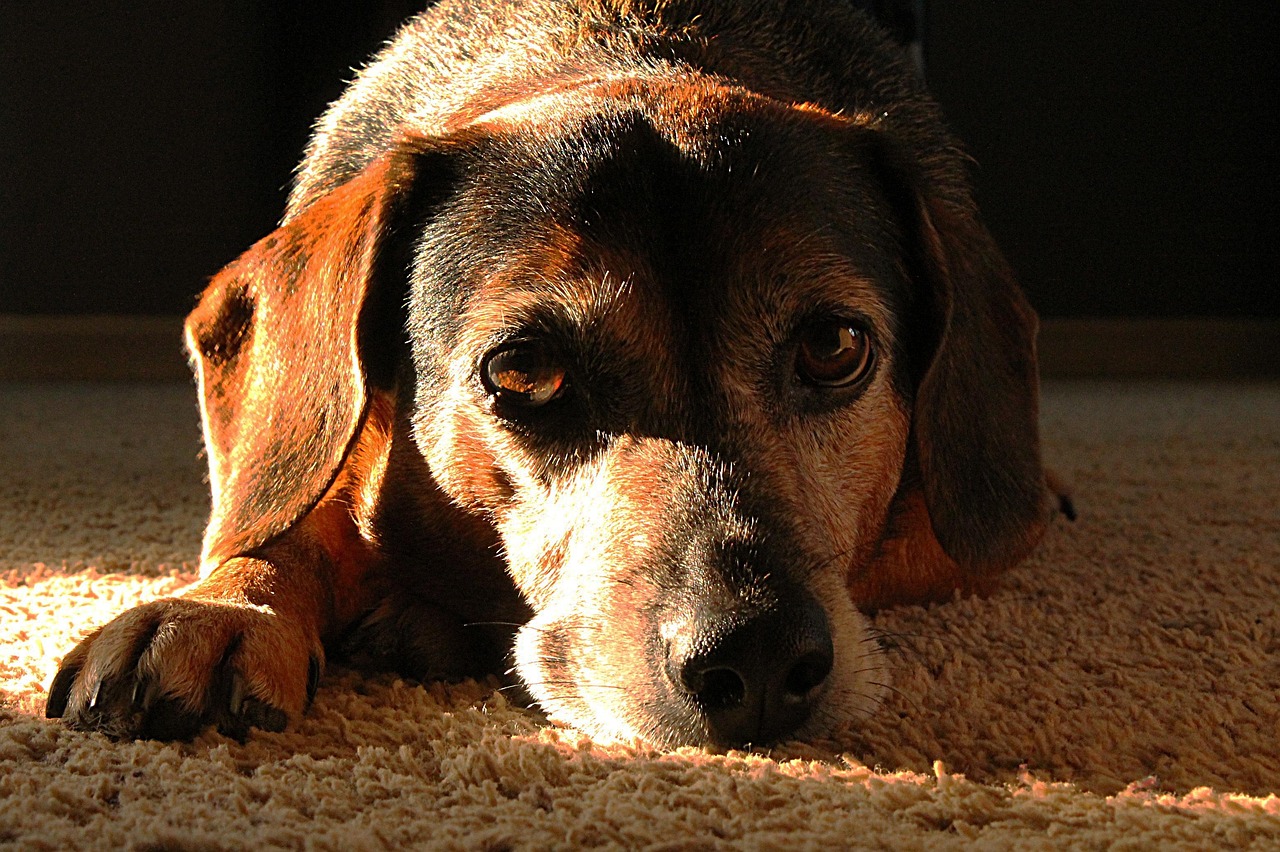
When managing dog dementia mental enrichment becomes an essential component of palliative and supportive care. Dogs experiencing cognitive decline often experience anxiety stemming from confusion about their surroundings. Structured, predictable mental activities can anchor their day and provide a sense of purpose, helping to reduce nighttime pacing and distress.
Keep training sessions extremely short—two to three minutes at a time—and focus entirely on positive reinforcement. Review basic, deeply ingrained cues like “sit” or “touch” using high-value treats. Success builds confidence and reduces frustration. Avoid introducing overly complex puzzles that might overwhelm a confused dog; the goal is gentle engagement, not testing their limits to the point of stress. If your dog seems uncertain, guide them gently through the steps with verbal praise and immediate rewards.
Additionally, maintaining a consistent daily schedule helps reduce sundowning—a common phenomenon in senior dogs where confusion and anxiety increase as daylight fades. Pair a quiet scent game or a stuffed puzzle toy with the late-afternoon hours to help redirect restless energy into a calming, focused task. Establishing predictable transition periods between daytime resting and evening routines helps signal safety to a confused canine brain.
Veterinarians often recommend pairing mental enrichment with omega-3 fatty acid supplements, antioxidants, and prescription diets formulated to support brain health. Combining dietary support with interactive daily challenges provides a comprehensive shield against accelerated cognitive decline. Always consult your veterinarian before starting any new supplement or dietary regimen for an aging pet to ensure it aligns with their overall medical profile.
Tailoring Activities by Age and Mobility Status
Every senior dog ages differently. A nine-year-old Labrador Retriever with mild hip dysplasia has very different physical needs than a fourteen-year-old Toy Poodle with pristine joints but failing eyesight. Customizing your approach ensures maximum mental benefit without physical fallout.
For early seniors (typically ages 7 to 10), you can incorporate moderate physical-mental hybrids, such as gentle indoor hide-and-seek where you call your dog from another room and reward them when they track you down. For late seniors and geriatric dogs (ages 10+), keep all activities grounded on non-slip surfaces like yoga mats or area rugs. If your dog is blind, rely heavily on tactile and auditory cues, such as scented oils placed near their bedding or textured puzzle pieces that are easy to locate by touch. For dogs with severe mobility restrictions, focus entirely on nose work and puzzle feeders that require zero standing or walking.
Common Pitfalls to Avoid in Senior Dog Enrichment
While introducing mental stimulation is overwhelmingly beneficial, it is easy to inadvertently cause stress if certain boundaries are overlooked. Keep these practical caveats in mind:
- Overcomplicating Puzzles: If your senior dog stands over a puzzle toy whining, panting, or showing signs of agitation, the puzzle is too difficult. Step in, help them solve it, or switch to an easier activity. Frustration is counterproductive and can induce anxiety in aging pets.
- Ignoring Physical Comfort: Always assess your dog’s physical stamina. A dog with sore hips should not be forced to stand on slick hardwood floors while battling a complex puzzle feeder. Always place non-slip mats underneath puzzle toys to provide stable footing.
- High-Calorie Overload: If you are using food-based puzzles multiple times a day, make sure to deduct those calories from your dog’s regular meals to prevent unwanted weight gain, which places extra stress on senior joints. You can also use a portion of their regular kibble as the reward in puzzle toys.
Frequently Asked Questions About Senior Dog Enrichment
How long should daily mental stimulation sessions last for an older dog?
For senior dogs, short and frequent sessions are best. Aim for two to three sessions lasting just 3 to 5 minutes each day. This prevents mental fatigue and keeps the experience strictly positive.
Can mental stimulation stop or reverse dog dementia?
While mental enrichment cannot reverse structural brain changes associated with Canine Cognitive Dysfunction, veterinary studies show it can significantly slow down cognitive decline, improve adaptive functioning, and enhance overall quality of life.
What should I do if my senior dog loses interest in puzzle toys?
Dogs can become bored or frustrated if a toy is too hard or if the rewards are not enticing enough. Try swapping out regular kibble for high-value treats like small pieces of cooked chicken, or switch to a completely different style of game, such as scent work or towel rolling.
Are there specific dietary changes that support brain games for older dogs?
Yes, diets rich in medium-chain triglycerides (MCTs), omega-3 fatty acids (EPA and DHA), and antioxidants can support cellular energy in the brain, helping older dogs stay more alert during mental enrichment activities.
Conclusion: Supporting Your Dog’s Golden Years
Caring for an aging dog requires patience, observation, and a willingness to adapt. While you cannot stop the biological clock, you have immense control over the quality of your dog’s daily mental life. By incorporating gentle scent games, accessible puzzle feeders, and thoughtful environmental changes into their routine, you can stave off boredom, support neurological health, and foster a deep sense of security. These small, intentional moments of engagement ensure that your dog’s later years remain rich, comfortable, and deeply connected to you.