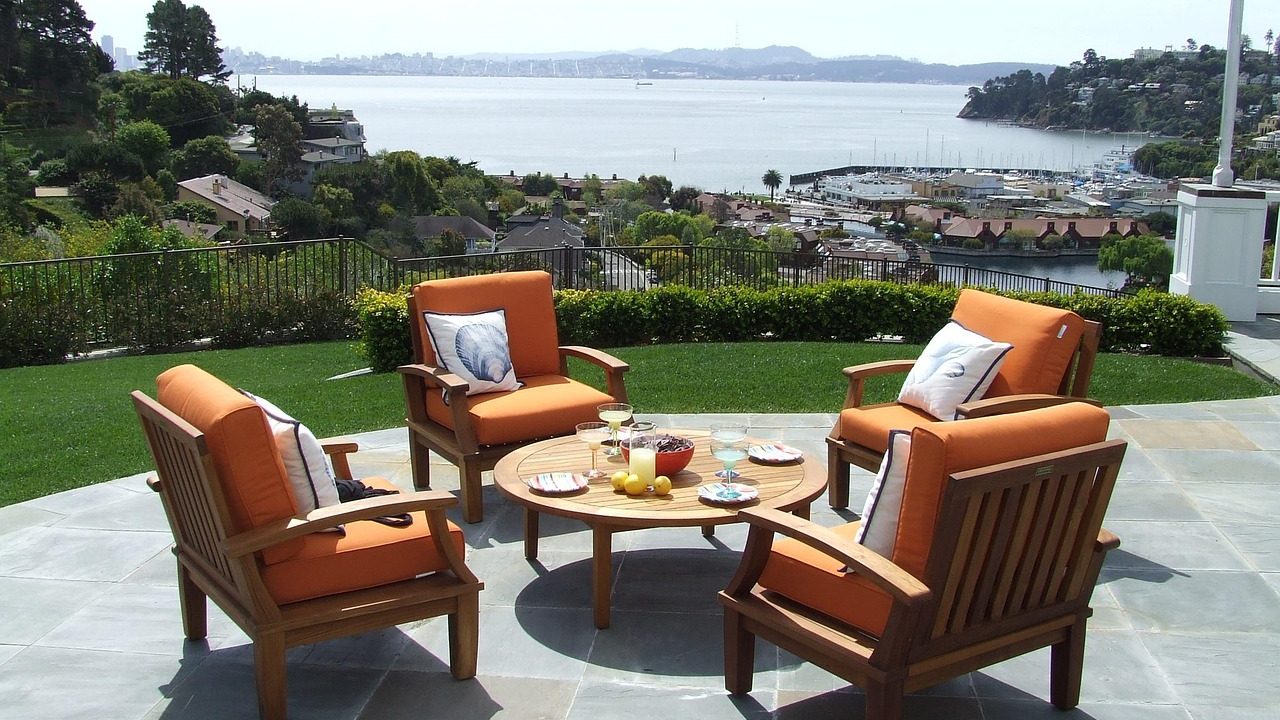
When summer temperatures climb, south-facing patios and outdoor living spaces can quickly transform from relaxing retreats into unbearable heat traps. Direct solar radiation beats down relentlessly through the afternoon hours, baking concrete pavers, heating up outdoor furniture, and radiating thermal energy directly into adjacent interior rooms through glass doors and windows. To reclaim these outdoor areas, homeowners turn to overhead shade structures. Among the most popular modern options are fabric shade sails and motorized louvered pergolas.
Evaluating a solar louver pergola vs shade sail requires looking past initial aesthetic preferences and diving into the hard physics of thermal performance, airflow dynamics, and structural engineering. While both solutions block a significant portion of direct sunlight, they manage solar heat gain, wind loads, and seasonal weather in fundamentally different ways. This guide breaks down the engineering trade-offs, cooling efficiencies, installation realities, and long-term costs of each option to help you make an informed decision for your home.
Understanding Patio Solar Heat Gain and Thermal Loads
Before comparing specific shade structures, it helps to understand how heat accumulates on a patio. When sunlight strikes an unshaded surface—such as stone, wood decking, or concrete—the material absorbs shortwave solar radiation and converts it into sensible heat. That heat is then re-radiated upward as longwave infrared radiation, warming the air immediately surrounding your patio table and chairs.
Furthermore, direct solar radiation hitting the human body creates an uncomfortable radiant heat load, even if the ambient air temperature is only moderate. Effective patio shading must accomplish two distinct tasks: block direct line-of-sight solar radiation from reaching occupants and surfaces, and prevent the shade structure itself from becoming a secondary heat radiator. The choice between a fabric sail and a louvered roof directly influences how well your outdoor space achieves both goals.
Different patio flooring materials store and release thermal energy at vastly different rates. Dense concrete slabs and dark stone pavers act as massive thermal batteries, absorbing heat all morning and releasing it well into the evening hours. Wood decking and composite boards generally have lower thermal mass, meaning they cool down faster once direct sunlight is removed. However, regardless of the flooring material beneath your feet, unmitigated overhead sun guarantees that your patio will remain uncomfortably hot during peak daylight hours. Controlling that overhead radiation is the primary function of any shading system.
Fabric Shade Sails: Mechanics, Materials, and Performance
Fabric shade sails have surged in popularity due to their clean, modern lines, flexible installation configurations, and relatively low cost. Typically constructed from high-density polyethylene (HDPE) knitted fabric, these sails are tensioned tightly between sturdy anchor points, such as structural wall brackets and freestanding steel or timber posts.
From a thermal perspective, shade sails excel at blocking direct ultraviolet rays and reducing visible light intensity. High-quality commercial-grade HDPE fabrics can block anywhere from 85% to 95% of ultraviolet radiation depending on the weave tightness and color. Because the material is porous, it allows trapped hot air to rise directly through the fabric rather than pooling underneath a solid canopy.
However, shade sails have inherent physical limitations regarding solar control:
- Fixed Angles: Once installed, a shade sail cannot be adjusted. Because the sun shifts across the sky throughout the day and the seasons, a fixed sail that provides ample shade at 2:00 PM may leave your seating area completely exposed by 5:00 PM.
- Lower Radiant Heat Block: Because standard shade sails are semi-porous and relatively thin, they do not block 100% of solar radiation. Some thermal energy filters through the weave, and the fabric itself can warm up and radiate minor heat downward.
- Wind Vulnerability: Acting essentially like large kites, fabric sails catch heavy wind loads. During severe summer thunderstorms or high-wind advisories, poorly tensioned sails can stress mounting hardware or pull anchors from exterior walls.
The GSM (grams per square meter) rating of a shade sail dictates its durability and shading capability. Budget consumer sails typically feature weights around 160 to 180 GSM, which stretch and degrade under harsh UV exposure within a few seasons. Heavy-duty commercial sails range from 280 to 350 GSM, offering tighter weaves, superior tear resistance, and longer operational lifespans, though they also exert higher tension forces on their supporting hardware.
Motorized Louvered Pergolas: Engineering and Adjustability
At the opposite end of the spectrum sits the motorized louvered pergola. Built from heavy-duty extruded aluminum, these structures feature a roof composed of interlocking slats (louvers) that can be rotated up to 130 degrees or more via an integrated electronic motor or manual hand crank.
The primary advantage of an adjustable louvered roof is dynamic solar management. Rather than accepting a fixed patch of shadow, homeowners can tilt the louvers to track the sun’s trajectory throughout the day. When the sun is high at noon, the louvers can be fully closed to block 100% of direct radiation. As the sun dips lower in the late afternoon, the louvers can be tilted at an angle that blocks direct rays while still permitting indirect ambient light and lateral breezes to filter through.
Furthermore, closed aluminum louvers create an absolute thermal barrier. Unlike fabric, which permits some light transmission, solid aluminum reflects a substantial portion of incoming solar radiation before it can be absorbed. When closed completely during a sudden summer downpour, a louvered pergola also functions as a waterproof roof, channeling rainwater through internal drainage channels down into the support columns rather than letting it drip onto your patio furniture.
Modern motorized louver systems frequently incorporate smart home technology, including rain sensors that automatically close the roof when precipitation is detected, wind sensors that open the louvers during high-speed gusts to prevent structural damage, and remote or smartphone app integration for effortless daily adjustments.
Thermal Performance Face-Off: Which Cools Better?
When measuring actual temperature reduction on a south-facing patio, the two systems perform differently based on how they manage convective airflow and radiant heat.
Fabric shade sails maintain superior natural airflow because the entire surface is permeable. Hot air rising from the patio floor easily escapes through the knitted mesh, preventing stagnant heat buildup beneath the canopy. However, because light filters through the weave, the radiant temperature under a shade sail is slightly higher than under a completely solid, reflective barrier.
Louvered pergolas offer superior control over radiant heat. When aluminum louvers are adjusted to a semi-open position, they create a louver effect that draws cool air across the patio via pressure differentials while blocking direct overhead solar beams. On scorching days with zero breeze, however, fully closed dark-colored aluminum louvers can absorb significant heat. Choosing a light powder-coated finish (such as white, light gray, or beige) mitigates this issue by reflecting rather than absorbing solar energy.
It is also worth noting how thermal performance impacts interior cooling loads. A south-facing patio equipped with a louvered pergola or a well-placed shade sail prevents direct sunlight from striking exterior glass doors and windows. By blocking solar heat gain before it penetrates the building envelope, both systems help reduce the strain on residential air conditioning units, leading to noticeable energy savings during peak summer months.
Wind Durability and Structural Resilience
Weather resistance is a critical factor for any permanent or semi-permanent outdoor installation, particularly in regions prone to sudden summer squalls, tropical storms, or high seasonal winds.
Fabric shade sails require careful engineering to survive high winds. Because they flex and billow, they place immense point-load stress on corner attachment points. If left up during severe windstorms without proper tensioning, sails can tear, stretch out of shape, or compromise the structural fascia of a home. For this reason, many homeowners living in hurricane-prone or high-wind regions take down their shade sails seasonally.
Louvered pergolas are engineered as heavy architectural structures, typically anchored deeply into concrete footings with robust aluminum or steel posts. When severe winds approach, modern louvered systems often feature a wind-relief mode that automatically or manually rotates the louvers into a fully open horizontal position. This allows high-velocity wind to pass straight through the roof slats with minimal resistance, equalizing pressure and protecting the overall frame from uplift forces.
Maintenance requirements also diverge sharply between the two systems. Shade sails generally require periodic tension adjustments as the fabric stretches over time, along with seasonal washing to prevent mildew growth or pollen staining. Aluminum louvered pergolas require virtually no structural maintenance beyond occasional rinsing with a garden hose to clear away dust, debris, and bird droppings from the gutter channels.
Financial Investment, Installation Complexity, and ROI
Budget is often the decisive factor when weighing patio shade options. The financial commitment required for a fabric sail versus a motorized louvered pergola represents two entirely different categories of home improvement.
Fabric shade sails are exceptionally cost-effective. DIY kits and custom sails, combined with basic steel posts and hardware, typically represent a modest investment. Installation can often be completed over a weekend by a handy homeowner, provided secure anchoring points are available.
Conversely, motorized louvered pergolas represent a substantial capital investment in permanent outdoor architecture. Because of their heavy aluminum construction, integrated electronic actuators, and precise leveling requirements, professional installation is almost always required. While the upfront cost is significantly higher, a louvered pergola functions as a permanent home addition that can noticeably enhance property appraisal value and usable square footage.
When calculating return on investment (ROI), homeowners should consider longevity. A quality shade sail typically lasts between 5 to 10 years before the fabric degrades and requires replacement. An extruded aluminum louvered pergola, by contrast, is built to last for decades with virtually zero material degradation, making its long-term cost per year competitive over the lifespan of the home.
Aesthetic Integration and Architectural Compatibility
Beyond thermal metrics and structural engineering, patio shade structures must harmonize with your home’s existing architecture. The visual impact of a fabric shade sail differs dramatically from that of a heavy-framed louvered pergola.
Shade sails offer a lightweight, architectural aesthetic that complements modern, minimalist, and contemporary desert or coastal homes. Their sweeping geometric lines and dynamic overlapping shapes create an artistic focal point in a backyard. However, because they rely on tensioned cables and visible mounting posts, they can sometimes look out of place against traditional colonial, craftsman, or brick-faced suburban homes.
Louvered pergolas provide a substantial, grounded appearance that bridges the gap between indoor and outdoor living. Available in various powder-coated finishes, they can be matched or contrasted with exterior trim, window frames, and siding. For homes featuring outdoor kitchens, stone fireplaces, or expansive hardscaped patios, a louvered pergola anchors the space visually, creating an intentional outdoor room rather than a temporary shelter.
Decision Framework: Which System Fits Your Patio?
To determine whether a fabric sail or a louvered pergola is right for your specific outdoor space, evaluate your primary constraints across four key categories:
Frequently Asked Questions
Do louvered pergolas require building permits? In most municipalities, permanent structures anchored to concrete footings require a building permit. Because motorized louvered pergolas are considered permanent architectural additions, check local zoning codes before purchase. Fabric shade sails, being temporary or semi-permanent, rarely require permits unless attached directly to structural load-bearing exterior walls.
Can I install a motorized louvered pergola myself? While DIY kits exist for certain pre-fabricated louvered systems, most units require professional installation teams. Precision leveling is mandatory to ensure the motorized drive mechanism and internal drainage channels operate correctly.
How do shade sails handle heavy rain? Semi-porous shade sails allow rainwater to filter through the mesh, preventing water pooling. However, waterproof shade sails exist; when installed improperly, waterproof sails can sag and collect heavy pools of water, risking structural collapse.
Conclusion
Choosing between a solar louver pergola and a fabric shade sail ultimately comes down to balancing your budget against your performance expectations. Fabric shade sails provide an affordable, attractive way to diffuse harsh light and block UV rays without major construction. However, for uncompromising thermal comfort, dynamic sun-tracking adjustability, and year-round weather durability on a sun-baked patio, a motorized louvered pergola remains the superior long-term investment for serious outdoor living.