When summer temperatures climb and air conditioning units run continuously, the largest contributor to indoor heat gain is often unshaded glass. For homes featuring large south-facing window expanses, controlling direct solar radiation is essential for maintaining comfortable indoor temperatures without sending electricity bills soaring. Two of the most popular retrofits homeowners consider are adhesive window films and exterior shading structures. Evaluating solar window tint vs retractable awnings requires looking past basic aesthetics to examine thermal physics, shading coefficients, operational flexibility, and total cost of ownership.
While both technologies aim to keep unwanted infrared and ultraviolet rays out of your living space, they operate on entirely different mechanical principles. Window tint acts as a microscopic filter applied directly to the glass, whereas an exterior awning intercepts sunlight before it ever touches the window pane. Understanding these fundamental differences helps clarify how each option performs under intense midday sun and how they impact your home’s overall energy efficiency, comfort levels, and long-term utility expenditures.
The Thermal Physics of South-Facing Windows
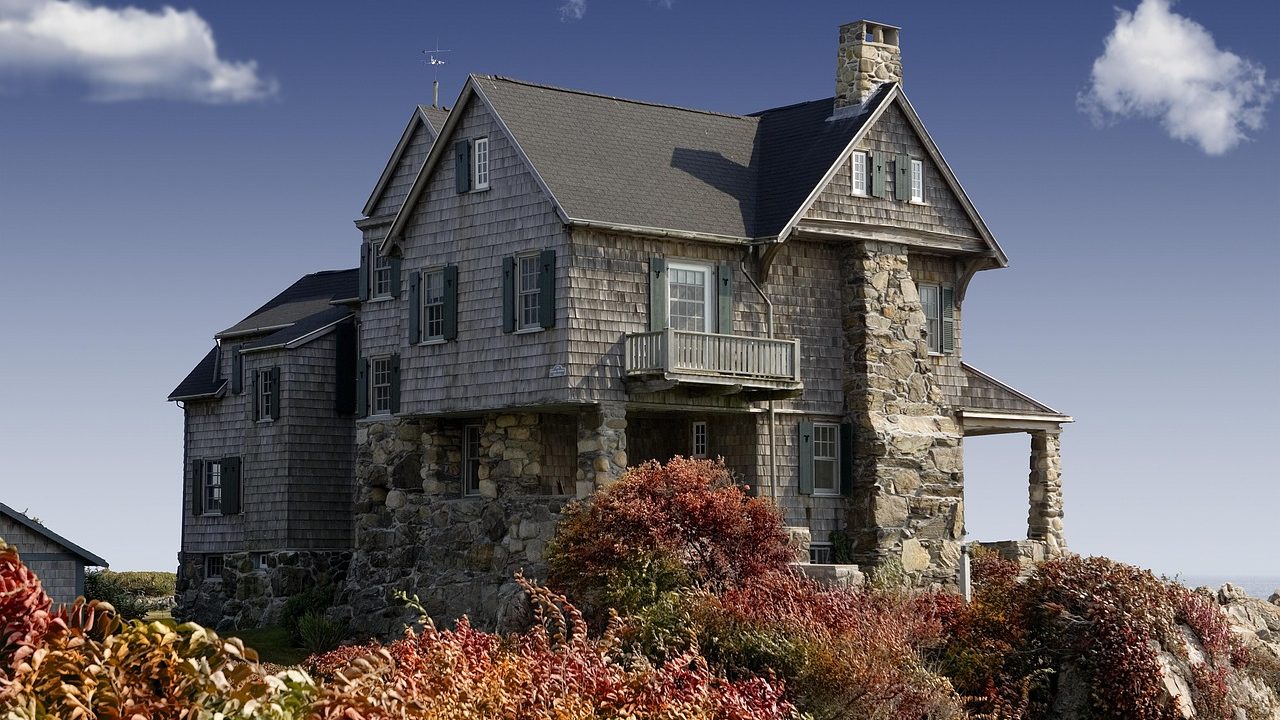
South-facing windows present a unique architectural challenge in North America. Throughout the summer months, the sun tracks high in the southern sky, bombarding vertical south-facing glass with intense, direct solar radiation for the majority of the day. Without adequate intervention, this radiant energy passes straight through standard double-pane glass, converts to thermal heat upon striking interior furnishings, and becomes trapped inside—a phenomenon commonly known as the greenhouse effect.
To combat this load, energy engineers rely on specific metrics defined by the National Fenestration Rating Council (NFRC). The most critical metric is the Solar Heat Gain Coefficient (SHGC), which measures how much solar radiation passes through a window on a scale from 0 to 1. A lower SHGC indicates better blocking capabilities. Standard clear glass often has an SHGC of 0.75 or higher, meaning three-quarters of the sun’s heat enters the home. Effective summer cooling strategies require driving that effective SHGC down significantly, either through reflective coatings applied to the glass or through exterior shading that casts the window in shadow.
Understanding how radiant, conductive, and convective heat transfer interact with window assemblies is essential for residential energy management. When direct sunlight hits an unshaded window, radiant energy is absorbed by the glass panes, frame, and interior objects. This absorbed energy converts into thermal heat, raising the temperature of the indoor air through natural convection. In high-performance building science, stopping radiant energy before it crosses the thermal boundary of the home is always more efficient than trying to remove that heat via air conditioning once it is trapped inside the living envelope.
Furthermore, it is vital to distinguish between visible light, ultraviolet rays, and infrared radiation. Visible light makes up about 43 percent of the solar spectrum, while infrared radiation accounts for over 50 percent, and ultraviolet rays comprise the remainder. Controlling heat effectively without plunging your living areas into total darkness requires selecting technologies that selectively filter specific wavelengths of the solar spectrum rather than simply blocking all light indiscriminately.
How Solar Window Tint Works
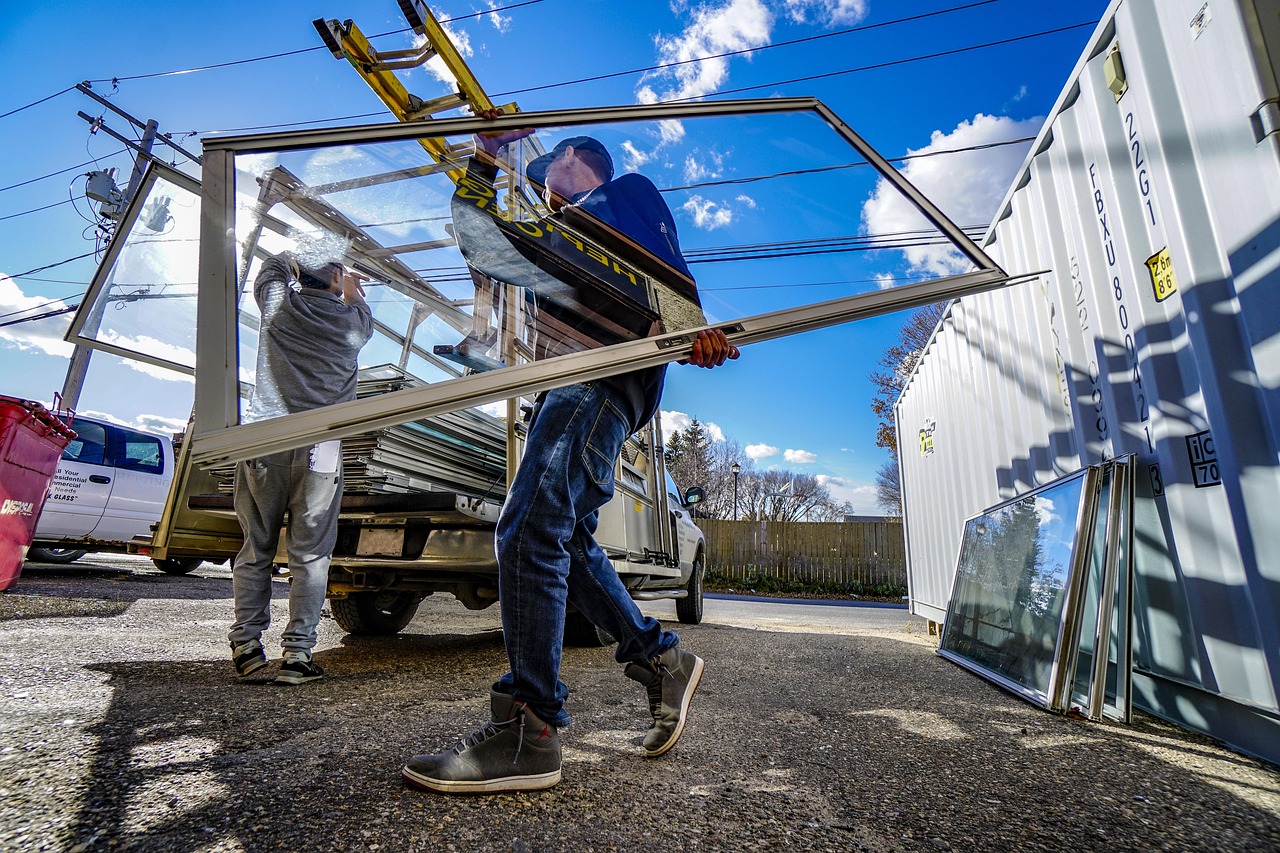
Solar window tint, or architectural window film, is a multi-layered polyester laminate applied to the interior (or occasionally exterior) surface of existing glass. Modern films utilize nano-ceramic or metallized particles designed to selectively filter the solar spectrum. They allow visible light to pass through while reflecting or absorbing a high percentage of infrared heat and nearly all ultraviolet radiation.
From a performance standpoint, high-quality window film can reduce a window’s SHGC down to the 0.20 to 0.40 range. This means a substantial portion of the sun’s thermal energy is bounced back outside or absorbed by the glass and dissipated into the exterior air. Because the film adheres directly to the pane, it provides continuous, passive protection without requiring any manual operation or mechanical parts.
Advantages of Window Film
The primary advantage of solar window film is its unobtrusive, set-it-and-forget-it nature. Once installed, it requires zero daily maintenance. It does not obstruct your view of the outdoors, nor does it interfere with landscaping, roof overhangs, or architectural guidelines in strict homeowners associations (HOAs). Furthermore, window film protects interior flooring, furniture, and artwork from fading by blocking up to 99 percent of harmful UV rays.
Another significant benefit of professional window film installation is improved glass safety. In the event of severe weather, an accidental impact, or an attempted break-in, high-performance security and solar films help hold shattered glass shards together, preventing dangerous flying fragments from injuring occupants inside the room. They also help balance hot and cold spots across different rooms in the house by curbing localized overheating near sun-drenched glass walls.
Limitations of Window Film
Despite its efficiency, window film has inherent drawbacks. By design, it reduces visible light transmission (VLT). Depending on the tint level you choose, your rooms may feel noticeably dimmer on overcast days, requiring you to turn on interior electric lighting earlier in the evening. Additionally, because films absorb a portion of the solar radiation, they increase thermal stress on the glass itself. Low-quality films or improper installation on certain types of insulated glass units can occasionally lead to thermal shock fractures, though professional installers carefully match films to window specifications to mitigate this risk.
Furthermore, interior window films cannot be adjusted dynamically. Once a specific visible light transmission and SHGC film is applied, it remains fixed year-round. In colder climate zones, this means the film will continue blocking beneficial solar heat gain during spring and autumn shoulder seasons, potentially resulting in slightly higher heating loads during cooler months when free solar heat would otherwise be welcome.
How Retractable Awnings Work
Exterior retractable awnings take a macro approach to solar management. Mounted to the exterior wall above the window or patio door, these systems use heavy-duty acrylic or canvas fabrics stretched over a metal frame. When extended, the awning creates a physical canopy that intercepts sunlight before it strikes the window glass.
The building science behind exterior shading is remarkably effective. Because the shade is cast outside the building envelope, the solar energy is absorbed or reflected into the open outdoor air rather than interacting with the window pane. According to Department of Energy studies, exterior shading can prevent up to 65 to 75 percent of solar heat from entering south-facing windows during peak cooling hours, outperforming many types of interior window treatments.
Advantages of Retractable Awnings
The standout feature of a retractable awning is its complete adaptability. In the summer, you can extend the awning during peak sun hours to block heat and reduce cooling loads. In the winter—when you actually want solar heat gain to help warm your home—you simply retract the awning, allowing the low winter sun to flood your south-facing windows with free thermal energy.
Awnings also preserve your natural glass clarity without any permanent alteration to the window itself. When retracted, they are neatly tucked away against the house, making them ideal for homeowners who do not want darkened windows year-round. Additionally, large patio awnings create comfortable, shaded outdoor living spaces, effectively extending your functional square footage during hot summer afternoons.
Limitations of Retractable Awnings
Retractable awnings require a higher initial investment and demand regular mechanical awareness. Manual crank models require physical effort, while motorized versions require an electrical power source, remote controls, or smart-home integration. Furthermore, exterior fabrics are vulnerable to severe weather. High winds, heavy downpours, and accumulating snow can damage or tear the frame and fabric. Consequently, motorized awnings often require wind sensors that automatically retract the unit during gusts, and homeowners must manually manage them during major storms.
Direct Thermal Performance Comparison
When comparing solar window tint vs retractable awnings on performance alone, exterior awnings generally hold the upper hand during peak summer conditions because they stop heat before it reaches the building envelope. Window glass absorbs heat and eventually radiates a portion of it inward, whereas an exterior awning prevents that absorption entirely.
However, performance depends heavily on the sun’s angle. South-facing windows receive the most intense direct radiation when the sun is high in the sky during midday—an angle that standard horizontal awnings shade exceptionally well. In the morning and late afternoon, however, the sun’s rays strike windows at a lower angle beneath the awning canopy. During these shoulder hours, window film continues to provide continuous protection regardless of the sun’s position, whereas low-angle rays may sneak underneath an awning and hit the glass directly.
When evaluating these performance dynamics, homeowners should consider their local climate’s specific temperature profiles and daily sunshine patterns. In arid regions with intense, cloudless summer skies, both solutions perform admirably, but the external buffering of an awning provides superior peak cooling load reduction. In humid subtropical climates characterized by hazy, diffuse sunlight, window film remains highly effective because diffuse light enters from all directions around an exterior canopy.
It is also important to evaluate how each solution handles convective air currents. When an exterior awning shades a window, it cools the immediate exterior microclimate near the glass. Conversely, dark window films absorb heat and rely on outdoor wind currents to sweep that heat away from the exterior glass surface. If a window is installed in a recessed alcove with minimal airflow, an absorption-heavy window film can occasionally retain more heat than a high-performance reflective film or an exterior shading structure.
Cost, Installation, and Payback Analysis
Financial considerations often dictate the final decision between these two energy-saving upgrades. Upfront costs vary widely based on the scale of your window expanses and whether you choose professional installation or DIY approaches.
Solar window film is generally the more cost-effective retrofit. Professional installation typically ranges from $5 to $12 per square foot depending on the film grade, complexity, and glass accessibility. For a standard living room wall featuring large south-facing picture windows, the total investment is often modest, translating to a relatively quick cooling payback period through reduced monthly electricity bills during the summer air conditioning season. DIY rolls are cheaper, but professional installation is usually recommended to avoid bubbles, creases, and seal damage.
Retractable awnings, by contrast, represent a significant capital expense. Custom-sized, motorized exterior awnings covering wide expanses can easily range from $1,500 to $4,000 or more, including professional installation or structural mounting brackets. While they save substantial cooling energy, the payback period is longer due to the higher hardware and installation costs, though this expense is partially offset by the added value of usable, shaded outdoor living space.
When calculating energy payback, homeowners must factor in local utility rates. In regions with high electricity costs and prolonged cooling seasons—such as the American Southwest or Southeast—both technologies can shave significant dollars off peak summer electric bills, accelerating the return on investment. In cooler northern latitudes, however, the shorter cooling season means energy savings accumulate more slowly, making upfront capital expenditure a more critical hurdle.
Durability, Maintenance, and Longevity
Both products offer solid long-term value, but their maintenance requirements differ significantly.
High-end architectural window films come with manufacturer warranties ranging from 10 years to a lifetime, covering peeling, bubbling, cracking, and color discoloration. Once cured, they require no ongoing maintenance beyond standard glass cleaning with non-abrasive household cleaners and soft cloths. They do not have moving parts to lubricate or fabric to wash.
Retractable awnings involve moving mechanical parts, gears, and fabric exposed to the elements. Quality solution-dyed acrylic fabrics resist fading, mold, and mildew, lasting anywhere from 8 to 15 years before requiring fabric replacement. Mechanical motors and arms may require occasional servicing or lubrication over their lifespan. Homeowners must also commit to keeping the fabric clean by brushing off debris and washing away bird droppings or tree sap to prevent staining and premature degradation. Furthermore, snow accumulation in winter requires vigilance if the awning is mounted in regions prone to heavy lake-effect snows.
Making Your Decision: A Practical Framework
Choosing between solar window tint and retractable awnings comes down to balancing your climate, architectural constraints, and personal preferences:
- Choose window film if: You want a maintenance-free, permanent solution that protects interior furnishings from UV fading, preserves outdoor views without mechanical operation, and operates on a modest budget. It is also the ideal choice for multi-story homes where exterior awnings are difficult to mount, service, or get HOA approval for.
- Choose retractable awnings if: You live in a climate with distinct seasonal shifts where you want solar heat gain in the winter but aggressive shade in the summer. Awnings are also preferable if you want to keep your indoor glass completely clear of tint or if you want the dual benefit of shading an exterior patio or deck.
Ultimately, both options deliver meaningful reductions in indoor cooling loads for sun-drenched properties. By carefully assessing your local climate, daily sun exposure, and willingness to manage exterior hardware, you can select the shading strategy that keeps your home comfortable all summer long while keeping energy costs under control.
Frequently Asked Questions
Do window films void standard double-pane window warranties?
Many major window manufacturers have specific guidelines regarding applied films. Installing dark, high-absorption films on older insulated glass units can sometimes void the manufacturer seal warranty due to thermal stress. Always check your window warranty and choose films with manufacturer-approved compatibility ratings.
Can retractable awnings withstand high winds?
Most standard retractable awnings are designed for sun and light rain protection, not severe windstorms. Motorized units equipped with motion or wind sensors will automatically retract when wind speeds exceed safe manufacturer thresholds. Homeowners should always retract manual awnings when leaving home for extended periods or when severe weather is forecast.
Will window tint make my house look dark from the outside?
Modern architectural window films range from virtually clear spectrally selective films to highly reflective mirrored finishes. If you want maximum heat rejection without changing the aesthetic appearance of your windows, spectrally selective nano-ceramic films block infrared heat while maintaining a clear, neutral appearance from both inside and outside.