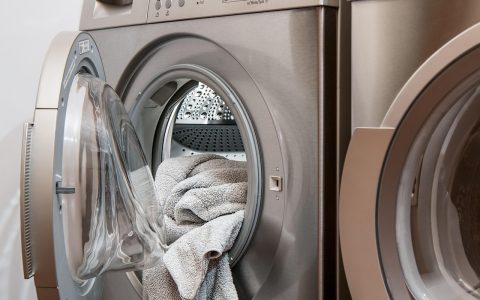
Living in a compact US apartment often means sacrificing full-sized laundry amenities. Whether you rent an older urban walk-up with strict electrical limits or a modern micro-unit lacking utility hookups, doing laundry requires creative workarounds. While portable washing machines have become popular for handling small wash loads, this comprehensive portable laundry spin dryer review will examine how the drying phase remains a major bottleneck. Traditional heated tumble dryers demand heavy-duty 240-volt outlets and exterior venting, which are virtually nonexistent in rental-grade small spaces. This reality leaves renters relying on bulky folding racks that take days to dry heavy fabrics, or expensive commercial laundry rooms.
Enter the standalone centrifugal clothes spinner. A portable laundry spin dryer review reveals a specialized niche appliance designed to solve just one problem: extracting as much water as possible from wet clothes using extreme rotational speed rather than heat. Unlike standard tumble dryers that use electric heating elements and tumbling drums to evaporate moisture, a spin dryer acts like a high-speed centrifuge. It spins wet laundry at 1,500 to 3,000 RPM, forcing water out through drum perforations via centrifugal force. By stripping up to 80 percent of residual moisture in just three to five minutes, these compact units promise to turn line-drying from a multi-day ordeal into a quick overnight chore.
This article provides a rigorous, objective look at how these mini appliances perform in real-world apartment conditions. We examine how centrifugal force compares to thermal evaporation, evaluate capacity and power draw trade-offs, and help you determine whether a standalone spinner makes sense for your laundry workflow.
Understanding Centrifugal Water Extraction: How Spin Dryers Work
To understand the utility of a mini portable spin dryer capacity, you first need to look at the physics of water extraction. When you wash clothes in a portable agitator or fully automatic compact washer, the final spin cycle typically tops out around 600 to 800 RPM. While this removes enough water so clothes aren’t actively dripping, the fabric remains heavily saturated. Towels, jeans, and heavy cottons still hold pounds of water trapped between fibers and seams.
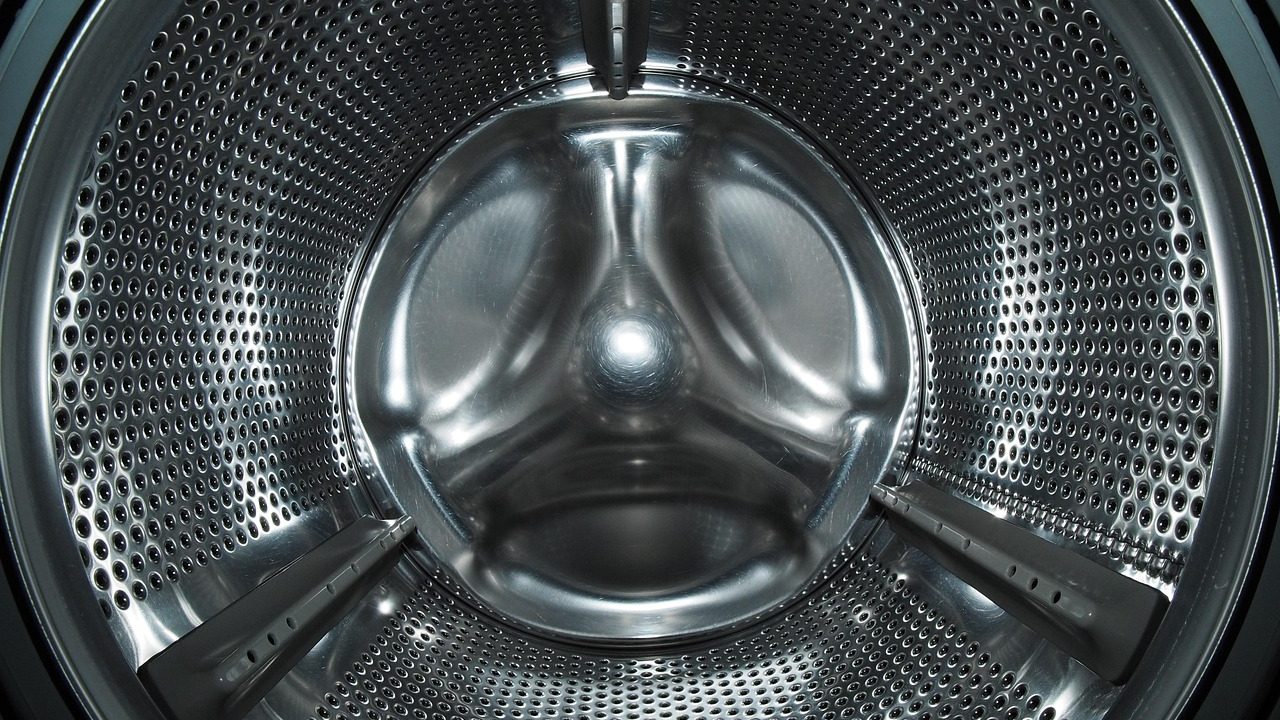
A standalone spin dryer does not wash clothes, nor does it heat them. It is essentially a specialized second-stage extractor. You transfer your wet laundry from your washer directly into the stainless steel or heavy-plastic drum of the spinner. Once the lid is secured, an internal motor ramps the drum up to speeds usually between 1,600 and 2,800 RPM. This rapid rotation creates intense G-force, forcing water outward through small basket perforations into an outer catchment basin, where it flows out through a drainage spout into a bucket or sink.
The difference in residual moisture is stark. While a standard washing machine leaves laundry feeling damp and heavy, items coming out of a high-RPM spin dryer feel nearly dry to the touch—similar to fabric that has been wrung out by hand with industrial force. Because there are no heating elements, electrical power consumption is remarkably low, typically ranging from 200 to 300 watts. This makes spin dryers safe to run on standard 120-volt apartment circuits without tripping breakers, even when sharing a circuit with other kitchen or bathroom appliances.
To truly grasp why these machines are so efficient, it helps to understand the difference between water held by capillary action versus water bound deep inside the fibers. Standard washing machine spin cycles rely on moderate angular momentum that overcomes loose surface tension, but they lack the sustained high G-force needed to force water out of tighter yarn twists. A specialized standalone spinner uses a narrower drum radius and a much faster rotational velocity to generate hundreds of times the force of gravity. This intense physical compression forces trapped water molecules out of dense woven fabrics like denim, canvas, and heavy terrycloth in minutes.
Furthermore, because the extraction process is purely mechanical, it avoids the thermal degradation that wears out clothes over time. Traditional heated dryers break down fabric elasticity by baking residual moisture out of the material at high temperatures, which releases lint—essentially microscopic broken textile fibers—into the trap. Spin dryers produce virtually no lint because they do not abrade or scorch the fabric. Your garments retain their structural integrity far longer, reducing plying, thinning, and premature fraying.
Standalone Spin Dryers vs. Traditional Heated Tumble Units
When shopping for apartment laundry solutions, consumers often confuse portable spin dryers with portable heated tumble dryers. They are entirely different categories of machines with distinct operational profiles, space requirements, and drying mechanisms. Comparing them directly highlights the unique value proposition—and the limitations—of the spin-drying category.
Traditional tumble dryers rely on thermal energy. They tumble clothes through a heated drum, evaporating moisture into warm air that must either be exhausted outside through a rigid duct or condensed internally through a tank or condensation drain. Ventilated electric dryers require 30-amp, 240-volt circuits, making them impossible for most renters to install without landlord permission and professional electrical work. Ventless or compact condensing dryers can run on 120 volts, but they take significantly longer to dry cycles—often two to three hours per load—and generate considerable indoor humidity and heat.

Standalone spin dryers, conversely, do not use heat at all. They do not dry clothes completely; they prep them for air-drying. By mechanically extracting the water that would otherwise take hours to evaporate, a spin dryer bridges the gap between washing and line-drying. The table below outlines the core mechanical and operational differences between these two approaches:
- Drying Mechanism: Spin dryers use centrifugal G-force; tumble dryers use thermal evaporation and tumbling.
- Energy Consumption: Spin dryers consume 200–300W; compact tumble dryers consume 1,200–2,500W.
- Electrical Requirements: Spin dryers run on any standard 15-amp, 120V wall outlet; tumble dryers often require dedicated or heavy-duty circuits.
- Installation: Spin dryers require no venting, plumbing modifications, or permanent setup; tumble dryers require venting or condenser maintenance.
- Fabric Care: Spin dryers cause minimal heat shrinkage but require careful balancing; tumble dryers can shrink natural fibers via heat but handle mixed loads uniformly.
For the apartment renter, the choice usually boils down to spatial reality and utility costs. If your apartment lacks a 240V outlet and you have limited floor space, a compact heated dryer may be out of the question. A portable spin dryer tucks away inside a hallway closet or beneath a bathroom sink, ready to be pulled out for a quick five-minute extraction cycle whenever you wash a batch of clothes.
It is also worth noting the cost factor over the lifespan of the appliance. Heated tumble dryers feature complex assemblies including heating coils, thermostats, blower motors, and electronic control boards that frequently require professional repair. Standalone spin dryers feature a remarkably simple architecture: a heavy-duty motor, a brake mechanism, a safety switch integrated into the lid, and the stainless steel or plastic drum assembly. With fewer moving parts and no high-heat components to degrade, a well-maintained spin dryer can outlast multiple budget tumble units while adding practically nothing to your monthly electric bill.
Analyzing Capacity Realities and Load Management
One of the most common points of friction for first-time buyers is understanding mini portable spin dryer capacity. Manufacturers often advertise capacity in pounds, but laundry volume is deceiving. A spin dryer rated for 11 pounds of capacity refers to the weight of *wet* laundry, not dry laundry. Because water adds substantial weight to fabrics, an 11-pound spin dryer can comfortably handle a dry laundry load weighing roughly 5 to 7 pounds.
Attempting to overload a centrifugal spinner is the primary cause of poor performance and mechanical wear. When you cram too many items into a small drum, the laundry cannot distribute evenly against the interior walls. As the motor spins up, an unevenly packed load creates severe centrifugal imbalance, causing the unit to vibrate violently, shake across the floor, or trigger safety cutoffs. Successful operation requires conscious load management: heavier items like jeans and towels should be distributed symmetrically around the drum perimeter, while smaller items fill the center.
Furthermore, capacity limitations mean you cannot simply toss a massive load from a full-sized apartment washing machine straight into a compact spinner. You may need to split a single wash load into two separate spin batches. Fortunately, because a standard spin cycle takes only three to four minutes, processing two smaller batches adds less than ten minutes to your total laundry routine.
Mastering load balance is an acquired skill that takes just a few laundry days to perfect. If the unit begins to rumble or thump loudly during startup, do not try to hold it down by force. Immediately turn off the machine using the safety lid brake or power switch, let the drum come to a complete stop, and redistribute the garments more evenly around the drum walls. Packing items loosely and vertically rather than cramming them in a tangled ball ensures that water can escape freely through the perforations without getting trapped in folds.
Additionally, pay close attention to fabric types when loading. Mixing heavy, absorbent bath towels with delicate silk or synthetic undergarments can lead to uneven weight distribution because the towels retain significantly more water weight than the lighter items. Grouping similar fabrics together not only improves balance and extraction efficiency during the spin cycle but also makes sorting for your subsequent indoor drying rack much faster and more organized.
Evaluating Drying Speed and Line-Drying Integration
The primary benefit of integrating a standalone spin dryer into your routine is the dramatic reduction in ambient indoor drying time. In a typical apartment setting without outdoor line access, hanging wet clothes on a collapsible rack introduces gallons of moisture into your living space. This raises indoor humidity levels, promotes condensation on cold windows, and can foster mold growth if ventilation is poor. Moreover, heavy cotton garments or denim can take 24 to 36 hours to air-dry completely in a stagnant indoor environment, often developing a musty odor before the core fibers dry.
When you run clothes through a high-speed spin dryer before hanging them on an indoor rack, the timeline changes completely. Because the machine extracts up to 80 percent of the water mechanically, the clothes are no longer saturated; they are merely damp. When hung on a drying rack in a moderately ventilated room with a ceiling fan or box fan running, spin-dried garments typically dry fully within four to eight hours. Heavy towels that once stayed damp overnight dry by mid-afternoon.
This speed eliminates the damp-air stagnation problem that plagues indoor line-drying. Because minimal moisture evaporates into the room, your apartment’s relative humidity remains stable, protecting your walls and furniture from moisture damage while keeping your laundry smelling fresh and clean.
To maximize this integration, consider setting up your collapsible drying rack near an active airflow source, such as an open window, an oscillating fan, or your bathroom exhaust fan. Because the garments are already chemically and physically primed by the spin dryer to release their remaining vapor quickly, even a modest breeze will accelerate the final evaporation phase exponentially. Renters living in exceptionally humid coastal regions or older basement apartments will find that pairing a spin dryer with a small portable dehumidifier creates a nearly instantaneous indoor drying station that rivals traditional heated appliances in convenience.
Practical Decision Criteria for Apartment Renters
Before purchasing a standalone spin dryer, assess your specific living situation, laundry habits, and physical constraints. Use the following decision framework to determine if this appliance fits your lifestyle:
- Space Availability: Measure your storage space. Most portable spin dryers have a footprint comparable to a small kitchen trash can (roughly 14×14 inches) and stand about 24 to 30 inches tall. Ensure you have a designated spot where it can live when not in use.
- Laundry Volume: If you wash small loads frequently (every 1 to 2 days), a mini spinner integrates seamlessly. If you prefer doing one massive load every two weeks, the capacity limits will prove frustrating.
- Drainage Access: Spin dryers require a floor-level drainage path. You will need to place the unit near a bathtub, shower stall, or deep utility sink, or position it high enough on a stable platform to drain into a bucket.
- Noise and Vibration Tolerance: Even the best-balanced units produce a humming sound and minor vibration during the initial ramp-up phase. If you live in a building with hyper-sensitive downstairs neighbors or thin subfloors, you may need to place a rubber anti-vibration mat underneath the unit.
Taking time to evaluate these four pillars will prevent buyer’s remorse and ensure your investment matches your daily routine. Renters who have a dedicated corner in the bathroom near the tub or shower often find the setup frictionless because wastewater empties directly down the drain without requiring extra buckets or hoses. On the other hand, if your only available storage is in a bedroom closet far from any plumbing fixture, you will need to factor in the minor inconvenience of carrying a catchment bucket back and forth during each spin cycle.
Common Mistakes and Maintenance Best Practices
To get the longest lifespan and best performance out of a portable spin dryer, avoid a few common operational pitfalls. First, never force clothes down with excessive physical pressure or try to wedge rigid items like shoes into the spinning drum. Second, always pay attention to drainage flow; ensure the flexible drain hose is never kinked or elevated above the machine’s internal drainage port, as standing water can leak into the motor housing.
Maintenance is refreshingly straightforward. Because these units do not use heat or detergents, they require very little upkeep. After each use, leave the lid open for several hours to let the interior drum and outer basin air out completely, preventing mildew buildup. Periodically wipe down the rubber seal and check the drainage spout for lint accumulation, especially if you spin heavily textured towels or fleece blankets.
Another crucial maintenance habit involves checking the unit’s leveling feet or stabilizing pads. Because high-RPM spin dryers rely on precise rotational balance, any wobble caused by uneven flooring can accelerate wear on the motor bearings over time. Adjusting the feet so the appliance sits firmly on a hard, flat surface eliminates unnecessary stress on internal components. If your apartment features plush wall-to-wall carpeting, placing a rigid plywood board beneath the spin dryer provides the stable foundation necessary for smooth, quiet operation.
Conclusion
A portable laundry spin dryer is not a magic fix-all appliance; it will not fluff your clothes or deliver the wrinkle-free warmth of a conventional heated tumble dryer. However, for apartment renters and small-space dwellers grappling with the challenges of indoor line-drying, it is a remarkably effective tool. By harnessing high-RPM centrifugal force, these compact spinners slash drying times, protect indoor air quality from excess humidity, and fit effortlessly into tight floor plans. If you are willing to manage load sizes and handle a brief transition step between washing and hanging, a standalone spin dryer offers an affordable, energy-efficient upgrade to any small-space laundry routine.