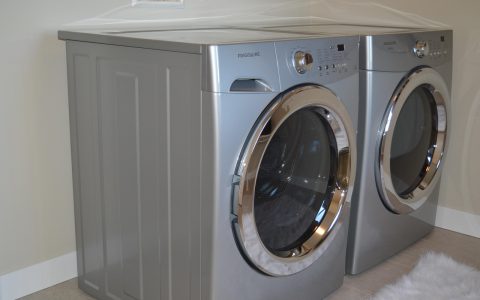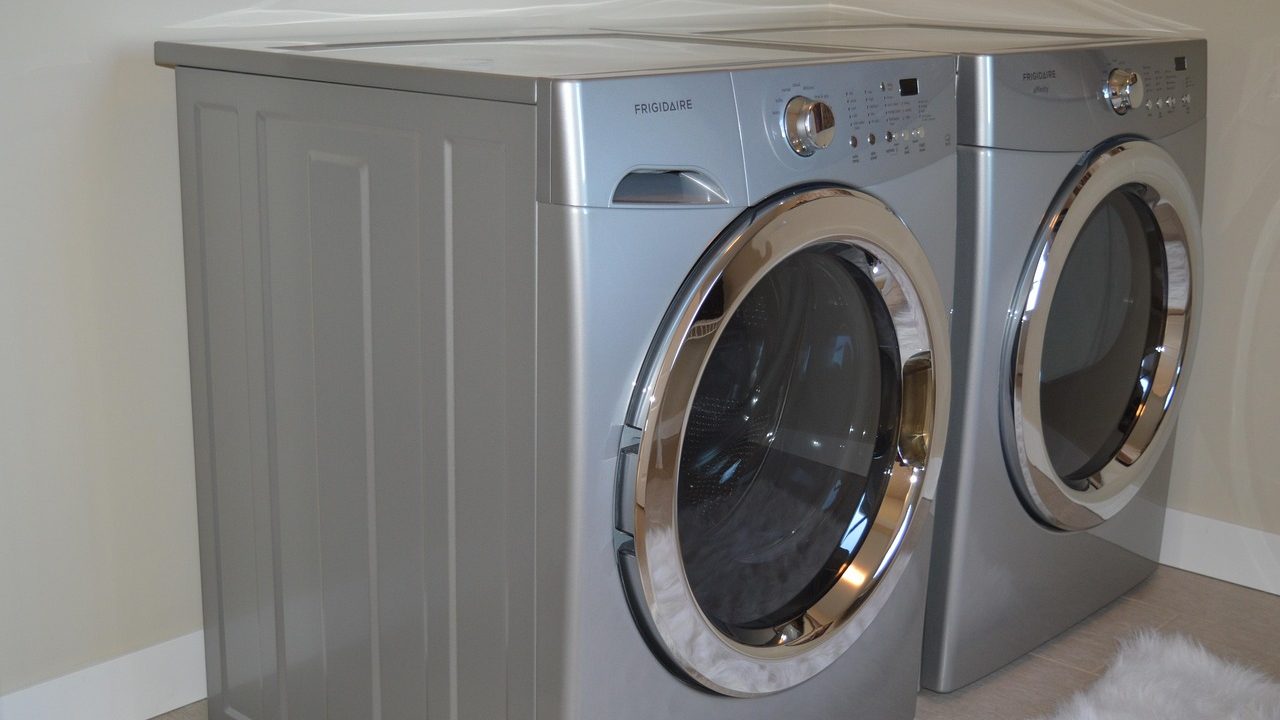
When upgrading to a front-load laundry pair, you inevitably face a costly accessory decision at checkout: factory pedestals. These metal risers lift your washer and dryer roughly 10 to 16 inches off the floor, transforming how you interact with your appliances. At first glance, they look like simple sheet-metal boxes. Yet retail prices often rival those of high-end appliances themselves, making many homeowners pause and ask whether the ergonomic and storage benefits genuinely justify the investment. Navigating this complex appliance accessory market successfully is the primary goal of this comprehensive washer and dryer pedestals buyer guide, which breaks down everything you need to know about storage capacity, loading height, structural stability, and installation realities so you can make an informed choice for your home.
Navigating this decision requires a close look at how these risers affect your daily routine, your laundry room layout, and the mechanical performance of your machines. This buyer guide breaks down everything you need to know about storage capacity, loading height, structural stability, and installation realities so you can make an informed choice for your home.
The Ergonomic Argument: Saving Your Lower Back
The primary reason manufacturers designed laundry risers is ergonomics. Standard front-loading washers and dryers sit frustratingly low to the ground. Without a riser, loading and unloading laundry requires bending over at the waist or squatting down repeatedly for every load. For households doing multiple loads a day, that repetitive strain adds up quickly, leading to lower back fatigue and stiffness.
By lifting the drum door up by more than a foot, pedestals bring the opening closer to hip or waist height. This shift allows you to load and unload clothes with a neutral spine, significantly reducing physical strain. If you live with chronic back issues, recovering from surgery, or simply want to future-proof your home for aging in place, this ergonomic adjustment is often the deciding factor. However, if you are exceptionally tall or prefer folding clothes directly on top of side-by-side machines, that extra height can actually work against you, making the top surface too high to use comfortably.
To truly understand the ergonomic impact, consider the physics of human movement in the laundry room. Bending over a low-mounted drum repeatedly creates a significant moment arm on the lumbar spine. Over years of weekly wash cycles, this motion places continuous load on the erector spinae muscles and the discs of the lower back. Elevating the machine shifts the working zone into an optimal vertical envelope where your arms and core can operate without demanding excessive trunk flexion. Occupational therapists and home-accessibility specialists routinely recommend front-load risers for clients with mobility limitations or degenerative spinal conditions, noting that even a 12-inch lift can be the difference between independent laundering and requiring physical assistance.
Evaluating Laundry Pedestal Storage Capacity
Beyond ergonomics, the main functional selling point of a laundry riser is hidden storage. Most factory pedestals feature a deep pull-out drawer equipped with sliding tracks and a latching mechanism. Inside, you will find enough vertical clearance to store bulky items that normally clutter your laundry room shelves.

Common items stored in pedestal drawers include large jugs of liquid detergent, fabric softener, oxygen bleach, stain-removal sprays, and mesh washing bags. Some drawers even include adjustable dividers or removable baskets designed to keep smaller items from sliding around when you open and close the heavy metal compartment. Before buying, check the interior dimensions of the drawer against your preferred laundry products. Extra-large family-sized detergent jugs occasionally exceed the height clearance of certain manufacturer drawers, forcing you to decant liquids into smaller containers.
When evaluating storage capacity, it is also important to look at the mechanical quality of the drawer slides. High-end pedestals typically utilize heavy-duty steel ball-bearing drawer glides that support substantial weight without sagging or binding. Cheaper aftermarket alternatives or poorly constructed risers may use friction-based plastic glides that stick or jam when loaded with heavy 100-ounce liquid detergent bottles. Furthermore, consider how often you actually access these items. If your laundry room already features ample cabinetry, the storage drawer becomes a secondary convenience rather than an absolute necessity. However, in small urban apartments or hallway laundry closets where vertical wall space is at a premium, reclaiming that under-machine footprint for cleaning supplies is an invaluable space-saving win.
Understanding Front Load Pedestal Vibration
While storage and ergonomics receive the most marketing attention, the mechanical interaction between your appliances and their risers deserves careful scrutiny. Front-load washers spin their inner drums at breathtaking speeds—often reaching between 1,200 and 1,400 RPM during the final water extraction phase. This creates immense centrifugal forces.
Adding a 15-inch metal pedestal introduces a longer lever arm. If an appliance is improperly leveled or placed on a flexible subfloor, the pedestal can amplify vibrational movement rather than dampening it. High-end pedestals feature reinforced steel framing, internal cross-braces, and heavy-duty locking mechanisms designed to bolt securely to the bottom of the washer chassis. When installed correctly, they maintain machine stability. However, if your home has wooden floor joists that flex easily, elevating the washer can sometimes make vibration more noticeable throughout the house.
The engineering dynamics behind high-speed spin cycles involve complex physics. As wet laundry redistributes itself inside the rotating drum, temporary imbalances occur. Advanced washing machines use internal suspension systems, liquid balancer rings, and sophisticated accelerometers to detect and correct these imbalances before ramping up to top speed. When you place that machine on top of a pedestal, the structural rigidity of the riser acts as the critical bridge between the appliance chassis and the floor. If the pedestal lacks sufficient torsional rigidity, the entire assembly can begin to wobble, transmitting harmonic vibrations into the surrounding subfloor and drywall. This is precisely why manufacturers insist on using their proprietary matching pedestals rather than mixing and matching brands or using flimsy generic risers.
Weighing the Retail Markup: Are Factory Risers Overpriced?
One of the most common friction points in appliance shopping is the cost of accessories. Factory pedestals frequently carry a steep price tag relative to their simple construction of stamped steel and paint. Critics argue that charging hundreds of dollars for a metal box is excessive.
To determine if they are worth it, consider the alternatives and long-term utility. Universal risers or custom-built wooden laundry platforms can sometimes be built or purchased for less money, but they rarely match the exact color-matching finish, seamless bolt-pattern alignment, or integrated drawer design of factory units. If you value a cohesive aesthetic and need the built-in storage drawer, the factory markup is essentially paying for form-factor integration and guaranteed compatibility.
When budgeting for a new laundry pair, consumers often experience sticker shock when they realize that adding two pedestals can increase the total purchase price by several hundred dollars. To evaluate whether this markup is justified, look at the expected lifespan of your laundry pair. Front-load washers and dryers typically last anywhere from 10 to 14 years. Spread out over a decade of daily use, the amortized cost of the pedestals drops to a modest annual figure. If the risers prevent lower back strain or eliminate counter clutter for over a decade, many homeowners find the investment acceptable. Conversely, if you are outfitting a rental property or working on a strictly constrained renovation budget, skipping the pedestals is an easy way to trim upfront expenses without sacrificing core washing and drying performance.
Spatial and Installation Constraints in Your Laundry Room
Before purchasing a laundry pair with risers, take out your tape measure and check your vertical clearance. Adding 15 inches of height to a standard washer and dryer pushes the top surface significantly higher. If your laundry appliances sit underneath upper cabinetry, utility shelves, or a built-in countertop, you may find that the elevated units no longer fit beneath them.
Furthermore, vertical clearance is not the only spatial concern. Consider the swing radius of the pedestal drawer. You need ample clearance in front of the machines to pull the storage drawer completely open without hitting a folding table, a laundry room door, or the opposite wall. In tight galley-style laundry closets, a fully extended pedestal drawer can completely block access to the room.
Another spatial factor often overlooked is the presence of plumbing access panels, electrical outlets, and dryer exhaust vents. When you raise the appliances by over a foot, the rear connection points also shift upward. Ensure that your water supply valves, 240V dryer receptacle, and gas line hookups fall within the acceptable clearance window behind the machines. Additionally, if your laundry room features a floor drain or a plastic laundry drip pan, verify that the combined weight and footprint of the pedestals fit securely inside the pan without interfering with the drain grate or raising the units too high against surrounding walls.
Comparing Factory Pedestals to Aftermarket Alternatives
Homeowners seeking the ergonomic benefits of risers without paying manufacturer prices often look at aftermarket solutions. These range from generic steel frames to custom carpentry built by local contractors.
Custom wooden platforms offer a distinct advantage: you can build them to exact custom dimensions to fit an awkward nook or match a specific countertop height. However, wood lacks the integrated locking brackets found on factory units, requiring you to rely on heavy-duty non-slip pads or wall anchors to keep a spinning washer from walking off the platform. Furthermore, custom builds rarely include integrated sliding drawers unless you invest in heavy-duty cabinet hardware and custom drawer boxes.
When comparing factory options to third-party universal risers, safety and structural certification are major considerations. Factory pedestals undergo rigorous testing by the appliance manufacturer to ensure they can withstand the dynamic load forces generated by a fully loaded washer during an off-balance spin cycle. Universal steel frames, on the other hand, vary wildly in manufacturing quality. Some use thin-gauge steel that can warp or buckle under heavy loads. If you choose an aftermarket route, always verify the weight rating and ensure the frame includes positive locking mechanisms to anchor the appliance feet firmly in place.
Common Installation Mistakes to Avoid
If you decide to purchase pedestals, proper installation is critical for long-term appliance health. Skipping steps during setup frequently leads to noisy spin cycles and premature wear.
The most common mistake is failing to level both the pedestal and the machine independently. The pedestal must be perfectly level on the floor before you mount the washer or dryer on top. Once the appliance is secured, you must level the machine again using its adjustable leveling legs. Skipping this dual-leveling process causes uneven weight distribution during high-speed spins, leading to violent shaking and error codes.
Another frequent error is using incorrect hardware or omitting the securing clips that lock the washer to the riser. Because a spinning washer generates immense dynamic loads, relying on gravity alone is never enough. Always use the manufacturer-provided mounting brackets and torque every screw to specification.
Improper weight distribution within the laundry pair can also create operational issues. Always place the washing machine on the pedestal that receives the heavier structural reinforcement if there are model-specific design differences. While many pedestals are universal for both washers and dryers within the same brand family, some manufacturers design washer-specific risers with reinforced internal gussets to handle extreme centrifugal loads, while dryer pedestals may feature simpler or lighter construction because dryers do not undergo violent water-extraction phases.
Comprehensive Decision Framework: Should You Buy Laundry Pedestals?
To finalize your decision, run through this quick checklist regarding your household needs and physical space:
- Physical comfort: Do you or other family members experience lower back strain when bending down to load low appliances?
- Storage needs: Is your laundry room short on cabinet space for detergent, additives, and cleaning tools?
- Vertical clearance: Do you have at least 55 to 60 inches of total vertical clearance from the floor to any overhead cabinets or shelves?
- Floor stability: Is your laundry room floor constructed on a rigid concrete slab or reinforced subflooring that resists vibration?
If you answered yes to most of these questions, factory pedestals will likely provide a worthwhile quality-of-life upgrade. If your space has strict height limits, or if your floors are prone to vibration, you may want to skip the risers and invest your budget into other laundry room organizational upgrades instead.
Frequently Asked Questions About Laundry Pedestals
Do I need pedestals for both the washer and the dryer?
While matching sets look best visually, you do not technically need to buy two pedestals. Some homeowners purchase a pedestal solely for the washing machine to improve ergonomic loading height, leaving the dryer at standard height if they prefer using the top surface of the dryer for folding clothes.
Can I install a pedestal on an older model front-load washer?
Generally, factory pedestals are brand- and model-specific. Manufacturers change their chassis designs, bolt patterns, and leveling foot locations frequently. Attempting to mount an older washer onto a new pedestal—or mixing brands—rarely works safely without custom modification.
How do I stop my pedestal from shaking during high-speed spins?
If your pedestal shakes excessively, start by checking the leveling legs on both the pedestal and the washing machine. Ensure all locking nuts are tightened firmly. If your floor is made of wood, you may need to reinforce the subfloor joists from underneath to eliminate flex.
Conclusion
Laundry pedestals are neither an essential requirement nor a frivolous gadget—they are a specialized ergonomic and storage tool. While their retail markup can sting, the daily comfort of standing upright while loading laundry and the convenience of hidden detergent storage make them a valuable addition for many households. By measuring your space carefully, verifying your subfloor stability, and matching your storage habits to the drawer dimensions, you can decide with confidence whether these risers belong in your home.