Shopping for a new top-load washer often brings you to a quiet crossroads in the appliance aisle: Do you stick with the familiar center post of a traditional model, or move to a modern low-profile design? Understanding the mechanical and practical differences in an agitator vs impeller washing machine comparison helps you make the right choice for your household laundry habits. While both styles load from the top, their internal mechanics, water usage, fabric care profiles, and cleaning styles differ significantly.
For decades, the central agitator was the undisputed king of North American laundry rooms. It offered dependable, aggressive mechanical action to churn through muddy jeans, sports uniforms, and everyday cottons. However, stricter energy standards and consumer demand for larger drum capacities have propelled impeller machines into the mainstream. Choosing between them is not simply a matter of old versus new; it is about matching your specific laundry needs—such as delicates, bulky bedding, or heavily soiled workwear—to the right mechanical architecture.
The Anatomy of Wash Mechanics: How Each System Cleans
To understand why these two machine types perform differently, you need to look at what happens beneath the water line during a cycle. The wash action defines how dirt is lifted from fibers, how water penetrates garments, and how much physical stress is placed on your wardrobe.
A traditional agitator washing machine relies on a tall, vertical post rising from the center of the wash basket. During the wash cycle, this post oscillates—twisting back and forth in a sweeping arc. The fins or vanes on the post physically pull clothes down into the water and push them against one another and against the sides of the tub. This mechanical friction is direct and forceful. It blasts away ground-in dirt through sheer physical scrubbing, making short work of stubborn mud, grass stains, and heavy mud.
Conversely, an impeller washing machine replaces that bulky center post with a low-profile, rotating disc or cone sitting at the bottom of the wash basket. Instead of physically beating the clothes against a center post, the impeller spins rapidly, creating coordinated water currents. These currents cause the clothes to rub gently against each other in a basket-filling rollover pattern. The cleaning power comes from coordinated fluid dynamics and friction between garments rather than mechanical contact with a hard plastic post.
Fabric Wear and Tear: Protecting Your Investment
One of the most consequential differences between these two washer types is how they treat your clothes over hundreds of wash cycles. Fabric longevity directly impacts your long-term clothing budget, making this a critical evaluation point for any household.
Traditional agitators are notoriously tough on fabrics. The continuous mechanical rubbing against the rigid center post creates friction that can fray hems, stretch collars, stretch out knits, and accelerate general wear. If you wash a lot of delicate garments, sweaters, lace, or lightweight athletic wear in an agitator, you may notice premature pilling, thinning fabric, or even torn seams. Items can wrap tightly around the agitator post during high-speed agitation, placing unusual tension on seams and buttonholes.
Impeller washers are engineered specifically to minimize this type of mechanical stress. Because there is no center post to catch or twist garments, clothes move more freely and gently within the wash basket. The fluid-friction cleaning method reduces stress on individual fibers, meaning your favorite cotton shirts, work blouses, and knitwear retain their shape and structural integrity significantly longer. If your laundry basket is filled with office wear, athletic gear, and mixed everyday fabrics, an impeller system offers a much gentler environment.
However, gentleness can occasionally be a double-edged sword. While impellers excel at protecting delicate fabrics, their lower-impact cleaning action may require a bit more attention when dealing with stubborn, set-in stains. Users transitioning from an aggressive agitator to a gentle impeller may need to embrace pre-soaking or spot-treating for heavy grease and ground-in dirt.
Water Usage and Energy Efficiency: Comparing Utility Impact
Utility bills are a major consideration when replacing major home appliances. Modern federal energy standards and rising municipal water rates have made water efficiency a primary selling point for laundry equipment.
Traditional top-load agitator washers require a massive volume of water to operate effectively. Because the agitator needs to submerge clothes completely and create a heavy slurry to move them around the post, these machines typically fill the entire outer tub, often using anywhere from 35 to 50 gallons of water per normal cycle. That volume translates directly into higher water heating bills, since a large portion of that water must be warmed for standard cotton cycles.
High-efficiency (HE) impeller washers, on the other hand, operate on a fundamentally different water philosophy. They use advanced load-sensing technology to gauge the weight and volume of the laundry inside the basket, then add only enough water to thoroughly saturate the garments and allow the impeller to circulate them. Many impeller cycles use as little as 13 to 20 gallons of water per load. This dramatic reduction in water volume also slashes the energy required to heat the wash water, yielding substantial utility savings over the lifespan of the appliance.
It is worth noting that while impeller machines use less water, their wash times can sometimes be slightly longer. The intelligent load-sensing, balancing, and low-water tumbling actions require sophisticated electronic control boards to cycle through washes efficiently.
Capacity and Loading Dynamics: Washing Bulky Items
Physical capacity determines how many loads of laundry you have to run each week. If you have a large family, dealing with endless hampers of clothes makes tub size and loading ease vital factors.
In an agitator machine, the central post consumes a significant amount of usable space in the center of the tub. While the outer diameter of the drum might look large, you cannot place clothes in the dead center. Furthermore, loading bulky items like king-size comforters, sleeping bags, or thick winter blankets into an agitator machine can be frustrating. These large items must be arranged carefully around the post; otherwise, the load becomes unbalanced, causing the machine to pause, vibrate violently, or trigger an error code during the spin cycle.
Impeller washers completely remove the center obstruction. Without a tall post taking up interior volume, the wash basket is wide open. This design makes it significantly easier to drop in bulky items, heavy quilts, and oversized loads without worrying about uneven distribution around a center post. The extra usable space allows you to wash larger loads in a single go, saving time on laundry day.
That said, loading an impeller washer correctly requires a bit of mindfulness. Because cleaning relies on clothes rubbing against clothes in a rolling motion, you should load items loosely around the outer edges of the impeller rather than packing them into a tight, solid mass in the center.
Cycle Times, Speeds, and Spin Mechanics
How quickly a machine can finish a load impacts your daily routine. While wash speed depends on the selected cycle settings, the underlying mechanical design influences baseline run times and extraction efficiency.
Traditional agitator models are often praised for straightforward, relatively quick cycle times. Their mechanical routines are simpler, often relying on traditional electromechanical timers or straightforward digital boards. A standard heavy-duty cycle on an agitator machine can finish briskly because the aggressive scrubbing action makes short work of the soil removal phase.
Modern impeller washers frequently feature longer wash cycles. To compensate for the lack of aggressive mechanical scrubbing, impeller machines rely on extended wash times, specialized tumbling patterns, and precise directional water jets to lift soil safely. However, they frequently make up for this in the extraction phase. Impeller washers typically feature much higher spin speeds—often reaching 800 to 1,000 RPM or more. These high-speed final spins extract significantly more residual moisture from garments than older agitator models do.
Extracting more water in the washing machine translates directly to shorter drying times in your electric or gas dryer. By reducing the moisture content before clothes hit the dryer drum, you save additional energy and reduce overall laundry turnaround time.
Detergent Compatibility and Maintenance Realities
Switching between these two machine types also changes how you handle routine maintenance and laundry additives. Getting the best results requires matching your supplies to the machine’s engineering.
Traditional agitator machines are generally forgiving when it comes to laundry products. While high-efficiency detergents are recommended for modern top-loaders to prevent excessive sudsing, older agitator models can often handle standard detergents without immediate mechanical failure, though residue buildup can still occur over time.
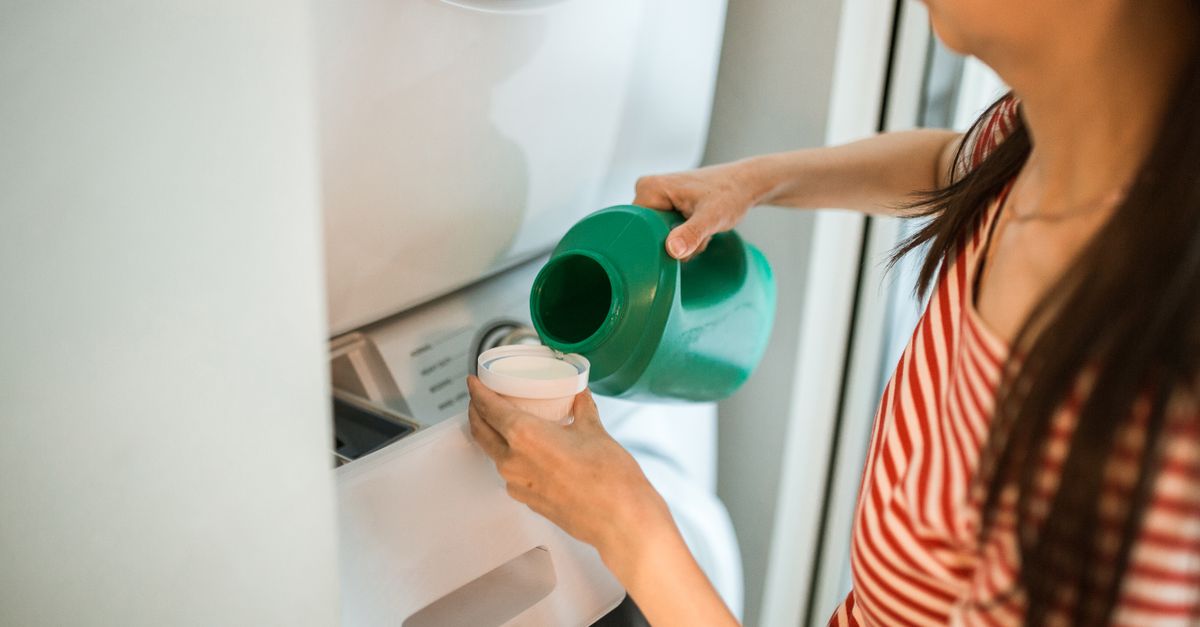
Impeller washers demand High Efficiency (HE) low-sudsing detergent. Because these machines use far less water, traditional detergents will create an overwhelming volume of thick suds that cushion the clothes, preventing the gentle friction needed for the impeller to clean effectively. Excess suds can also trigger error codes, trap odors, and leave a soapy film on your laundry.
Maintenance routines are similar for both styles, requiring periodic cleaning cycles with specialized washer cleaner tablets to eliminate mold, mildew, and detergent residue from the outer tub. However, impeller machines, with their complex sensors and electronic control boards, can occasionally be more sensitive to power surges and unbalanced loads than simpler, traditional agitator designs.
Decision Framework: Which System Fits Your Lifestyle?
Choosing between these two top-load designs comes down to evaluating your household’s unique laundry habits, fabric preferences, and utility priorities. Use this structured decision framework to clarify your choice before heading to the appliance showroom.
- You regularly wash heavily soiled items like workwear, muddy sports uniforms, and durable heavy cottons that require aggressive physical scrubbing.
- You prefer shorter, straightforward wash cycles without complex electronic sensing routines.
- You want a traditionally reliable appliance with fewer sensitive electronic components and a lower upfront purchase price.
- Your household laundry consists primarily of sturdy fabrics with minimal delicate garments.
- Your laundry basket is filled with mixed everyday wear, office attire, athletic gear, and delicate fabrics that benefit from gentle care.
- You regularly wash bulky items like comforters, sleeping bags, and thick blankets that are difficult to fit around a center agitator post.
- Lower water and energy consumption is a top priority for reducing your monthly utility bills.
- You want shorter dryer times made possible by higher spin-speed moisture extraction.
Choose an agitator washing machine if:
Choose an impeller washing machine if:
Common Mistakes to Avoid When Operating Top-Load Washers
Even the best washing machine will underperform if it is operated incorrectly. Homeowners transitioning between machine types often run into avoidable pitfalls.
The most frequent error with impeller washers is overloading. Because the drum looks spacious and lacks a center post, it is tempting to stuff it to the brim. Packing an impeller washer too tightly prevents the water currents from rolling the clothes over, leaving garments in the center unwashed and covered in residual soap. Always leave enough space at the top of the drum for clothes to circulate freely.
Another common mistake is using standard, high-sudsing laundry detergent in an HE impeller machine. As noted earlier, too many suds cushion the garments, dampening the necessary friction and leaving a dull, soapy film on dark clothes. Always measure your HE detergent carefully, using the manufacturer’s recommended lines rather than pouring freely.
Finally, ignoring load distribution—even in machines with automatic balancing—can lead to premature wear on suspension rods and drive systems. Distribute heavy items evenly around the drum rather than balling them up on one side.
Summary Comparison Table
To help crystallize these differences at a glance, consider how the core operational pillars compare between the two systems:
| Feature | Agitator Washer | Impeller Washer |
|---|---|---|
| Center Post | Tall, finned vertical post | Low-profile rotating hub |
| Cleaning Action | Mechanical scrubbing and twisting | Fluid currents and gentle friction |
| Water Usage | High (35–50 gallons per load) | Low (13–20 gallons per load) |
| Fabric Wear | Higher (more friction and stretching) | Lower (gentler rollover movement) |
| Capacity & Bulky Items | Restricted by center post | Open basket, ideal for comforters |
| Detergent Type | Flexible (HE recommended) | Strictly High Efficiency (HE) required |
| Spin Speeds | Moderate | High (better water extraction) |
Making Your Final Purchase Decision
Selecting a new washing machine is an investment in your daily routine and home utility budget. If your primary concerns are rugged stain removal on durable work clothes and a straightforward, traditional washing experience, a classic agitator model remains a dependable choice. If you prioritize protecting delicate fabrics, maximizing tub capacity for bulky bedding, lowering your water footprint, and cutting down on dryer times through high-speed spin extraction, an advanced impeller washing machine is the superior fit. Assess your laundry pile honestly, weigh the mechanical trade-offs, and choose the top-load design that supports your household’s lifestyle for years to come.