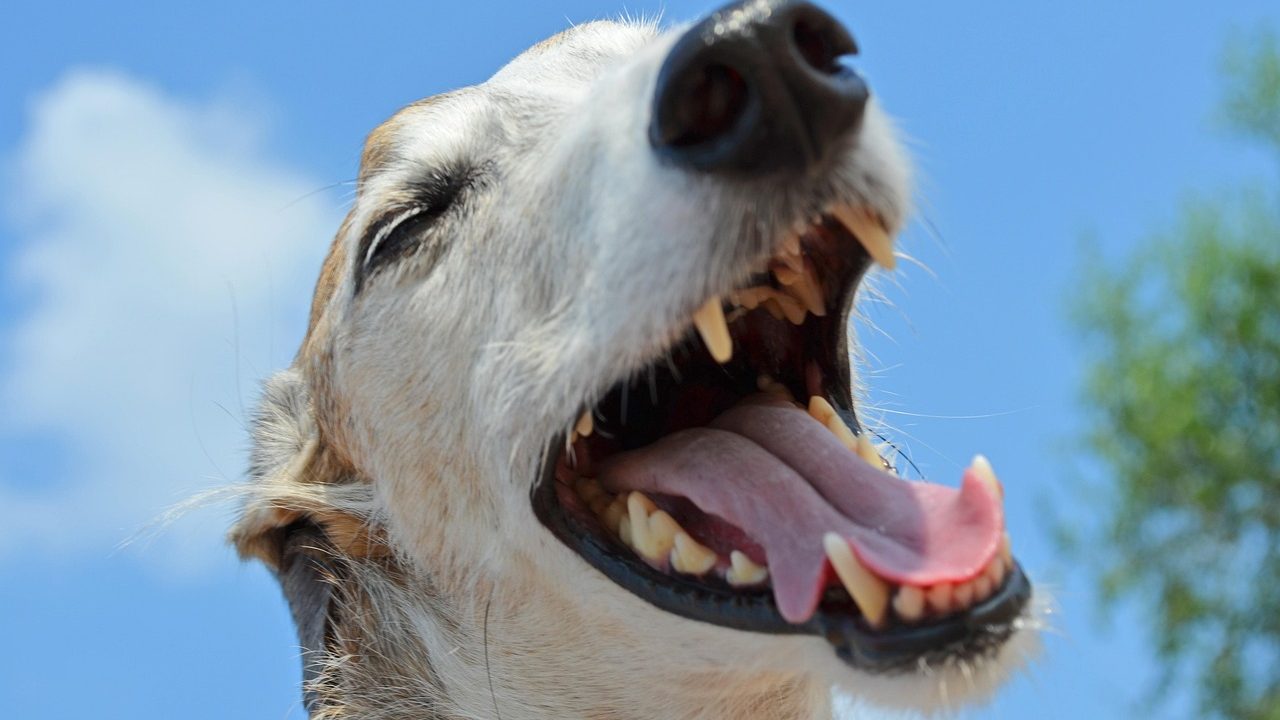
By the time most dogs reach three years of age, they show some degree of periodontal disease. This sobering statistic from veterinary dental specialists highlights a major gap in routine pet care. While most owners remember to feed, walk, and groom their dogs, dental hygiene often falls by the wayside until bad breath becomes unbearable or a vet recommends a costly, under-anesthesia cleaning. Establishing a reliable dog dental hygiene home care guide routine changes this trajectory, protecting your pet from chronic pain, tooth loss, and secondary organ damage.
Plaque and tartar do not just affect the mouth. Bacteria from infected gums can enter the bloodstream, traveling to the heart, liver, and kidneys. Taking control of your pet’s oral health at home dramatically cuts down the frequency of professional veterinary cleanings, which require general anesthesia and carry financial and medical costs. This guide outlines how to build a realistic, low-stress home care program using veterinary-approved methods, gradual behavioral desensitization, and proper tools.
Understanding Canine Dental Anatomy and Disease Progression
To prevent dental disease, it helps to understand what is happening beneath the surface. Canine teeth are shaped differently from human teeth, featuring sharp cusps designed for shearing rather than grinding. Saliva in dogs has a different chemical composition and higher pH than human saliva, which inhibits tooth decay (cavities) but promotes rapid tartar mineralization.
Furthermore, anatomical variations among breeds play a significant role in dental health susceptibility. Toy and small-breed dogs—such as Yorkshire Terriers, Chihuahuas, Maltese, and Toy Poodles—often possess the same number of teeth as a large Labrador Retriever, packed into a fraction of the jaw space. This overcrowding creates tight interdental spaces where food debris, hair, and bacteria become easily trapped, accelerating the formation of plaque and tartar. Brachycephalic breeds, with their shortened muzzles and misaligned jaws, also face unique orthodontic and periodontal challenges that demand vigilant home monitoring.
When your dog eats, food particles mix with bacteria and saliva to form a soft, colorless film called plaque within hours. If left undisturbed, minerals in the saliva bond with plaque within a few days, hardening it into yellowish-brown tartar (calculus). Tartar adheres fiercely to the enamel, pushing beneath the gumline and creating pockets where anaerobic bacteria thrive.
Periodontal disease progresses through distinct stages:
- Gingivitis (Stage 1): The reversible early phase where gums appear red, swollen, and may bleed slightly during chewing or brushing. At this stage, no structural bone loss has occurred, making it entirely curable with consistent plaque removal.
- Early Periodontitis (Stage 2): Bone loss begins around the tooth root, and up to 25% of attachment is lost. Bad breath becomes pronounced, and the gums may begin to recede from the tooth crowns.
- Moderate Periodontitis (Stage 3): Attachment loss reaches 25% to 50%. Gums recede significantly, exposing roots, and chronic infection sets in, causing localized inflammation that stresses the immune system.
- Advanced Periodontitis (Stage 4): Over 50% attachment loss, severe bone destruction, loose teeth, and potential painful oral-nasal fistulas or abscesses. At this stage, multi-rooted teeth are often compromised beyond saving.
Understanding these stages reinforces why early intervention matters. Gingivitis is entirely reversible with proper plaque control, but once periodontitis sets in and bone loss occurs, treatments shift from preventative to restorative and surgical. Your proactive home care routine serves as the primary defense line against crossing that irreversible threshold.
Recognizing Early Signs of Dental Distress
Dogs are stoic animals. They rarely yelp or stop eating simply because their gums ache; instead, they alter how they chew or quietly endure chronic discomfort. Catching dental disease in its earliest stages requires proactive home inspections combined with a keen eye for subtle behavioral adjustments.
Make a habit of lifting your dog’s lips weekly to inspect the back molars and canine teeth. Look for these warning signs:
- Persistent halitosis (chronic bad breath that goes beyond normal doggy breath, often smelling sulfurous or metallic).
- Yellow, brown, or dark crusts accumulating along the gumline, especially on the upper outer molars (the carnassial teeth).
- Red, swollen, or bleeding gums, particularly where the tooth meets the tissue margin.
- Drooping saliva, sometimes tinged with pink or blood, indicating active gum irritation.
- Reluctance to chew hard kibble, toys, or chew treats, or dropping food from the mouth while eating.
- Facial swelling under the eye or jaw, which can indicate a painful tooth root abscess stemming from upper carnassial infections.
- Behavioral changes such as head shyness, irritability, uncharacteristic withdrawal, or reluctance to play tug-of-war.
Beyond these physical markers, pay attention to subtle behavioral shifts. A dog that suddenly refuses to play with a favorite tug toy or leaves hard kibble in the bowl may be suffering from sore gums, a fractured tooth, or an emerging root infection. Routine at-home checks create a reliable physical baseline, making it vastly easier to notice when something changes or when veterinary intervention is required.
Assembling Your Home Dental Toolkit
Success in canine dental care relies heavily on having the right equipment. Using human products can cause toxicity or severe digestive upset, while poorly designed pet tools make the process frustrating for both of you.
Stock your kit with the following veterinary-recommended supplies:
- Pet-Safe Toothpaste: Never use human toothpaste. Human formulas contain foaming agents like sodium lauryl sulfate and fluoride, which are toxic if swallowed, and artificial sweeteners like xylitol, which are fatal to dogs, causing rapid, life-threatening hypoglycemia and liver failure. Enzymatic dog toothpastes contain glucose oxidase and lactoperoxidase, which break down plaque chemically even after brushing stops. They also come in appealing flavors like poultry, beef, and peanut butter to encourage compliance.
- Toothbrushes: Choose a brush scaled to your dog’s size. Dual-headed brushes with angled bristles can clean multiple surfaces at once. Alternatively, silicone finger brushes offer excellent tactile feedback for beginners, though they are less effective on deep back molars of large breeds. Long-handled, angled brushes are generally superior for reaching the back of the mouth without placing your hand in a position where accidental bites could occur.
- Dental Rinses and Gels: Chlorhexidine-based or zinc-formulated gels and rinses provide chemical plaque control for dogs who fiercely resist direct toothbrushing, acting as helpful adjuncts.
Having dedicated supplies set aside in a specific pouch or container helps streamline the routine. When your dog sees the dental pouch come out, it cues the upcoming positive interaction, particularly when paired with high-value rewards.
Step-by-Step Muzzle Desensitization and Training
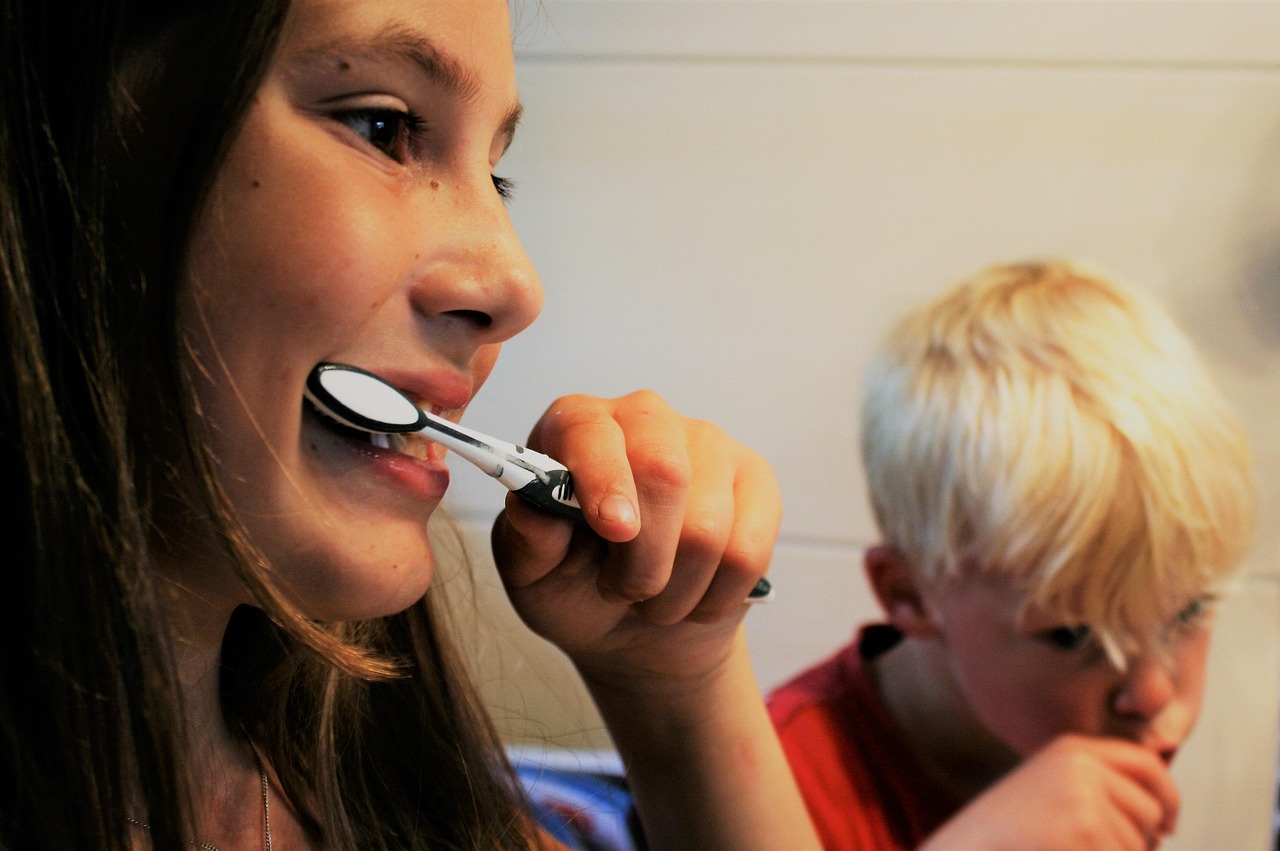
Trying to force a toothbrush into an untrained dog’s mouth is a recipe for a bite incident and a lifelong aversion to dental care. Desensitization requires patience, taking days or weeks to move through small, stress-free increments until your dog views the process as rewarding.
Break the training down into these progressive steps:
- Touch the Muzzle: Gently touch your dog’s muzzle and lips while offering a high-value treat like a small piece of boiled chicken or plain yogurt from a spoon. Repeat this until your dog leans into your hand expectantly when you reach for their face.
- Lift the Lip: Gently lift the upper lip to expose the side teeth for two seconds, immediately reward with praise and a treat. Build up duration slowly over several sessions, ensuring your dog remains relaxed and soft-eyed.
- Introduce the Paste: Let your dog lick a pea-sized amount of poultry-flavored enzymatic toothpaste off your finger. Allow them to realize the paste is a delicious treat rather than something medicinal.
- Introduce the Brush: Put the paste on the brush and let them lick it off without any brushing motion. Let them get used to the physical texture of the bristles against their tongue and teeth.
- Gentle Sweep: Start by brushing just the large canine teeth and outer incisors using a gentle circular motion at a 45-degree angle toward the gumline. Gradually work your way back to the premolars and molars over subsequent weeks.
Patience during this desensitization phase pays off exponentially. Rushing a dog into full brushing before they are comfortable often backfires, creating a defensive reaction that makes future attempts much harder. Always stop on a positive note, even if you only touch their lip for a single second on day one.
Establishing a Daily Brushing Routine
Consistency is more important than scrubbing duration. Aim for daily brushing, as plaque mineralizes into tartar within 48 to 72 hours. If daily brushing is impossible due to your schedule or your dog’s tolerance, target at least three times a week to keep plaque accumulation under control.
Keep sessions short—no longer than 60 to 90 seconds. Pick a time when your dog is naturally calm, such as after a long walk or evening play session, rather than when they are high-energy or asleep. Always end the session with enthusiastic praise and a high-value reward so your dog associates dental hygiene with positive outcomes.
Establish a comfortable physical position as well. For small dogs, placing them securely on your lap or a table can work well. For larger dogs, sit beside them on the floor rather than looming directly over them, which can feel intimidating. Working from the side allows gentle access without triggering a protective or defensive response.
To maintain consistency, integrate dental care into your existing daily habits—for instance, right after your dog’s evening meal or before wind-down time. Tracking your sessions on a calendar can also help build accountability during the initial weeks of habit formation.
The Role of Chews, Diets, and Water Additives
While mechanical toothbrushing remains the gold standard of canine dental hygiene home care guide practices, supplementary products can help manage plaque between sessions.
Evaluate these supportive options carefully:
- Veterinary Oral Health Council (VOHC) Accepted Products: Look for the VOHC seal on dental chews, treats, and special diets. This seal indicates that independent scientific trials proved the product reduces plaque or tartar by a statistically significant margin (typically at least 20%).
- Dental Diets: Prescription dental kibbles feature a larger kibble size with a specialized fibrous matrix that resists crumbling, allowing the tooth to penetrate deeper into the kibble before it breaks, providing a mild abrasive cleaning action across the crown.
- Water Additives: Enzymatic or antiseptic water additives can reduce oral bacteria and freshen breath, though they do little to remove existing mechanical tartar deposits on their own.
Avoid hard items that can fracture teeth. A good rule of thumb is the fingernail test: if you cannot indent an item with your thumbnail (such as real bones, antlers, hard nylon synthetic bones, or ice cubes), it is too hard and risks breaking your dog’s carnassial teeth, which often leads to expensive root canal therapy or surgical extraction.
Integrating these complementary tools into your regimen gives your dog extra support, but remember they are designed to supplement, not replace, physical brushing. Think of them as helpful partners in maintaining overall oral hygiene rather than standalone solutions.
Common Pitfalls and Safety Mistakes to Avoid
Even well-meaning owners can make mistakes that hinder their dental care efforts. Avoiding these common traps ensures a safer, more effective routine:
- Using Human Dental Products: As noted earlier, fluoride and xylitol poisoning are real hazards. Stick strictly to veterinary formulations designed for canine physiology.
- Rushing the Process: Forcing your dog’s mouth open creates fear and defensiveness. If your dog growls, stiffens, or tries to snap, stop immediately, back up a training step, and consult a professional trainer or veterinary behaviorist.
- Neglecting the Inside Surfaces: Dogs’ tongues naturally sweep the inside surfaces of their teeth clean of heavy debris, meaning plaque accumulates primarily on the outer (buccal) surfaces facing the cheeks. Focus your brushing efforts primarily on the outside surfaces, though cleaning the insides is a bonus if tolerated.
- Skipping Professional Checkups: Home care manages plaque and slows tartar accumulation, but it cannot remove existing rock-hard calculus or treat subgingival disease. Annual veterinary evaluations ensure hidden pocket infections are caught early.
Being mindful of these pitfalls helps maintain a positive relationship with your dog. Dental care should strengthen your bond, not turn into a nightly battle. If resistance occurs, take a step back and reassess your approach with patience and positive reinforcement.
Working Hand-in-Hand with Your Veterinarian
Home care is not a replacement for professional veterinary dental care; rather, it is a partnership. During your dog’s annual physical exam, your veterinarian will grade their periodontal status and recommend whether a professional dental cleaning under anesthesia is necessary.
During a professional cleaning, veterinarians perform tasks impossible at home: scaling tartar from beneath the gumline using ultrasonic scalers, polishing the microscopic etchings on the enamel to deter future plaque attachment, taking full-mouth dental X-rays to check for root resorption or bone abscesses, and safely extracting hopelessly diseased teeth that cause chronic pain.
By maintaining a diligent home hygiene routine, you can significantly reduce the plaque burden, minimize the time your dog spends under anesthesia during professional procedures, and ensure your companion enjoys a pain-free, fresh-breathed life.
Regular communication with your veterinary team ensures your at-home strategy aligns with your dog’s specific needs. As dogs age, their oral health requirements change, making periodic dental evaluations an essential pillar of lifelong veterinary wellness care.
Frequently Asked Questions About Dog Dental Care
To help you fine-tune your home care routine, here are answers to common questions about canine oral hygiene:
Can I use coconut oil or baking soda to brush my dog’s teeth?
Baking soda has a very high sodium content and an unpleasant taste, which can upset your dog’s stomach and lead to electrolyte imbalances if swallowed. Coconut oil is sometimes used as a natural alternative for its antimicrobial properties, but it lacks the specialized enzymatic action of formulated pet toothpastes and can cause digestive upset or pancreatitis in fat-sensitive dogs. Stick with veterinary-approved enzymatic toothpastes for safety and efficacy.
How often should my dog have a professional dental cleaning?
The frequency of professional cleanings depends on your dog’s breed, age, genetics, and home care consistency. Many small breeds require professional cleanings every 1 to 2 years, while larger breeds with diligent home care may go longer. Your veterinarian will evaluate your dog’s oral health at annual exams and recommend a schedule tailored to their individual needs.
What should I do if my dog’s gums bleed during brushing?
Mild bleeding during the first few sessions often indicates underlying gingivitis where the gums are inflamed and sensitive. Continue brushing gently; the bleeding should subside within a week as plaque is removed and inflammation decreases. However, if heavy bleeding persists, or if your dog shows signs of severe pain, schedule a veterinary checkup to rule out advanced periodontal disease or oral trauma.