When a central air conditioning system stops blowing cold air on the hottest day of July, the immediate reaction is often a mix of panic and dread. You call a local HVAC contractor, wait through a sweltering afternoon, and finally hear the diagnosis: your evaporator coil has a refrigerant leak, or worse, it has failed entirely. At this moment, you are thrust into one of the most expensive and consequential maintenance dilemmas a suburban homeowner can face: do you pay for an ac evaporator coil repair vs replacement of the entire system?
This decision is rarely simple. Modern split-system air conditioners are integrated networks where the indoor air handler, the indoor evaporator coil, the outdoor condensing unit, and the refrigerant lineset must operate in harmony. When one major component fails, it triggers a chain reaction of financial and technical considerations. Choosing to patch a leak might save you money today, but if the rest of your system is past its prime, you could be throwing good money after bad. Conversely, replacing a twelve-year-old system prematurely can drain your savings accounts when a simple repair might have bought you two or three more summers of comfort.
To navigate this choice successfully, you need to understand the mechanics of your cooling system, the true costs of refrigerant leak repairs, the significance of the central air conditioner replacement threshold, and the real-world implications of equipment age, efficiency ratings, and warranties. This guide provides a comprehensive framework to help you evaluate your options objectively, ask the right questions of your contractor, and make a sound financial investment in your home’s comfort.
Understanding the Central Air Conditioner Evaporator Coil
To evaluate whether to repair or replace your evaporator coil, it helps to understand what the component does and why it fails. Your central air conditioning system operates on a closed-loop refrigeration cycle. It does not actually create cold air; instead, it removes heat and moisture from your indoor air and transfers it outside.
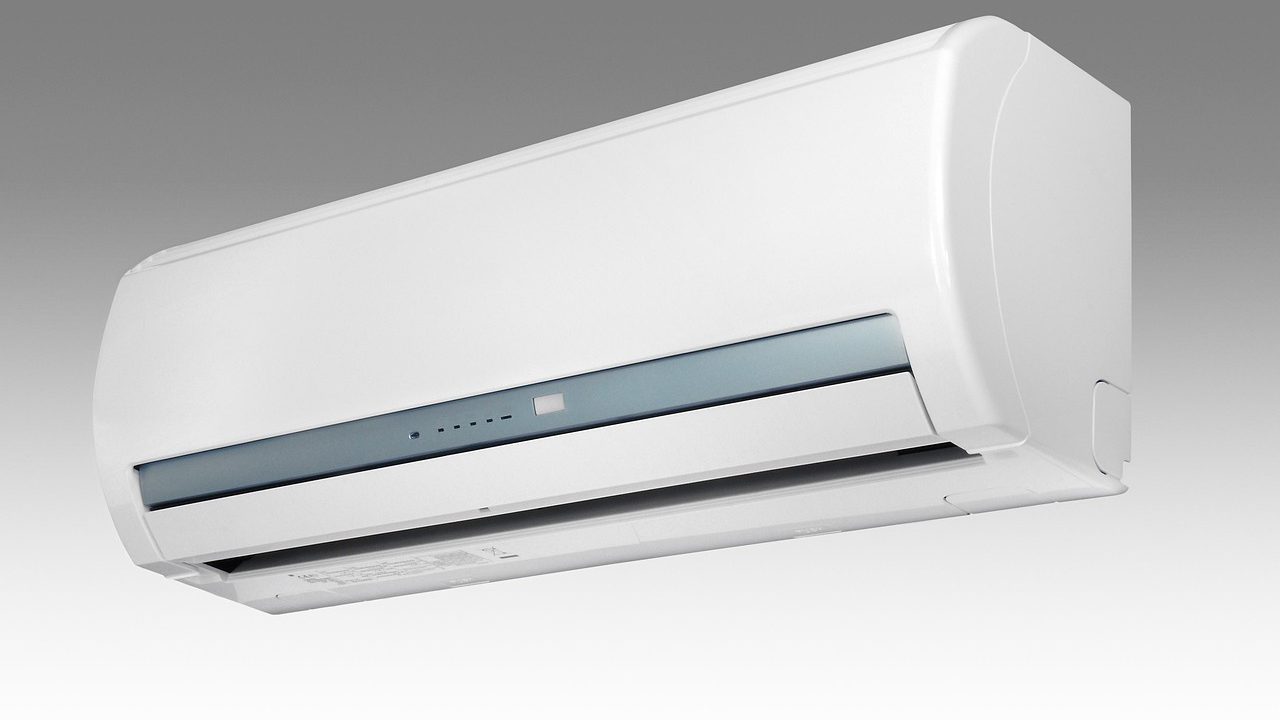
The indoor evaporator coil is the heart of this heat-absorption process. Housed inside your indoor air handler or mounted on top of your furnace, the evaporator coil consists of a series of serpentine copper or aluminum tubing surrounded by thin aluminum fins. As liquid refrigerant at a very low temperature and pressure enters the coil, a blower fan pulls warm air from your home’s living spaces through your return ductwork and pushes it across the cold coil.
Heat from the indoor air transfers into the refrigerant, causing it to boil and turn into a low-pressure gas. This chilled air is then blown back through your supply ducts to cool your home. Meanwhile, the gaseous refrigerant travels through the suction line outside to the condensing unit, where the heat is released into the outdoor air, and the refrigerant is condensed back into a high-pressure liquid.
Because the evaporator coil is constantly exposed to moisture, condensation, and fluctuating temperatures, it is subjected to significant environmental stress. Over time, factors such as formicary corrosion (microscopic acid corrosion caused by cleaning products, off-gassing, or humidity), vibration from the blower motor, and simple manufacturing defects can create microscopic pinhole leaks in the thin metal tubing.
The Anatomy of an AC Refrigerant Leak
When an evaporator coil develops a leak, refrigerant escapes into the atmosphere. Because central air conditioners are sealed systems, they should never consume or lose refrigerant under normal operating conditions. If your system is low on refrigerant, it means there is a leak somewhere in the loop—and more often than not, that leak is located in the indoor evaporator coil.
Detecting a refrigerant leak requires specialized tools and technical expertise. Common symptoms of a low refrigerant charge include:
- Reduced cooling capacity: Your home takes much longer to reach the thermostat setpoint, or the air coming out of the vents feels lukewarm.
- Higher utility bills: Because the system must run continuously to maintain a semblance of comfort, your electricity consumption spikes.
- Ice buildup: When refrigerant levels drop, the pressure inside the evaporator coil falls, causing the remaining refrigerant to become excessively cold. This causes any moisture condensing on the coil to freeze into a solid block of ice, which eventually covers the coils and blocks airflow entirely.
- Hissing or bubbling noises: In some cases, a larger leak near the expansion valve or copper headers will produce a faint hissing sound as the pressurized gas escapes.
When a technician arrives, they will typically verify low superheat or subcooling readings, perform a pressure test using nitrogen, or use electronic leak detectors and ultraviolet (UV) dye to pinpoint the exact location of the breach. Once the leak is found, the debate between repair and replacement officially begins.
When Repair Makes Sense: Patching and Sealing
For many homeowners, the most appealing option is a localized repair. If a technician finds a single, accessible leak on a copper return bend or a solder joint, they may suggest brazing the hole shut, sealing it with a specialized epoxy, or replacing a small section of tubing.
Repairing an evaporator coil can be viable under specific conditions:
- Your system is relatively new: If your air conditioner is less than five to seven years old, it is likely still covered under the manufacturer’s parts warranty. In many cases, the replacement coil itself is free, and you only pay for the labor and refrigerant required to complete the installation.
- The leak is isolated and accessible: If the leak is located on an exterior header or a visible bend, a skilled technician can often braze the joint successfully without compromising the rest of the assembly.
- Budget constraints are severe: If you are facing an unexpected financial emergency and simply do not have the capital for a full replacement system, a temporary patch combined with a recharge can bridge the gap until funds become available.
However, repairs come with significant caveats. Brazing old, corroded aluminum or thin copper carries risks. Often, applying heat to one weak spot on an aging coil creates a new pinhole leak nearby as the stressed metal expands and contracts. Furthermore, if your system uses older refrigerants like R-22, the cost of purchasing a few pounds of refrigerant to recharge the system after a repair can easily rival the cost of a new component.
The Case for Complete System Replacement
While repairs offer immediate short-term relief, replacing the entire AC system—including both the indoor evaporator coil and the outdoor condensing unit—is often the more prudent financial decision over a three-to-five-year horizon.
HVAC systems are engineered to work as matched sets. An outdoor condensing unit and an indoor evaporator coil are designed with specific SEER (Seasonal Energy Efficiency Ratio) ratings, capacities, and expansion valve types in mind. When you install a brand-new evaporator coil on top of an aging, ten-year-old outdoor compressor, you rarely achieve optimal efficiency. The older compressor may struggle to push refrigerant through the optimized pathways of a modern coil, leading to premature mechanical wear.
Furthermore, replacing the entire system provides distinct advantages:
- Comprehensive Warranties: Modern replacement systems typically come with a 10-year parts warranty when registered with the manufacturer, providing a decade of predictable operating costs. Patching an old coil usually only carries a 30-day to one-year warranty on the specific repair work.
- Energy Efficiency Gains: Older air conditioners often operate around 8 to 10 SEER, whereas modern entry-level systems start at 14 to 15 SEER, with high-efficiency units exceeding 20 SEER. Upgrading can reduce your summer cooling electricity bills by 20% to 40%.
- Environmentally Safe Refrigerants: Older systems rely on R-22 (Freon), which has been phased out due to ozone depletion and is exceptionally expensive to service. Modern systems use R-410A or newer low-GWP (Global Warming Potential) refrigerants like R-32 or R-454B, which are safer, cheaper, and compliant with current EPA regulations.
Evaluating the Central Air Conditioner Replacement Threshold
In the HVAC industry, technicians often rely on a standard formula known as the “50% Rule” or the replacement threshold to help homeowners determine when a repair no longer makes financial sense.
To calculate this threshold, multiply the age of your air conditioning system in years by the estimated cost of the repair. If the resulting figure exceeds the replacement cost of a new system, you should strongly lean toward replacement. For example, if your system is 12 years old and a major evaporator coil replacement and refrigerant recharge costs $2,000, 12 multiplied by $2,000 equals $24,000—well above the cost of a new system. Conversely, if your system is 4 years old and the repair costs $400, 4 multiplied by $400 is $1,600, making the repair a much more logical expenditure.
Beyond pure math, you must also consider the remaining lifespan of the equipment. The average central air conditioner has a lifespan of 12 to 15 years, depending on climate, maintenance habits, and run times. If your system is already entering the back half of that window, sinking thousands of dollars into a major component repair is gambling against the likelihood that the compressor, blower motor, or electrical capacitors will fail next season.
The R-22 Phaseout and Refrigerant Cost Realities
One of the most critical factors influencing the ac evaporator coil repair vs replacement debate is the type of refrigerant your system uses. Under the United States Clean Air Act and EPA regulations, the production and import of R-22 refrigerant (commonly known by the brand name Freon) ended completely in 2020.
If your air conditioning system was manufactured before 2010, it almost certainly runs on R-22. Because supplies are strictly limited to reclaimed and recycled stock, the market price of R-22 has skyrocketed. If your evaporator coil has a leak and your system requires three or four pounds of R-22 to recharge after a repair, the refrigerant alone can cost hundreds of dollars.
Attempting to mix refrigerants or using unapproved drop-in substitutes can damage your compressor and void any remaining service guarantees. Therefore, if a technician tells you that your leaking coil system uses R-22, it is almost always a financially unsound decision to invest in repairing the coil. The money spent on expensive refrigerant and labor would be much better applied toward a down payment on a modern, high-efficiency system operating on contemporary, affordable refrigerants.
Warranty Protections and Equipment Lifespan
When weighing your options, always request a breakdown of warranty coverages from your contractor. Homeowners frequently assume that replacing just the evaporator coil renews the warranty on the entire cooling system. Unfortunately, that is not how HVAC warranties function.
When you replace only the indoor coil, the manufacturer’s warranty generally applies solely to that individual part. It offers zero protection for the outdoor compressor, fan motor, or electrical controls, which remain unprotected and vulnerable to failure due to their age. If the compressor fails six months after you spend $1,800 installing a new evaporator coil, you will be forced to replace the entire system anyway, meaning you essentially threw away the money you spent on the coil repair.
In contrast, a complete system replacement package ties all major components together under a unified manufacturer warranty. Most reputable manufacturers offer 10-year parts warranties when the equipment is registered promptly after installation, and many local contractors throw in a 1-year to 5-year labor warranty to cover service call fees if anything goes wrong during the initial break-in period.
Reading Contractor Quotes and Avoiding Scams
When you are told your evaporator coil needs attention, obtaining a second opinion can be valuable, especially if the quote for repairs approaches half the cost of a new system. However, you must know how to evaluate contractor proposals objectively.
A professional, transparent HVAC estimate should include:
- Clear scope of work: Whether quoting a repair or a replacement, the estimate should specify exact model numbers, SEER ratings, coil types, and refrigerant specifications.
- Labor and permit costs: Explicitly state whether electrical permits, crane fees (if rooftop units are involved), and disposal fees are included in the bottom-line price.
- AHRI matching certificates: If you are replacing a system, ensure the contractor provides an AHRI (Air-Conditioning, Heating, and Refrigeration Institute) certificate proving that the indoor coil and outdoor unit are certified to work together at the advertised efficiency rating.
Be wary of high-pressure sales tactics. Unscrupulous technicians may claim that an older R-22 system is actively illegal to own (it is illegal to produce or import, but not illegal to own or operate) to frighten you into an immediate, overpriced replacement. Take a breath, get multiple quotes, and verify diagnostic findings before signing a contract.
Making Your Final Decision
Deciding between ac evaporator coil repair vs replacement ultimately comes down to balancing immediate cash outlays against long-term operational costs and risk management.
If your system is under seven years old, uses modern refrigerant, and has experienced a single, isolated leak, repairing or replacing the coil under warranty is usually the smartest path. But if your system is over ten years old, relies on obsolete R-22 refrigerant, has a history of repeated breakdowns, or requires a repair that exceeds 30% to 40% of the cost of a new unit, bite the bullet and invest in a complete system replacement.
By looking at the big picture—factoring in energy bills, refrigerant expenses, warranty protection, and equipment lifespan—you can make an informed decision that restores your home’s comfort without breaking your budget.