Shopping for a pre-owned motorcycle is an exciting rite of passage, but the private market can be a minefield of hidden mechanical neglect, salvage titles, and expensive deferred maintenance. Whether you are hunting for an affordable commuter bike or a weekend cruiser, following a structured buying a used motorcycle guide ensures you separate well-maintained machines from rolling liabilities. Private party purchases rarely come with warranties, meaning every mechanical flaw, worn component, and title discrepancy becomes your financial responsibility the moment cash changes hands.
Protecting yourself requires a systematic approach that starts long before you ever swing a leg over the saddle. You need to know what questions to ask, how to spot cosmetic cover-ups, where to look for frame damage, and how to verify that the person selling the bike actually owns it free and clear. This guide breaks down the essential evaluation framework every buyer needs to make a confident, safe purchase.
Setting Your Budget and Filtering the Market
Before browsing listings, establish a realistic budget that accounts for more than just the purchase price. Buying a used motorcycle almost always involves immediate secondary expenses. You will likely need to register and insure the bike, purchase proper riding gear if you are a new rider, and handle baseline maintenance items like fresh oil, new brake fluid, or a new set of tires.
A common beginner mistake is spending the entire maximum budget on the bike itself, leaving no financial cushion for day-one service needs. As a general rule of thumb, set aside ten to fifteen percent of your total budget for safety gear, registration fees, and immediate service items. When evaluating listings, pay close attention to how the bike is stored. A motorcycle kept in a dry garage generally shows fewer signs of weather corrosion, rotted rubber lines, and oxidized electrical connectors than one parked outside under a tarp through harsh winters.
Furthermore, consider your specific riding application. Commuter bikes need to prioritize fuel efficiency, reliability, parts availability, and luggage capacity. Weekend sportbikes or cruisers demand a different assessment of power delivery, riding ergonomics, and aftermarket support. Narrowing your focus prevents emotional purchasing decisions when you encounter a flashy listing that ultimately does not fit your practical needs.
Initial Communication and Red Flags
The vetting process starts before you ever travel to see the motorcycle in person. When you message a seller, ask direct, specific questions about the bike’s history. Inquire about service records, how long they have owned it, why they are selling, and whether the title is clean, clear, and in their possession.
Vague answers or evasive behavior should immediately raise your guard. If a seller claims the title is being held by a bank or loan holder, understand the specific logistics required to pay off the lien and secure the document. Never accept a bill of sale alone if the state requires a title for registration; acquiring a bonded title or tracking down an absentee previous owner can turn into a bureaucratic nightmare. Additionally, make sure the engine is cold when you arrive. Sellers who warm up the motorcycle right before you get there may be trying to hide difficult cold-start issues, weak batteries, or carbureted fuel delivery problems.
Pay attention to communication channels as well. Legitimate sellers are usually happy to talk over the phone or answer detailed technical questions. If a seller insists exclusively on text messaging, avoids phone calls, or gives conflicting accounts about the motorcycle’s mileage or ownership history, it is wise to walk away before wasting your Saturday morning traveling across town.
The Static Inspection: Frame and Bodywork
When you arrive, take a few minutes to walk around the cold motorcycle before starting it. Look at the symmetry of the bike. Check the alignment of the wheels, handlebars, and subframe. Scratches on bar ends, mirror stalks, and engine case covers are classic signs of a tip-over or low-speed drop. While minor drops do not automatically disqualify a bike, extensive bodywork damage or mismatched panels can indicate a hidden high-speed crash.
Inspect the frame carefully, especially around the steering headstock, engine mounts, and swingarm pivot points. Look for flaking paint, rust bubbles, or tiny hairline cracks in the metal, which can indicate structural stress from a major impact or collision. Check the front forks for pitting, scoring, or oil leaks. A weeping fork seal is not a catastrophic failure, but replacing fork seals and fluid is a negotiating point that will cost you either time in the garage or labor fees at a local shop.
Look closely at fastener heads around structural components. Rounded bolt heads, missing washers, or mismatched hardware suggest that previous owners or unqualified mechanics performed amateur repairs, which increases the likelihood of stripped threads or improperly torqued assemblies.
Evaluating Chain, Sprockets, and Final Drive
The final drive system tells a clear story about how the previous owner cared for the machine. Whether the bike uses a traditional chain and sprocket setup, a belt, or a shaft drive, this area demands close scrutiny.
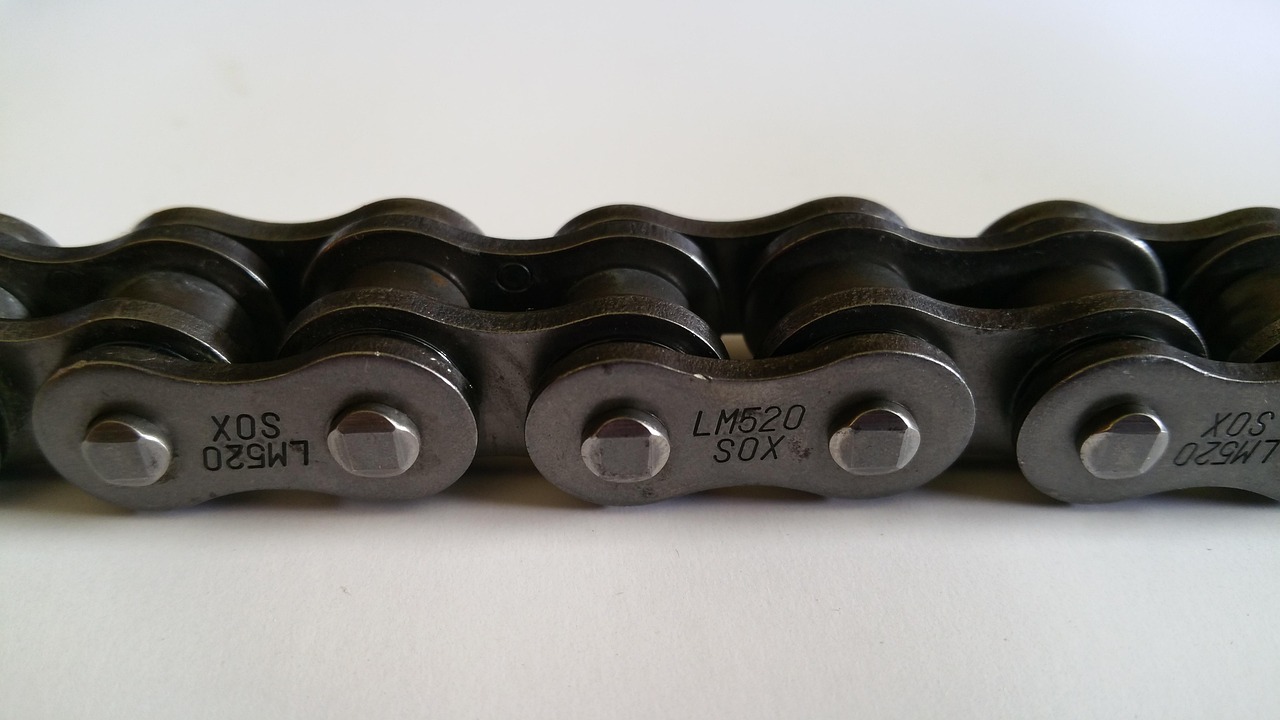
On a chain-driven motorcycle, examine the sprockets first. Healthy sprocket teeth should look symmetrical, resembling rounded shark fins. If the teeth are hooked, sharp, or visibly deformed, the chain and sprockets are worn out and require immediate replacement. Next, check the chain tension and slack. Grab the chain at the rear midpoint of the rear sprocket and try to pull it away from the sprocket teeth. If you can pull the chain far enough away to reveal more than half of a tooth, the chain is stretched beyond its service limit and must be replaced as a matched set.
Look for surface rust, stiff links, or dry O-rings. A rusty, neglected chain often points to a broader pattern of deferred maintenance throughout the rest of the motorcycle. For shaft-driven motorcycles, check the final drive housing for gear oil leaks around the seals and listen for whining noises during the test ride. For belt-driven cruisers, inspect the belt for missing teeth, fraying edges, and embedded stones that can compromise tensile strength.
Tires, Brakes, and Suspension Components
Rubber ages and degrades over time, regardless of how many miles the motorcycle has traveled. Check the four-digit Department of Transportation date code stamped on the sidewall of each tire. The first two digits represent the week of manufacture, and the last two represent the year. Tires older than five to six years can harden, lose grip, and develop microscopic dry-rot cracks, even if the tread depth looks acceptable.
Inspect the brake rotors for scoring, deep grooves, and minimum thickness stamped into the metal. Look at the brake pads through the caliper window to gauge remaining friction material. Squeeze the brake levers and press the rear brake pedal; the pressure should feel firm and progressive, not spongy or fading. Spongy brakes usually indicate old, moisture-contaminated brake fluid or air in the lines, which requires bleeding before the bike is safe to ride.
Test the suspension by holding the front brake and pushing down hard on the handlebars, then releasing. The forks should compress smoothly and rebound without excessive bouncing or oscillating. Repeat the test on the rear end. Blown shocks or dead suspension dampening will drastically compromise handling stability in corners and emergency stopping situations.
Electrical Systems and Controls
Electricity powers everything from your ignition spark to your safety lighting. Test every electrical component while the key is turned on, even before starting the engine. Check the headlight high and low beams, front and rear turn signals, brake light activation from both the hand lever and foot pedal, and the horn.
Inspect the dashboard instruments and warning lights. Ensure the neutral light illuminates when the transmission is in neutral, and verify that the oil pressure indicator functions correctly upon startup. Look under the seat for hacked wiring harnesses, aftermarket alarm systems spliced into factory looms, or electrical tape holding failing connections together. Electrical gremlins can be notoriously difficult and frustrating to diagnose.
Check the battery health as well. A weak battery that struggles to crank the engine may simply be old, or it could point to a failing charging system stator or regulator/rectifier. Ask the seller if the bike is kept on a battery tender when parked for long stretches.
Engine Startup and Mechanical Sounds
After completing the static check, it is time to start the engine. Pay strict attention to how the bike behaves during a cold start. Does it fire up promptly with appropriate choke or fuel-injection management, or does the starter labor against a weak battery?
Listen closely to the engine block as it idles. Internal mechanical health is often revealed through sound. A healthy motor runs smoothly with consistent exhaust notes. Listen for excessive ticking, knocking, or rattling. A rhythmic tapping from the top end can indicate loose valve clearances, while a heavy deep knock from the bottom end often signals worn rod bearings or crank issues. If you notice smoke coming from the exhaust, determine its color: blue smoke indicates burning oil from worn piston rings or valve stem seals, while black smoke points to an overly rich fuel mixture.
Let the engine reach operating temperature. Monitor the temperature gauge or listen for the cooling fan to ensure it cycles on properly. Watch for coolant leaks on liquid-cooled bikes or oil seepage around base gaskets and cylinder heads on air-cooled engines.
Title Verification and Legal Due Diligence
Paperwork verification is just as important as mechanical inspection. Never buy a motorcycle without matching numbers and a clear, verifiable title. Locate the Vehicle Identification Number stamped permanently onto the steering head of the frame and verify that it matches the VIN printed on the physical title document and the insurance card.
Check the title status carefully. Ensure the title is free of salvage, rebuilt, flood, or lemon brands unless you are explicitly seeking a project bike and understand the insurance and resale implications. Verify the seller’s driver’s license against the name printed on the face of the title. If the names do not match, the seller is either a curbstoning dealer posing as a private party or attempting to pass along an unassigned title, both of which introduce severe legal complications during registration at your local motor vehicle department.
Additionally, check for active liens. If a lien is recorded on the face of the title, ensure the seller provides an official lien release document from the financial institution proving the debt has been fully satisfied.
The Test Ride Protocol
A test ride is the ultimate test of a motorcycle’s mechanical fitness, but it should only happen if you have cash in hand, a valid motorcycle endorsement, and have agreed on a tentative purchase price contingent upon a successful ride. Never let a seller pressure you into a test ride without proper gear or on an unfamiliar machine if you lack confidence.
During the ride, evaluate how the transmission shifts through all gears. Pop out of gear unexpectedly under acceleration, sticky shift levers, or missed shifts indicate worn transmission dogs or bent shift forks. Test the clutch engagement point; a clutch that slips when you twist the throttle hard in a high gear is worn out and needs replacement. Check the steering alignment by briefly and safely taking your hands off the bars on a smooth, straight road to see if the bike pulls to one side. Finally, test the brakes firmly in a safe environment to ensure straight, stable stopping power without pulling or ABS failure lights illuminating.
Pay attention to how the engine pulls across the RPM range. Hesitation, stumbling, or surging under throttle can indicate clogged fuel injectors, dirty carburetor jets, or ignition timing issues that will require troubleshooting.
Final Negotiation and Purchase Completion
Once the inspection and test ride are complete, use any identified flaws—such as worn tires, expiring chains, or cosmetic damage—as logical points for price negotiation. Maintain a polite, objective demeanor and let the facts guide your offer.
When a price is agreed upon, ensure the transaction is properly documented. Complete the bill of sale with the purchase price, date, VIN, and both parties’ signatures. Have the seller sign and date the title correctly in the designated transfer sections. Secure all keys, owner’s manuals, and service records. With your paperwork in order and your newly acquired machine safely transported home, you can enjoy the peace of mind that comes with a smart, well-vetted purchase.
Remember to transfer the insurance policy to your name immediately and visit your state’s motor vehicle agency within the mandatory registration window to avoid late fees or compliance penalties.