
When your middle or high school musician decides to audition for an advanced youth orchestra or enroll in a community music school ensemble, the excitement is often quickly followed by a mountain of administrative paperwork. Behind every harmonious symphony lies a complex matrix of registration deadlines, tuition tiers, instrument maintenance fees, and rigorous attendance contracts. If you are approaching this process for the first time, mastering the youth orchestra audition and fee guide essentials can mean the difference between a smooth transition and a stressful scramble for missing forms.
Unlike standard school band or orchestra programs that operate within the public school schedule, community music schools and independent youth symphony organizations function more like private institutions. They have distinct operating calendars, strict financial policies, and competitive placement procedures. This guide breaks down the entire administrative roadmap—from initial application to the final spring concert—so your family can navigate the process with confidence.
Understanding the Community Music School Landscape
Before diving into specific registration procedures, it helps to understand how youth ensembles are typically structured. Most regions feature a hierarchy of organizations, ranging from neighborhood community music schools offering introductory chamber groups to elite metropolitan youth symphonies that require rigorous regional auditions.
Community music schools generally offer a wider safety net of instructional support, offering private lessons alongside ensemble coaching. Independent youth orchestras, on the other hand, focus primarily on large ensemble performance and assume your student is already receiving private instrumental instruction. Knowing which type of program your child is entering dictates the volume of paperwork, the strictness of the rules, and the overall financial investment required.
Furthermore, many larger metropolitan areas feature tiered orchestras within a single organization. For instance, an organization might run a String Training Orchestra for younger or less experienced middle schoolers, a Concert Orchestra for intermediate players, and a premier Youth Symphony for advanced high school musicians. Each tier comes with its own set of technical requirements, fee structures, and attendance expectations. Understanding where your student currently fits in this hierarchy prevents wasted application fees and ensures they are placed in an environment that challenges them without causing unnecessary discouragement.
As families investigate these various tiers, it is vital to assess not just your child’s current technical proficiency on their instrument, but also their psychological readiness for the pressure of a competitive ensemble. Advanced youth orchestras often maintain intense rehearsal tempos, and conductors expect musicians to self-prepare their parts independently between weekly sessions. A community music school ensemble, conversely, may build more sectional instruction directly into the schedule, making it a better stepping stone for students who are transitioning out of middle school string programs and entering the more demanding realm of youth symphonic music.
Decoding the Audition Timeline and Registration Rules
The youth orchestra audition and fee guide process almost always begins months before the first rehearsal note is played. Most metropolitan youth symphonies hold their primary auditions in the spring—typically between April and June—for the following academic year. A smaller number of programs hold supplementary auditions in late August or September to fill sudden vacancies.
Missing an initial application window is one of the most common pitfalls for families. Registration portals open weeks in advance, but administrative slots fill up rapidly. When navigating community music school registration rules, pay close attention to the following action items:
- Application Deadlines: Submit forms at least a week before the cutoff to account for technical glitches or missing recommendation letters.
- Audition Repertoire Requirements: Verify whether the organization requires specific standard concertos, orchestral excerpts, or specific scale requirements. Preparing the wrong excerpt is an automatic disadvantage.
- Recorded vs. Live Auditions: Many organizations now use a hybrid model, requiring an initial video prescreening before inviting students to a live callback audition. Ensure your recording environment meets their technical specifications.
Read every detail of the instruction packet twice. Some organizations disqualify applicants simply because a submitted video file format was incompatible with their review portal. Additionally, note whether the audition requires an accompanist. While many solo works call for piano accompaniment, youth orchestra auditions often prefer unaccompanied playing for standard solo repertoire unless specified otherwise, allowing the adjudication panel to focus purely on intonation, tone quality, and rhythmic accuracy.
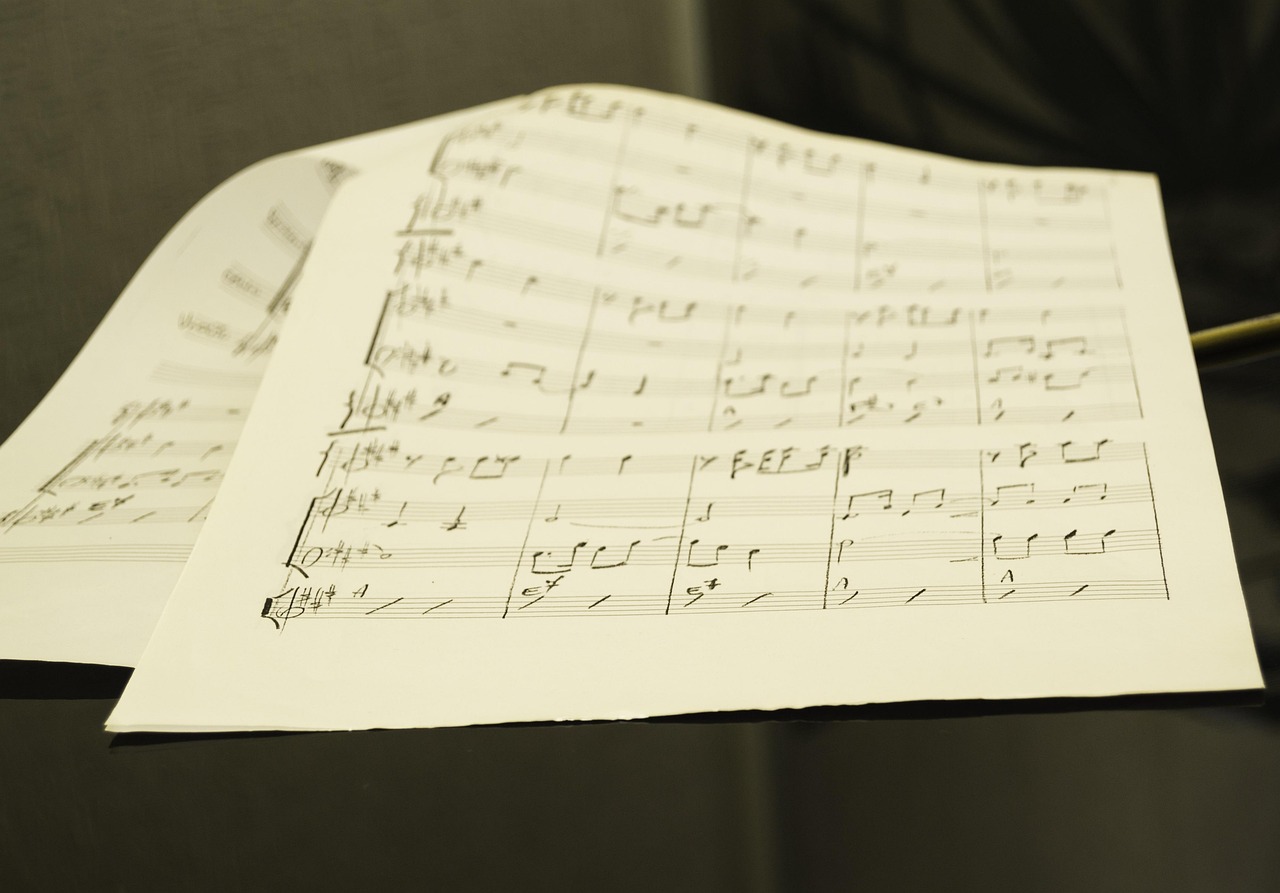
When preparing your student for the administrative side of the audition, create a checklist tracker. Note the date the application was submitted, confirmation numbers, receipt of payment, and any communication with the personnel manager. Administrative departments at large music schools handle hundreds of student files concurrently; having a clear paper trail ensures that if an administrative error occurs, you can resolve it quickly before adjudication panels convene.
Furthermore, parents must understand the adjudication feedback mechanism. Many youth orchestras do not provide written score sheets or verbal feedback to unsuccessful applicants due to the sheer volume of students auditioning. If your child is not accepted or is placed in a lower ensemble tier than anticipated, look for opportunities to request a brief administrative or conductor consultation if the organization permits it. Constructive feedback can guide private lessons through the winter months, ensuring a stronger showing during the following spring audition cycle.
Breaking Down Tuition and Fee Structures
The financial commitment of a youth orchestra extends far beyond the basic tuition sticker price. When budgeting for your student’s musical season, you need to look at the entire cost ecosystem. Programs typically structure their fees around a base annual tuition, which can range from several hundred dollars for smaller community groups to well over a thousand dollars for premier metropolitan symphonies.
When reviewing youth symphony tuition payment deadlines, note whether the organization offers payment plans. Many programs allow families to split tuition into quarterly or monthly installments rather than demanding a lump sum upfront. However, missing a payment deadline can result in late fees or, in severe cases, the suspension of your student’s ensemble privileges.
Beyond tuition, expect to encounter several supplementary expenses:
- Registration and Audition Fees: Non-refundable processing fees are typically charged just to have your student’s audition evaluated.
- Music and Facility Fees: Some organizations charge separate fees for sheet music rentals, folder maintenance, and building usage.
- Concert Attire: Advanced orchestras enforce strict dress codes, such as formal concert black, tuxedos, or specific uniform pieces that families must purchase independently.
- Tour and Retreat Fees: Mandatory weekend retreats or regional tour travel costs are rarely included in base tuition.
It is also wise to inquire about refund policies. Youth orchestra schedules can collide with high school varsity sports, heavy AP course loads, or family relocations. Most organizations have strict non-refundable tuition policies once rehearsals begin, or they charge a substantial administrative penalty if a student drops out within the first month. Reviewing these clauses in advance prevents unexpected financial losses if your student’s schedule becomes unmanageable.
Budgeting should also account for ancillary travel expenses. Rehearsals are frequently held at regional universities, downtown performing arts centers, or specialized community music hubs that may require significant driving time and weekly parking fees. Factoring these logistical realities into your household budget ensures that the financial commitment remains sustainable throughout the entire academic year.
Navigating Financial Aid and Scholarship Opportunities
Because the cost of youth arts education can create a barrier for many households, reputable community music schools and youth orchestras almost universally offer need-based financial aid or merit-based scholarships. If the published tuition figures stretch your household budget, do not assume you have to opt out.
Financial aid applications usually run parallel to the audition registration process. You will typically be required to submit household income verification, such as recent tax summaries or W-2 forms. Be sure to mark these deadlines on your calendar, as financial aid pools are often limited and distributed on a rolling basis. Some organizations also offer work-study programs where parents volunteer backstage, chaperone rehearsals, or assist with front-of-house concert operations in exchange for tuition credits.
When applying for financial aid, honesty and punctuality are paramount. Financial aid committees review applications holistically, factoring in household size, extraordinary medical expenses, and multiple children enrolled in private lessons or arts programs. If your financial circumstances change mid-season due to job loss or unexpected hardship, do not hesitate to contact the executive director or financial administrator; many community-funded arts organizations maintain discretionary emergency funds to help families keep their children enrolled.
Additionally, investigate local community foundations, civic arts councils, and regional service clubs like Rotary or Kiwanis, which frequently offer private music study or ensemble grants for promising local youth. Connecting with these external funding bodies can drastically offset out-of-pocket costs, opening doors to high-level musical participation that might otherwise remain financially out of reach.
Instrument Rentals, Maintenance, and Insurance Realities
As student musicians grow physically and musically, their equipment needs change. If your student plays a larger instrument like the cello, double bass, horn, or tuba, you must decide whether to rent from the music school, lease from an independent luthier, or purchase an instrument outright.
Many community music schools maintain instrument rental pools for younger or developing students. However, for advanced high school players in youth symphonies, finding a professional-tier instrument is usually the family’s responsibility. Keep these practical factors in mind:
- Rental Agreements: Read the fine print regarding damage waivers and maintenance responsibilities. Normal wear and tear is usually covered, but major structural repairs can fall on the renter.
- Musical Instrument Insurance: Standard homeowner or renter insurance policies often exclude high-value musical instruments used outside the home. Consider adding a specialized rider to protect against theft, damage during transport, or accidental drops.
- Upgrades: As students advance, bow quality and string selection become critical. Factor ongoing maintenance costs—such as periodic rehairing and professional setups—into your yearly budget.
Transportation logistics also deserve careful consideration. A high school student navigating public transit or a crowded high school hallway with a full-sized cello or French horn case faces daily physical and logistical challenges. Investing in a sturdy, weather-resistant, wheeled case or a comfortable backpack-style harness is often necessary to protect both the instrument and the student’s physical posture throughout a busy school week.

Furthermore, parents must be mindful of environmental conditions affecting wooden instruments. Rapid temperature and humidity shifts—common when moving instruments between heated suburban homes, freezing winter parking lots, and overheated school auditoriums—can cause catastrophic cracking in valuable violins, cellos, and woodwinds. Purchasing a reliable hygrometer for the instrument case and educating your student on safe storage habits is an essential aspect of instrument asset management.
Attendance Commitment Rules and Rehearsal Etiquette
The operational heartbeat of any youth orchestra is its rehearsal schedule. Unlike recreational sports leagues where missing a practice might mean sitting on the bench for a quarter, missing a youth orchestra rehearsal directly impacts the entire section and the conductor’s preparation timeline.
Most organizations enforce a strict attendance contract. Common policies include:
- Absence Limits: Students are typically allowed no more than two unexcused absences per semester. Exceeding this limit can result in dismissal from the ensemble or demotion to a different chair.
- Tardiness Penalties: Arriving late disrupts tuning and rehearsal flow. Many directors lock the doors once downbeat approaches.
- Dress Rehearsal Attendance: Dress rehearsals preceding a concert are almost always mandatory without exception. Missing a dress rehearsal usually results in being benched for that specific performance.
Before committing, map the rehearsal calendar against your family’s school sports, academic testing dates, and family vacations. While most programs accommodate documented illnesses and major school conflicts if reported weeks in advance, spontaneous scheduling conflicts will not be excused.
Rehearsal etiquette extends beyond simple punctuality. Advanced ensembles expect students to arrive early enough to assemble their instruments, tune with the section concertmaster, warm up quietly, and have all music ordered and ready on the stand before the conductor steps onto the podium. Students are also expected to use pencil for marking bowings and conductor cues immediately, demonstrating professional respect for the rehearsal environment and their peers.
When unexpected conflicts do arise, following the proper notification protocol is critical. Every youth ensemble maintains a designated personnel manager or artistic administrator. Contacting this individual well in advance via email with specific details regarding the absence allows section leaders and conductors to adjust seating or cue distribution before the rehearsal begins, preserving the efficiency of the working session.
Parental Involvement and Volunteer Requirements
Community music schools and youth orchestras rely heavily on parent volunteers to function smoothly. When you register your child, you are often implicitly or explicitly signing up to support the organization’s operational ecosystem.
Volunteer tasks range from supervising sectional breaks and managing sheet music distribution to setting up chairs and chaperoning concert tours. While not every family has the flexibility to volunteer during weekday hours, identifying ways to contribute—such as helping with digital marketing, fundraising, or concert-night ticketing—builds a strong relationship with the organization’s administration and supports your student’s artistic community.
In addition to direct volunteering, parents play a vital supportive role behind the scenes. This includes managing at-home practice routines without nagging, providing quiet workspace for score study, and coordinating carpools with other musical families in your neighborhood. Building a support network with other parents in the orchestra section is invaluable for sharing rides to weekend rehearsals and managing the logistics of concert attire and instrument transport.
Cultivating positive relationships with music administrators and conductors also ensures your family remains informed about leadership opportunities, chamber music offshoots, concerto competitions, and masterclass events that may be offered throughout the season. Active parental engagement transforms the youth orchestra experience from a simple weekly extracurricular into an immersive community for both the student and the family.
Conclusion: Creating a Sustainable Musical Routine
Navigating the administrative steps of youth ensembles requires patience, organizational discipline, and clear communication between parents and student musicians. By keeping a close eye on registration windows, budgeting realistically for hidden fees, respecting attendance contracts, and communicating early with program administrators, you can remove the administrative friction from the process. This allows your family to focus on what truly matters: supporting your student’s artistic growth, discipline, and love for orchestral music.
As your student progresses through middle and high school, the habits formed during these youth orchestra years—punctuality, collaborative teamwork, meticulous preparation, and respect for institutional guidelines—will serve them well far beyond the concert hall. Approaching the administrative requirements as an integral part of their musical education ensures a harmonious and rewarding season for the entire family.